
Dry-run protection prevents costly damage by automatically shutting down your pump when no liquid is detected, avoiding issues like overheating, cavitation, and mechanical failure. It helps you catch problems early, reducing the risk of expensive repairs and extending your equipment’s lifespan. By monitoring conditions in real time, it keeps your operations smooth and efficient. Want to discover how these safeguards work and save you money? Keep exploring to find out more.
Open a free Amazon Business account
Business pricing, bulk buying and tax-exempt orders.
As an affiliate, we earn on qualifying purchases.
Key Takeaways
- Prevents equipment damage by automatically shutting down pumps during dry-running conditions.
- Reduces costly repairs by avoiding overheating, cavitation, and mechanical failure.
- Extends pump lifespan through protection against mechanical stress and wear.
- Enhances operational efficiency by enabling early detection and proactive maintenance.
- Minimizes downtime and resource wastage, ensuring reliable and cost-effective system performance.
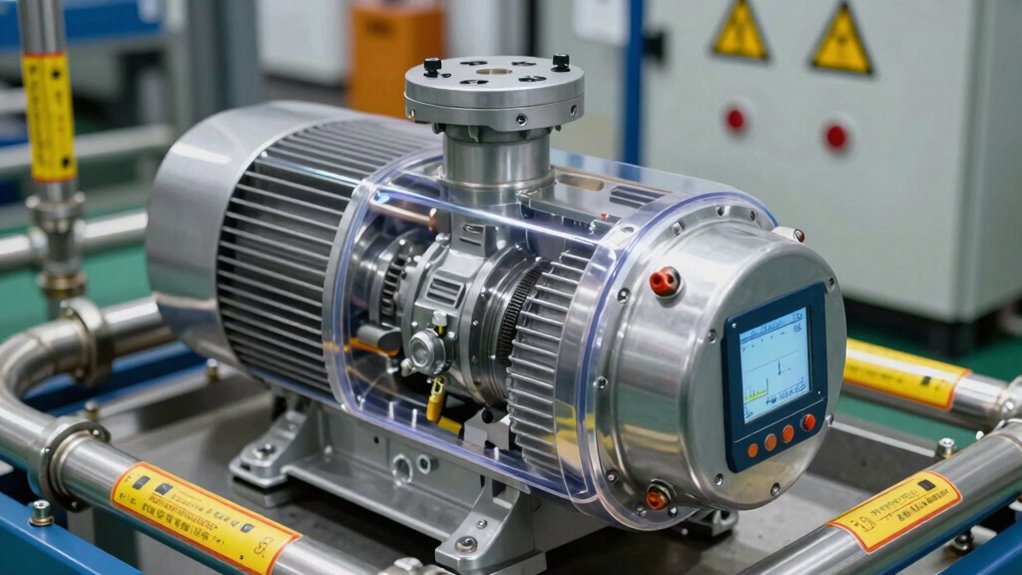
When a pump runs dry, it can quickly lead to serious damage and costly repairs. This situation is often caused by overlooked pump maintenance or a failure to monitor operational efficiency properly. Without proper safeguards, operating a pump without liquid can cause overheating, cavitation, and mechanical failure, all of which drastically reduce your equipment’s lifespan. That’s where dry-run protection comes into play, acting as a critical safety measure to prevent these costly mistakes before they happen.
Installing dry-run protection ensures that your pump automatically shuts down or reduces operation if it detects a lack of liquid. This proactive approach helps you avoid the damage caused by running dry and keeps your system running smoothly. It’s especially important for maintaining optimal pump performance and efficiency, as running a pump dry not only damages the equipment but also wastes energy and resources. When your pump is protected, it operates at peak efficiency, reducing downtime and extending its service life.
You should see dry-run protection as an essential part of your overall pump maintenance routine. Regularly checking your equipment, inspecting seals, and maintaining proper fluid levels are vital, but a dry-run sensor adds an extra layer of security. It provides real-time monitoring, instantly shutting down the pump if abnormal conditions are detected. This prevents mechanical stress and overheating, which can otherwise escalate into costly repairs or complete pump failure. Incorporating preventative maintenance into your routine enhances the effectiveness of dry-run protection and helps identify potential issues early. Understanding pump operation principles further supports effective system management and fault prevention. Additionally, understanding the causes of dry-running can help you implement better preventative strategies. Recognizing the importance of equipment lifespan can motivate more diligent maintenance and early problem detection.
Operational efficiency is directly impacted when a pump runs dry. Without protection, you might not realize the problem until serious damage is done, leading to extended downtime and high repair costs. Dry-run protection minimizes these risks by catching issues early, enabling you to address potential problems before they escalate. It also helps you optimize your workflow, ensuring your processes run without interruption. When your pumps are protected, you gain a more reliable system, better resource management, and peace of mind knowing that your equipment is less vulnerable to failure.
In the end, dry-run protection is a simple yet powerful tool to prevent expensive mistakes. It supports effective pump maintenance, boosts operational efficiency, and helps you avoid the costly consequences of running equipment without liquid. By integrating this safeguard into your operations, you’re making a smart investment in the longevity and reliability of your pumps, ensuring smoother, more efficient performance every time.
As an affiliate, we earn on qualifying purchases.
Frequently Asked Questions
How Does Dry-Run Protection Detect Low Fluid Levels?
Dry-run protection detects low fluid levels through fluid detection sensors that monitor the pump’s environment. You need to guarantee proper sensor calibration so it accurately identifies when fluid levels drop below the safe threshold. When the sensor detects insufficient fluid, it triggers the protection system to shut down the pump, preventing damage. Regular calibration and maintenance of the sensors are essential for reliable fluid detection and effective dry-run protection.
Can Dry-Run Protection Be Integrated With Existing Pump Systems?
Imagine you’re back in the days of dial-up internet—retrofits might seem tricky, but dry-run protection can definitely be integrated with existing pump systems. You’ll want to check pump compatibility first; many modern dry-run devices offer retrofit options that are easy to install. This allows you to upgrade your system without replacing everything, saving you money while protecting your pump from damage due to low fluid levels or dry running.
What Are the Maintenance Requirements for Dry-Run Protection Devices?
You need to regularly check your dry-run protection devices for proper system calibration to guarantee they detect low fluid levels accurately. Keep an eye on sensor durability, replacing sensors if they show signs of wear or damage. Routine maintenance also includes cleaning the sensors to prevent buildup that could impair performance. By staying proactive, you’ll guarantee your pump’s dry-run protection remains reliable and effective, preventing costly failures.
How Does Dry-Run Protection Impact Pump Energy Efficiency?
Dry-run protection boosts your pump’s energy efficiency by preventing unnecessary operation when there’s no fluid to move, leading to significant energy savings. It also enhances operational reliability by stopping damage caused by dry running, which can cause costly repairs. By ensuring your pump only runs when necessary, dry-run protection helps maintain consistent performance, reduces energy consumption, and extends equipment lifespan, ultimately saving you money and improving system dependability.
Are There Industry Standards for Dry-Run Protection Systems?
Yes, industry standards for dry-run protection systems exist, and you should follow them to guarantee safety protocols and regulatory compliance. Standards from organizations like the American Petroleum Institute (API) and the International Electrotechnical Commission (IEC) provide guidelines on designing, installing, and maintaining these systems. Adhering to these standards helps you prevent pump damage, ensures safe operation, and maintains compliance with legal and safety requirements.
As an affiliate, we earn on qualifying purchases.
Conclusion
Implementing dry-run protection can substantially reduce pump failures, saving you thousands in repairs and downtime. Did you know that pumps without dry-run safeguards are up to 70% more likely to experience damage? By proactively preventing dry runs, you guarantee your equipment operates efficiently and reliably. Don’t overlook this simple yet essential safeguard—your investment will thank you with long-term performance and peace of mind.
As an affiliate, we earn on qualifying purchases.
real-time pump monitoring system
As an affiliate, we earn on qualifying purchases.
As an affiliate, we earn on qualifying purchases.
Evergreen bestsellers Picks
bestsellers
As an affiliate, we earn on qualifying purchases.