If your home rapidly uses up sediment filters, high water pressure and poor water quality are likely culprits. Excessive pressure forces more particles through the filter quickly, causing it to clog faster and wear out sooner. Contaminated water with dirt, rust, or sediment also overloads filters, reducing their lifespan. By controlling pressure and testing your water, you can improve filter durability. Keep exploring to discover effective ways to prolong your filters and protect your home’s system.

Get home appliances delivered free with Prime
- Fast, free delivery on millions of items
- Prime Video, Amazon Music and more included
- Member-only deals all year
Key Takeaways
- High water pressure accelerates sediment buildup, causing filters to clog and requiring frequent replacements.
- Poor water quality with high sediment, rust, or dirt content increases filter wear and reduces lifespan.
- Lack of proper pressure regulation strains filters, leading to faster saturation and early failure.
- Inadequate maintenance or infrequent filter changes allow debris to accumulate rapidly.
- Absence of pre-filters or additional filtration stages overburdens sediment filters, shortening their lifespan.
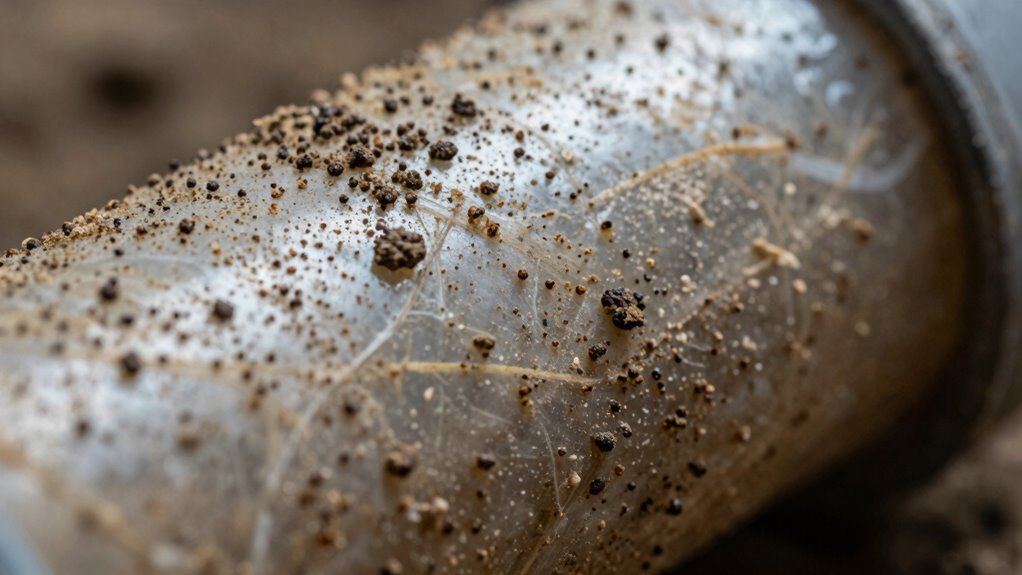
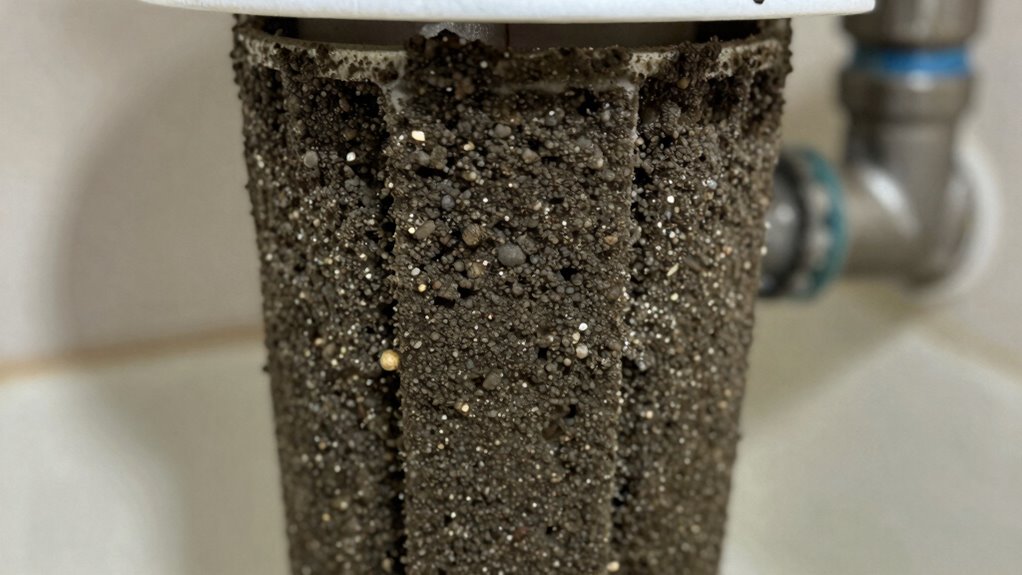
Sediment filters play an essential role in maintaining clean and safe water in your home by removing particles like dirt, rust, and sand before they reach your faucets. However, you might notice that some homes seem to burn through these filters quickly, leading to frequent replacements and added expenses. The main reasons behind this rapid filter degradation often boil down to water pressure and how well you maintain the filtration system. High water pressure, in particular, can considerably shorten the lifespan of your sediment filter. When water pressure is too high, it forces more particles through the filter media at a faster rate, causing it to clog or become saturated much quicker than intended. This overworking leads to a shorter lifespan, forcing you to replace the filter more often.
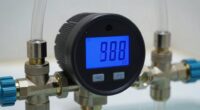
If your home’s water pressure isn’t regulated, it can create a constant strain on the sediment filter. Most filters are designed to handle a certain flow rate, and exceeding that rate accelerates the accumulation of debris on the filter media. When the filter becomes clogged, water flow decreases, or the filter may even rupture if the pressure is extreme. This not only shortens the filter’s lifespan but can also impact your overall water pressure at home, making daily tasks like showering or washing dishes more frustrating. You might notice a drop in water pressure, but often, the culprit is a filter that’s working overtime or failing prematurely because of unchecked pressure levels. Proper pressure regulation can significantly extend the life of your filters and improve your water quality. Additionally, some homes may have outdated plumbing systems that contribute to inconsistent pressure, further stressing the filters. Understanding water quality and its impact on filter longevity can help homeowners plan better maintenance routines. Maintaining consistent water pressure is also vital to prevent damage to other plumbing components, which can indirectly affect filter performance. Regular system inspections can help identify issues early and ensure your filtration system remains effective.
Furthermore, the quality of your incoming water affects how long your sediment filters last. Homes with water that carries a high load of dirt, rust, or sediment will naturally see quicker clogging of the filter media. When the water source is particularly muddy or contains a lot of particulate matter, the filter has to work harder and fill up faster, resulting in more frequent replacements. Regular maintenance, like flushing or replacing filters before they clog completely, can extend their lifespan somewhat. But ultimately, if the source water is heavily contaminated, the filter’s durability will be compromised regardless. Proper water testing can help identify the level of contaminants, enabling better filter selection and maintenance routines. Being aware of your water’s contaminant levels allows for more effective filtration strategies and longer-lasting filters. In some cases, installing pre-filters or additional filtration stages can help reduce the burden on sediment filters and extend their lifespan.
sediment water filter replacement
As an affiliate, we earn on qualifying purchases.
As an affiliate, we earn on qualifying purchases.
Frequently Asked Questions
How Often Should Sediment Filters Be Replaced for Optimal Performance?
You should replace sediment filters every 3 to 6 months for peak performance. Regular replacement prevents clogging, ensuring smooth water flow and protecting your appliances. Installation challenges are minimal if you follow instructions carefully, but neglecting replacement can increase maintenance costs and cause filter damage. Keep an eye on water quality and flow rate; this helps you decide when to change filters, saving money and maintaining your water system’s efficiency.
Can Sediment Filters Remove Bacteria and Viruses From Water?
In a blink of an eye, sediment filters can’t remove bacteria and viruses from water. They mainly trap larger particles, so microbial removal is limited. To guarantee safe drinking water, consider using specialized filters like UV purifiers or reverse osmosis systems. Remember, filter lifespan affects performance—replace filters regularly to prevent contamination. Don’t rely solely on sediment filters for microbial removal; upgrade your system for complete protection.
What Are Signs That a Sediment Filter Needs Immediate Replacement?
You’ll know it’s time to replace your sediment filter when water flow slows considerably or pressure drops, indicating reduced sediment filtering efficiency. Also, if you notice a decline in water quality improvement or a change in water taste or smell, your sediment filter’s lifespan might be up. Regularly inspecting your filter helps prevent clogging, ensuring peak performance and consistent water quality. Replace it promptly to maintain clean, clear water.
Are There Different Types of Sediment Filters for Specific Water Issues?
Yes, there are different types of sediment filters designed for specific water issues. You can find filters made from various filtration materials like pleated, spun, or string to target particular problems. For example, coarse filters remove larger particles, improving water clarity, while finer filters handle smaller sediments. Choosing the right filter depends on your water’s sediment size and clarity needs, ensuring peak performance and longer-lasting filtration.
How Do Sediment Filters Affect Overall Plumbing System Lifespan?
Sediment filters improve your plumbing system’s lifespan by enhancing filtration efficiency and water clarity, preventing debris from damaging pipes and appliances. When filters work properly, they reduce wear and tear, minimizing repairs and replacements. However, if filters are clogged or poorly maintained, water flow decreases, straining your system. Regularly replacing or cleaning filters guarantees peak performance, extending your plumbing’s durability and keeping your water clear and clean.
water pressure regulator for home
As an affiliate, we earn on qualifying purchases.
As an affiliate, we earn on qualifying purchases.
Conclusion
So, next time your home’s sediment filter burns out faster than expected, don’t blame the filter alone. Ironically, it’s often your own habits that push it to the limit—like ignoring maintenance or letting water flow too fast. Instead of a surprise, it’s a chance to be a responsible homeowner. After all, you wouldn’t expect your car to run forever without oil changes, right? A little care now saves you from bigger headaches later.
As an affiliate, we earn on qualifying purchases.
water quality test kit for sediment
As an affiliate, we earn on qualifying purchases.
As an affiliate, we earn on qualifying purchases.
Halloween Picks
halloween
As an affiliate, we earn on qualifying purchases.