pH correction can help you stabilize acidity or alkalinity, preventing unwanted fluctuations and protecting your system. However, it can’t fix deeper issues like pollution, equipment damage, or chemical imbalances. While adjusting pH is useful for mild problems, it doesn’t remove contaminants, repair corrosion, or address nutrient deficiencies. Without tackling these underlying causes, problems’ll persist. To learn how to manage your system thoroughly, keep exploring the key limitations and solutions.
Key Takeaways
- pH correction can stabilize pH levels but cannot address underlying causes of persistent pH imbalances.
- It can neutralize acidity or alkalinity but cannot remove contaminants or pollutants.
- pH adjustment does not repair equipment damage or reverse physical corrosion caused by chemical exposure.
- It cannot compensate for nutrient deficiencies, toxicities, or process inefficiencies in water systems.
- A comprehensive approach is necessary, as pH correction alone cannot solve complex water quality or process issues.
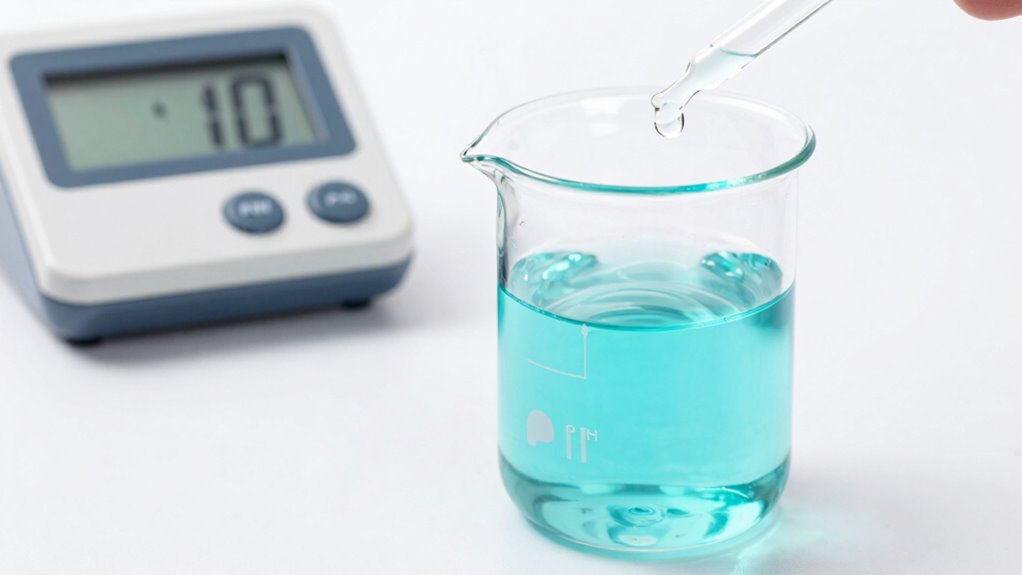
Maintaining the correct pH level is essential for ideal plant growth, water quality, and industrial processes. When your pH is off, it can lead to poor nutrient uptake, equipment corrosion, or compromised product quality. While pH correction methods can address many issues, they aren’t a cure-all. Understanding what pH correction can and can’t solve helps you avoid relying solely on adjustments and ensures you take thorough steps for best results.
Proper pH management is vital but not a cure-all; address underlying issues for optimal results.
Alkalinity adjustment and pH buffering are common techniques used to stabilize pH levels. Alkalinity adjustment involves adding substances like lime or sodium bicarbonate to neutralize excess acidity or alkalinity, effectively buffering the water or solution against sudden pH swings. pH buffering, on the other hand, involves adding agents that resist pH changes, maintaining a steady environment. These methods work well to correct mild pH imbalances and prevent fluctuations caused by external factors, such as organic decay or chemical reactions. Additionally, understanding the complex interactions within your water or solution can help you better anticipate how adjustments will behave over time. Recognizing the chemical properties involved in pH adjustments can also improve your correction strategies. It’s also important to monitor other related parameters like alkalinity to ensure comprehensive water quality management.
However, pH correction has its limits. It cannot fix underlying problems that cause persistent pH shifts. For instance, if your water source contains high levels of dissolved solids or contaminants like heavy metals, simply adjusting pH won’t remove those pollutants. You need filtration, chemical treatment, or other remediation techniques for that. Also, pH correction doesn’t address nutrient deficiencies or toxicities that result from an imbalanced pH. If the pH is too low or too high, it can lock nutrients in forms that plants or aquatic life can’t absorb, but correcting the pH alone won’t replenish missing nutrients or eliminate toxic substances.
Additionally, pH correction can’t undo physical damage caused by corrosive environments or improper handling. If your equipment has corroded due to prolonged exposure to inappropriate pH levels, adjusting the pH won’t reverse the damage. Similarly, in industrial processes, pH correction can optimize conditions but won’t fix fundamental process inefficiencies or equipment wear. It’s important to understand that pH is just one factor in a complex system; addressing only pH without considering other parameters often leads to incomplete solutions. Furthermore, pH correction cannot alter the underlying chemical composition of the water or solution, which may require other specialized treatments. Being aware of these limitations can help you develop a more comprehensive approach to water and process management.

GIDIGI pH Calibration Solution Kit 4,7,10 pH Buffer, Probe Storage Solution
- Complete pH Calibration Kit: Includes buffers and storage solution
- High Accuracy Calibration: ±0.01pH precision for reliable readings
- Color-Coded pH Buffers: Easy identification for pH 4, 7, 10
As an affiliate, we earn on qualifying purchases.
As an affiliate, we earn on qualifying purchases.
Frequently Asked Questions
Can pH Correction Fix Underlying Nutrient Deficiencies?
pH correction alone can’t fix underlying nutrient deficiencies because it mainly stabilizes soil pH and improves soil buffering. While adjusting pH helps nutrients become more available to plants, it doesn’t add missing nutrients. To truly address deficiencies, you need to supplement with targeted fertilizers or organic amendments. Proper pH management creates ideal conditions, but you must also supply the specific nutrients your plants lack for healthy growth.
Does pH Correction Improve Plant Growth Beyond Nutrient Availability?
Like tuning a finely crafted instrument, maintaining proper pH stability enhances overall plant growth, extending benefits beyond just nutrient availability. When you correct pH, you support microbial health and optimize absorption, which can lead to healthier roots and vigorous growth. While it doesn’t directly boost growth beyond nutrient uptake, stable pH creates an environment where plants thrive naturally, making every other aspect of cultivation more effective and resilient.
How Often Should pH Levels Be Adjusted in a System?
You should adjust pH levels regularly to maintain stability, ideally checking daily or every few days, depending on your system’s water buffering capacity. Consistent adjustments prevent pH fluctuations, which can harm plants. By monitoring and correcting pH frequently, you support pH stability, allowing nutrients to remain available. Keep an eye on water buffering, and only adjust when pH drifts outside the most favorable range, ensuring your system stays healthy.
Can pH Correction Prevent All Plant Diseases?
pH correction can’t prevent all plant diseases because disease prevention depends on maintaining pH stability and microbial balance. Proper pH levels support healthy nutrient uptake, but they don’t eliminate pathogens or pests. You need to combine pH management with good sanitation and pest control practices. While consistent pH correction fosters a healthy environment, it’s not a standalone solution for preventing every plant disease.
Is pH Correction Effective in Alkaline Water?
In alkaline water, pH correction can be effective if you’re aiming to restore proper alkaline balance and optimize water chemistry. For example, adjusting high pH levels helped a hydroponic grower improve nutrient uptake and plant health. However, simply correcting pH won’t solve issues caused by other water contaminants. You need to address overall water chemistry, including mineral content, to guarantee your plants thrive in properly balanced water.

Clorox® Pool&Spa™ Swimming Pool Alkalinity Increaser, Keeps pH Balanced, 5LB (Pack of 1)
- Raises Total Alkalinity: Maintains balanced pH levels
- Enhances Swimmer Comfort: Prevents eye and skin irritation
- Protects Pool Equipment: Prevents corrosion and damage
As an affiliate, we earn on qualifying purchases.
As an affiliate, we earn on qualifying purchases.
Conclusion
Understanding what pH correction can and can’t solve helps you make informed decisions. It can fix imbalances, restore stability, and improve overall conditions, but it can’t address underlying issues like poor design or systemic problems. Recognizing these limits empowers you to apply solutions wisely, to monitor effects carefully, and to seek professional advice when needed. Ultimately, knowing both the capabilities and limitations of pH correction allows you to maintain ideal environments and prevent future problems.

iSpring RCC7AK-BN NSF Certified, 75 GPD, Alkaline 6-Stage Reverse Osmosis System, pH+ Remineralization RO Water Filter System Under Sink Patented Top-Mounted Faucet Design for Easy Installation
- Patented Top-Mounted Faucet Design: Easy above-sink installation
- Mineral Boost Stage: Adds essential minerals and balanced pH
- Transparent Filter Housing: Monitor contaminant buildup easily
As an affiliate, we earn on qualifying purchases.
As an affiliate, we earn on qualifying purchases.

Lab Digital Display Fluoride Concentration Meter/PXS-F Fluorometer/High Purity Water Quality Detection
- Easy-to-Use Digital Display: Intuitive and accurate readings
- Temperature Compensation: Manual and automatic options
- Fluoride Concentration Display: Shows fluoride ion levels
As an affiliate, we earn on qualifying purchases.
As an affiliate, we earn on qualifying purchases.