
To use the winterizing water system calculator effectively, gather details about your location, water system type, and temperature severity. Input accurate info on pipe insulation, drain valves, and system size, double-checking for errors. Avoid skipping insulation or forgetting outdoor drains, and focus on protecting vulnerable pipes. Following proper steps guarantees your pipes stay safe; keep going for tips on interpreting your results and implementing the right winterization measures.

Get home appliances delivered free — and shop member deals
- Fast, free delivery on millions of items
- Access to Prime Big Deal Days deals on October 6–7
- Prime Video, Amazon Music and more included
Key Takeaways
- Use the calculator with accurate inputs on pipe insulation, drain valves, and water system details for reliable recommendations.
- Do insulate exposed pipes and drain outdoor systems before winter to prevent freezing and bursting.
- Don’t skip inspecting and maintaining insulation or drain valves regularly during cold weather.
- Utilize AI monitoring tools to detect potential system issues early and enhance winterization safety.
- Avoid neglecting smaller or hidden water lines, which are often vulnerable and easy to overlook.
As an affiliate, we earn on qualifying purchases.
How the Calculator Determines Your Winterization Needs
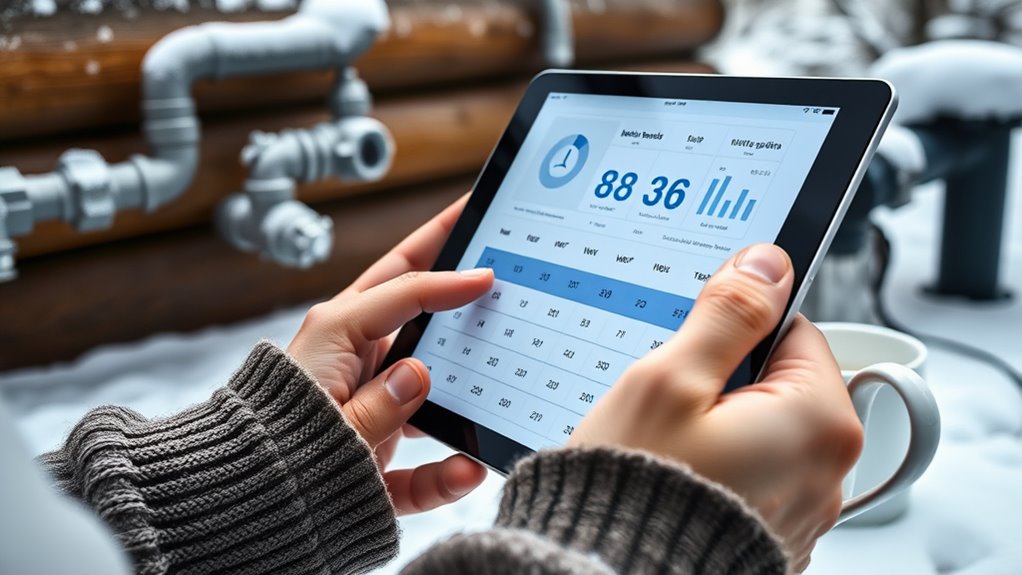
The calculator determines your winterization needs by analyzing key factors such as your location, the type of water system, and the severity of winter temperatures. It considers how exposed your pipes are and whether insulation is necessary. For example, if you live in a colder climate, the calculator may recommend adding pipe insulation to prevent freezing. Water pressure also plays a role; higher pressure increases the risk of pipe bursts if freezing occurs. The calculator assesses these elements to recommend appropriate measures, ensuring your water system remains protected. It may also evaluate system design to identify vulnerabilities that could lead to failures during cold weather. By understanding your specific circumstances, it determines whether additional insulation or other precautions are needed to minimize damage and maintain water flow during winter. This tailored approach helps you prepare effectively for winter’s challenges.
As an affiliate, we earn on qualifying purchases.
Step-by-Step Guide to Using the Calculator Effectively
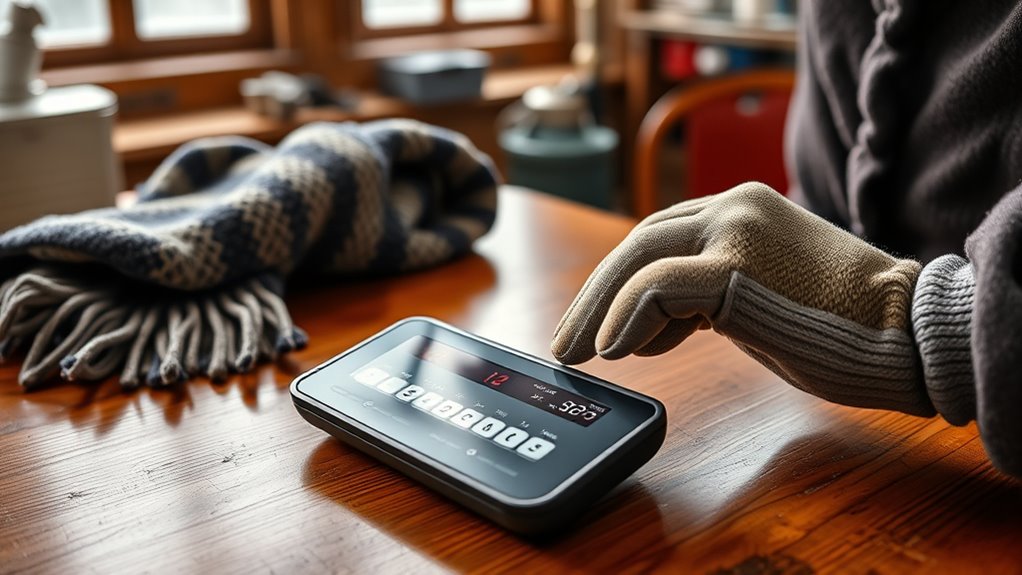
To use the Winterizing a Water System Calculator effectively, start by gathering all the necessary information about your water system and location. This includes details on pipe insulation, drain valves, and system size. Once ready, input your data accurately into the calculator. Focus on specifying the type of pipe insulation used and whether drain valves are installed, as these impact winterization needs. Use the table below to organize your info:
| Item | Details Needed | Notes |
|---|---|---|
| Pipe Insulation | Material, thickness | Affects heat retention |
| Drain Valves | Presence, placement | Facilitates draining |
| System Size | Length, number of pipes | Influences fluid flow |
Double-check your inputs for precision. Proper HEPA filtration can enhance the effectiveness of your winterization process by keeping out airborne contaminants that could cause issues during system shutdowns. The calculator will then suggest appropriate steps for winterizing effectively.
water system freeze protection kit
As an affiliate, we earn on qualifying purchases.
As an affiliate, we earn on qualifying purchases.
Common Mistakes to Avoid When Winterizing Your Water System
Many homeowners overlook common pitfalls that can compromise their winterization efforts. Failing to properly insulate outdoor faucets or neglecting pipe insulation can lead to costly damage. Avoid these mistakes to protect your system:
- Skipping the use of pipe insulation on exposed pipes
- Forgetting to drain outdoor faucets completely
- Rushing the process without double-checking all valves
- Using inadequate or damaged insulation materials
- Overlooking smaller, less obvious water lines
These errors can cause freeze damage, leaks, or burst pipes. Always ensure outdoor faucets are shut off and drained, and insulate vulnerable pipes thoroughly. Consider using appropriate insulation materials to enhance protection. Taking your time and verifying each step prevents costly repairs later. Proper winterization is about attention to detail—don’t let simple mistakes undermine your efforts.
As an affiliate, we earn on qualifying purchases.
Essential Tips for Properly Protecting Your Pipes
Protecting your pipes during winter requires careful attention to detail and proactive steps. First, add pipe insulation to vulnerable areas, such as exposed pipes in unheated spaces. Insulation helps retain heat and prevents freezing. Additionally, drain valves play a vital role; ensure they are properly closed and drained to prevent water from remaining in the pipes. This reduces the risk of cracks caused by ice expansion. Check all insulation and drain valves regularly throughout the season, especially during cold snaps. Keep cabinet doors open in kitchens and bathrooms to allow warm air to reach pipes. Proper digital literacy can also help homeowners access helpful resources and tips online. By taking these precautions, you minimize the chance of frozen or burst pipes, saving yourself costly repairs and headaches come spring.
What Not to Do When Preparing for Cold Weather
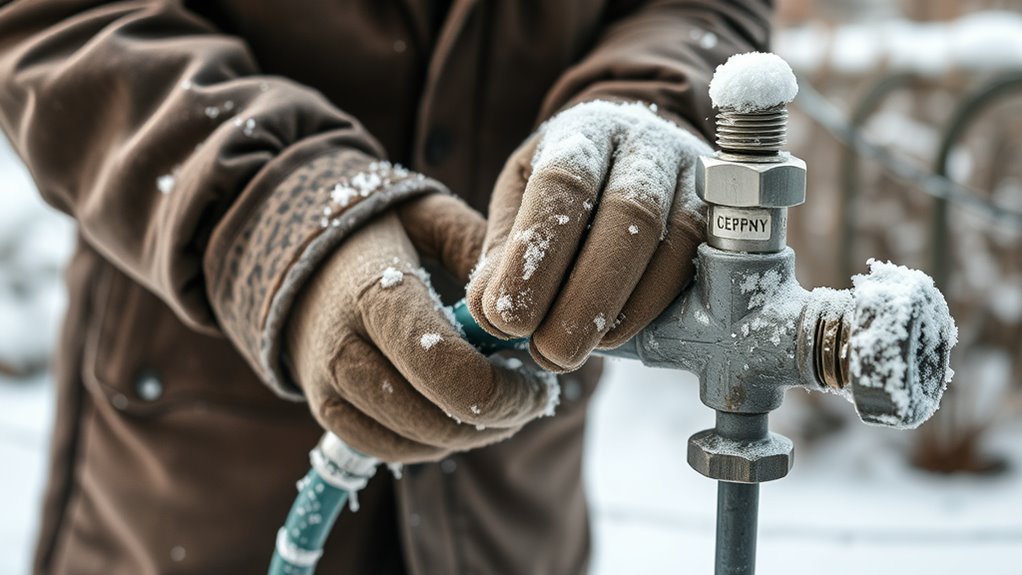
Don’t ignore your insulation needs or assume your pipes will stay warm enough on their own. Forgetting to drain outdoor faucets and sprinkler systems can lead to costly damage. Proper system maintenance and regular inspections can prevent unexpected failures during cold weather. Avoid these mistakes to keep your water system safe during cold weather.
Ignoring Insulation Needs
Ignoring insulation needs can leave your water system vulnerable to freezing and costly damage. Insulation neglect exposes pipes to cold air, increasing the risk of burst pipes and water damage. Without proper insulation, even a minor cold snap can cause significant issues. You might notice:
- Exposed pipes running along exterior walls or unheated areas
- Gaps in insulation around vulnerable pipe sections
- Insufficient coverage in crawl spaces or attics
- Lack of weatherproofing around outdoor spigots
- Failure to seal leaks that let cold air in
When you overlook insulation, you’re risking pipe exposure, which can lead to frozen, burst pipes and expensive repairs. Proper insulation is your best defense against winter damage, so don’t skip this essential step. Understanding thermal insulation is crucial for effectively protecting your water system during cold weather.
Forgetting to Drain
Neglecting to drain your water system before winter can lead to serious damage. If you skip this step, residual water can freeze and expand, causing pipes to burst or crack. Be sure to drain all pipes, including outdoor faucets, which are especially vulnerable. Disconnect hoses and shut off outdoor water supplies to prevent freezing. Pipe insulation alone isn’t enough if water remains inside; draining is essential. Failing to do so can result in costly repairs and inconvenience when warm weather returns. Always double-check that all water has been removed from exposed pipes and faucets. Proper drainage, combined with insulation, is the best way to protect your system from winter’s harsh effects. Additionally, ensuring your system has adequate system circulation can help prevent stagnant water from freezing. Don’t overlook this critical step in winterizing your water system.
Interpreting the Results and Taking Action
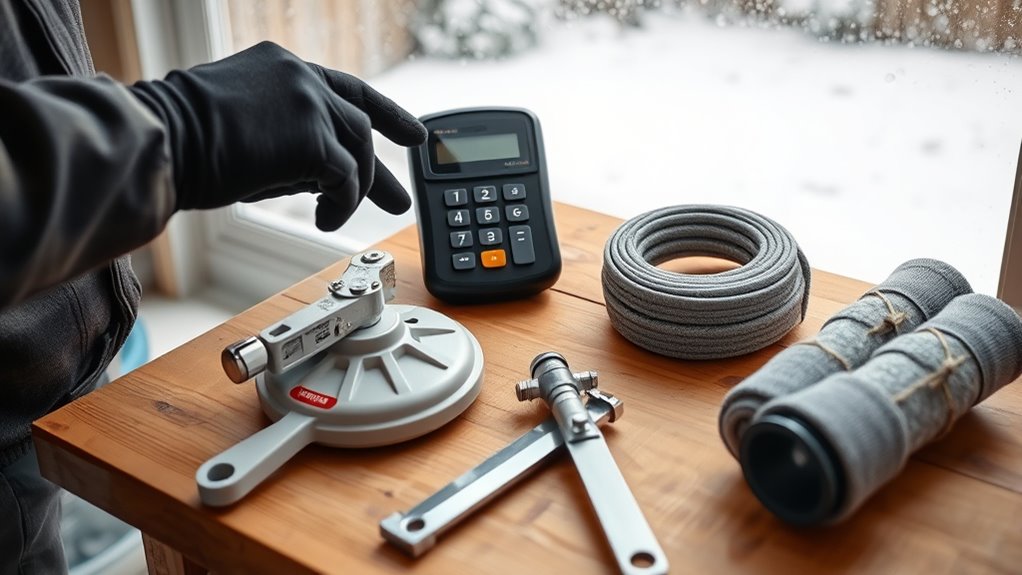
Once you’ve input your data into the winterizing water system calculator, it’s important to carefully review the results to determine the appropriate next steps. If the results suggest low risk, you may only need basic pipe insulation and valve maintenance. However, if the risk is high, more extensive measures are necessary. Look for indications like exposed pipes or faulty valves that could freeze. Consider adding extra insulation around vulnerable areas and inspecting valves for leaks or damage. Taking prompt action helps prevent costly repairs. Remember, interpreting these results accurately guarantees you implement the right strategies to protect your water system effectively. Stay proactive by following the calculator’s recommendations and keeping your system well-maintained throughout winter. Proper interpretation is key to avoiding freezing issues and costly damage. Monitoring AI behavior and implementing safety measures can further safeguard your water system from unforeseen issues.
Frequently Asked Questions
Can the Calculator Predict Potential Pipe Burst Points?
Yes, the calculator can help identify potential pipe failure points by analyzing factors like pipe age, material, and temperature exposure. It highlights areas prone to leak detection issues and predicts where pipes are most vulnerable during winter. By pinpointing these spots, you can take preventative measures to avoid pipe bursts, saving you from costly repairs and water damage. Use the calculator regularly for an effective winterization plan.
Is Professional Consultation Recommended After Using the Calculator?
Think of the calculator like a map guiding you through icy waters—you might navigate safely, but a professional consultation acts like a seasoned captain’s advice. After using the calculator, it’s wise to seek expert consultation for tailored recommendations and peace of mind. Professional advice ensures you address specific vulnerabilities and avoid costly mistakes, ultimately safeguarding your water system from winter’s harsh grip. Trust an expert to steer you clear of trouble.
How Often Should I Recheck My System’s Winterization?
You should recheck your system’s winterization annually, especially before each winter season. Conduct seasonal inspections to guarantee everything remains protected and functioning properly. Regularly reviewing your water system helps catch potential issues early, preventing costly damages. Incorporate these maintenance steps into your yearly routine to keep your system safe and efficient during cold months. Always stay vigilant and update your winterization process as needed for ideal protection.
Does the Calculator Account for Unusual Weather Patterns?
Ever wonder if the calculator considers climate variability and weather anomalies? It primarily uses typical temperature data and standard winter conditions, so unusual weather patterns might not be fully accounted for. You should stay alert during unpredictable climate variability, as weather anomalies can lead to freezing risks not predicted by the calculator. Always monitor local forecasts and adjust your winterization plan accordingly to protect your water system effectively.
Can I Use This Calculator for RV or Mobile Home Water Systems?
Yes, you can use this calculator for RV or mobile home water systems. It’s designed with RV compatibility and mobile home specifics in mind, so it considers their unique plumbing configurations and insulation needs. Just input your system details, and it’ll help you determine the best winterizing steps. Keep in mind, some adjustments might be necessary for your specific setup, but overall, it’s a useful tool for both.
Conclusion
Think of your water system as a delicate garden, vulnerable to winter’s chill. By using this calculator wisely, you’re planting the seeds of protection—nurturing your pipes against freezing. When you follow the steps and avoid common pitfalls, you’re creating a shield that keeps your home safe through the cold months. Remember, proper winterization isn’t just preparation; it’s tending to the life within your home’s heart, ensuring warmth and flow return in spring’s first breath.
NFL season / tailgating Picks
team gear
As an affiliate, we earn on qualifying purchases.