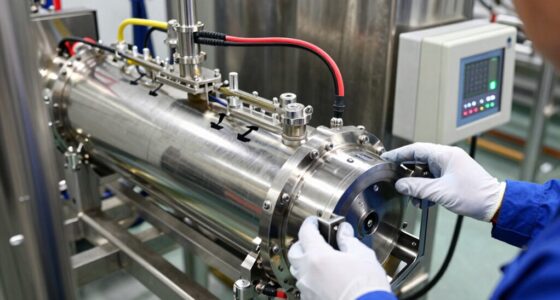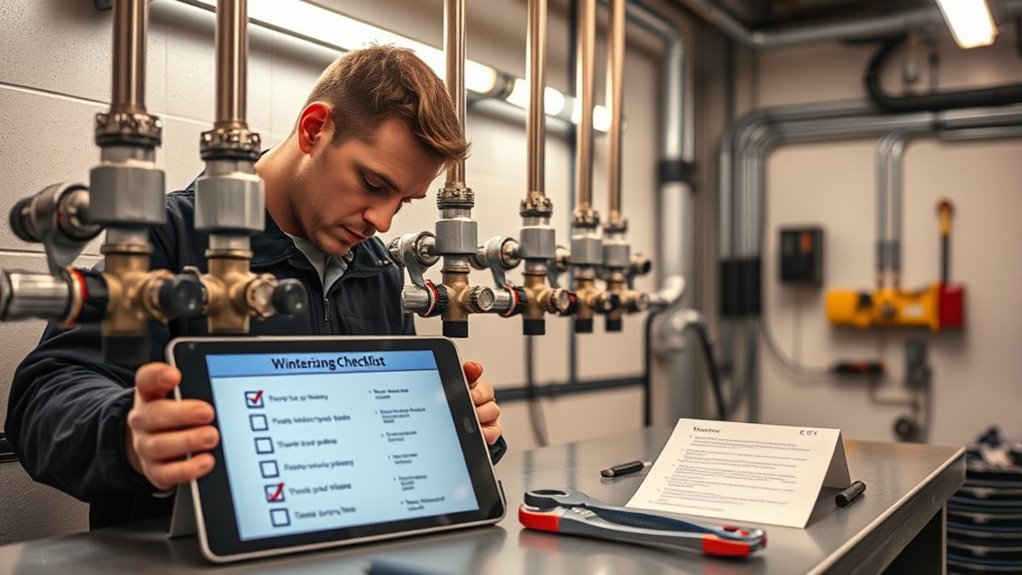

Before you start winterizing your water system, check local regulations and obtain any necessary permits from your water authority or building department to stay compliant. Review applicable codes for plumbing, electrical safety, and system standards, and consider whether professional inspections or certifications are required. Keep detailed records of all procedures and notifications to authorities. Staying current with code updates and industry best practices guarantees your system remains safe and legal. More tips follow to help you navigate this process smoothly.

Get home appliances delivered free — and shop member deals
- Fast, free delivery on millions of items
- Access to Prime Big Deal Days deals on October 6–7
- Prime Video, Amazon Music and more included
Key Takeaways
- Check local regulations and obtain necessary permits before beginning winterization work.
- Confirm if licensed professionals are required for inspections and certifications.
- Review current codes and standards related to water system safety and disinfection.
- Document all compliance steps, inspections, and permit approvals for future reference.
- Train staff on updated procedures and ensure all safety and maintenance protocols are followed.
As an affiliate, we earn on qualifying purchases.
Understanding Local Regulations and Permitting Requirements
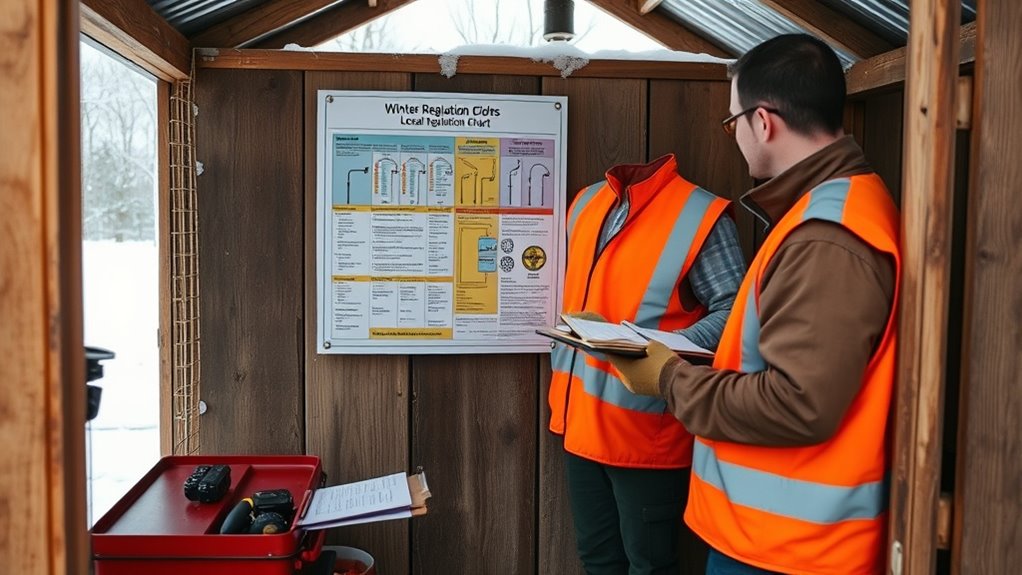
Before you begin winterizing your water system, it’s vital to understand local regulations and permitting requirements. Local regulations vary by region and can dictate specific steps for winterization, such as drain-down procedures or insulation standards. Failing to comply might lead to fines or code violations. Check with your local building department or water authority to confirm if permits are needed before making any modifications. Some areas require permits for certain plumbing work or system upgrades, especially if you plan to install new components. Understanding these requirements guarantees your winterization process is legal and effective. Taking time to review local regulations helps prevent costly mistakes and keeps your water system compliant with all applicable codes. Additionally, consulting local codes and regulations ensures you are fully informed about any restrictions or requirements specific to your area.
As an affiliate, we earn on qualifying purchases.
Identifying Applicable Codes and Standards for Water Systems
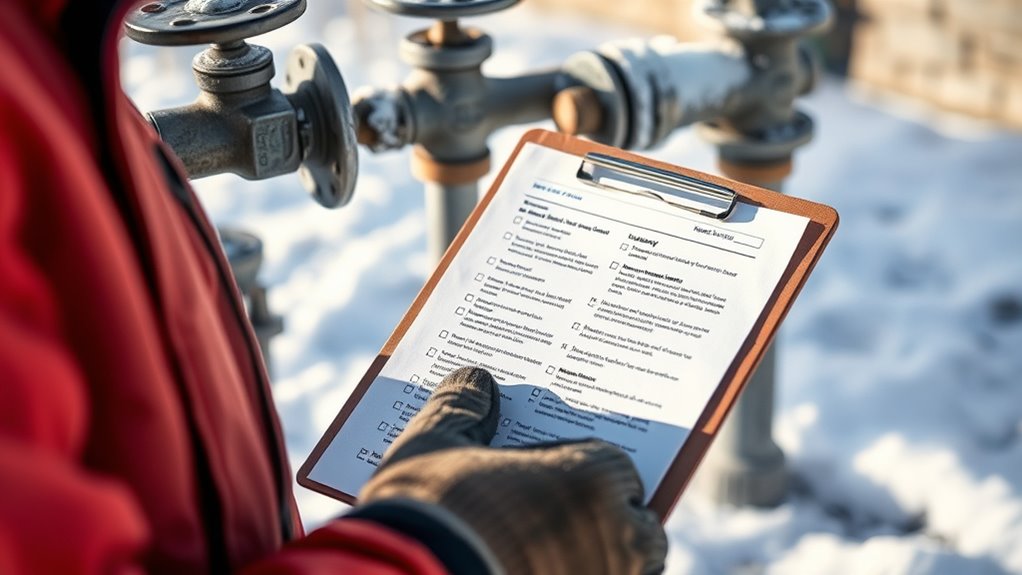
Identifying applicable codes and standards for your water system is a crucial step in guaranteeing your winterization efforts are both safe and compliant. These regulations guide proper water treatment and system maintenance, helping prevent issues like freezing, contamination, or damage. Review local, state, and industry standards to cover everything from pipe insulation to backflow prevention. Use the table below to understand key considerations:
| Water Treatment Standards | System Maintenance Requirements |
|---|---|
| Ensure disinfection protocols | Regular inspection schedules |
| Follow filtration regulations | Proper winter shutdown procedures |
Staying within these standards helps you avoid penalties and assures your water system remains reliable through winter’s challenges. Always verify which codes apply to your specific system for peace of mind. Incorporating anti-freeze measures can further protect your system from cold weather damage.
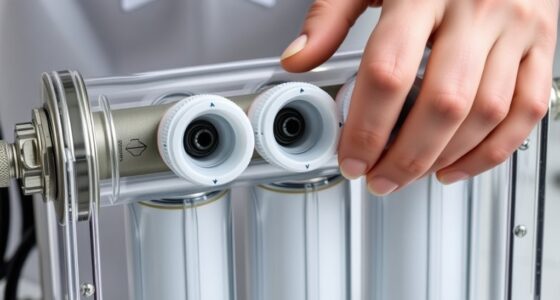
water system backflow prevention device
As an affiliate, we earn on qualifying purchases.
As an affiliate, we earn on qualifying purchases.
Assessing the Need for Professional Inspections and Certifications
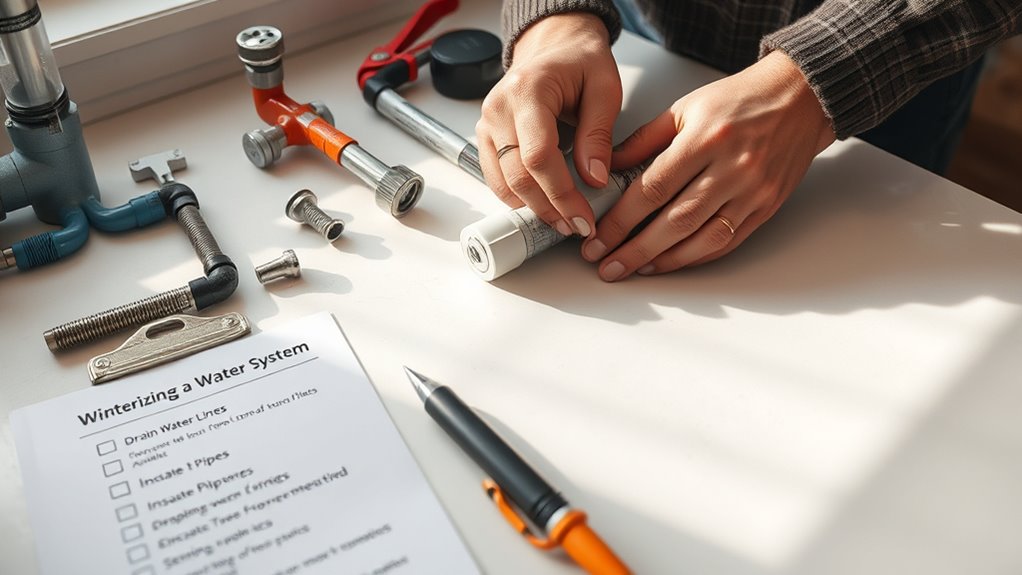
You should evaluate whether your water system meets inspection standards and certification requirements before winter. Confirm if a licensed professional is needed to perform these checks to guarantee everything is up to code. Taking these steps now can prevent costly issues later and ensure your system is winter-ready. Being aware of regulatory frameworks can help you understand the evolving standards and compliance requirements for water systems.
Inspection Standards Compliance
Ensuring your water system meets inspection standards is essential to prevent costly issues during winter. Proper system maintenance helps identify potential problems early, reducing the risk of service interruptions or damage caused by freezing temperatures. Regular inspections ensure your system complies with local codes and safety requirements, supporting emergency preparedness. If you’re unsure about your system’s compliance, professional inspections can provide peace of mind and expert guidance. These evaluations highlight needed repairs and upgrades, ensuring your water system functions efficiently and safely through the cold months. Skipping inspections may lead to overlooked issues that worsen over time, risking costly repairs or health hazards. Prioritizing inspection standards compliance now keeps your water system resilient, safe, and ready to withstand winter’s challenges. Incorporating Glycolic Acid benefits in your skincare routine can help maintain healthy skin, especially during seasonal changes.
Certification Requirements Verification
Verifying certification requirements is a crucial step to guarantee your water system meets all necessary standards and regulations. Ensuring proper inspections and certifications can prevent costly issues related to system pressure or insulation materials during winter. You should check if your system needs professional inspection to verify compliance with local codes. Additionally, confirm that any insulation materials used are approved and correctly installed to withstand cold temperatures. Considering projector image quality factors such as proper calibration and material selection can ensure optimal performance and safety during winterization.
Licensed Professional Necessity
Evaluating whether a licensed professional is necessary for your water system’s winterization can save you time and prevent costly mistakes. While DIY considerations might seem appealing, complex systems or strict code requirements often demand professional inspections and certifications. A licensed expert ensures compliance with local regulations, reducing the risk of penalties or system failures. Conducting a thorough cost analysis helps determine if hiring a pro is worthwhile, especially when factoring in potential repair costs from improper winterization. If your system involves intricate plumbing or recent upgrades, engaging a licensed professional can provide peace of mind and ensure proper winterizing procedures. Understanding the education requirements for certain certifications can further inform your decision-making process. Ultimately, appraising the complexity of your water system and balancing DIY efforts against professional costs will guide you toward the best decision for a safe, compliant winterization process.
water system disinfection supplies
As an affiliate, we earn on qualifying purchases.
As an affiliate, we earn on qualifying purchases.
Complying With Plumbing and Electrical Safety Codes
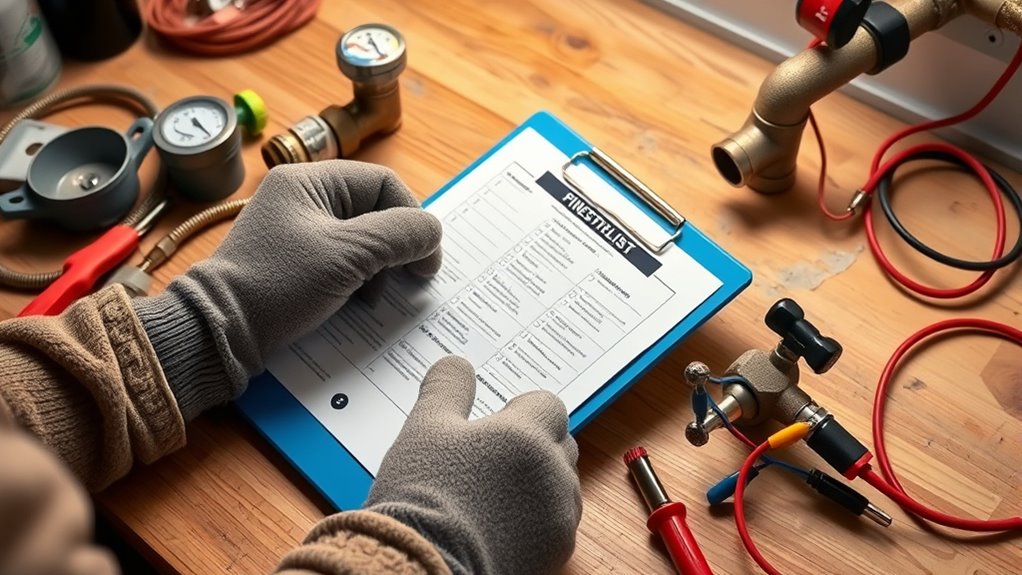
To properly winterize your water system, you must guarantee that all plumbing and electrical components meet local safety codes. Ensuring compliance helps prevent accidents and system failures during cold months. Check that your pipe insulation is adequate to prevent freezing and bursting. Make sure valves are easily accessible so you can shut off water quickly if needed. Verify that electrical wiring and outlets are properly grounded and protected from moisture to avoid hazards. Regularly inspect your system for code violations or outdated components. Remember, adhering to safety codes isn’t just about legality—it’s about safety and peace of mind. Proper system maintenance is also essential to identify potential issues before they become major problems.
Documenting Your Winterization Procedures and Compliance Measures
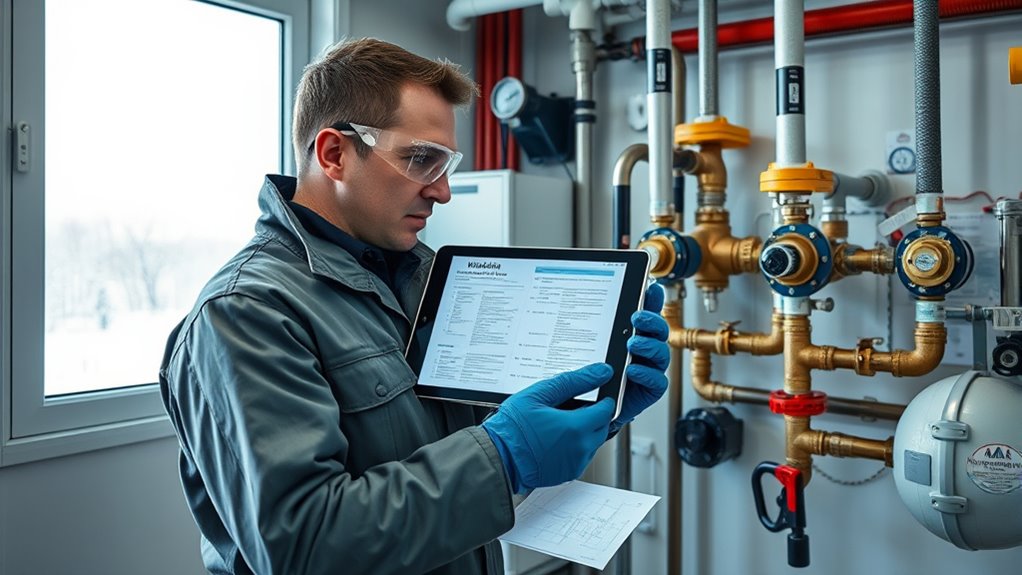
Keeping detailed records of your winterization procedures and compliance measures guarantees you can demonstrate that your water system meets safety standards and is properly prepared for cold weather. Implement clear recordkeeping protocols to track each step of your process, including inspections, repairs, and system shutdowns. Digital documentation is highly recommended, as it allows easy storage, retrieval, and sharing of records. Use spreadsheets, digital forms, or specialized software to maintain accurate logs, photos, and reports. This documentation not only provides proof of compliance but also helps identify potential issues and streamline future winterization efforts. Consistent, organized recordkeeping ensures you’re prepared for inspections, audits, or disputes, giving you confidence that your water system is winter-ready and compliant. Incorporating organized recordkeeping practices can also facilitate ongoing system assessments and improvements.
Handling Permits and Notifications Before Starting Work
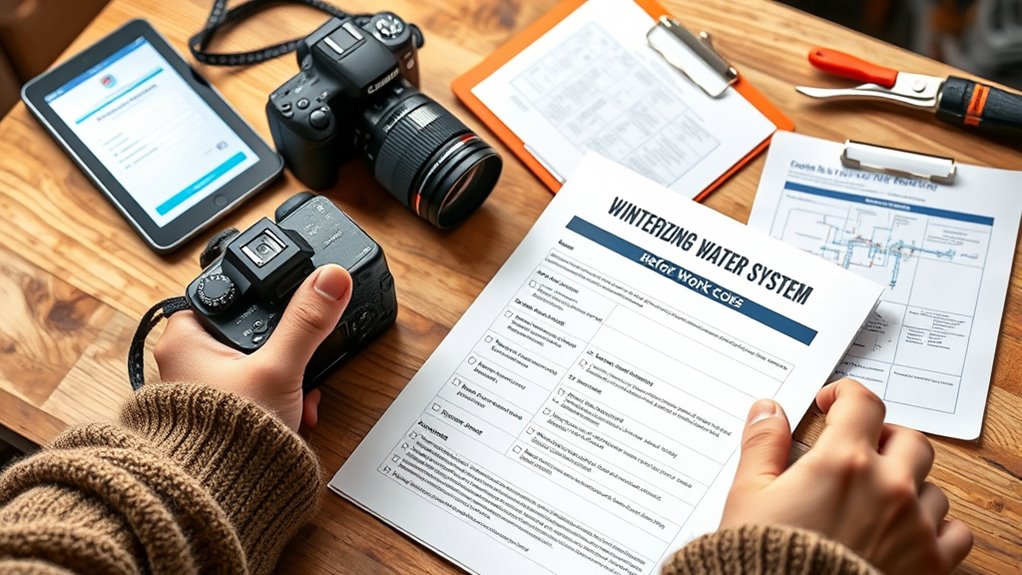
Before starting any winterization work on your water system, it’s essential to handle all necessary permits and notifications. This ensures compliance with local regulations and avoids potential fines. Familiarize yourself with the permit process, which may involve submitting applications and waiting for approval before work begins. Additionally, follow notification procedures to inform relevant authorities or stakeholders about your plans. Proper communication helps prevent misunderstandings and ensures everyone’s on the same page. Here are some key steps:
- Check local regulations to determine if permits are required for winterizing activities
- Submit permit applications early to avoid delays
- Notify utility companies or municipal agencies as mandated by the notification procedures
- Understand the importance of permit approval to ensure your project remains compliant and to avoid potential legal issues
Staying proactive with permits and notifications keeps your project compliant and on schedule.
Staying Updated on Code Changes and Industry Best Practices
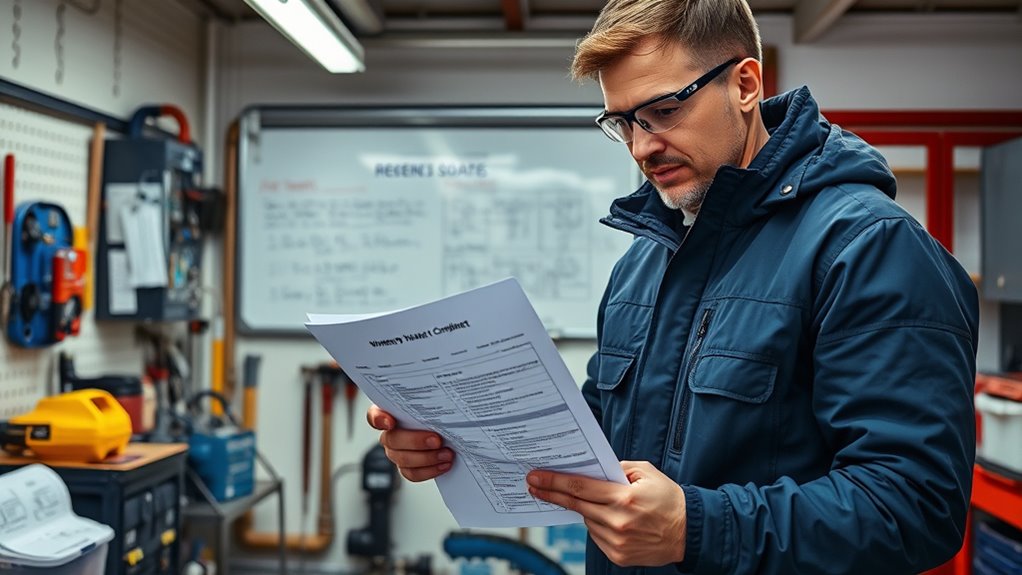
Staying informed about code changes and industry best practices guarantees your winterization efforts remain compliant and effective. Regularly updating documentation guarantees you have the latest procedures and standards at your fingertips. Make it a priority to review industry updates from relevant authorities and incorporate these changes into your protocols. Training staff on new requirements and best practices helps maintain a knowledgeable team capable of addressing compliance challenges confidently. Subscribe to industry newsletters, attend workshops, and participate in training sessions to stay current. By actively keeping your documentation up-to-date and investing in ongoing staff education, you ensure your water system winterization process adheres to all regulations and incorporates the latest techniques for efficiency and safety. Additionally, understanding cookie management and privacy policies can support your compliance efforts by safeguarding user information and maintaining transparency.
Frequently Asked Questions
How Do I Verify My Water System Complies With Local Codes?
You verify your water system complies with local codes by conducting thorough inspections following established protocols, ensuring all components meet safety standards. Regularly review code update procedures to stay current with recent changes. Consult with local authorities or certified inspectors who can assess your system’s compliance, provide necessary documentation, and recommend improvements. Staying proactive helps prevent violations, protects your property, and guarantees your system adheres to all relevant regulations.
What Are Common Penalties for Non-Compliance in Winterizing Water Systems?
Imagine a snow-covered yard, warning you of overlooked winterizing tasks. Penalty fines and compliance violations come with similar visuals—costly fines and potential legal issues if you neglect proper winterization. Common penalties include hefty fines and mandatory repairs, which can disrupt your budget and operations. To avoid this, verify your water system meets all local codes, stay compliant, and prevent those costly penalties from snowballing into bigger problems.
Can I Winterize My Water System Without Permits?
You typically need permits to winterize your water system, as permit requirements vary by location. Skipping permits can lead to fines or failed inspections. You should check local regulations beforehand. Inspection procedures guarantee your system is properly winterized and compliant with codes. Failing to obtain the necessary permits may cause issues during inspections, so always verify permit requirements and follow inspection procedures to stay compliant and avoid penalties.
How Often Do Water System Codes Typically Change?
Sure, because water system codes love to keep you guessing, they typically change every few years—sometimes more, sometimes less. You should stay alert for code updates and compliance frequency, which can vary by location. It’s like waiting for the next season of your favorite show—except this one involves permits, inspections, and possibly a surprise or two. Keep checking in to avoid the plot twists that come with outdated regulations.
Are There Specific Safety Standards for Using Winterization Chemicals?
Yes, there are specific safety standards for using winterization chemicals. You must follow regulations that guarantee proper handling, storage, and disposal, and always check the chemical labeling for hazard warnings. Using chemicals according to safety standards helps prevent accidents and health risks. Make sure you read labels carefully, wear protective gear, and adhere to local codes to stay compliant and keep yourself safe during winterization.
Conclusion
By following this checklist, you’ll guarantee your water system winterization is as smooth as a well-oiled machine. Staying compliant isn’t just about ticking boxes; it’s about protecting your property and peace of mind. Think of it like preparing your car for winter — the more thorough you are, the fewer surprises you’ll face. Keep up with regulations and document everything, so you’re confidently ready for whatever the season throws your way.
Fall yard work Picks
leaf blowers
As an affiliate, we earn on qualifying purchases.