
To mount heavy housings safely, start by selecting strong, durable materials like steel or heavy-duty aluminum. Guarantee your mounting surface is solid, even, and free of debris, with structural supports if needed. Use proper planning—measure carefully, drill pilot holes, and employ high-quality anchors rated for heavy loads. Distribute weight evenly with multiple fasteners and reinforce where necessary. Regularly check and tighten fasteners, maintaining your setup’s stability. Continue further to learn essential tips for long-lasting safety and prevention of cracks and sagging.
Key Takeaways
- Use high-strength, durable materials like steel or heavy-duty aluminum for mounting supports.
- Ensure mounting surfaces are solid, level, and free of debris to prevent instability.
- Distribute weight evenly with multiple fasteners and appropriate anchors rated for heavy loads.
- Incorporate reinforcement brackets or bars to enhance load distribution and reduce stress points.
- Conduct regular post-installation checks and tighten fasteners to maintain stability and prevent sagging.
Mounting heavy housings can be a challenging task, but with proper techniques and equipment, you can guarantee a secure and stable installation. One of the most important factors to consider is material selection. You want to choose materials that are strong enough to support the weight without cracking or deforming over time. Steel or heavy-duty aluminum are often ideal choices because of their durability and load-bearing capacity. Additionally, ensure that the mounting surfaces are solid and free of debris, as uneven or weak surfaces can compromise stability and cause cracks or sagging.
Choose durable materials like steel or heavy-duty aluminum for secure, long-lasting heavy housing mounts.
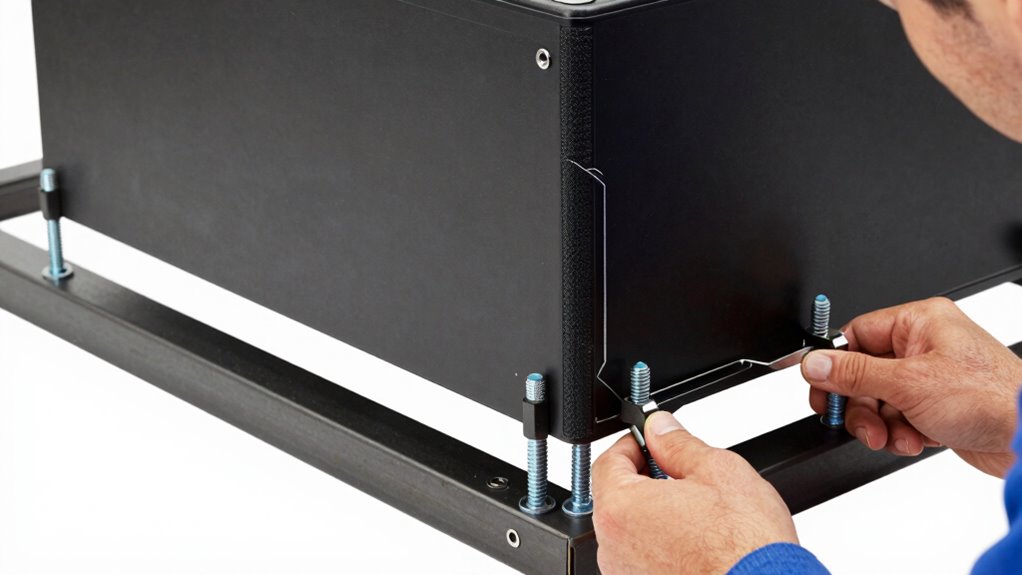
When it comes to mounting techniques, precision and planning are essential. First, determine the correct placement of the housing, making sure it aligns with structural supports or framing. Use a level to ensure even positioning, which helps distribute weight evenly and prevents undue stress on any single point. Before attaching the housing, drill pilot holes into the mounting surface, especially if you’re working with harder materials like concrete or thick wood. Pilot holes make it easier to insert fasteners and reduce the risk of cracking the material. For added stability, opt for high-quality anchors or bolts rated for heavy loads, rather than relying solely on screws or nails. These provide a stronger hold and minimize movement over time.
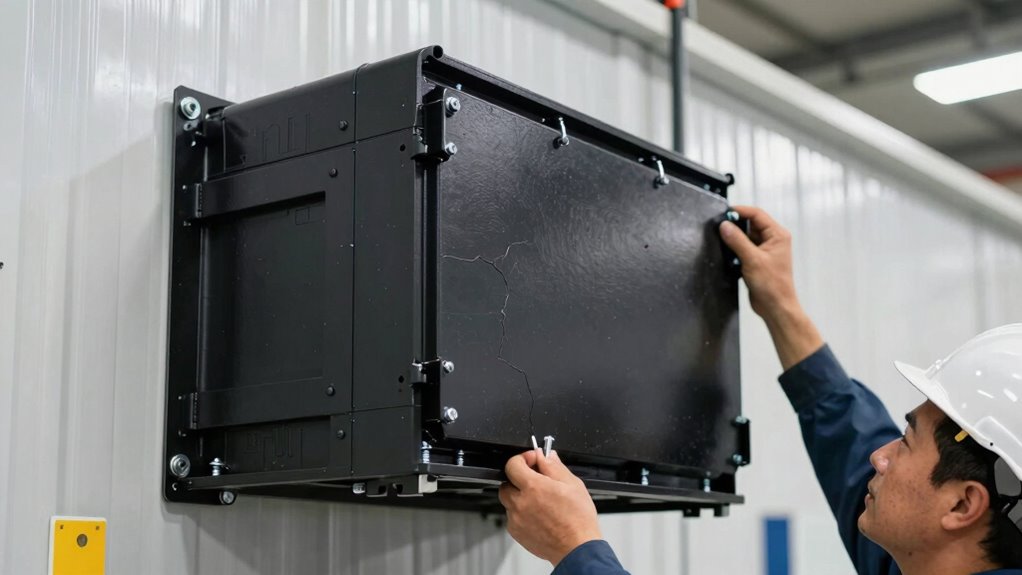
When mounting the housing, follow recommended techniques that maximize support. For example, distribute the weight by using multiple fasteners spaced evenly around the housing’s perimeter. This prevents concentrated stress points that could lead to cracking or sagging. If mounting onto a ceiling or a vertical surface, consider using mounting brackets or reinforcement bars to help bear the load. These accessories not only improve stability but also help prevent deformation of the housing over time. Incorporating proper load distribution methods further enhances the longevity and safety of your installation.
Furthermore, it’s important to double-check your work after installation. Make sure all fasteners are tight and secure, and gently test the housing for movement. If you notice any wobbling or unevenness, adjust the fasteners accordingly. Regular inspections after installation can catch early signs of stress or fatigue, allowing you to re-secure or reinforce the mount as needed. By combining careful material selection with proven mounting techniques, you guarantee that your heavy housings remain crack-free and sag-resistant, providing a long-lasting, safe installation that withstands the test of time.
Frequently Asked Questions
What Tools Are Best for Mounting Heavy Housings Securely?
For mounting heavy housings securely, you should select the right tools like high-quality drills, impact drivers, and heavy-duty anchors. Using the correct mounting techniques, such as proper weight distribution and anchoring into studs or solid surfaces, is essential. make certain you have a level and measuring tape to maintain alignment. These tools and techniques help prevent cracks and sagging, ensuring a safe, durable installation that holds the weight effectively.
How Do Environmental Conditions Affect Housing Mounting Stability?
Think of your housing like a boat in changing weather; climate impact can cause materials to expand or contract, affecting stability. High humidity accelerates corrosion risks, weakening mounting points over time. Sudden temperature shifts can lead to cracks or sagging if not properly accounted for. To guarantee safety, select weather-resistant hardware, seal joints, and regularly inspect your installation, especially in harsh environments where environmental conditions challenge mounting integrity.
Can Lightweight Materials Be Used to Reduce Weight Without Compromising Safety?
Yes, you can use lightweight composites to reduce weight without jeopardizing safety standards. These advanced materials offer high strength and durability, making them ideal for mounting heavy housings safely. By selecting the right lightweight composites, you ensure the housing remains stable and resistant to cracks or sagging under environmental stresses. Always verify that your chosen materials meet the necessary safety standards to maintain structural integrity and safety during installation and operation.
How Often Should Mounted Housings Be Inspected for Damage?
Imagine your mounted housing as a silent guardian, standing firm over time. You should inspect it regularly—at least once every three to six months—to catch damage early. An inspection schedule helps guarantee damage detection before cracks or sagging develop. Keep an eye out for signs of wear, loose fittings, or stress marks. Staying proactive preserves safety, prevents costly repairs, and keeps your equipment operating smoothly and confidently.
What Are the Common Mistakes to Avoid During Mounting?
You should avoid common mistakes during mounting by using proper mounting techniques and following safety precautions. Don’t rush the process or skip reading the manufacturer’s instructions, as improper technique can cause cracks or sagging. Verify all supports and fasteners are secure, and check that the surface can handle the weight. Always wear safety gear and double-check your work to prevent accidents and ensure a safe, stable mount.
Conclusion
Now that you know how to mount heavy housings securely, imagine the moment when everything is in place—no cracks, no sagging, just a perfect, stable installation. But remember, even the smallest oversight can lead to unexpected failures. Will your next step guarantee lasting support or leave you vulnerable? Stay vigilant, follow the tips, and keep an eye on every detail. The safety of your project depends on it—are you ready to hold it all together?