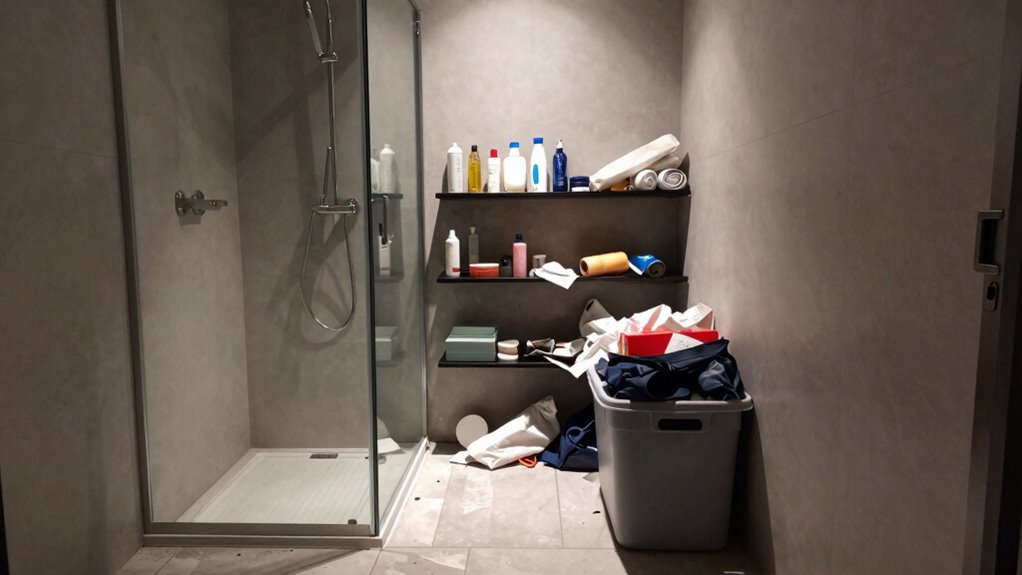

If you neglect proper space planning, your water room can quickly turn into a design failure. Without careful measurements and visualization, water features may become overwhelming or cluttered, disrupting the room’s flow and functionality. Poor planning can block access, hinder maintenance, and create chaos instead of serenity. When space isn’t thoughtfully considered, features dominate small areas or interfere with movement. Keep exploring, and you’ll discover how to avoid these common pitfalls for a successful design.

Get home appliances delivered free — and shop member deals
- Fast, free delivery on millions of items
- Access to Prime Big Deal Days deals on October 6–7
- Prime Video, Amazon Music and more included
Key Takeaways
- Inadequate space planning causes water features to dominate small rooms, creating clutter and disrupting visual harmony.
- Misjudging space leads to obstructed movement and difficulty maintaining water features comfortably.
- Poor measurements and lack of visualization result in installation conflicts and functional inefficiencies.
- Overlooking clearance and access needs hampers maintenance and safety, causing long-term issues.
- Failing to balance aesthetics with practicality reduces the calming effect and usability of water rooms.
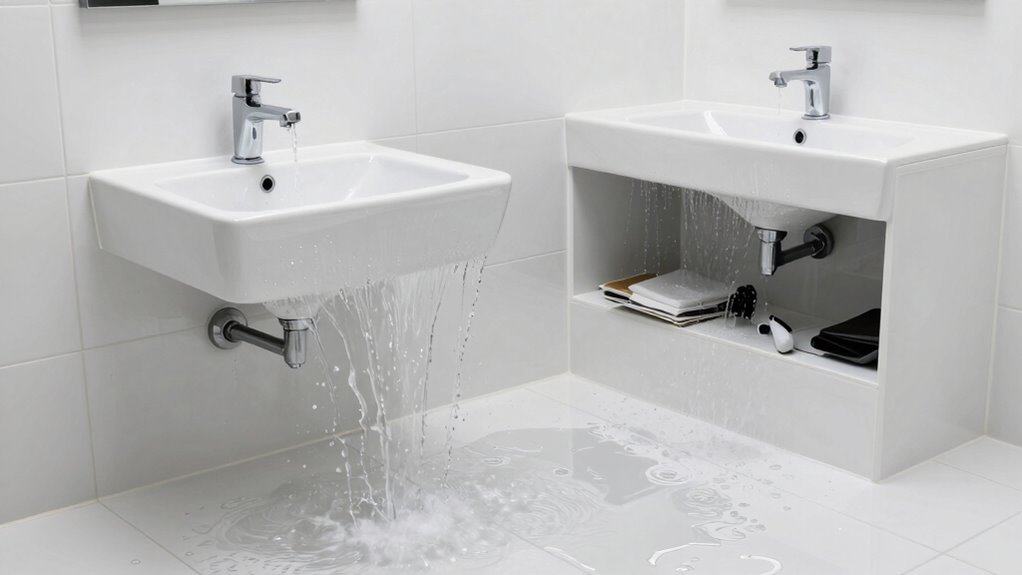
Water rooms often seem like a practical must-have in modern homes, but poor space planning can turn them into major design failures. When you add water features such as fountains, ponds, or decorative waterfalls into a bathroom or spa area without proper planning, it can backfire quickly. These features are visually appealing and create a calming atmosphere, but if you don’t deem essential the space they require, they can become more of a hindrance than an enhancement. The key issue here is spatial miscalculations. If the room isn’t designed with enough room for these features, they dominate the space, making it feel cramped or cluttered instead of serene.
When you overlook the importance of precise measurements, water features can overwhelm the available space. For example, a small bathroom with a large, elaborate fountain can make movement difficult and disrupt the flow of the room. This is especially true if you neglect to account for the necessary clearance around water features for maintenance or safety. Without clear boundaries, water rooms can feel cluttered, and the visual chaos can undermine the relaxing purpose they’re meant to serve. It’s essential to take into account the size of each element relative to the entire space, and to visualize how everything will fit together, rather than just adding features because they look good in concept.
Poor space planning also impacts functionality. You might be tempted to install a large water feature to impress guests, but if it’s not integrated properly, it can hinder access to other parts of the room. For instance, if you place a water feature without leaving enough space for door clearance or movement, you’ll end up with a room that’s difficult to navigate. Additionally, neglecting to plan for plumbing and drainage can lead to costly adjustments later, further disrupting the space and increasing expenses. When you don’t think through these details at the design stage, the water feature becomes more of a problem than a focal point. Proper space planning ensures that aesthetic and practical needs are balanced from the outset, preventing costly corrections later. Recognizing the importance of spatial awareness can help avoid these common pitfalls and create a harmonious environment. Moreover, understanding design principles can significantly improve the overall functionality of the space.
A lack of visualization during the planning process can lead to unforeseen issues once the features are installed, emphasizing the need for careful foresight. Ultimately, the success of a water room hinges on accurate spatial planning. You need to balance aesthetic appeal with practical considerations, ensuring that water features enhance rather than hinder the space. Avoiding spatial miscalculations is vital—measure carefully, visualize the flow, and leave enough room for movement and maintenance. When you do this, your water room can become a tranquil retreat that complements your home’s overall design, rather than a failed attempt at luxury that leaves you frustrated and cramped. Proper planning transforms water rooms into calming, functional spaces that you can enjoy for years to come.
water feature space planning guide
As an affiliate, we earn on qualifying purchases.
As an affiliate, we earn on qualifying purchases.
Frequently Asked Questions
How Can I Prevent Water Damage During Space Planning?
To prevent water damage during space planning, you should prioritize waterproofing techniques and flood prevention measures. Make sure all walls, floors, and fixtures have proper seals, and consider installing waterproof membranes in vulnerable areas. Incorporate drainage systems and sump pumps where needed, and plan for easy access to plumbing for maintenance. These steps help minimize risk, protect your space, and avoid costly water damage caused by poor planning.
What Are the Key Safety Considerations for Water Rooms?
You should prioritize safety by installing reliable waterproofing techniques to prevent leaks and water damage. Guarantee easy access to emergency shutoffs so you can quickly stop water flow in emergencies. Regularly inspect plumbing and seals to catch issues early. Properly planning space allows for these safety measures, reducing risks. Keep safety protocols visible and up-to-date, so you’re prepared to handle any water-related emergencies effectively.
How Does Ventilation Impact Water Room Functionality?
Ventilation directly impacts water room functionality by ensuring proper air circulation and humidity control. When you maintain good airflow, it prevents excess moisture buildup, reducing mold and corrosion risks. Effective ventilation also helps disperse harmful fumes from chemicals or equipment, keeping the environment safe. You should regularly inspect and enhance your ventilation system to maintain ideal humidity levels, supporting the water room’s safety, efficiency, and longevity.
What Are Common Materials That Resist Water Damage?
Ever wondered what keeps water damage at bay? You should look for materials like mold-resistant drywall and waterproof coatings, which are specifically designed for water-prone areas. These materials resist mold and moisture, ensuring longevity and safety. Using durable, water-resistant materials in your water room not only prevents costly repairs but also maintains a healthy environment. Prioritizing these options makes your space more resilient and easier to maintain over time.
How Do I Maintain Water Rooms to Prevent Failure?
To maintain water rooms and prevent failure, you should regularly inspect and clean waterproof flooring to avoid mold or damage. Keep humidity levels under control with dehumidifiers or ventilation systems, reducing moisture buildup. Additionally, check for leaks or cracks and repair them promptly. Proper maintenance guarantees the integrity of waterproof flooring and consistent humidity control, helping your water room stay functional and safe over time.
As an affiliate, we earn on qualifying purchases.
Conclusion
When water rooms aren’t thoughtfully planned, chaos is bound to follow. You might wonder, why do these spaces often become problematic? It’s because poor space planning overlooks essential details like flow, storage, and safety. To avoid these pitfalls, always visualize how you’ll use the space and prioritize organization. After all, isn’t a well-designed water room supposed to make life easier, not more stressful? Proper planning guarantees your water room functions seamlessly and saves you headaches later.
bathroom water feature clearance
As an affiliate, we earn on qualifying purchases.
As an affiliate, we earn on qualifying purchases.
As an affiliate, we earn on qualifying purchases.
NFL season / tailgating Picks
team gear
As an affiliate, we earn on qualifying purchases.