
TL;DR

Get home appliances delivered free — and shop member deals
- Fast, free delivery on millions of items
- Access to Prime Big Deal Days deals on October 6–7
- Prime Video, Amazon Music and more included
Search interest in cloud-inspired furniture is spiking, signaling a trend toward soft, organic architecture in interior design. The trend’s origin and future remain unconfirmed.
Interest in furniture that mimics the appearance of clouds has surged online, with search queries and coverage increasing sharply over the past few weeks. This trend reflects a broader movement toward ‘soft architecture’ and organic design elements in interior spaces, though its origins and long-term viability remain unconfirmed.
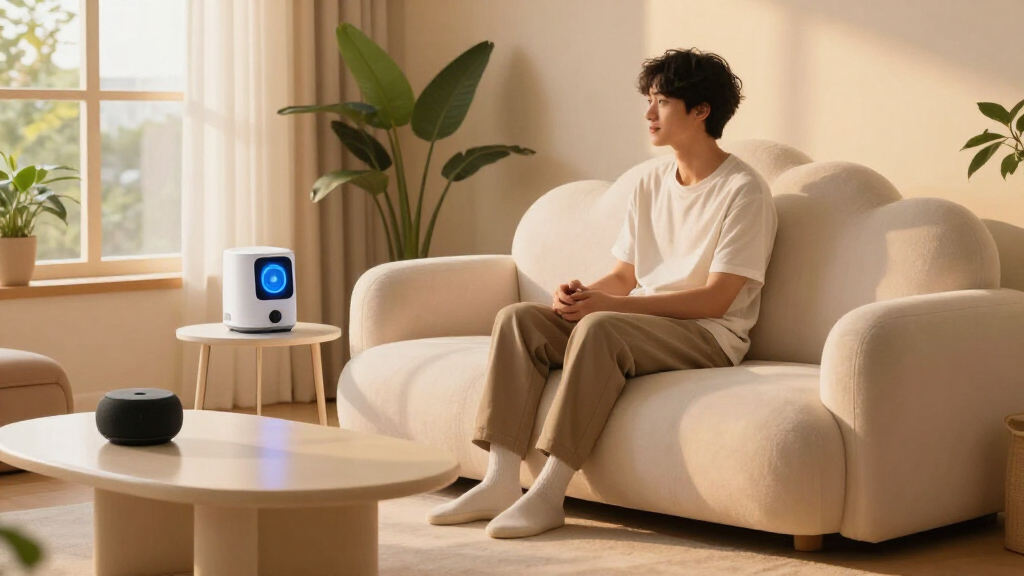
According to recent trend signals, there has been a notable spike in online searches and coverage related to cloud-shaped furniture, including sofas, chairs, and even bathroom fixtures. This surge suggests a growing consumer and designer interest in soft, organic forms that evoke comfort and dream-like aesthetics. The trend appears to be part of a larger shift toward ‘soft architecture,’ where traditional rigid structures are replaced or complemented by more fluid, plush, and inviting forms.
While specific products and designers have yet to be formally associated with this movement, the visual appeal of cloud-inspired furniture is capturing attention across social media platforms and design publications. Some sources suggest that the trend may be driven by a desire for more comforting, playful, and imaginative interior environments, especially in post-pandemic contexts where comfort has become a priority. However, it is important to note that the trend’s exact origins and the extent of its adoption are still unconfirmed, with much of the current buzz based on trend signals rather than official launches or statements.
Implications of Cloud-Shaped Furniture in Interior Design
The rising interest in cloud-inspired furniture indicates a potential shift in interior design toward softer, more organic forms that prioritize comfort and visual whimsy. This trend could influence future product development, interior styling, and even architectural approaches, encouraging a move away from rigid, traditional shapes toward more playful and inviting environments. For consumers, it offers an opportunity to create spaces that feel more like retreats or dream worlds, aligning with broader lifestyle and wellness trends. However, since the trend is still emerging and unconfirmed by major brands or designers, its long-term impact remains uncertain.
As an affiliate, we earn on qualifying purchases.
Growing Popularity of Soft and Organic Design Elements
The concept of integrating soft, organic shapes into architecture and furniture has been gaining momentum for several years, driven by a desire for more comforting and personalized spaces. The current spike in interest around cloud-shaped furniture appears to be a specific manifestation of this broader movement. Historically, interior design has oscillated between rigid, geometric forms and more fluid, plush aesthetics, with recent years favoring the latter, especially in residential and hospitality settings. The recent trend signals that this shift may be gaining further traction, though it is still in the early stages of mainstream adoption and largely driven by online interest and social media buzz.
As an affiliate, we earn on qualifying purchases.
Unconfirmed Origins and Future of Cloud-Inspired Furniture
Details about the origins of this trend are still unclear, with no confirmed product launches or official endorsements from major brands or designers. It remains uncertain whether this is a short-term viral moment or the beginning of a sustained shift in interior architecture. Additionally, the durability, practicality, and market availability of cloud-shaped furniture are still unverified, and it is not yet clear how mainstream this aesthetic will become.
As an affiliate, we earn on qualifying purchases.
Monitoring Industry Adoption and Consumer Response
Industry observers should watch for official collections from major furniture brands or designers. Social media and online searches will continue to indicate the trend’s momentum. Upcoming design events and product launches may reveal whether cloud-shaped furniture transitions from a visual trend to a commercial product segment. Analysts will also track whether this aesthetic influences broader architectural design or remains a niche interest.
As an affiliate, we earn on qualifying purchases.
Key Questions
Is cloud-inspired furniture already available on the market?
As of now, there are no widely confirmed product lines specifically marketed as cloud-shaped furniture. The trend appears to be driven by online interest and conceptual designs, but mainstream availability remains unverified.
What materials are used for cloud-like furniture?
Current conceptual designs often utilize plush fabrics, foam padding, and lightweight frames to achieve the soft, cloud-like appearance. However, specific materials for commercially available products are not yet confirmed.
Why are designers interested in cloud-inspired shapes?
Designers see cloud-inspired shapes as a way to create inviting, playful, and comforting interiors that break away from traditional rigid forms, aligning with current trends favoring wellness and relaxation.
Could this trend influence architectural design?
Potentially, yes. If interest continues to grow, architects might incorporate softer, organic forms into building facades and interior layouts, emphasizing comfort and fluidity over rigidity.
Source: rss
Fall yard work Picks
leaf blowers
As an affiliate, we earn on qualifying purchases.