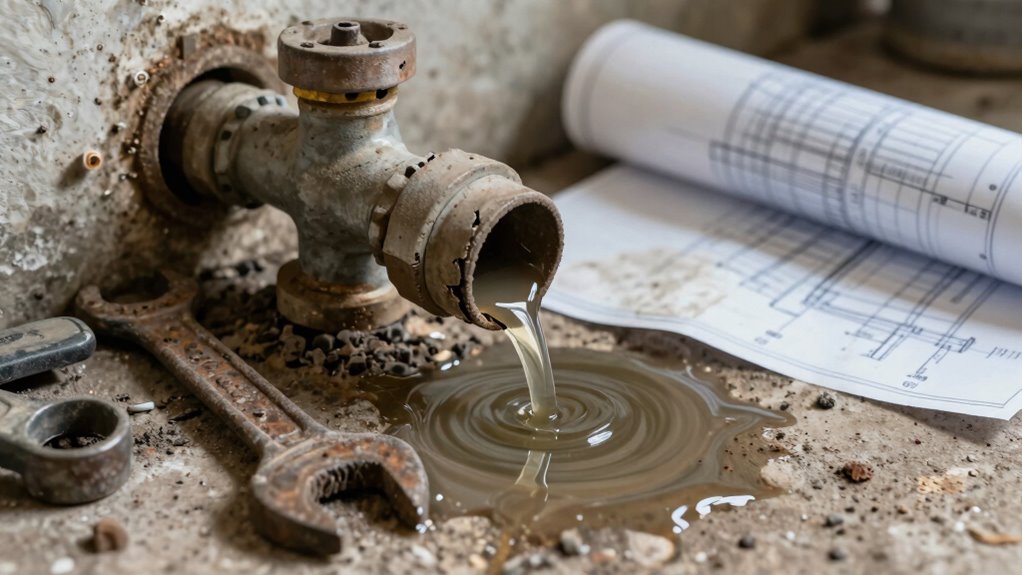

To avoid solving the wrong water problem, start with thorough testing and evaluation before jumping into repairs. Don’t focus solely on visible issues like discoloration or smell, as these may hide underlying causes. Instead, identify the real source of contamination or system failure through proper diagnostics. Addressing root causes now saves time and money later, and understanding the full picture is vital—continue along this path, and you’ll discover how to guarantee long-term water safety and quality.
Open a free Amazon Business account
Business pricing, bulk buying and tax-exempt orders.
As an affiliate, we earn on qualifying purchases.
Key Takeaways
- Conduct thorough water testing to accurately identify contaminants before attempting repairs.
- Assess the entire water system to locate underlying issues rather than just visible symptoms.
- Avoid rushing to fix apparent problems; prioritize comprehensive diagnostics first.
- Regularly maintain infrastructure to prevent small issues from escalating into major water quality problems.
- Focus on root causes through systematic evaluation instead of quick, superficial fixes.

When faced with multiple water issues, it’s tempting to tackle the most urgent or visible problem first. Maybe you notice a foul smell, discoloration, or a sudden drop in water pressure. These signs can make you believe that fixing the most apparent issue will solve your water concerns. But rushing into repairs without proper assessment might lead you to address the wrong problem altogether. Before jumping into action, it’s crucial to understand the root causes behind water contamination and the state of your infrastructure maintenance. If you don’t identify the underlying issues, you risk wasting resources on temporary fixes that won’t prevent future problems.
Water contamination often appears as the most alarming issue, prompting immediate concern. However, contamination can stem from various sources, including aging pipes, improper sanitation, or external pollutants infiltrating your water supply. Without testing and diagnostics, you might assume the contamination is due to a visible problem, like a pipe leak, when in reality, the source could be deeper within your water system. Misdiagnosing the problem can lead you to replace fixtures or install filters unnecessarily, while the actual cause remains unaddressed. It’s vital to conduct comprehensive water testing, identify the specific contaminants, and understand their sources before attempting any fix. This way, you avoid the trap of solving superficial issues that don’t resolve the core problem.
Similarly, infrastructure maintenance plays a significant role in preventing water problems. If your pipes and water delivery systems aren’t regularly maintained, small issues can escalate into major crises. Neglecting routine inspections, cleaning, and repairs can cause leaks, pipe corrosion, or blockages that compromise water quality and flow. Often, these issues aren’t immediately visible but gradually worsen over time. Jumping to fix visible symptoms without considering infrastructure maintenance can lead to ineffective or short-term solutions. Instead, you should prioritize a systematic assessment of your water infrastructure, looking for signs of deterioration, corrosion, or faulty components. Regular inspection and maintenance can help you catch issues early and avoid costly repairs later on. Well-maintained infrastructure reduces the likelihood of water contamination and ensures your water system functions reliably. Recognizing the importance of preventive maintenance can help you avoid more costly repairs in the future.
In essence, avoiding the mistake of solving the wrong water problem first requires patience and proper diagnostics. Don’t be swayed by the most apparent signs or the loudest alarms. Instead, focus on understanding what’s really happening beneath the surface—testing for water contamination and evaluating your infrastructure maintenance practices. By doing so, you’ll ensure that your efforts target the root causes, saving you time, money, and future headaches. Remember, effective water management isn’t just about quick fixes; it’s about addressing the fundamental issues that keep your water safe and reliable in the long run.
As an affiliate, we earn on qualifying purchases.
Frequently Asked Questions
How Do I Identify the True Cause of My Water Issue?
You identify the true cause of your water issue by first testing water quality to detect contaminants or problems. Then, review your system maintenance records to spot potential faults or neglect. Check for common issues like clogged filters or corrosion. By combining water testing results with an inspection of your system maintenance history, you’ll pinpoint whether the problem stems from water quality or system-related factors, ensuring you address the root cause.
What Are Common Signs of Solving the Wrong Water Problem?
You’ll notice signs like ongoing water waste despite conservation efforts, or recurring plumbing issues even after maintenance. If your water bills stay high or you keep fixing the same problems, it indicates you’re solving the wrong water issue. This can hinder water conservation goals and lead to costly plumbing repairs. Recognizing these signs helps you reassess your approach, ensuring you target the root cause rather than just temporary fixes or surface problems.
How Can I Prioritize Water Problems Effectively?
To prioritize water problems effectively, focus on issues with the greatest impact, like water conservation and pollution prevention. Start by evaluating which problems threaten health, ecosystems, or economic stability. Use data to identify areas where solutions will yield the most significant benefits quickly. Address urgent concerns first, ensuring efforts target problems that improve water quality and reduce waste, ultimately creating sustainable, long-term solutions that benefit everyone.
What Tools or Tests Help Diagnose Water Issues Accurately?
Think of diagnosing water issues as shining a flashlight in a dark room—you need the right tools to see clearly. Water testing kits help analyze water quality, revealing contaminants or imbalances, while leak detection tools identify hidden leaks that could be draining resources unnoticed. Using these tools together, you can pinpoint the true problem, ensuring you address the root cause rather than just the symptoms.
Who Should I Consult for Expert Water Problem Assessment?
You should consult a licensed plumber or water conservation specialist for an expert water problem assessment. They can evaluate your plumbing maintenance needs and identify issues that waste water or cause inefficiency. These professionals can recommend solutions that improve water conservation and fix underlying problems, ensuring you avoid wasting resources. Regular inspections by experts help you address potential issues early, saving you money and preventing larger water damage or system failures.
whole house water filtration system
As an affiliate, we earn on qualifying purchases.
As an affiliate, we earn on qualifying purchases.
Conclusion
Remember, rushing to fix the loud faucet might make you miss the real issue lurking elsewhere. Take a step back, assess the entire water system, and identify the root cause before jumping to solutions. As the saying goes, “A stitch in time saves nine.” By focusing on the right problem first, you’ll save time, money, and frustration in the long run. Approach water issues thoughtfully, and you’ll find lasting solutions that truly work.
As an affiliate, we earn on qualifying purchases.
As an affiliate, we earn on qualifying purchases.
Flea & tick season Picks
flea and tick prevention
As an affiliate, we earn on qualifying purchases.