
Sulfur smells can come and go because they often come from temporary household sources like clogged drains, mold, or water-related issues that change with use or cleaning. External factors like wind, weather, or appliance malfunctions can also cause the odor to disperse or intensify. Proper ventilation helps clear the smell faster, making it seem intermittent. If these odors keep changing or persist, there might be a bigger issue at play; learn more to understand what could be causing these fluctuations.
Key Takeaways
- Sulfur odors often stem from household water issues or mold, which diminish when drains are cleaned or environments dry out.
- External sources like volcanic activity or decaying organic matter can cause temporary sulfur smells that fluctuate with weather.
- Cooking sulfur-rich foods releases gases that fade with ventilation, making odors appear and disappear.
- Improved airflow and ventilation disperse sulfur gases, causing odors to seem intermittent.
- Persistent odors may indicate plumbing or appliance problems, while temporary smells usually relate to natural activities.

If you’ve noticed a sulfur smell that appears and then disappears unexpectedly, you’re not alone. Many people experience this puzzling phenomenon, often wondering what causes those fleeting, rotten-egg odors. The truth is, sulfur smells can come and go because of various factors, many of which are linked to household odors or natural sources. Understanding these causes can help you identify whether the smell is something temporary or a sign of a bigger issue.
One common reason sulfur odors seem to vanish is that they’re caused by transient sources within your home. For example, household odors from plumbing, garbage disposals, or clogged drains can produce sulfur-like smells. These odors often appear when water flows through pipes, releasing sulfur compounds that linger temporarily. When the water stops flowing or the drain is cleaned, the smell might disappear. Similarly, mold or mildew in damp areas can emit sulfur-like odors, especially after humid weather or when ventilation is poor. Once the environment dries out or airflow improves, the smell may fade away, making it seem like it’s gone for good.
Natural sources also play a significant role in these fleeting odors. Certain household appliances, such as water heaters or gas stoves, can release sulfur compounds when they malfunction or are recently turned on. For instance, a water heater with a corroded anode rod might emit a sulfur smell during operation. Once the water heats up or the appliance cools down, the odor can diminish. Additionally, outdoor factors like nearby volcanoes, sulfur springs, or decaying organic matter can produce sulfur gases that drift into your home temporarily. Changes in wind direction or atmospheric conditions can bring these smells in, only for them to dissipate when the air shifts. Sometimes, ventilation systems or air circulation help clear out these odors more quickly, making them seem intermittent. Moreover, natural geological activity can also influence the presence of sulfur gases in the environment, leading to occasional smells that come and go. External environmental conditions, such as rainfall or drought, can also influence how often sulfur gases are released into the air.
Sometimes, your own activities can cause these odors to come and go. Cooking certain foods, like eggs or cabbage, releases sulfur compounds into the air. If you cook these foods and then ventilate your kitchen, the smell might be strong initially but fade quickly. Dust, pet odors, or even cleaning supplies can also temporarily create sulfur-like smells that disappear once the air clears or the scent particles settle. Additionally, household chemicals can sometimes react with air or other substances, producing sulfur-like odors that come and go depending on environmental factors. It’s also worth noting that air quality can influence how long these odors linger, as poor ventilation can trap sulfur compounds indoors longer than usual.

Bioda Professional Strength Enzyme Drain Cleaner, Septic Safe Drain Odor Eliminator, Smell Eliminator, 1 Gallon
END SLOW DRAINS: Stop clogs from ever building with a preventative probiotic and enzyme formula that digest organic…
As an affiliate, we earn on qualifying purchases.
As an affiliate, we earn on qualifying purchases.
Frequently Asked Questions
Can Sulfur Smells Indicate a Serious Health Issue?
Sulfur smells can sometimes indicate serious health implications, especially if the odor persists or is accompanied by symptoms like headaches, nausea, or respiratory issues. Odor detection helps you recognize potential dangers early. If you notice a strong, lingering sulfur smell, it’s best to consult a healthcare professional or inspect your environment for gas leaks or other hazards to guarantee your safety and address any underlying health concerns.
Are Sulfur Odors Common in Specific Environmental Conditions?
Think of sulfur odors like seasonal weather—more common in specific environments. You’ll notice the smell near natural gas leaks or volcanic vents, where sulfur compounds escape. For example, if you hike near volcanic areas, the scent can suddenly intensify. These odors are typical in places with natural gas or geothermal activity, but they usually fade away once you move to less active zones.
How Long Do Sulfur Smell Episodes Typically Last?
Sulfur smell episodes usually last from a few minutes to several hours, depending on the source and environmental conditions. Your odor detection might become stronger or fade over time, influenced by factors like air circulation or the release of sulfur compounds. If the smell persists longer than a day or intensifies, it’s wise to investigate potential causes, such as gas leaks or natural sources, to guarantee safety and resolve the issue promptly.
Can Household Appliances Cause Sulfur Odor Fluctuations?
Yes, household appliances can cause sulfur odor fluctuations. If appliances like your water heater, dishwasher, or garbage disposal aren’t properly maintained, they can become odor sources. Over time, mineral buildup or mold can produce sulfur-like smells. Regular appliance maintenance helps prevent these odor sources, ensuring that sulfur smells don’t come and go unpredictably. Keeping appliances clean and well-maintained is key to controlling sulfur odor fluctuations in your home.
Is There a Way to Permanently Eliminate Sulfur Smells?
To permanently eliminate sulfur smells, you can address the root cause, such as chemical reactions in your plumbing or appliances. Regularly clean and maintain these systems to prevent buildup. Odor masking only covers the smell temporarily, so focus on neutralizing it with activated charcoal or commercial odor removers. Ensuring proper ventilation also helps disperse sulfur odors. Consistent upkeep and using odor-neutralizing products offer a more lasting solution.
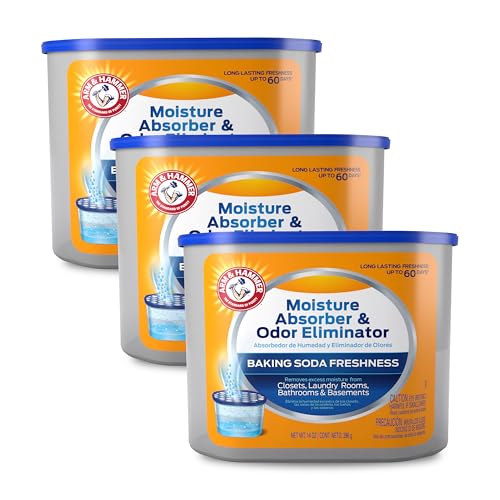
Arm & Hammer Fragrance Free Refillable Moisture Absorber and Odor Eliminator 14 oz. Tub
Arm & Hammer Refillable Moisture Absorber and Odor Eliminator attracts and traps excess moisture, eliminating musty odors.
As an affiliate, we earn on qualifying purchases.
As an affiliate, we earn on qualifying purchases.
Conclusion
So, next time you notice a sulfur smell that comes and goes, remember it’s often linked to natural processes like plumbing or nearby sulfur springs. Think of it like a flickering light—sometimes it’s there, sometimes it’s not, depending on how conditions change. These smells aren’t usually harmful, but staying aware helps you spot potential issues early. By understanding the science behind it, you can better visualize why that foul odor appears and disappears so unpredictably.

44" Flexible Magnesium Anode Rod, Hot Water Heater Anode Rod Replace for GE, Rheem, Reliance, Richmond, Kenmore Water Heater Including 1-1/16" Hex Socket Tool and Teflon Tape
【Part Number】: 44" Flexible Magnesium Water Heater Anode Rod Replacement Kit. Have high durability and reliability, and can…
As an affiliate, we earn on qualifying purchases.
As an affiliate, we earn on qualifying purchases.

VIVOSUN 4" Inline Exhaust Fan & Speed Controller, Low Noise Workshop 130 CFM Duct Fan for HVAC Ventilation, Vent Booster Fan in Grow Tent, Basement, Bathroom, Kitchen, Attic, 3D Printer
Powerful Airflow: Delivers strong airflow up to 130 CFM, efficiently enhancing ventilation and removing exhaust; Ideal for grow…
As an affiliate, we earn on qualifying purchases.
As an affiliate, we earn on qualifying purchases.