Booster pumps can improve your home’s water pressure and overall comfort when they’re correctly chosen and installed, helping with flow issues and system efficiency. However, if the pump is too powerful or improperly installed, it can cause over-pressurization, plumbing damage, or costly repairs. To get the best results and avoid problems, it’s essential to assess your home’s specific needs and install the right size pump with proper regulation. Learn more to guarantee your system benefits from a booster pump.
Key Takeaways
- Booster pumps enhance water pressure for homes with low existing pressure, improving comfort and flow.
- Improper sizing or installation can cause over-pressurization, damaging plumbing systems.
- Homes lacking proper pressure regulation are at higher risk of system failure from booster pump use.
- Proper assessment of household water needs ensures the pump benefits rather than harms the system.
- Professional installation and correct pump selection prevent costly damage and optimize water delivery.
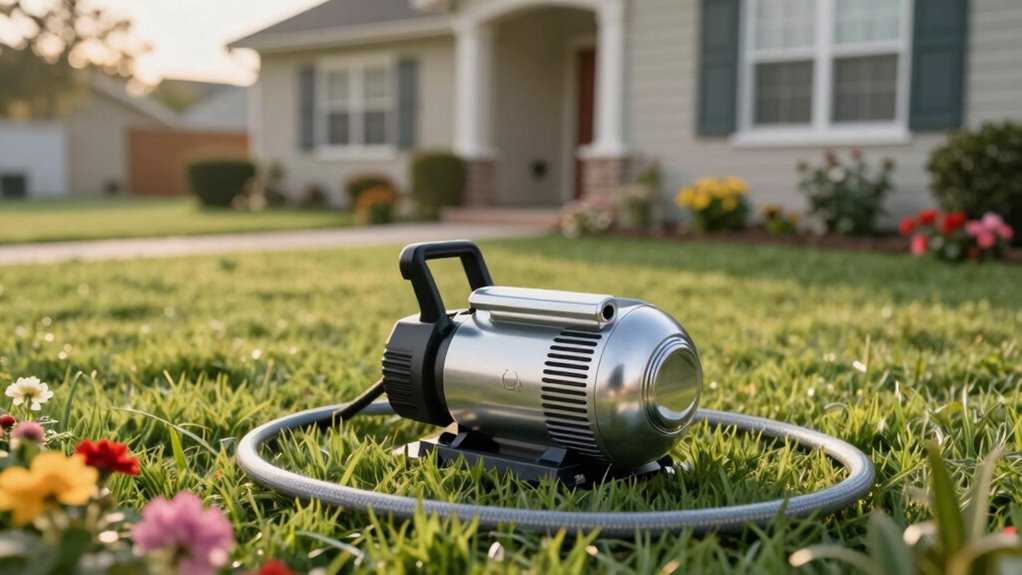
Booster pumps can greatly improve water flow and comfort, but they can also cause harm if not carefully selected and installed. The key is understanding your home’s specific needs and plumbing system limitations. If your home already has high water pressure, installing a booster might push it into unsafe ranges, leading to damage. Conversely, if your system is poorly configured or lacks pressure regulation, a booster can cause more harm than good. Proper assessment, professional installation, and attention to pressure regulation are vital to ensure the pump benefits your household rather than causing costly issues down the line. Additionally, pressure regulation is essential to prevent sudden surges that can damage your plumbing system. Recognizing the appropriate pump size for your home is crucial to avoid over-pressurization and potential plumbing failures. Understanding system capacity can also help determine if a booster pump will truly enhance your water flow without risking your plumbing infrastructure. Being aware of your home’s water needs ensures that your pump choice aligns with your household’s specific consumption patterns. Moreover, evaluating your existing plumbing system limitations can help you decide whether a booster pump will be beneficial or potentially harmful.

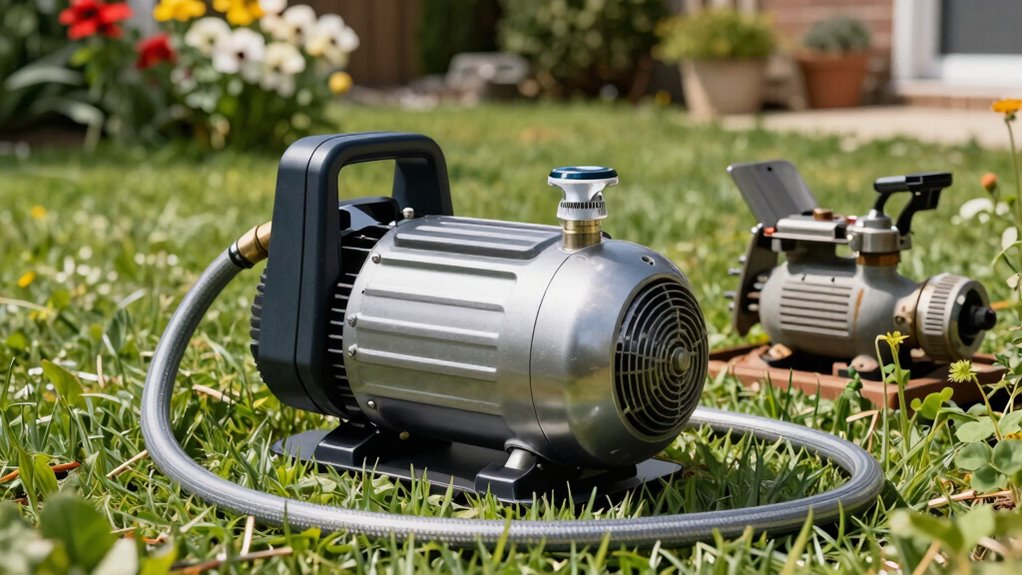
Aquastrong Whole House Water Pressure Booster Pump 80 PSI, 115V Automatic Variable Speed, Constant Pressure, Integrated Design, Self-Priming, for Home, Apartment, Shower, Garden, Shallow Well,Smart 45
- Adjustable Pressure and Speed: Automatically maintains constant water pressure
- All-in-One Robust Design: Durable stainless steel components for longevity
- High Efficiency and Low Noise: Operates quietly with energy-saving technology
As an affiliate, we earn on qualifying purchases.
As an affiliate, we earn on qualifying purchases.
Frequently Asked Questions
How Do I Determine if My Home Needs a Booster Pump?
You can determine if your home needs a booster pump by checking your water flow; if it’s weak or inconsistent, a pump might help. Measure your current water pressure and flow rate—if they’re below recommended levels, a booster pump could be beneficial. Confirm proper pump sizing by consulting a professional, so the pump matches your home’s water demands without over- or under-powering. This way, you’ll improve water pressure effectively.
What Are the Common Signs Indicating a Booster Pump Is Necessary?
Think of your home’s water system like a garden hose; if the water barely reaches the top, a booster pump can help. Common signs include low water pressure during showers, inconsistent flow, and noticeable pump noise. If your faucets sputter or the water pressure drops unexpectedly, it’s a clear sign you might need a booster pump to maintain steady, strong water flow throughout your home.
Are There Alternative Solutions to Booster Pumps for Low Water Pressure?
Yes, you can explore alternative plumbing solutions to improve water pressure without using booster pumps. Installing a larger diameter pipe can increase flow, reducing pressure loss. You might also consider adjusting your home’s plumbing layout or installing pressure regulators to optimize flow. Additionally, cleaning or replacing clogged fixtures and ensuring the main water line is clear can boost water pressure, offering effective solutions without relying solely on booster pumps.
How Energy-Efficient Are Booster Pumps for Home Use?
Booster pumps are generally energy-efficient, with some models achieving up to 80% pump efficiency, translating to significant energy savings. You’ll find that modern pumps consume less power while maintaining strong water pressure, making them a cost-effective choice. However, their energy efficiency depends on proper sizing and installation. When well-chosen, booster pumps optimize energy use, helping you save on utility bills while ensuring reliable water flow throughout your home.
What Maintenance Is Required for Booster Pumps to Ensure Proper Function?
To keep your booster pump functioning well, you need regular maintenance. Check the pump for leaks, unusual noises, or vibrations, and clean or replace filters as needed. Schedule maintenance every 6 to 12 months, depending on usage, to extend the pump’s lifespan. Proper upkeep prevents breakdowns, guarantees efficiency, and prolongs the pump’s longevity, saving you money and hassle in the long run.
Aquastrong Whole House Water Pressure Booster Pump 80 PSI, 115V Automatic Variable Speed, Constant Pressure, Integrated Design, Self-Priming, for Home, Apartment, Shower, Garden, Shallow Well,Smart 45
- Adjustable Pressure and Speed: Automatically maintains constant water pressure
- All-in-One Robust Design: Durable stainless steel components for longevity
- High Efficiency and Low Noise: Operates quietly with energy-saving technology
As an affiliate, we earn on qualifying purchases.
As an affiliate, we earn on qualifying purchases.
Conclusion
In the end, a booster pump can feel like a hero, delivering strong, steady water flow when you need it most. But for others, it’s like a villain, causing noise, pressure issues, or damage. Imagine a gentle stream turning into a rushing river—beneficial or destructive, depending on your home’s unique setup. So, before installing one, weigh the benefits against the potential chaos, and remember, what helps some may hurt others.
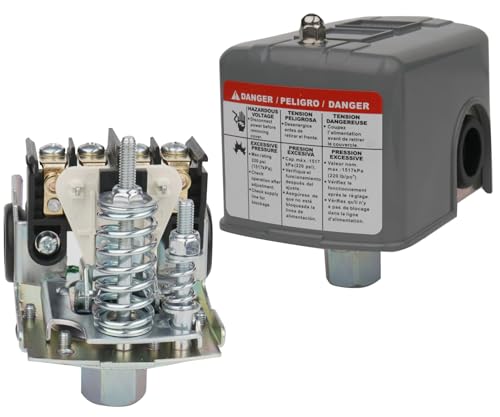
WHK Water Pressure Switch for Well Pump 40-60psi Water Pump Pressure Switch
- Control Range: 40-60 PSI adjustable pressure
- Application: Compatible with all electric well pumps
- Durable Construction: Made of premium ABS with large silver contacts
As an affiliate, we earn on qualifying purchases.
As an affiliate, we earn on qualifying purchases.

SENCTRL 0-200 Psi Lead-Free Water Pressure Gauge Test with Lazy Hand
- Waterproof Design: IP67 waterproof stainless steel case
- Corrosion Resistant: 304 stainless steel enclosure
- Clear Readings: Moisture-resistant PRV-Tex vent
As an affiliate, we earn on qualifying purchases.
As an affiliate, we earn on qualifying purchases.