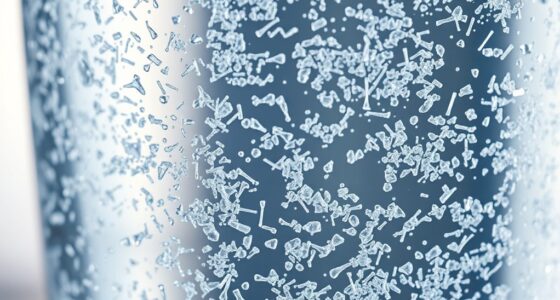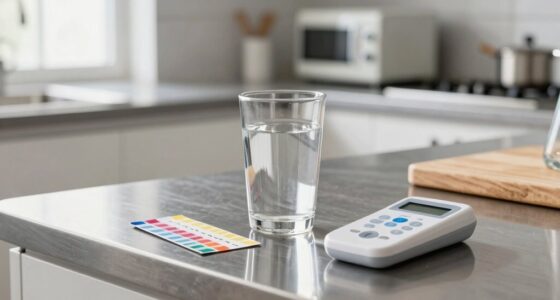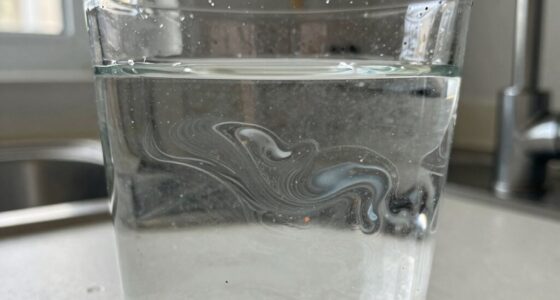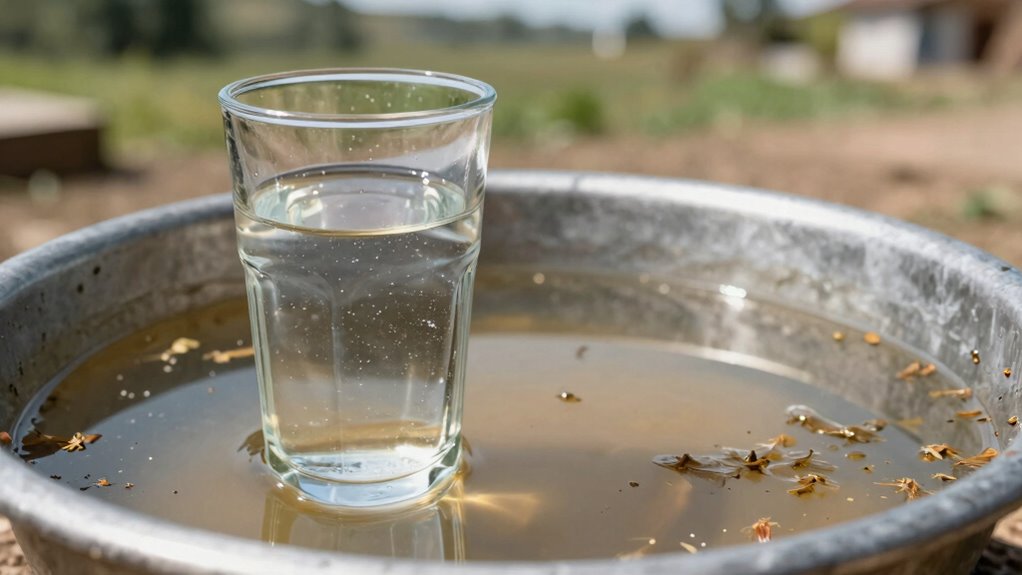
Cleaner water looks clear and appealing, but it doesn’t mean it’s safe to drink. It only removes visible particles and improves appearance. Safer water, on the other hand, undergoes thorough treatment to eliminate bacteria, viruses, chemicals, and heavy metals. It’s truly safe for your health. Just because water looks clean doesn’t guarantee it’s free from hazards. To understand how to protect yourself better, keep exploring what makes water genuinely safe.
Key Takeaways
- Cleaner water appears clear but may still contain invisible chemical or biological contaminants, while safer water undergoes thorough treatment to eliminate hazards.
- Visual clarity indicates removal of physical impurities but does not guarantee removal of chemicals, bacteria, or viruses in cleaner water.
- Safer water involves advanced purification methods like UV, reverse osmosis, or chemical disinfection to ensure safety beyond appearance.
- Relying solely on cleaner water can pose health risks due to unseen contaminants; safer water prioritizes comprehensive purification for health.
- The key difference is that cleaner water focuses on aesthetics, whereas safer water emphasizes thorough removal of all health-threatening impurities.
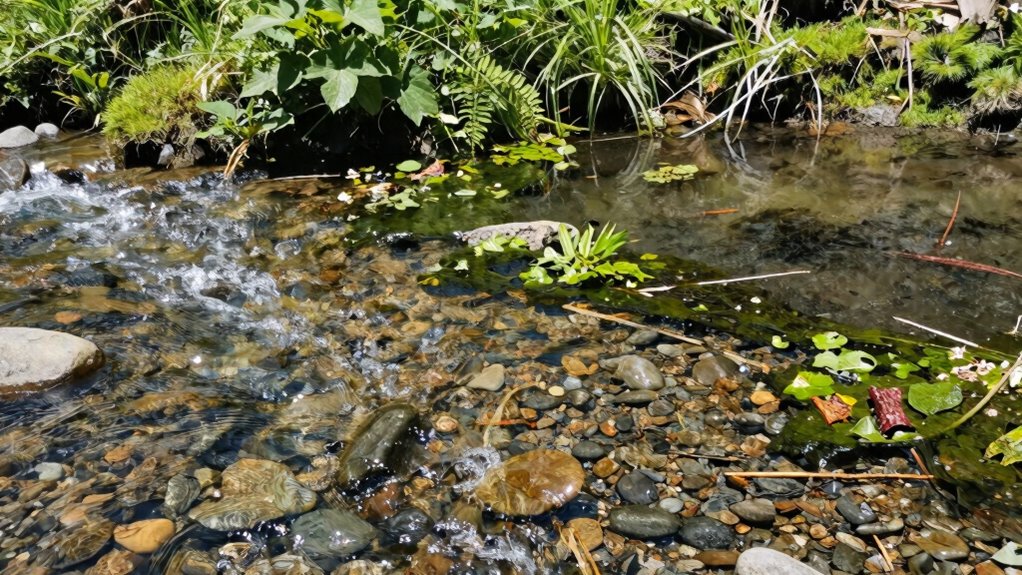
When it comes to water quality, the goal is often to find a balance between cleanliness and safety. You might assume that the clearer and more transparent your water looks, the safer it is to drink. However, water that appears clean doesn’t always mean it’s free from harmful contaminants. This is where water purification plays a crucial role. Water purification involves removing impurities, bacteria, viruses, and chemical pollutants, which can pose serious health implications if left unaddressed. Simply filtering water to improve clarity doesn’t guarantee safety, especially if microscopic pathogens or chemical residues remain. That’s why understanding the distinction between cleaner water and safer water is essential for your health.
Clear water isn’t always safe; thorough purification is essential for health.
Cleaner water typically refers to water that looks clear and free of visible particles or discoloration. It’s often achieved through basic filtration or sediment removal, which improves the aesthetic quality of water. While this makes water more appealing and may reduce some physical contaminants, it doesn’t necessarily eliminate dissolved chemicals, bacteria, or viruses. This means that even if your water looks pristine, it could still carry health risks. For example, pesticides, heavy metals, or bacteria like E. coli can linger in water that appears perfectly clean. Relying solely on appearance can give you a false sense of security, emphasizing the need for comprehensive water purification systems that target both physical and chemical contaminants. Additionally, understanding the various water treatment methods available can help you choose the most effective solution for your needs. Implementing advanced purification techniques can significantly improve the safety of your drinking water. It’s crucial to recognize that contaminants invisible to the naked eye may be present, underscoring the importance of thorough treatment. Incorporating proper testing can also help verify the safety and purity of your water supply.
Safer water, on the other hand, prioritizes health and protection from potential hazards. Achieving safe water involves using advanced purification methods such as UV treatment, reverse osmosis, or chemical disinfection. These techniques aim to eliminate pathogens, reduce chemical pollutants, and ensure that the water you consume won’t cause illness or long-term health issues. It’s about safeguarding your well-being by addressing both visible and invisible threats. When you focus on safety, you’re actively reducing the risk of waterborne diseases and exposure to harmful substances that can lead to health implications like gastrointestinal illnesses, neurological problems, or other chronic conditions.
Ultimately, the difference between cleaner water and safer water lies in the scope of purification. Cleaner water may look good but could still pose health risks, while safer water undergoes thorough treatment to minimize those risks. For your health, it’s important to go beyond surface-level clarity and prioritize comprehensive water purification. This way, you can enjoy water that is not only clean to look at but also genuinely safe to drink, protecting you from potential health implications that come with contaminated water.

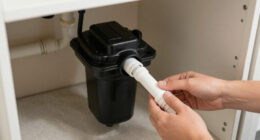
iSpring RCC7AK-BN NSF Certified, 75 GPD, Alkaline 6-Stage Reverse Osmosis System, pH+ Remineralization RO Water Filter System Under Sink Patented Top-Mounted Faucet Design for Easy Installation
- Patented Top-Mounted Faucet Design: Easy above-sink installation
- Mineral Boost Stage: Adds essential minerals and balanced pH
- Transparent Filter Housing: Monitor contaminant buildup easily
As an affiliate, we earn on qualifying purchases.
As an affiliate, we earn on qualifying purchases.
Frequently Asked Questions
How Is Water Quality Tested for Safety?
You test water quality for safety by conducting water treatment processes that remove harmful contaminants. You also perform regular testing to check for bacteria, chemicals, and pollutants, comparing results against regulatory standards set by agencies like the EPA. These tests involve collecting water samples and analyzing them in labs to make certain the water meets safety guidelines. Consistent testing helps identify issues early, ensuring your water remains safe for consumption.
Can Water Be Safe but Not Clean?
Imagine drinking water that’s as clear as a crystal ball but tastes like last week’s pond scum—that’s safe but not clean. Water can meet safety standards for contaminants, yet still harbor impurities affecting water purity. Filtration myths often lead people astray, thinking their water is clean when it’s just safe. So, yes, water can be safe but not clean, leaving you with questionable taste and lingering doubts.
What Contaminants Are Most Common in Tap Water?
The most common contaminants in tap water include bacteria, lead, chlorine, pesticides, and pharmaceuticals. These contaminants often come from source water contamination, aging pipes, or improper water treatment. You should regularly check your water quality reports and consider using filters to reduce these pollutants. Water treatment processes aim to remove these harmful substances, but some may still persist, so staying informed helps you guarantee your tap water remains safe and healthy.
How Often Should I Test My Household Water?
You should test your household water at least once a year, but if you notice a change in taste, smell, or appearance, test immediately. Use reliable water testing methods to detect contaminants and check if your water meets filtration standards. Regular testing guarantees your water stays safe and clean, helping you catch any issues early. Don’t wait—staying proactive protects your health and peace of mind.
Are Home Water Filters Effective Against All Pollutants?
Home water filters aren’t effective against all pollutants due to filtration limitations. While they excel at removing many chemicals and contaminants, some pollutants, like certain viruses or heavy metals, may require specialized treatment. You should choose filters based on your water quality testing results. Remember, no single filter can eliminate every pollutant, so understanding your water’s specific risks helps you select the right system for chemical removal and overall safety.
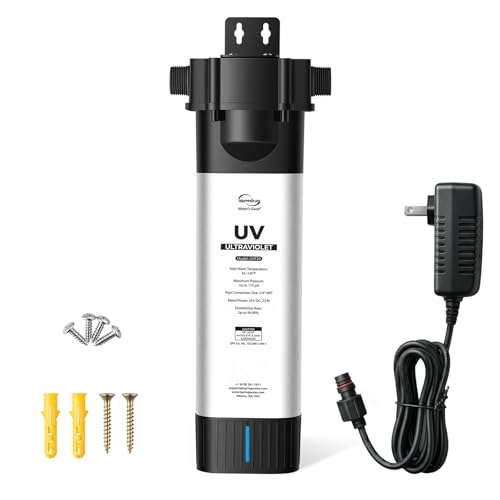
iSpring UVF20 Whole House LED UV Water Filter, 3/4" MNTP Inlet Outlet
- Long-lasting UV Module: Up to 8,000 hours, no bulb replacement
- Automatic Flow Sensor: Activates only during water flow
- High Flow Rate: Supports up to 12 GPM
As an affiliate, we earn on qualifying purchases.
As an affiliate, we earn on qualifying purchases.
Conclusion
Remember, cleaner water might look and taste good, but safer water guarantees you’re protected from harmful contaminants. Did you know that according to the WHO, over 2 billion people worldwide lack access to safely managed drinking water? That’s a staggering number! So, next time you turn on your tap, ask yourself: is it just clean, or is it truly safe? Prioritizing safety means protecting your health and well-being every single day.

Potable Aqua Water Purification Tablets With PA Plus – Two 50 count Bottles
- Includes Two Bottles: 50 tablets each of Purification and PA Plus
- Emergency Water Purification: Makes questionable water safe to drink
- No Iodine Taste or Color: Leaves water tasting clean and clear
As an affiliate, we earn on qualifying purchases.
As an affiliate, we earn on qualifying purchases.

Varify 17in1 Complete Drinking Water Test Kit – 100 Strips + 2 Bacteria Tester Kits – Well, Tap, Home, City Water Testing Strip for Lead, Alkaline, Chlorine, Hardness, Iron, Fluoride, Copper & More
- Number of Parameters Tested: 17 essential water quality parameters
- Comprehensive Water Analysis: Detects contaminants and imbalances
- Premium Quality Strips: Professional-grade, reliable test strips
As an affiliate, we earn on qualifying purchases.
As an affiliate, we earn on qualifying purchases.