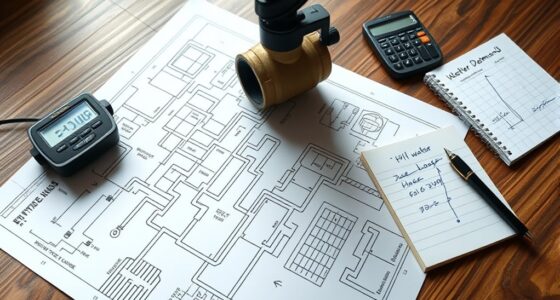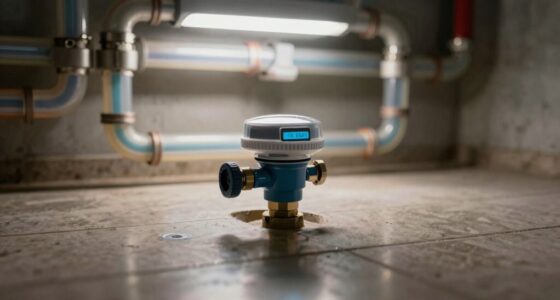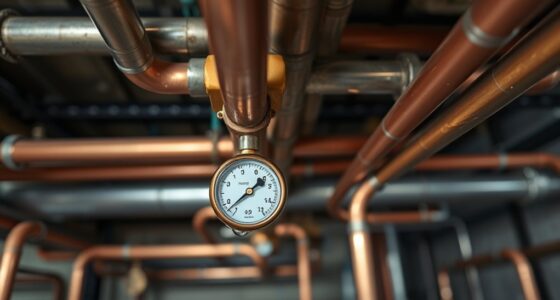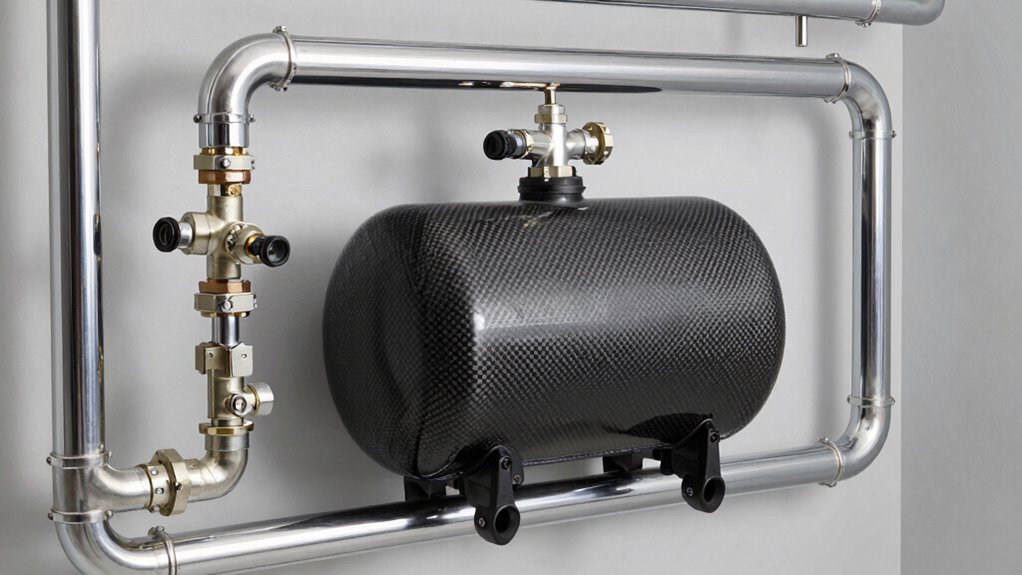
If your high-flow home uses an undersized carbon tank, you’re likely to notice pressure drops and inconsistent water flow, especially during peak use. The small tank can’t handle the demand, causing short cycling and reduced filtration effectiveness. This leads to poor water quality and potential system damage over time. Staying with an undersized tank will only make these problems worse. Keep exploring to understand how proper sizing can keep your system running smoothly.
Open a free Amazon Business account
Business pricing, bulk buying and tax-exempt orders.
As an affiliate, we earn on qualifying purchases.
Key Takeaways
- Undersized tanks cause pressure drops, reducing filtration contact time and compromising water quality during high demand.
- Limited tank capacity creates bottlenecks, restricting flow and increasing system cycling and wear.
- Insufficient tank size leads to fluctuating water pressure, affecting consistent system performance.
- Small tanks cannot handle high flow rates, resulting in reduced contaminant removal and system stress.
- Properly sized tanks ensure stable pressure, adequate contact time, and longer component lifespan in high-flow homes.
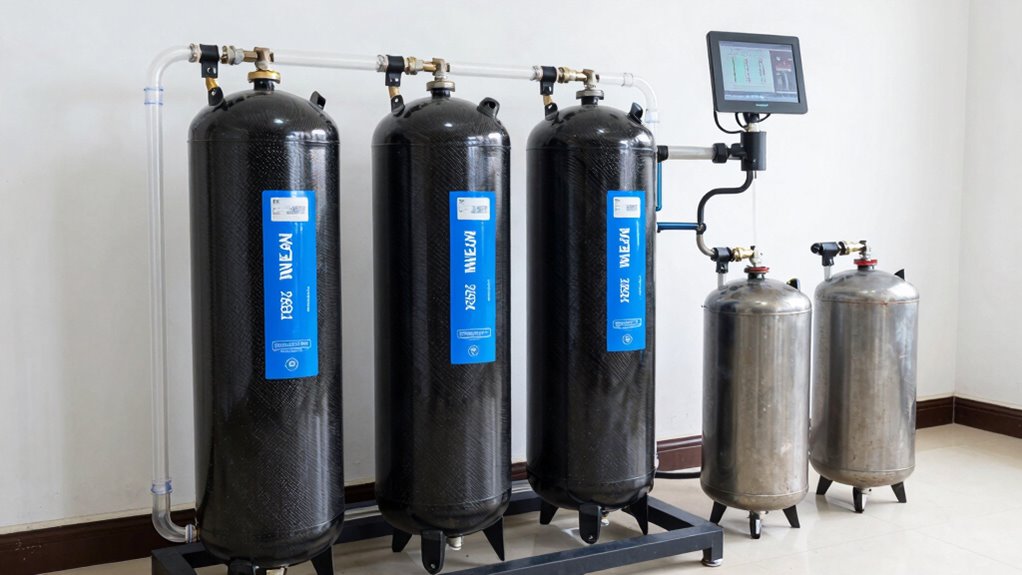
Have you ever wondered why high-flow homes often face problems with undersized carbon tanks? It all comes down to water pressure and tank capacity. When your home demands a high flow rate, every second counts. If your carbon tank isn’t sized properly, you’ll notice inconsistent water pressure and diminished filtration performance. High-flow systems are designed to deliver large volumes of water quickly, but they rely heavily on having enough capacity in the carbon tank to handle that volume. When the tank is too small, it gets overwhelmed, leading to reduced effectiveness and potential system issues.
Undersized carbon tanks cause pressure drops and poor filtration in high-flow homes.
In these homes, water pressure isn’t just a matter of comfort; it’s a critical factor in system operation. A properly sized carbon tank maintains steady water pressure by providing a buffer that allows water to flow smoothly through the filtration media. If the tank capacity is undersized, it can’t hold enough carbon or provide the necessary contact time for contaminants to be removed effectively. As a result, you might experience fluctuating water pressure and a noticeable decline in water quality. These fluctuations happen because the system struggles to keep up with demand, and your pressure drops when the tank runs out of capacity to filter incoming water. Additionally, undersized tanks can cause system stress that damages components over time.
Think of it this way: your high-flow home is like a highway with multiple lanes. When everything is working correctly, traffic moves fast and smoothly. But if the lanes are too narrow or the capacity is limited, traffic slows down, jams, and causes delays. Similarly, an undersized tank acts like a bottleneck, restricting water flow and reducing pressure. This bottleneck effect means your water doesn’t get the contact time it needs in the carbon media, leading to poorer filtration and more frequent system cycling. The result? Not only does water pressure fluctuate, but you also risk short cycling, where the system turns on and off too frequently, further stressing your equipment.
To prevent these issues, you need a carbon tank with enough capacity to match your home’s high flow requirements. Larger tanks provide more surface area for filtration and hold more carbon, ensuring consistent water pressure and effective contaminant removal. When your tank capacity aligns with your water pressure needs, your system runs smoothly, delivering clean, steady water without the hiccups caused by undersized tanks. Proper tank sizing is essential for maintaining optimal performance in high-flow systems, preventing the common pitfalls associated with undersized units.
In addition, understanding the importance of system capacity can help you select the right size tank for your home’s specific needs. When your tank capacity aligns with your water pressure needs, your system runs smoothly, delivering clean, steady water without the hiccups caused by undersized tanks. Ensuring the correct tank size can also extend the lifespan of your entire filtration system, saving you money on repairs and replacements. In high-flow homes, sizing matters—because a tank that’s too small just can’t keep up with the demands of your daily water use, punishing your system and compromising your water quality.
high flow carbon water filter tank
As an affiliate, we earn on qualifying purchases.
As an affiliate, we earn on qualifying purchases.
Frequently Asked Questions
How Do Undersized Carbon Tanks Affect Water Quality?
Undersized carbon tanks can hurt your water quality because they don’t provide enough water filtration capacity. When the tank is too small, contaminants like chlorine, sediment, and odor-causing compounds aren’t fully removed, making your water less safe and less pleasant to use. Proper tank capacity guarantees effective filtration, so you get cleaner, better-tasting water. Upgrading to a larger tank helps maintain ideal water quality and keeps your system functioning smoothly.
Can Upgrading to a Larger Tank Improve System Longevity?
Upgrading to a larger tank can definitely improve your system’s longevity. Proper tank installation guarantees your system runs more efficiently, reducing strain on components and preventing early wear. When your tank size matches your water demand, it minimizes cycling and pressure fluctuations, which helps preserve the filter and other parts. This ultimately extends your system’s lifespan, saves you money on repairs, and maintains consistent water quality over time.
What Are the Signs of an Undersized Carbon Tank?
Like a fish out of water, you’ll notice signs of an undersized carbon tank through increased pressure drops and frequent backwashing. During tank installation, you might see uneven water flow or lingering odors, signaling it’s too small. Regular system maintenance becomes essential, as an undersized tank can strain your system, leading to quicker wear and tear. Keep an eye on these signs to guarantee peak performance and longevity.
Is There a Cost Difference Between Small and Large Carbon Tanks?
Yes, there’s a cost difference between small and large carbon tanks. Larger tanks typically cost more upfront due to their size and capacity, affecting tank installation and system compatibility. While bigger tanks can handle higher flow rates and last longer, they also require more space and investment. Consider your system’s needs carefully to balance initial costs with long-term efficiency, ensuring your setup remains compatible and effective.
How Often Should Carbon Tanks Be Replaced Regardless of Size?
You should replace your carbon tanks every 12 to 24 months to maintain proper tank maintenance and filtration efficiency. Over time, activated carbon becomes saturated, reducing its ability to remove contaminants effectively. Regular replacement ensures your filtration system works at peak performance, preventing issues like foul odors or poor water quality. Keep an eye on your tanks, and don’t delay replacing them to maintain clean, healthy water in your home.
undersized carbon filter tank for well water
As an affiliate, we earn on qualifying purchases.
As an affiliate, we earn on qualifying purchases.
Conclusion
So, next time you skimp on that carbon tank, just remember—you’re basically inviting a water quality disaster to your high-flow home’s party. Who needs clean, tasty water when you can save a few bucks, right? Just don’t be surprised if your filters cry uncle or your appliances start throwing tantrums. In the end, it’s all about balancing budget and water bliss—because undersized tanks aren’t just a bad idea, they’re a future water crisis waiting to happen.
large capacity carbon filtration tank
As an affiliate, we earn on qualifying purchases.
As an affiliate, we earn on qualifying purchases.
high flow water filtration system
As an affiliate, we earn on qualifying purchases.
As an affiliate, we earn on qualifying purchases.
Fall yard work Picks
leaf blowers
As an affiliate, we earn on qualifying purchases.