
Oversizing your water treatment system may seem like a safe choice, but it can silently boost costs and reduce efficiency. You’ll spend more on materials, energy, and maintenance upfront, while operational expenses grow over time. Larger systems often run at partial capacity, leading to inefficiencies and a higher risk of breakdowns. Plus, they require more space and complex controls, increasing your operational risks. Keep exploring to discover how proper sizing can save you money and stress in the long run.

Get home appliances delivered free — and shop member deals
- Fast, free delivery on millions of items
- Access to Prime Big Deal Days deals on October 6–7
- Prime Video, Amazon Music and more included
Key Takeaways
- Oversized systems incur higher initial costs and increased energy expenses over their lifespan.
- Operating below optimal capacity reduces efficiency and shortens equipment lifespan.
- Larger equipment demands more space, complicating installation and maintenance.
- Complex control systems elevate troubleshooting time and operational risks.
- Poor demand forecasting leads to unnecessary expenses and reduced long-term savings.
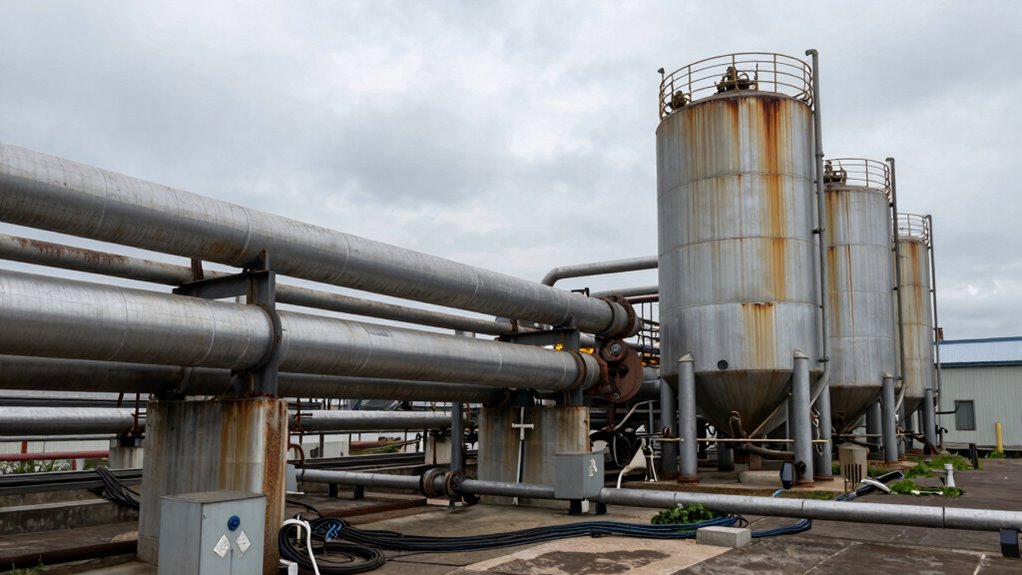
While it might seem beneficial to oversize a water treatment system to guarantee it can handle future demands, doing so often leads to hidden costs that can outweigh the initial savings. You might think that installing a larger system now will save you time and money later, but in reality, the cost implications of oversizing can be significant. Larger systems require more materials, increased energy consumption, and higher maintenance expenses, which add up over time. These extra costs are often overlooked during the planning stage, leading to budget overruns and inefficient use of resources.
Oversizing water treatment systems can lead to hidden costs, including higher materials, energy, and maintenance expenses over time.
Beyond the immediate financial impact, oversizing can introduce efficiency challenges that hinder your system’s performance. An oversized system may run less frequently or operate at partial capacity, which can cause equipment to operate inefficiently. Equipment designed for ideal performance at specific loads can become less effective when forced to operate outside their perfect range. This inefficiency not only raises operational costs but can also shorten the lifespan of key components. You might find yourself replacing parts more often or dealing with unexpected breakdowns, further driving up maintenance costs. Additionally, improper sizing can lead to system inefficiencies that diminish overall performance and increase operational risks.
Moreover, larger systems tend to be more complex, requiring additional space for installation and more intricate control mechanisms. This complexity can make troubleshooting and repairs more difficult and time-consuming. If you’re not careful, you could face prolonged downtimes, which disrupt your operations and add to the overall cost of ownership. Oversizing also leads to higher energy demands because larger pumps, filters, and other equipment consume more power, even when the system isn’t operating at full capacity. This results in increased utility bills, which can surprise you over the lifespan of the system. In addition, the initial investment in oversized equipment might be higher, but the long-term operational costs tend to outweigh these upfront savings.
In essence, oversizing a water treatment system may seem like a proactive approach, but it often results in hidden costs that aren’t immediately apparent. The initial investment might be lower in theory, but the ongoing expenses—covering energy, maintenance, repairs, and space—can quickly outweigh any perceived benefits. Additionally, system efficiency challenges introduced by operating a system that’s too large for your current needs can compromise performance and increase operational risks. Properly analyzing your capacity requirements and selecting a system that matches your actual needs ensures better long-term sustainability and cost savings, preventing unnecessary expenditures and operational inefficiencies.
A thorough assessment of future growth and demand forecasting can help avoid these pitfalls and promote a more sustainable, cost-effective water treatment solution.
water treatment system size calculator
As an affiliate, we earn on qualifying purchases.
As an affiliate, we earn on qualifying purchases.
Frequently Asked Questions
How Does Oversizing Affect Long-Term Maintenance Costs?
Oversizing your water treatment system leads to costly overdesign, which increases long-term maintenance costs. Larger systems have more components and complexity, making maintenance more time-consuming and expensive. You’ll need to replace or service additional parts, and troubleshooting becomes harder. This maintenance complexity not only raises expenses but also causes potential downtime. By avoiding oversizing, you can keep maintenance straightforward, affordable, and efficient over the system’s lifespan.
Can Oversizing Lead to Environmental Compliance Issues?
Oversizing your water treatment system can be like trying to fit a square peg in a round hole, leading to potential environmental compliance issues. When systems are too large, they often operate inefficiently, risking environmental penalties due to inadequate treatment or regulatory non-compliance. This misalignment can cause you to accidentally breach regulations, resulting in fines and damage to your reputation. Proper sizing guarantees you meet standards and avoid costly legal consequences.
What Is the Impact on Energy Consumption With an Oversized System?
When your water treatment system is oversized, you’ll likely face efficiency losses and energy waste. The system consumes more power to operate equipment that isn’t needed, which increases your energy bills. Additionally, running unnecessary capacity strains your energy resources and can cause wear and tear on components, leading to higher maintenance costs. By sizing your system appropriately, you optimize energy use, reduce waste, and save money in the long run.
How Does Oversizing Influence System Lifespan?
While a slightly larger system might seem like a wise choice, oversizing can gently accelerate wear and tear, subtly impacting equipment durability. This extra strain can lead to less consistent system efficiency over time. As a result, your system may require more frequent maintenance or early replacement, ultimately shortening its lifespan. To guarantee your investment stays robust and efficient, it’s best to size your water treatment system appropriately.
Are There Specific Industries More Prone to Oversizing?
Certain industries, like manufacturing, power generation, and municipal water treatment, tend to be more prone to oversizing due to industry trends favoring excess capacity for future growth. When you consider cost estimation, oversizing can substantially inflate initial investments and operational expenses. You might overlook these hidden costs in your planning, risking unnecessary financial strain. Staying aware of industry trends helps you balance capacity needs with cost-effective sizing, avoiding costly oversizing pitfalls.
energy efficient water filtration system
As an affiliate, we earn on qualifying purchases.
As an affiliate, we earn on qualifying purchases.
Conclusion
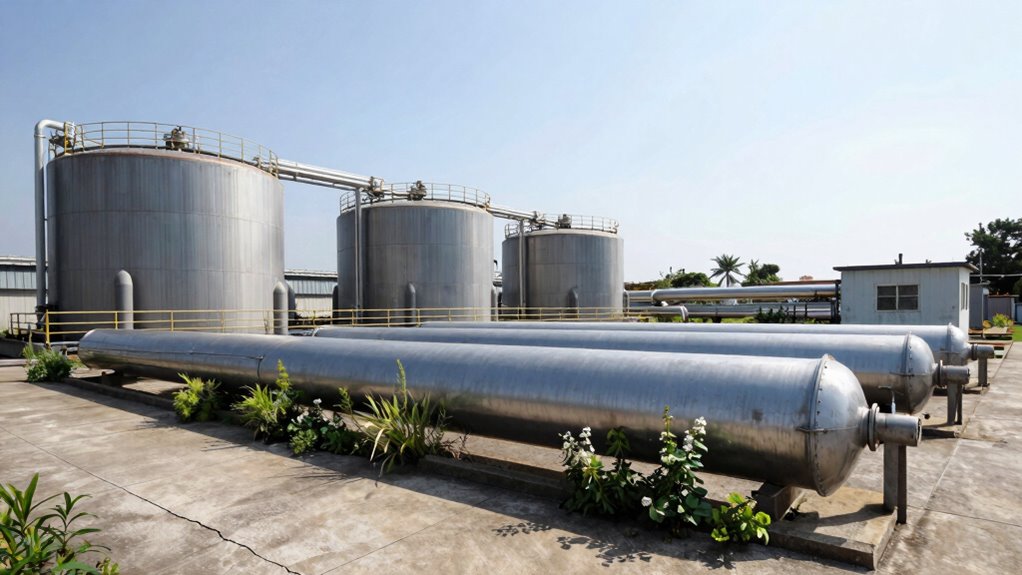
As you stand before an oversized water treatment system, imagine it as a giant, unnecessary reservoir, quietly draining your resources and space. The extra costs and energy waste ripple like hidden currents beneath the surface, unseen until it’s too late. Choosing the right size isn’t just about saving money; it’s about preventing your investment from becoming a burdensome behemoth. Keep your system lean and efficient, and your water management flows smoothly like a clear, well-tuned stream.
As an affiliate, we earn on qualifying purchases.
water treatment system troubleshooting tools
As an affiliate, we earn on qualifying purchases.
As an affiliate, we earn on qualifying purchases.
Fall yard work Picks
leaf blowers
As an affiliate, we earn on qualifying purchases.