

To treat arsenic in well water, chemical reactions and filters work together to make it safer. First, oxidants like chlorine convert arsenite into arsenate, which is easier to remove. Then, media like activated alumina or iron compounds absorb or react with arsenic to form insoluble compounds that can be filtered out. Understanding how these chemicals work helps you choose the right system for your water. Keep going to learn more about how this process keeps your water safe.
Key Takeaways
- Arsenic in wells often exists as arsenite (more toxic) or arsenate (less toxic), requiring chemical changes for effective removal.
- Oxidizing agents like chlorine or ozone convert arsenite into arsenate, making it easier to filter out.
- Filters use materials like activated alumina or iron compounds that chemically bind with arsenic to remove it.
- Chemical reactions transform arsenic into less harmful substances, facilitating safer drinking water.
- Choosing the right treatment depends on understanding water chemistry and how arsenic interacts with filter media.
Have you ever wondered if the well water you rely on might contain harmful arsenic? If so, understanding how to treat your water effectively can make a big difference in your health and peace of mind. One of the most common ways to remove arsenic involves using filtering methods that rely on chemical reactions. These methods aren’t just about trapping contaminants; they transform them into less harmful substances, making your water safer to drink.
Filtering methods for arsenic involve specific materials and processes designed to target and eliminate the toxin. Activated alumina filters, for example, work by adsorbing arsenic onto their surface through chemical interactions. When water passes through these filters, arsenic particles adhere to the alumina, effectively removing them from the water supply. Similarly, iron-based filters utilize chemical reactions between arsenic and iron compounds. The arsenic reacts with iron, forming insoluble iron arsenate, which can then be filtered out easily. These processes are efficient because they change the chemical form of arsenic, making it easier to separate and remove.
Activated alumina and iron filters chemically transform arsenic for easier removal.
The key to successful arsenic treatment lies in understanding these chemical reactions. For example, the oxidation of arsenic from arsenite (more toxic form) to arsenate (less toxic form) is a critical step in many treatment systems. This oxidation process often involves chemical oxidants like chlorine or ozone, which react with arsenic and convert it into a form that can be more readily filtered out. Once oxidized, arsenate can be attracted to specific filter media through chemical reactions, sticking to the surface and being removed from the water. This transformation is essential because arsenite is more soluble and harder to filter, whereas arsenate’s chemical properties make it more amenable to removal. Additionally, understanding the filter media chemistry helps optimize arsenic removal efficiency in different water conditions.
Choosing the right filtering method depends on your specific water conditions, but understanding the chemistry helps you grasp why certain systems work better. Chemical reactions are at the core of many arsenic removal techniques, ensuring that harmful arsenic is converted into less dangerous substances and effectively filtered out. Whether you opt for activated alumina, iron-based filters, or other technologies, knowing how these systems leverage chemistry can help you make informed decisions. Proper treatment not only improves your water’s safety but also gives you confidence that you’re reducing health risks associated with arsenic exposure. By understanding these chemical processes, you’re better equipped to protect yourself and your family from this invisible, yet perilous contaminant.
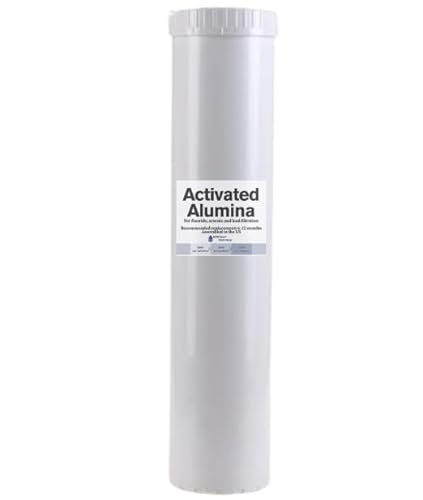
4.5" x 20" Activated Alumina water filter cartridge to reduce Fluoride and arsenic from your water. Whole house application
- Size: 4.5" x 20" activated alumina cartridge
- Removes Fluoride: Reduces fluoride from water effectively
- Removes Arsenic & Lead: Filters arsenic and lead from water
As an affiliate, we earn on qualifying purchases.
As an affiliate, we earn on qualifying purchases.
Frequently Asked Questions
How Does Arsenic Naturally Enter Well Water Sources?
You should know that arsenic naturally enters well water through geological formations where it exists in minerals. Over time, mineral leaching occurs as water interacts with rocks, releasing arsenic into the groundwater. This process happens gradually, especially in areas with arsenic-rich minerals, making it a common natural source. To protect your well water, understanding this natural entry point helps you stay alert for potential contamination.
Are There Differences in Arsenic Levels in Different Geographic Regions?
Yes, arsenic levels vary by geographic region due to regional contamination and natural geology. You’ll find higher arsenic concentrations in areas with certain mineral deposits or unique soil compositions. This geographic variation means some regions pose more risk than others. If you’re concerned about your well water, it’s essential to get tested regularly, especially if you live in an area known for regional contamination, so you can take appropriate treatment steps.
Can Household Water Filters Effectively Remove Arsenic?
Household water filters can effectively remove arsenic if they meet filtration effectiveness standards. Look for filters certified to reduce arsenic levels according to household standards, such as NSF/ANSI 53 or 58. Not all filters are equally effective, so check the product specifications. Proper maintenance and regular replacement of filter media are vital to guarantee continued arsenic removal, keeping your water safe and compliant with health guidelines.
What Are the Long-Term Health Effects of Arsenic Exposure?
Chronic arsenic exposure increases your risk of developing serious health issues, including skin lesions and various cancers. Studies show that about 10 million people worldwide drink arsenic-contaminated water daily. Long-term exposure can lead to heart disease, diabetes, and nerve damage. You might not notice symptoms early, but over time, it markedly raises your cancer risks and causes irreversible health problems, emphasizing the importance of safe water sources.
How Often Should Well Water Be Tested for Arsenic?
You should test your well water for arsenic at least once a year to guarantee contamination prevention. Regular water testing helps catch any increases in arsenic levels early, protecting your health and that of your family. If your well is near agricultural or industrial areas, consider testing more frequently. Staying proactive with water testing keeps contamination in check and ensures your water remains safe and clean for everyday use.

AFW Filters AdEdge 27 Arsenic filter System Bayoxide E33 with Fleck 2510SXT
- Arsenic Reduction: Removes Arsenic (III) and (VI)
- High-Level Treatment: Treats levels over 100 ppb
- Flow Rate: 8 GPM Service Flow
As an affiliate, we earn on qualifying purchases.
As an affiliate, we earn on qualifying purchases.
Conclusion
By understanding arsenic’s awful effects and applying appropriate treatment tricks, you can markedly reduce risks. Remember, the right removal methods, regular testing, and responsible resource management make a real difference. Don’t delay; make your well water safer today! Stay sharp, stay safe, and stress less by staying informed about arsenic’s antics. With proper treatment and a bit of effort, you can protect your family’s health and keep your well water clean and clear.
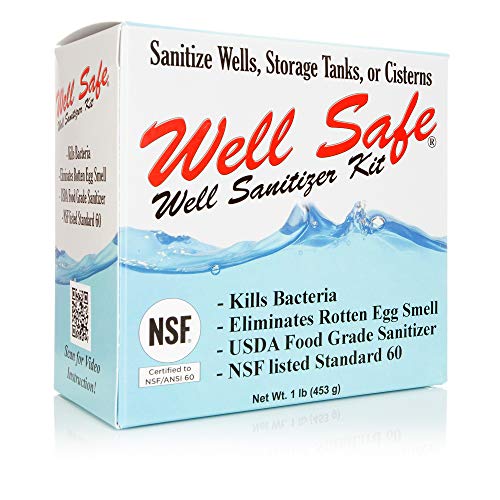
WELL SAFE Well Sanitizer Kit for Well Water Treatment & Sulfur Smell
- Easy to Use: Includes DIY instructions for quick setup
- Odor Removal: Kills bacteria to eliminate sulfur smell
- Cost-Effective: No costly filters or maintenance needed
As an affiliate, we earn on qualifying purchases.
As an affiliate, we earn on qualifying purchases.

SP-5G Swimming Pool Water Ozone Generator | 15,000 Gallon Capacity
- Requires Venturi Injector or Air Pump: Compatible with external air source
- Adjustable Ozone Output: Up to 5 G/hr with oxygen, 1000 mg/hr without
- Variable Ozone Control: Adjust ozone levels from 10% to 100%
As an affiliate, we earn on qualifying purchases.
As an affiliate, we earn on qualifying purchases.