
Iron’s exceptional hardness comes from its dense, crystalline atomic structure, making it incredibly durable and able to withstand mechanical stresses. This strength allows it to serve a variety of uses beyond one-size-fits-all solutions. By alloying with elements like chromium or carbon, its corrosion resistance and performance improve further. Its thermal conductivity also helps manage heat and prevent damage. Keep exploring, and you’ll uncover how these combined properties make iron a versatile, unbreakable choice across industries.
Key Takeaways
- Iron’s atomic lattice provides exceptional hardness, enabling it to resist deformation under mechanical stress.
- Alloying elements like carbon and chromium enhance iron’s hardness while improving corrosion resistance.
- Its thermal conductivity helps dissipate heat, preserving hardness in high-temperature applications.
- The combination of hardness, corrosion resistance, and thermal performance makes iron adaptable across industries.
- Iron’s versatile properties allow for tailored solutions beyond one-size-fits-all approaches in engineering and manufacturing.
Have you ever wondered how iron contributes to the hardness of materials? It’s a question that taps into the core of what makes this metal so versatile. Iron’s inherent strength and durability stem from its atomic structure, which allows it to form a dense, tightly packed crystalline lattice. This structure gives iron a significant degree of hardness, making it capable of withstanding mechanical stresses and wear. But beyond just hardness, iron also offers other valuable properties, like corrosion resistance and thermal conductivity, which influence its applications and performance in different environments.
Iron’s atomic structure provides exceptional hardness and durability, making it vital across diverse applications.
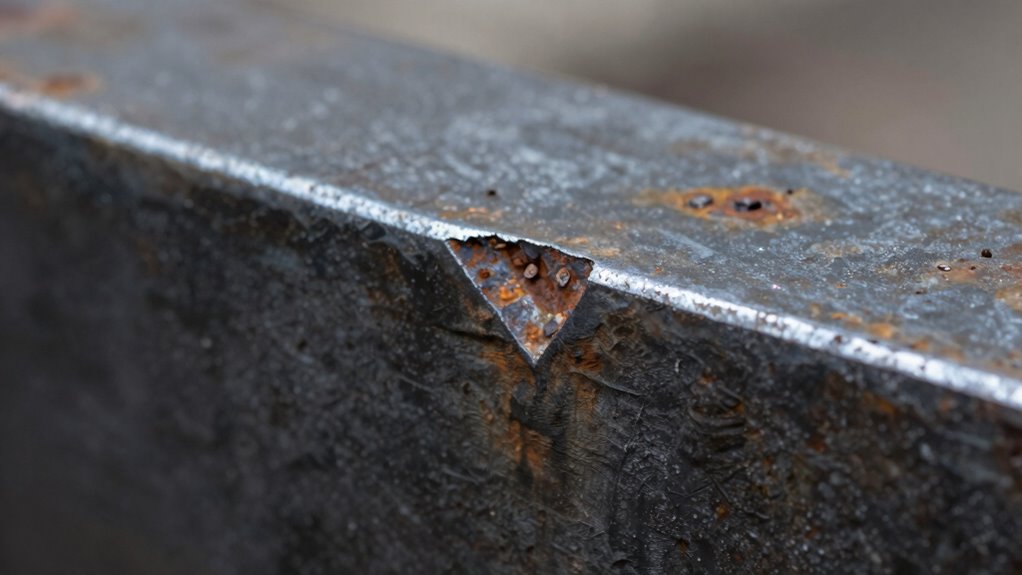
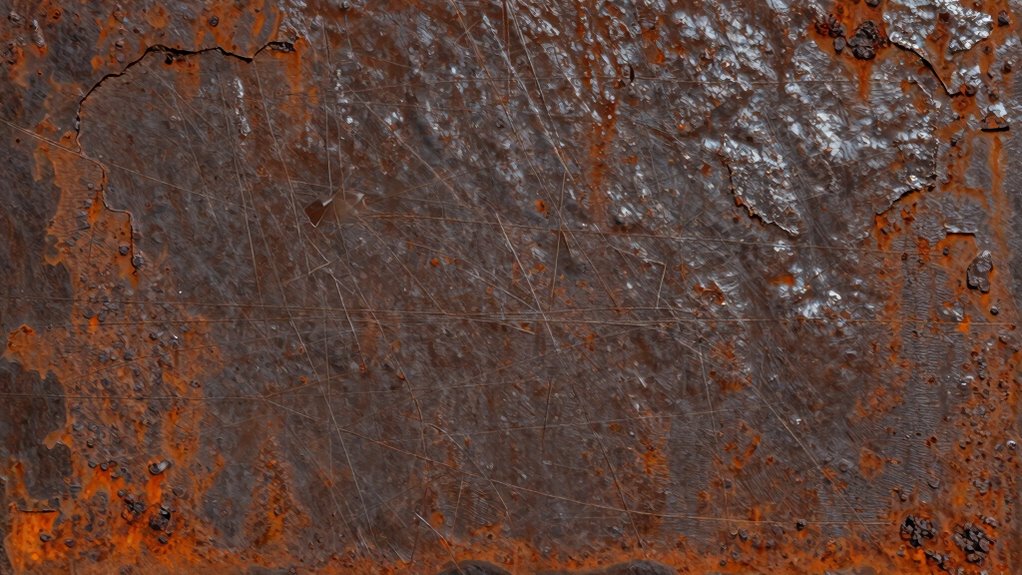
When you use iron in construction or manufacturing, you benefit from its relatively good corrosion resistance, especially when alloyed with other elements like carbon or chromium. This resistance to rust and deterioration is vital for longevity, particularly in outdoor or humid settings. Iron alloys such as stainless steel, for example, contain chromium that forms a protective oxide layer, preventing further corrosion. This layer enhances the material’s durability and maintains its hardness over time, so structures stay strong and reliable even after years of exposure to the elements. Understanding how iron’s corrosion resistance interacts with its hardness helps you select the right material for your needs, whether it’s for structural beams, machinery parts, or tools.
Thermal conductivity is another key aspect of iron’s contribution to material performance. Iron conducts heat efficiently, which makes it ideal for applications where heat transfer is important, such as in engines, radiators, or cookware. Its ability to rapidly dissipate heat ensures components don’t overheat, preserving their hardness and structural integrity. When you incorporate iron into systems that experience temperature fluctuations, its thermal conductivity helps maintain the material’s hardness by preventing uneven expansion or thermal stress that could cause cracking or deformation. This property complements iron’s mechanical strength, allowing it to perform well under demanding conditions.
In essence, iron’s combination of hardness, corrosion resistance, and thermal conductivity creates a powerful synergy. It’s this blend that allows iron to meet diverse challenges, from resisting rust to efficiently conducting heat. When you choose iron or its alloys, you’re selecting a material that’s not only tough but also adaptable to various environments. This flexibility is why iron remains a cornerstone in industries ranging from construction to transportation. Its ability to balance hardness with other essential properties means you don’t have to settle for a “one-size-fits-all” solution; instead, you get a material that can be tailored to fit the specific demands of your project. Additionally, understanding the properties of iron can help you make informed decisions when considering investments in precious metal IRAs, as durability and performance are key factors in asset value.
As an affiliate, we earn on qualifying purchases.
Frequently Asked Questions
How Does Iron Affect Water Hardness Levels?
Iron chemistry affects water hardness levels by contributing to hard water effects, as dissolved iron increases mineral content. When iron enters your water supply, it can react with other minerals, making water feel more mineral-rich and causing staining. This increases the hardness, leading to scale buildup and soap scum. You might notice reddish-brown stains and reduced soap effectiveness, indicating that iron chemistry is impacting your water hardness in ways that typical softening methods struggle to address.
Can Iron Removal Methods Impact Water Hardness?
Yes, iron removal methods can impact water hardness by altering iron chemistry and water pH. Some treatment processes, like oxidation or filtration, might change the pH, which affects how minerals like calcium and magnesium dissolve. When you remove iron, you could unintentionally affect water hardness levels, making it either more or less hard. So, it’s essential to monitor water pH and chemistry during iron removal to maintain balanced water quality.
Are There Health Risks Associated With Iron and Hardness?
Think of iron and hardness as two sides of a coin—each presenting unique health concerns. Iron health risks include potential gastrointestinal issues and iron overload if consumed excessively. Hardness health impacts, like skin dryness or soap scum, are less serious but can affect daily comfort. While moderate levels usually aren’t dangerous, high concentrations may pose health risks, so it’s wise to monitor your water quality and consult experts when needed.
Which Iron Treatment Options Also Reduce Hardness?
You can choose iron filtration systems that also promote hardness reduction. Look for multi-stage filters or specialty media designed to target both iron and calcium or magnesium compounds. These systems often incorporate oxidation and ion exchange processes, effectively removing iron and reducing hardness simultaneously. This dual approach simplifies treatment, saves space, and improves water quality, ensuring you get cleaner, better-tasting water without needing separate solutions.
How Does Iron Contribute to Scale Formation?
Did you know that iron accounts for over 50% of common scale deposits? Iron chemistry plays a key role in scale formation by promoting scale nucleation, which leads to hard, stubborn deposits on pipes and equipment. When iron ions interact with calcium and magnesium hardness, they create insoluble compounds that accelerate buildup. This process makes cleaning and maintenance more challenging, emphasizing the importance of controlling iron levels to prevent scale formation effectively.
stainless steel corrosion resistant cookware
As an affiliate, we earn on qualifying purchases.
As an affiliate, we earn on qualifying purchases.
Conclusion
So, next time you face a tough challenge, remember that combining iron’s strength with hardness creates a powerful duo—much like Batman’s gadgets in a world of one-size-fits-all solutions. Don’t settle for quick fixes; embrace the combo that’s proven its mettle through ages. Like forging steel in a blacksmith’s forge, your best results come from understanding the balance of strength and resilience. Keep this in mind, and you’ll break through any barrier, no flux capacitor needed.
thermal conductivity iron cookware
As an affiliate, we earn on qualifying purchases.
As an affiliate, we earn on qualifying purchases.
industrial iron structural beams
As an affiliate, we earn on qualifying purchases.
As an affiliate, we earn on qualifying purchases.