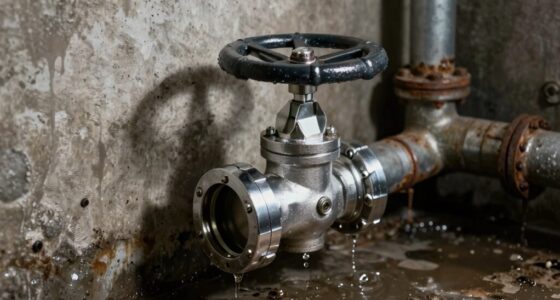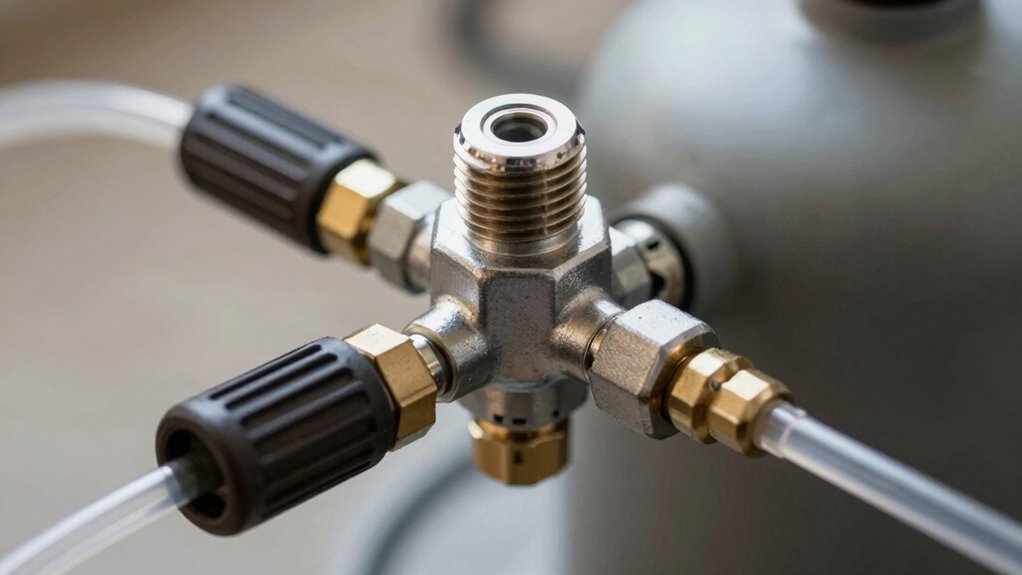

To determine if pressure pulsing comes from the pump, tank, or regulator, start by observing where the fluctuations originate and how they behave. If pulses happen near the pump with irregular rhythm, it might be caused by cavitation, air entrainment, or valve issues. Pulsing from the tank often ties to venting problems or capacity. Regulator issues usually cause repetitive opening and closing sounds. By focusing on system symptoms and signs, you’ll learn more about identifying the source.

Get home appliances delivered free — and shop member deals
- Fast, free delivery on millions of items
- Access to Prime Big Deal Days deals on October 6–7
- Prime Video, Amazon Music and more included
Key Takeaways
- Trace the pulsing source by observing where pressure fluctuations originate within the system.
- Check for rhythmic pressure dips and rises near the pump, indicating a pump-related issue.
- Inspect the tank venting and pressure relief valves for proper functioning and signs of uneven pressure buildup.
- Evaluate regulator operation for signs of sticking, leaking, or repeated opening and closing cycles.
- Look for signs of flow obstructions, debris, or valve malfunctions that may cause irregular pressure pulses.
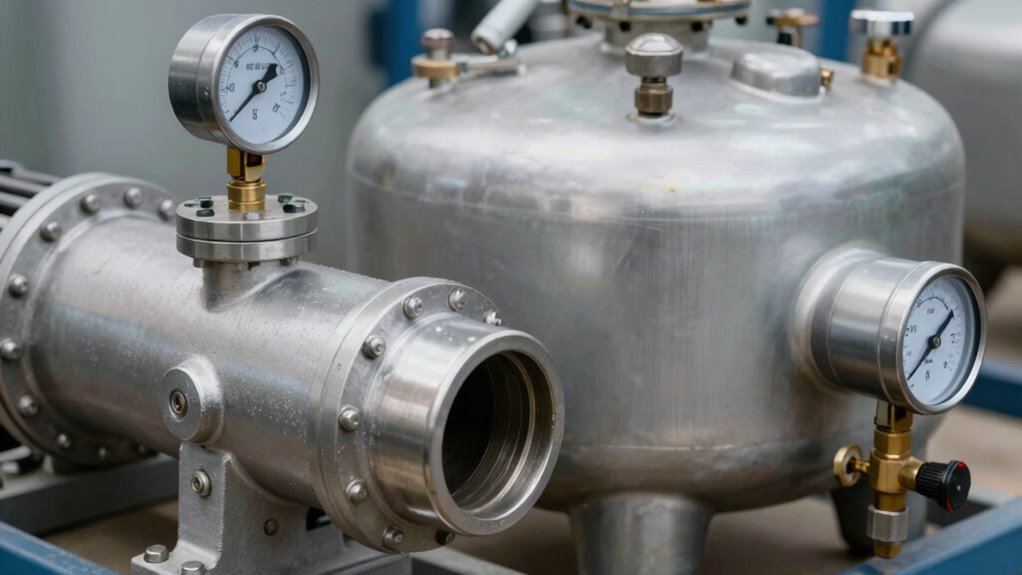
If you notice pressure pulsing in your system, it can be tricky to identify whether the issue stems from a pump, tank, or regulator. This pulsing often manifests as a rhythmic fluctuation in pressure, which can lead you to suspect valve malfunctions or flow irregularities. Recognizing the root cause requires close observation and understanding of how each component behaves under normal and faulty conditions. When pressure pulses occur, they can be caused by a variety of factors, but focusing on how each part interacts will help narrow down the source.
If the pulsing seems to originate near the pump, it’s likely due to valve malfunctions or flow irregularities within the pump assembly. Pumps are designed to maintain steady pressure, but if a valve gets stuck or partially closes, it can disrupt the flow, causing periodic pressure fluctuations. Similarly, cavitation or air entrainment in the pump can produce irregular pulsations. You might notice the pressure dipping and rising rhythmically, especially during high demand or startup phases. These symptoms point toward internal valve issues or flow disruptions that need addressing. Ensuring the valves are functioning properly and checking for obstructions can often resolve these irregularities.
When the pressure pulsing appears to come from the tank, it’s often linked to tank design or capacity issues, but it can also involve the regulator if it’s faulty. If the tank isn’t vented correctly or if the pressure relief valve isn’t functioning properly, pressure can build up unevenly, causing pulses. Likewise, a malfunctioning regulator, which controls pressure downstream, may cause it to open and close repeatedly, resulting in flow irregularities that produce pulsing sounds or sensations. In this case, inspecting the tank for proper venting and ensuring the regulator is calibrated and free of debris can help. If the regulator is sticking or leaking, replacing or repairing it can restore smooth, continuous pressure. Additionally, understanding the contrast ratio of your system’s components can influence how well it handles pressure fluctuations, especially in visual or display-related applications.
Finally, consider the overall system behavior. If the pulsing pattern changes with system demand or temperature, the problem might involve flow irregularities caused by blockages or leaks. Confirm that all valves are open, seals are intact, and that no debris is obstructing flow paths. Regular maintenance and timely replacement of worn parts prevent valve malfunctions that lead to pressure pulses. By paying close attention to where the pulsing originates and how the system responds, you can better determine whether a pump, tank, or regulator is at fault and take targeted action to fix it.
As an affiliate, we earn on qualifying purchases.
Frequently Asked Questions
Can Pressure Pulsing Indicate a Leak Elsewhere in the System?
Yes, pressure pulsing can indicate a leak elsewhere in the system. During leak detection, you might notice irregular pressure fluctuations caused by escaping air or fluid, which compromise component integrity. These pulses suggest that pressure isn’t holding steady, signaling a potential leak. Monitoring pressure patterns helps you identify the source, ensuring you address leaks promptly to maintain system efficiency and prevent further damage.
How Does Temperature Affect Pressure Pulsing Detection?
Temperature fluctuations can impact pressure pulsing detection by causing variations in pressure readings. When temperatures change, your sensor might need recalibration to maintain accuracy, as extreme or rapid temperature shifts can mimic or obscure actual pulsing signals. To guarantee reliable detection, monitor temperature variations closely and perform sensor calibration regularly, especially in environments with significant temperature fluctuation, so you can distinguish between genuine pressure pulses and temperature-related artifacts.
Are There Specific Tools Recommended for Diagnosing Pressure Pulsing?
You should use pressure gauges and diagnostic tools to diagnose pressure pulsing effectively. Attach a reliable pressure gauge to monitor fluctuations in real-time, helping you identify whether the issue stems from a pump, tank, or regulator. Diagnostic tools like flow meters or data loggers can provide detailed insights into pressure changes, making it easier to pinpoint the source of pulsing and determine the best corrective action.
What Safety Precautions Should I Take When Inspecting Pressure Pulsing Issues?
You should always wear personal protective equipment like gloves and eye protection before inspecting pressure pulsing issues. First, verify the system is shut down safely to prevent sudden releases or injury. Confirm that pressure is fully released, then carefully check components. Taking these precautions minimizes risks, helping you work safely while diagnosing whether a pump, tank, or regulator causes the pulsing. Safety always comes first in these inspections.
How Often Should System Components Be Inspected for Pressure Inconsistencies?
You should follow a regular maintenance schedule, inspecting pressure system components at least every 3 to 6 months. Inspection frequency depends on system usage and environment; more frequent checks are needed if you notice pressure inconsistencies or pulsing. Keep an eye on gauges and valves, and document your findings. Consistent inspections help catch issues early, ensuring your system runs smoothly and safely over time.
tank venting pressure relief valve
As an affiliate, we earn on qualifying purchases.
As an affiliate, we earn on qualifying purchases.
Conclusion
Understanding whether pressure pulsing comes from a pump, tank, or regulator helps you troubleshoot efficiently. It’s like distinguishing a whisper from a shout—you need to listen closely. While a pump’s pulse is steady and forceful, a tank’s is more subtle, and a regulator’s is often irregular. Recognizing these differences empowers you to act confidently, turning potential frustration into clarity. After all, mastering the pulse means taking control of your system rather than letting it control you.
pressure regulator for water systems
As an affiliate, we earn on qualifying purchases.
As an affiliate, we earn on qualifying purchases.
As an affiliate, we earn on qualifying purchases.
Fall yard work Picks
leaf blowers
As an affiliate, we earn on qualifying purchases.