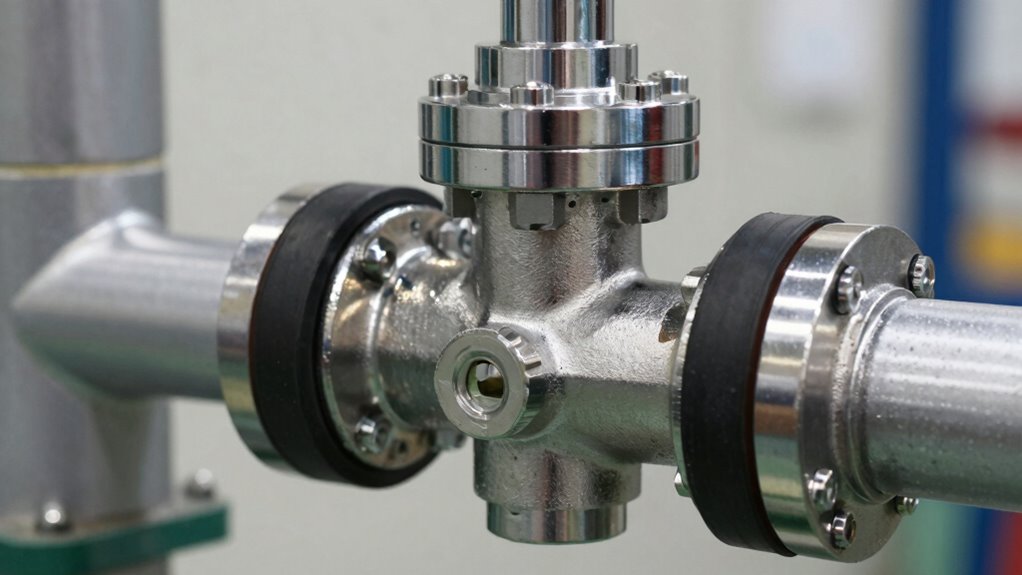

Installing bypass valves properly is vital to avoid leaks, pressure issues, and system damage later on. Follow the manufacturer’s instructions carefully, selecting the right size and ensuring tight, leak-free connections. Proper placement makes maintenance easier and protects your system from surges. Skipping these steps can lead to costly repairs, valve failure, or flow problems. Learn more about effective installation practices to guarantee your system runs smoothly and reliably.
Listen free for 30 days with Audible
Thousands of audiobooks and originals — cancel anytime.
As an affiliate, we earn on qualifying purchases.
Key Takeaways
- Proper installation ensures bypass valves effectively protect systems from pressure surges and prevent costly damage.
- Following manufacturer instructions minimizes leaks, sticking, or failure issues over time.
- Correct placement and secure fittings facilitate easier maintenance and troubleshooting later.
- Regular inspections and maintenance extend bypass valve lifespan and system reliability.
- Installing bypass valves correctly from the start saves money and avoids regret caused by system failures.

Bypass valves are vital components in many fluid systems, allowing you to redirect flow around a specific section or device. Proper installation is imperative to ensure they work effectively and avoid future headaches. When installing a bypass valve, start by carefully reading the manufacturer’s instructions. Make sure you select the right size and type for your system, as mismatched valves can lead to leaks or insufficient flow control. Before installation, shut off the main system pressure and drain any fluid from the lines to prevent spills or accidents. Use appropriate tools and fittings to secure the valve firmly, avoiding overtightening, which can damage threads or deform components. Also, position the valve so that it’s easily accessible for maintenance or future adjustments. Confirm all connections are tight and leak-free before restoring system pressure. Remember, a well-planned installation not only prevents issues down the line but also simplifies troubleshooting if problems arise later. Properly installed bypass valves can also help protect your system from pressure surges and damage.
Common issues with bypass valves often stem from improper installation or neglecting regular maintenance. Leaks are among the most frequent problems, usually caused by loose fittings or damaged seals. If you notice drips or puddles near the valve, double-check all connections and tighten them as needed. In some cases, replacing worn-out or damaged seals will resolve persistent leaks. Another common issue is valve sticking or failure to operate smoothly. This can happen if debris or corrosion build up inside the valve or if it wasn’t installed correctly in a clean, dry environment. Regular inspections help catch these issues early. Also, if the valve is installed upside down or in the wrong orientation, it may not function properly, leading to flow restrictions or pressure drops. Ensuring correct placement according to the manufacturer’s specifications can prevent such problems. Additionally, understanding the role of contrast ratio in image quality can help in selecting the right components for system monitoring and diagnostics.
Neglecting proper installation tips and ignoring signs of issues can lead to costly repairs or system failures. It’s tempting to cut corners, but doing so risks inefficient operation or damage to other system components. Properly installed bypass valves can save you money and headaches by providing reliable flow control and easy maintenance access. Keep an eye on system performance, and don’t hesitate to troubleshoot issues promptly. Regular checks and timely replacements of worn parts will extend the lifespan of your bypass valve and keep your system running smoothly. In the end, taking the time to install it correctly and addressing common issues proactively ensures you won’t regret skipping this step later. Proper installation and maintenance aren’t just best practices—they’re vital for the long-term health of your fluid system.
As an affiliate, we earn on qualifying purchases.
Frequently Asked Questions
Can Bypass Valves Be Used in All Types of Plumbing Systems?
You can’t use bypass valves in all plumbing systems because plumbing compatibility varies. Before installation, consider your system’s design and flow requirements. Some setups benefit from bypass valves, while others might face issues like pressure problems or leaks. Always review installation considerations carefully and consult a professional if unsure. Properly chosen and installed bypass valves ensure peak performance, preventing future regrets and costly repairs.
What Are the Signs That Indicate a Bypass Valve Needs Replacement?
You’ll know your bypass valve needs replacing if you notice warning signs like persistent leaks, difficulty controlling water flow, or unusual noises during operation. These are clear replacement indicators, signaling that the valve isn’t functioning properly. Ignoring these signs can lead to system damage or water wastage. Regular inspections help catch issues early, ensuring your bypass valve continues to perform effectively and prevents costly repairs later.
How Does Temperature Affect the Performance of Bypass Valves?
Think of temperature as a silent puppeteer pulling strings on your bypass valve. As thermal expansion occurs, it can cause the valve to misfire, affecting performance. Extreme heat or cold throws off valve calibration, making it less responsive or too sensitive. To keep your system running smoothly, guarantee your bypass valve adapts to temperature changes, maintaining ideal function and preventing costly mishaps down the line.
Are Bypass Valves Compatible With Smart Home Automation Systems?
Yes, bypass valves can be compatible with smart home automation systems. Many modern bypass valves feature smart home integration and wireless compatibility, allowing you to control them remotely through your devices. Confirm you select a model that explicitly supports your smart home platform, like Alexa or Google Home. This integration makes managing your system more convenient, giving you real-time control and automation options that fit seamlessly into your smart home setup.
What Is the Typical Lifespan of a Bypass Valve Under Normal Use?
A bypass valve typically lasts 10 to 15 years with normal use. To maximize its lifespan, consider proper installation considerations and follow regular maintenance tips, such as checking for leaks and ensuring smooth operation. You should also replace seals or worn parts promptly. By staying attentive to these factors, you’ll keep your bypass valve functioning efficiently, avoiding costly repairs or replacements and ensuring your system’s reliable performance for years to come.
pressure bypass valve for plumbing system
As an affiliate, we earn on qualifying purchases.
As an affiliate, we earn on qualifying purchases.
Conclusion
Skipping the bypass valve now might seem harmless, but life has a way of reminding you why you shouldn’t ignore the little things. Sometimes, a small upgrade can save you from bigger headaches later—like that unexpected breakdown or costly repair. Trust me, installing a bypass valve isn’t just about convenience; it’s about peace of mind. After all, isn’t it funny how the tiniest decision can make all the difference when you least expect it?
leak-proof bypass valve fittings
As an affiliate, we earn on qualifying purchases.
As an affiliate, we earn on qualifying purchases.
automatic bypass valve for water systems
As an affiliate, we earn on qualifying purchases.
As an affiliate, we earn on qualifying purchases.
Fall yard work Picks
leaf blowers
As an affiliate, we earn on qualifying purchases.