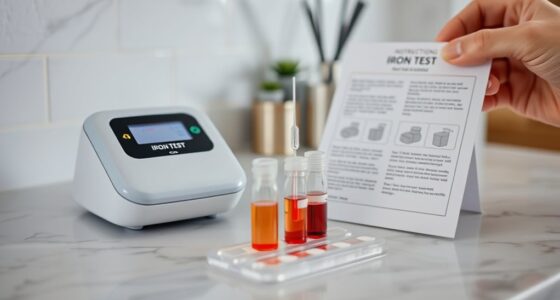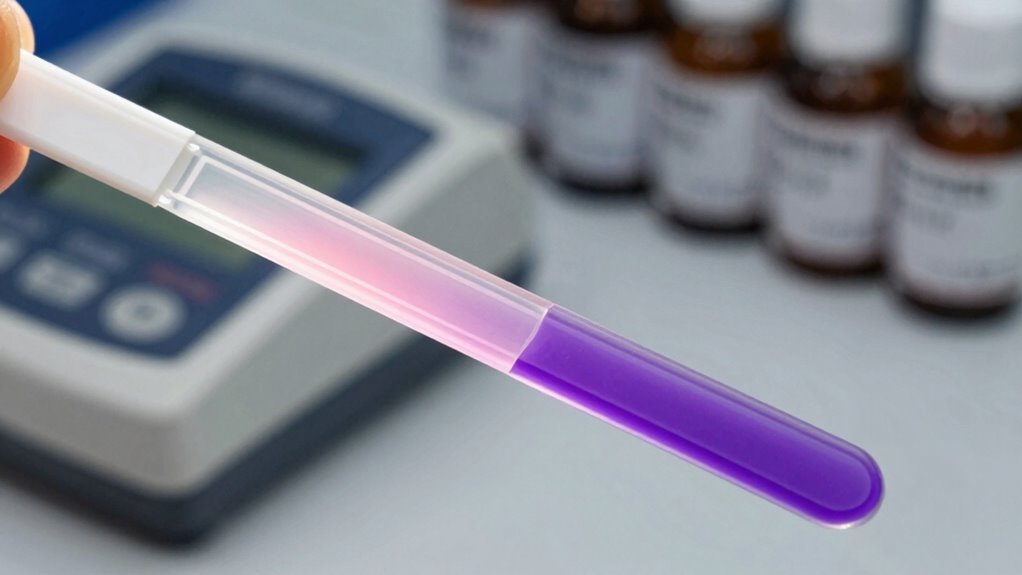

If your nitrate test results make you panic, stay calm and understand that numbers above 10 mg/L can pose health risks, especially for infants and pregnant women. However, proper testing using reliable procedures is key before jumping to conclusions. Levels below the EPA limit are generally safe, but ongoing monitoring and expert advice are essential to keep your water safe. To know exactly what your results mean and what to do, keep exploring the information available.

Get home appliances delivered free with Prime
- Fast, free delivery on millions of items
- Prime Video, Amazon Music and more included
- Member-only deals all year
Key Takeaways
- Nitrate levels above 10 mg/L may pose health risks, especially for infants and pregnant women.
- Confirm your test accuracy by following proper sampling and analysis procedures.
- Consult water quality experts or local health authorities to interpret your results correctly.
- Elevated nitrate levels might require water treatment or source changes to ensure safety.
- Regular testing and monitoring help detect fluctuations and maintain safe drinking water.
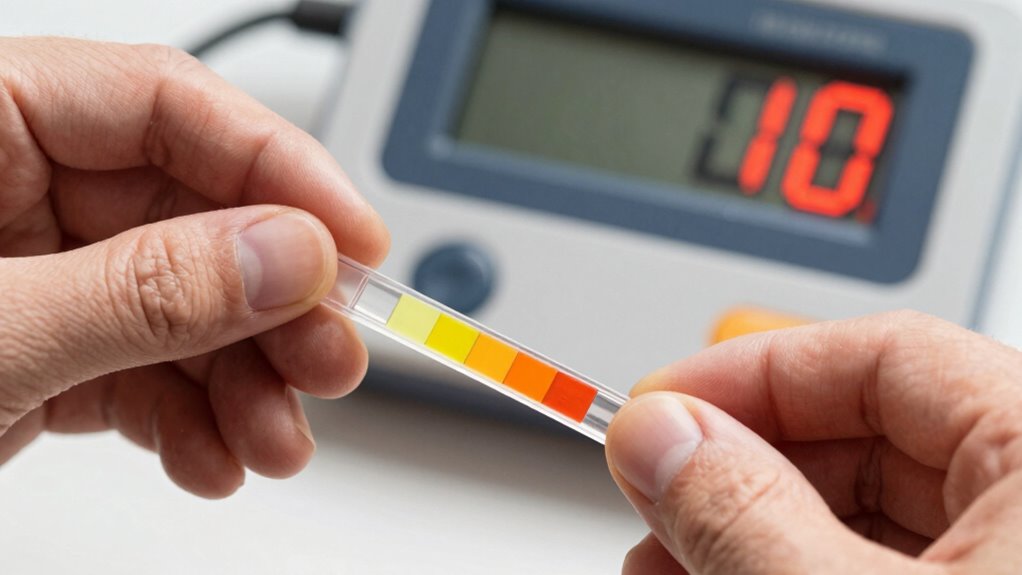
Have recent nitrate test results sparked widespread concern? If so, you’re not alone. When the numbers from your water testing come back, it’s natural to feel anxious, especially if the results show elevated nitrate levels. But before jumping to conclusions, it’s important to understand what those numbers truly mean and how they relate to water safety. Your first step should be to review the testing procedures used, as the accuracy of the results depends heavily on proper sampling and analysis. Reliable testing procedures follow strict protocols, ensuring that the data reflects your water source accurately. If the testing was conducted correctly, then the results provide a solid foundation for evaluating your water’s safety.
Understanding the significance of nitrate levels is essential. Nitrates are naturally occurring compounds, but they can become a concern when they reach certain concentrations, especially in drinking water. The Environmental Protection Agency (EPA) has set the maximum contaminant level (MCL) for nitrates at 10 milligrams per liter (mg/L). If your test results exceed this limit, it’s a signal that potential health risks may exist, particularly for infants and pregnant women. However, if the levels are below the MCL, your water is generally considered safe to drink. Remember, these numbers are just one part of the bigger picture—other factors like water source, local agricultural practices, and well maintenance can influence nitrate levels over time.
If your results show high nitrate levels, don’t panic. The next step is to consult with water quality experts or local health agencies to interpret the data properly. They can help determine whether your water requires treatment or if additional testing is necessary. Common water safety measures include installing nitrate removal systems or switching to a different water source until the issue is resolved. Regular testing is also key; nitrates can fluctuate, especially in areas impacted by agriculture or septic systems. Setting up a routine testing schedule can help you stay informed about your water quality and quickly identify any changes.
Additionally, understanding reliable testing procedures can help you ensure the accuracy of your results and prevent unnecessary worry. Ultimately, understanding the testing procedures and what your nitrate test results indicate empowers you to take appropriate action. Rather than reacting out of fear, approach the situation with a clear plan: verify the accuracy of your results, consult professionals, and implement solutions if needed. Proper knowledge and prompt steps can safeguard your health and restore confidence in your water supply. Remember, you play a pivotal role in ensuring water safety, and staying informed is your best tool for peace of mind.
As an affiliate, we earn on qualifying purchases.
Frequently Asked Questions
How Often Should I Test My Nitrate Levels?
You should test your nitrate levels at least once a month to make certain proper nitrate monitoring. If you notice changes in water quality or have a new fish addition, increase testing frequency to weekly. Regular testing helps prevent dangerous spikes and keeps your aquatic environment safe. Keep track of your results, and adjust your maintenance routine accordingly to maintain healthy nitrate levels and avoid potential problems.
Can Diet Influence Nitrate Test Results?
Did you know that up to 50% of nitrate levels in water can stem from your diet? Yes, your diet can influence nitrate test results since dietary sources like leafy greens and processed meats contain nitrates. Water contamination from agricultural runoff also plays a role. Eating a balanced diet and understanding your water source helps manage nitrate levels, giving you control over your health and peace of mind.
What Are the Long-Term Health Effects of High Nitrates?
High nitrates can lead to nitrate toxicity, especially with chronic exposure. Over time, this can cause health problems like methemoglobinemia, which reduces oxygen delivery in your blood, and might increase your risk of certain cancers. Long-term exposure to elevated nitrates stresses your body’s systems and could impair your overall health. It’s essential to monitor and limit nitrate intake to prevent these potential health risks from building up.
Are There Different Nitrate Standards for Children?
Yes, there are different nitrate standards for children. Pediatric guidelines set age-specific standards to protect kids since their developing bodies are more vulnerable. You should be aware that the EPA’s maximum contaminant level for nitrates in drinking water is 10 mg/L, but some regions implement stricter standards for children, especially infants, to prevent health issues like methemoglobinemia. Always check local regulations and consult with healthcare providers for guidance.
How Do Environmental Factors Affect Nitrate Readings?
Did you know that nearly 60% of water contamination incidents are linked to agricultural runoff? Environmental factors like heavy rainfall and droughts profoundly influence nitrate readings, as runoff from farms introduces nitrates into water sources. When it rains, nitrates from fertilizers wash into wells and streams, raising levels. Droughts can concentrate nitrates, making contamination worse. Staying aware of these factors helps you understand fluctuations in nitrate results and protect your water quality.
water filtration system for nitrates
As an affiliate, we earn on qualifying purchases.
As an affiliate, we earn on qualifying purchases.
Conclusion
So, don’t let nitrate numbers turn your world upside down. Remember, a single reading isn’t the end of the story—your water’s health depends on the bigger picture. Trust the experts, stay informed, and don’t panic over a fleeting number. If you take action wisely, you’ll be as resilient as a fortress, knowing your water is safe for you and your family. Stay calm, stay informed, and keep your peace of mind intact.
As an affiliate, we earn on qualifying purchases.
As an affiliate, we earn on qualifying purchases.
Halloween Picks
halloween
As an affiliate, we earn on qualifying purchases.