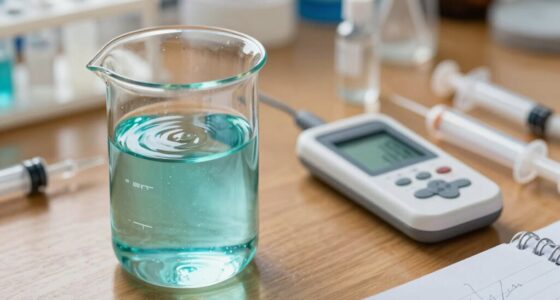

First-draw samples are vital because they show the highest level of lead in your tap water after sitting in your pipes for hours. This initial sample reflects the accumulated lead particles that can leach from old pipes and fixtures. Testing this way helps you understand your household’s true exposure risk and whether your plumbing is a source of lead contamination. Keep exploring to learn how proper testing and measures can protect your health.

Get home appliances delivered free with Prime
- Fast, free delivery on millions of items
- Prime Video, Amazon Music and more included
- Member-only deals all year
Key Takeaways
- First-draw samples capture water that has been sitting in pipes, revealing the highest potential lead levels.
- They accurately reflect the lead exposure risk during typical household water use.
- Collecting first-draw samples helps identify if plumbing fixtures are contributing to lead contamination.
- Routine testing of first-draw water informs necessary actions like pipe replacement or filtration.
- Understanding first-draw results is essential for assessing long-term lead exposure risks at home.
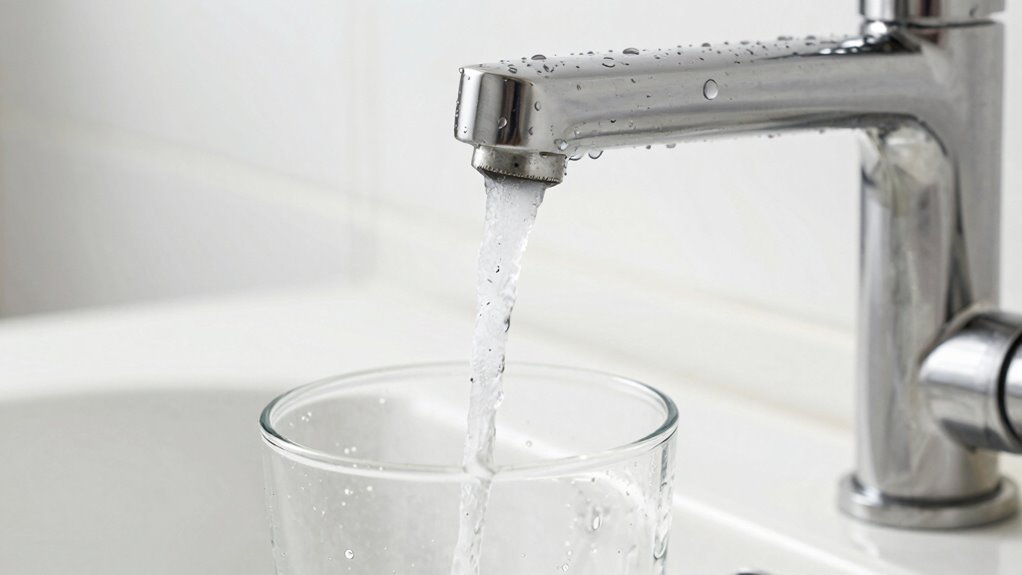
Many homes still have lead pipes or fixtures that can contaminate tap water, posing health risks especially to children and pregnant women. Understanding why lead testing at the tap is so important begins with recognizing how lead enters your drinking water. Over time, pipe corrosion accelerates as water interacts with old lead pipes and fixtures. This process releases lead particles directly into your tap water, often in small but potentially harmful amounts. The first draw of water from the tap—what you get immediately after turning on the faucet—is especially telling because it reflects the water that has been sitting in those lead-containing pipes for hours. That’s why testing first-draw samples is so critical; it provides the most accurate picture of lead exposure risks in your household. Additionally, the contrast ratio of your water testing results can influence how you interpret the severity of contamination, especially when comparing lead levels across different samples.
You might not think much about it, but consumer awareness plays a crucial role in safeguarding your health. Many homeowners are unaware that their plumbing could be a source of lead contamination, especially if fixtures or pipes are decades old. By being proactive and understanding the significance of first-draw samples, you can better assess your risk. When you test the water, collecting a first-draw sample means capturing the water that’s been stationary in the pipes long enough to accumulate any lead particles. This snapshot helps identify whether your plumbing is contributing to lead exposure, which often isn’t detectable through routine water testing methods that ignore the initial flow.
Knowing this, you can take steps to reduce your risk, such as flushing your pipes before drinking or cooking, especially if you haven’t used the water in a while. However, these measures don’t replace the need for actual lead testing, which provides definitive results. If tests reveal lead levels above safety thresholds, you’ll need to consider more extensive solutions—like replacing old pipes or installing certified filters. Increasing consumer awareness about pipe corrosion and its effects empowers you to demand better water quality and advocate for necessary infrastructure upgrades in your community.
Ultimately, understanding the importance of first-draw samples and the impact of pipe corrosion puts you in control of your health. Regular testing, combined with awareness about your plumbing system, allows you to mitigate potential risks. Remember, lead exposure isn’t something to take lightly. By staying informed and proactive, you protect not only yourself but also your family from the serious health consequences associated with lead in drinking water.
As an affiliate, we earn on qualifying purchases.
Frequently Asked Questions
How Often Should I Test My Tap Water for Lead?
You should test your tap water for lead at least once a year to check for contamination. Regular water sampling helps identify any changes in lead levels, especially if plumbing has been altered or if there’s new construction nearby. If you notice discolored water or a strange taste, do an immediate test. Consistent testing guarantees your water remains safe, and early detection of lead contamination can prevent health risks for your family.
Can Home Filters Completely Remove Lead From Tap Water?
Home filters act like guardians, but they can’t promise to wipe out every trace of lead. While high-quality filters markedly reduce lead levels, their effectiveness varies, and they might not completely remove all lead particles. Think of them as shields, offering strong protection but not absolute. To guarantee the safest water, combine filter use with regular testing, because knowing your water’s true story is the best defense against hidden lead dangers.
What Specific Materials in Plumbing Contribute to Lead Leaching?
Your plumbing fixtures and solder joints often contain lead, which can leach into your tap water. Older fixtures, especially those made before 2014, are more likely to have lead-based solder and materials. When water sits in your pipes, lead dissolves into it, especially during stagnation. To reduce exposure, consider replacing old fixtures and solder joints with lead-free alternatives, and run your tap for a few moments before using water for drinking or cooking.
Are There Health Effects From Low-Level Lead Exposure?
Yes, even low-level lead exposure can harm your health. Lead absorption in your body may cause neurological effects, especially in children, leading to learning disabilities and behavioral issues. In adults, it can increase blood pressure and damage kidneys. Although the exposure is low, the cumulative impact matters. It is crucial to reduce lead intake from drinking water to protect your health and prevent long-term neurological effects.
How Can I Find Certified Labs for Lead Testing?
Finding certified labs is like exploring a map—look for laboratories with proper accreditation, such as those certified by the EPA or state agencies. You can start by visiting official websites that list accredited laboratories, ensuring they follow the certification process. Always verify their credentials, as accredited labs meet strict standards, giving you confidence in your lead testing results and helping protect your health.
As an affiliate, we earn on qualifying purchases.
Conclusion
By testing your tap water first draw, you spot lead before it spreads, before it causes harm, before it becomes a risk. By understanding what’s in your water, by taking action today, by protecting your health tomorrow, you stay informed, stay safe, stay proactive. Remember, the first draw is your first line of defense. Test, trust, and take control—because your water quality depends on what you do now.
As an affiliate, we earn on qualifying purchases.
As an affiliate, we earn on qualifying purchases.
Halloween Picks
halloween
As an affiliate, we earn on qualifying purchases.