
Your city’s Water Quality Reports highlight key information that matters most—such as contaminant levels, disinfectant residuals, and any violations. Service updates alert you to maintenance, upgrades, or issues that could temporarily affect taste or safety. Focus on these sections to stay informed about your tap water’s safety and quality. If you keep exploring, you’ll discover how each detail impacts your daily water use and health.
Key Takeaways
- Focus on water quality parameters like lead, chlorine, bacteria, and pollutants to assess safety and identify potential issues.
- Review contaminant levels against regulatory limits to determine if water meets safety standards.
- Pay attention to service updates about system maintenance, upgrades, or emergency notices affecting water quality.
- Understand treatment processes and recent system changes to interpret fluctuations in water taste, odor, or safety.
- Regularly reviewing CCRs empowers consumers to stay informed and advocate for safe, high-quality drinking water.
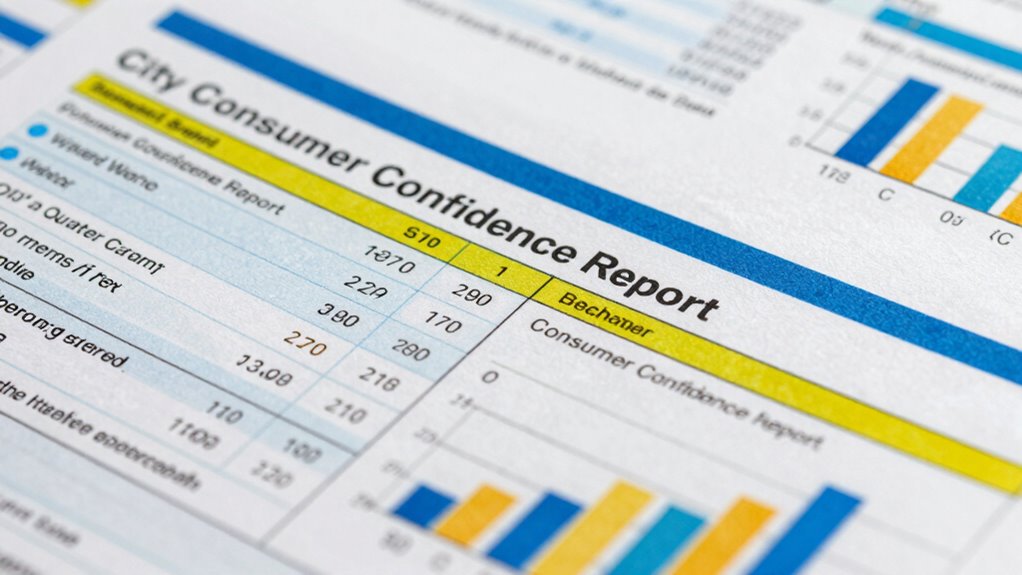
Have you ever wondered what your city’s water quality reports reveal about the water you drink? These reports, known as Consumer Confidence Reports (CCRs), are designed to give you a snapshot of your tap water’s safety and quality. While they can seem complex at first glance, understanding the key lines that matter makes it easier to stay informed about what’s coming out of your faucet. When you review your city’s CCR, pay close attention to the sections that detail water quality parameters and service updates, as these reveal the health of your water system and any recent changes affecting your supply.
Review your water quality reports carefully to stay informed about your tap water’s safety and recent system updates.
The water quality section is the core of the report. It lists contaminants and substances tested for, such as lead, chlorine, bacteria, and other potential pollutants. You’ll want to look for the levels of these substances, especially if they’re above or near regulatory limits. Elevated lead levels, for example, can signal issues with plumbing rather than the water source itself, so it’s essential to understand whether the city’s water treatment is effectively controlling such risks. Notice any mentions of disinfectants like chlorine or chloramine, which are common in municipal water treatment. If these levels fluctuate or are higher than usual, it could impact taste, odor, or safety, prompting you to stay alert to service updates or advisories.
Service updates are equally important because they inform you of changes in your water system that could affect water quality or supply. These updates might include maintenance work, system upgrades, or emergency notices. For example, if your city is replacing old pipes or conducting flushing procedures, it could temporarily alter water taste or cause discoloration. Staying aware of these updates helps you understand if any anomalies in your water are temporary or indicative of a larger problem. Sometimes, service updates also include notifications about water advisories, boil orders, or other safety measures. Recognizing these lines in the CCR allows you to take necessary precautions without unnecessary concern.
Additionally, understanding the water treatment processes used by your city can help you better interpret the report and the safety of your water supply. Ultimately, the CCR is a crucial tool that empowers you to understand what’s happening with your water. By focusing on water quality data and service updates, you can determine if your water is safe and whether any recent changes might impact its safety or your daily routines. Regularly reviewing these reports isn’t just about compliance; it’s about being proactive and informed. When you understand the lines that matter most, you’re better equipped to advocate for your health and ensure your water meets safety standards. Knowledge is power, and in the case of your water supply, it keeps you safe and prepared.

CuZn UC-200 Under Sink Water Filter, NSF/ANSI 42 & 372, 5-Year Filter Life
- Long-lasting filter life: 5-year filtration lifespan
- Cost-effective filtration: Better value than 6-month filters
- 3-stage filtration system: Micro Sediment, KDF-55, Coconut Carbon
As an affiliate, we earn on qualifying purchases.
As an affiliate, we earn on qualifying purchases.
Frequently Asked Questions
How Often Do City Water CCRS Get Updated?
You should expect your city water CCRs to be updated annually. This frequency helps guarantee water quality information stays current and meets compliance deadlines set by regulatory agencies. By reviewing these reports each year, you stay informed about any changes in water quality, potential risks, or improvements. Regular updates help you make safe choices and hold your water supplier accountable for maintaining high standards.
Who Can I Contact for Ccr-Related Questions?
You can contact your local water utility or city government office for CCR-related questions—because who doesn’t love a good chat about legal compliance? They’re enthusiastic to foster community engagement and ensure you understand your water quality. Expect friendly staff ready to decode the details and answer your questions. After all, staying informed about your water is a shared responsibility that benefits everyone, don’t you think?
Are There Penalties for Non-Compliance With CCRS?
Yes, there can be penalties for non-compliance with CCR regulations, which aim to protect water quality and uphold customer rights. If you neglect to follow reporting requirements or provide accurate information, authorities may impose fines or other sanctions. Staying compliant ensures you maintain transparency and trust with customers while safeguarding water standards. Always review CCR guidelines carefully to avoid penalties and make sure you’re meeting your legal obligations.
How Do CCRS Impact Water Service Fees?
Your water service fees can skyrocket due to CCRs, especially if you miss customer notifications or face billing disputes. These notices inform you about rate changes and charges, helping you avoid surprises. Ignoring them might lead to unexpected costs or service disruptions. CCRs directly influence fees by setting policies that ensure fair billing, so staying informed helps you manage your bills and avoid costly misunderstandings or penalties.
Can Residents Request Amendments to CCRS?
Yes, as a resident, you have homeowner rights that include requesting amendments to CCRs. You should follow the official amendment procedures outlined by your homeowner association or local governing body. Typically, this involves submitting a formal petition, gathering support from other homeowners, and participating in meetings where amendments are discussed. Be proactive, stay informed about your rights, and work collaboratively to bring about necessary changes.

Waterdrop 10UA Under Sink Water Filter System, NSF/ANSI 42 Certified 1 Year
- Affordable Replacement Filters: Less than $25.99 per filter, saves over 50%
- Customer Support: Backed by comprehensive service for quality issues
- Designed for Cold Tap Water: Compatible only with municipal cold water sources
As an affiliate, we earn on qualifying purchases.
As an affiliate, we earn on qualifying purchases.
Conclusion
Understanding the city water CCRs helps you see which lines truly matter for your service and safety. Did you know that just 10% of the pipeline network delivers over 90% of the water? Recognizing these critical lines can help you better appreciate how your city’s water system operates and where to focus your attention. Stay informed, and you’ll be better equipped to spot issues that impact your daily water quality and reliability.

Varify 17in1 Complete Drinking Water Test Kit – 100 Strips + 2 Bacteria Tester Kits – Well, Tap, Home, City Water Testing Strip for Lead, Alkaline, Chlorine, Hardness, Iron, Fluoride, Copper & More
- Number of Parameters Tested: 17 essential water quality parameters
- Comprehensive Water Analysis: Detects contaminants and imbalances
- Premium Quality Strips: Professional-grade, reliable test strips
As an affiliate, we earn on qualifying purchases.
As an affiliate, we earn on qualifying purchases.

EcoPure EPW2 Whole Home Water Filtration System – Municipal & Well Water – Reduces Sediment, Rust, Dirt & Chlorine Taste & Odor – Includes Mounting Bracket, Pressure Release Button & Sump Wrench
- Whole Home Water Protection: Protects plumbing and appliances from contaminants
- Reduces Chlorine & Odor: Improves water taste and smell
- Universal Compatibility: Fits EcoPure and major brand filters
As an affiliate, we earn on qualifying purchases.
As an affiliate, we earn on qualifying purchases.