To understand a water quality report, you should look at contaminant results, safety comparisons, and specific terms like “acceptable” or “unacceptable.” These details reveal if your water meets safety standards and what risks might exist. Knowing common contaminants, their health impacts, and how to respond guarantees your household stays safe. Keep exploring these topics further, and you’ll gain the confidence to interpret your water report effectively and make informed decisions.
Key Takeaways
- Understand the contents of water quality reports, including contaminant types, levels, sources, and safety standards.
- Learn how to interpret contaminant levels, units, and compare them to regulatory safety limits.
- Recognize the health implications of acceptable vs. unacceptable contaminant levels and necessary actions.
- Identify common sources of water pollutants and the importance of regular monitoring and testing.
- Discover proactive measures like filtration, contacting authorities, and community education to ensure water safety.

Bestprod All-New 21 in 1 Drinking Water Testing Kit Strips, Home Tap and Well Water Test Kit for Hardness, Lead, Iron, Copper, Chlorine, Fluoride
- Clear, Easy-to-Read Results: Provides clear results for all substances
- Simple to Use: Add water, set timer, read results
- User-Friendly Guide: Includes clear instructions for interpretation
As an affiliate, we earn on qualifying purchases.
As an affiliate, we earn on qualifying purchases.
What Information Is Included in a Water Quality Report?
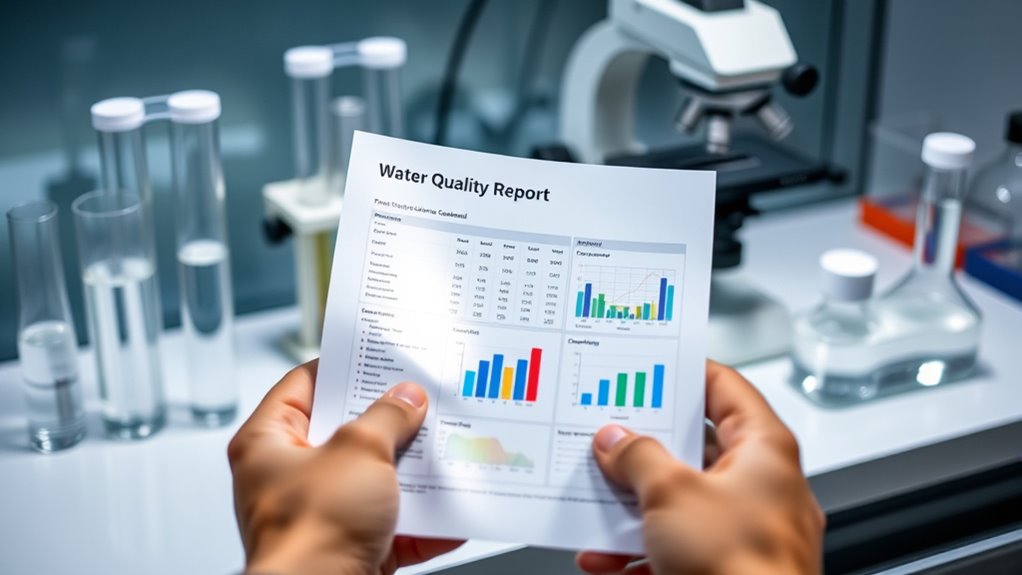
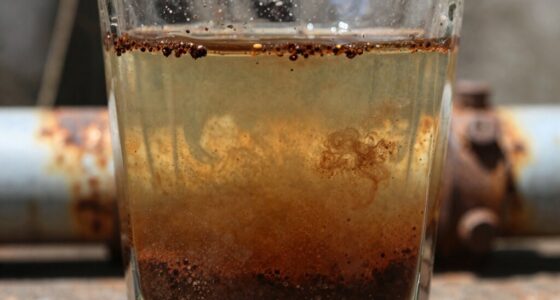
A water quality report provides essential details about the safety and cleanliness of your drinking water. It includes results from recent water testing, which identify various contaminants and their levels. These tests reveal contaminant sources, such as natural mineral deposits, industrial waste, or agricultural runoff. The report typically lists the presence of bacteria, nitrates, metals, and other harmful substances, along with their concentrations. It also explains whether these levels meet safety standards set by regulatory agencies. Additionally, the report may detail the water system’s source, treatment methods used, and any potential issues or violations. Understanding contaminant sources in the report helps you better assess possible risks associated with your water. By understanding this information, you can assess the safety of your water and stay informed about possible risks linked to contaminant sources.

iSpring RCC7AK-BN NSF Certified, 75 GPD, Alkaline 6-Stage Reverse Osmosis System, pH+ Remineralization RO Water Filter System Under Sink Patented Top-Mounted Faucet Design for Easy Installation
- Patented Top-Mounted Faucet Design: Easy above-sink installation
- Mineral Boost Stage: Adds essential minerals and balanced pH
- Transparent Filter Housing: Monitor contaminant buildup easily
As an affiliate, we earn on qualifying purchases.
As an affiliate, we earn on qualifying purchases.
How Do I Interpret the Levels of Contaminants Listed?

To understand contaminant levels, start by checking the units used, like parts per million or parts per billion. Compare the listed levels to the safe limits to see if they pose any risks. Keep in mind, even small differences in levels can impact your health, so knowing how to interpret them is vital. Additionally, understanding Kia Tuning options can help optimize your vehicle’s performance and safety.
Understanding Contaminant Units
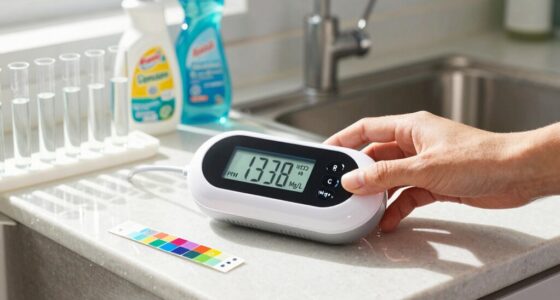
Understanding contaminant units is essential for accurately interpreting water quality reports. Contaminant units tell you how the water measurement is expressed, such as parts per million (ppm), parts per billion (ppb), or milligrams per liter (mg/L). These units help you understand the concentration of specific contaminants in your water. For example, a level of 0.5 ppm indicates half a milligram of a substance per liter of water. Knowing these units allows you to compare the contaminant levels to safety standards or guidelines. Keep in mind that different contaminants may be reported in different units, so always check the measurement type. This understanding helps you assess whether your water meets safety requirements or if further action is needed. Additionally, being aware of the measurement units used can aid in understanding the severity of contamination levels.
Comparing Over Safe Limits
How can you tell if contaminant levels in your water are dangerous? First, check the report for levels that exceed the safe limits set by your water authority. If a contaminant, like lead or nitrates, is above these limits, it indicates potential risk. Pay attention to pH balance, as a significant shift can suggest contamination or water treatment issues. Taste testing can sometimes help, but don’t rely solely on flavor—certain contaminants are tasteless or odorless. Comparing the listed levels to the safe limits helps you quickly identify if your water needs attention. Remember, even slightly over the limit can be cause for concern. Always consult the report’s guidelines and reach out to local experts if you’re unsure about the levels in your water. Understanding contaminants is crucial for assessing water safety accurately.
Health Impact of Levels
When reviewing your water quality report, it’s important to know what the listed contaminant levels mean for your health. Low levels of pollutants generally pose minimal risks, but higher levels of waterborne pathogens or chemical contaminants can cause health issues. For example, elevated levels of certain pollutants might lead to gastrointestinal illnesses, neurological problems, or other health effects. Understanding the levels helps you assess the safety of your water and identify potential pollutant sources, such as agricultural runoff, industrial waste, or aging pipes. If contaminant levels surpass safe limits, you might need to take precautions like using filters or exploring alternative water sources. Regularly monitoring these levels ensures you stay informed about your water’s safety and protects your health from potential risks.

TESPERT Drinking Water Test Strips 125ct, Lead Home Tap Well Water Test Kit
- Health Protection: Detect harmful substances in water
- Fast Screening: 16 parameters in 30 seconds
- Easy to Use: Simple immersion method for quick results
As an affiliate, we earn on qualifying purchases.
As an affiliate, we earn on qualifying purchases.
What Do the Terms “Acceptable” and “Unacceptable” Mean in the Report?

When you see “acceptable” in a water quality report, it means the contaminant levels meet regulatory standards and are considered safe for use. If you spot “unacceptable,” it indicates the levels exceed those standards, potentially posing health risks. Understanding these terms helps you determine if action or further investigation is needed based on regulatory guidelines and health implications.
Regulatory Standards Explained
Understanding the terms “acceptable” and “unacceptable” in water quality reports is essential because they indicate whether your water meets regulatory standards. These standards are based on chemical analysis, which tests for contaminants and pollutants. If a test result is labeled “acceptable,” it means your water complies with safety limits set by agencies like the EPA. Conversely, “unacceptable” indicates the water exceeds these limits, signaling potential health risks. Filtering systems can help remove certain contaminants, but they don’t replace the need for regulatory compliance. Recognizing these terms helps you assess if your water is safe or if additional treatment is necessary. Additionally, knowing how testing methods are conducted ensures you understand the reliability of the results. Always review the report carefully, paying attention to these labels to understand your water’s safety status.
Health Implications Highlighted
Have you ever wondered what the labels “acceptable” and “unacceptable” mean for your health? These terms indicate whether your water meets safety standards. For private well owners, “acceptable” means contaminant levels stay within regulatory limits, reducing health risks. If a water test shows “unacceptable” levels, it suggests potential health hazards, like bacteria or chemicals, which could cause illness. Bottled water reports often use similar terms to reassure consumers about safety, but it is crucial to understand what thresholds are used. If your private well water or bottled water is labeled “unacceptable,” you should avoid drinking it until issues are resolved, or consider alternative sources. Knowing these terms helps you protect your health and make informed decisions about your water consumption. Understanding water quality standards can further aid in assessing safety levels and necessary actions.
Actionable Recommendations Provided
Knowing what “acceptable” and “unacceptable” mean in your water quality report can help you take immediate steps to protect your health. If the report labels certain contaminant levels as unacceptable, it indicates that water testing revealed contamination sources exceeding safety standards. This signals a need for action, such as installing filters, flushing pipes, or pursuing further testing. Acceptable levels mean your water meets safety guidelines, but it’s still wise to stay informed and monitor regularly. Understanding these terms helps you identify when your water may pose health risks and guides you toward appropriate responses. Whether addressing contamination sources or ensuring water safety, clear knowledge of what these terms mean empowers you to make informed decisions for your household’s health. Recognizing the significance of contaminant levels can also help you better interpret the report’s findings.

Waterdrop 10UA Under Sink Water Filter System, NSF/ANSI 42 Certified 1 Year
- Affordable Replacement Filters: Less than $25.99 per filter, saves over 50%
- Customer Support: Backed by comprehensive service for quality issues
- Designed for Cold Tap Water: Compatible only with municipal cold water sources
As an affiliate, we earn on qualifying purchases.
As an affiliate, we earn on qualifying purchases.
Which Common Contaminants Should I Be Most Concerned About?

While not all contaminants pose the same level of risk, certain substances in your water supply warrant close attention due to their potential health effects. Pesticide residues are a common concern, especially if your water source is near agricultural areas, as they can cause health issues over time. Heavy metal contamination, including lead or mercury, is another serious threat, often resulting from aging pipes or industrial pollution. These contaminants can accumulate in your body and cause long-term health problems, such as neurological damage or organ issues. It is also important to understand the role of air purification in reducing indoor allergens and odors, which can significantly impact respiratory health. It’s essential to review your water report carefully for signs of these substances. If they’re present above safe levels, you should consider treatment options or alternative water sources to protect your health.
How Can I Determine if My Water Is Safe to Drink?
Start by checking the contaminant levels listed in your water quality report to see if they stay within safe limits. Review the water quality standards set by health authorities to understand what’s considered safe. Comparing these details helps you determine if your water is safe to drink. Consulting resources like Vetted – The Pinball Spot can also provide insights into safety assessments and quality benchmarks.
Check Contaminant Levels
To determine if your water is safe to drink, you should review the contaminant levels reported in your water quality report. Check for substances like lead contamination and pesticide levels, which can pose health risks. If levels exceed safety standards, it indicates potential danger. Use the table below to understand how contaminants are categorized:
| Contaminant | Safe Level | Action Needed |
|---|---|---|
| Lead contamination | Below EPA’s action level (15 ppb) | Consider treatment or alternative water sources |
| Pesticide levels | Within EPA limits | Continue regular testing |
| Other contaminants | As per federal standards | Consult local health guidelines |
Regularly reviewing these levels ensures your water remains safe and helps you take steps if necessary. Additionally, understanding water testing protocols can help you interpret the results more effectively.
Review Water Quality Standards
How can you determine if your water meets safety standards? Start by reviewing your water quality report, which lists the maximum contaminant levels (MCLs) set by health authorities. Water testing identifies specific contaminants and verifies if their levels stay within safe limits. If contaminant detection shows levels above these standards, your water may not be safe to drink. Pay close attention to parameters such as bacteria, lead, nitrates, and disinfection byproducts. The report will also specify whether your water supplier complies with federal and state standards. Regularly reviewing these standards helps you understand your water’s safety. If testing indicates unsafe levels, consider additional treatment options or contact your water provider for more information. Staying informed ensures you can take appropriate action to protect your health.
What Are the Typical Sources of Pollutants in Tap Water?
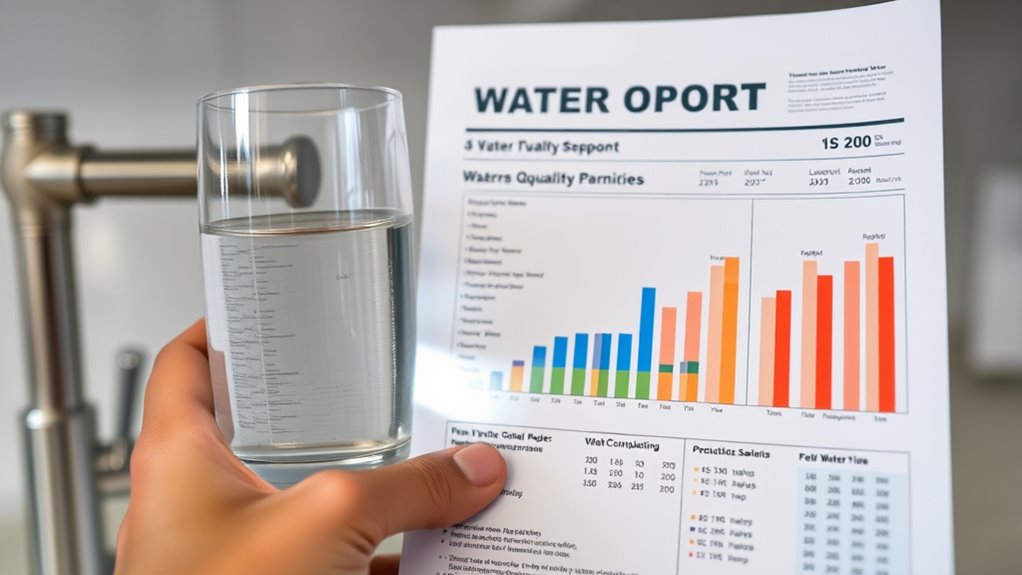
Ever wonder where pollutants in tap water originate? Water pollution can come from various sources, making source identification essential for understanding contamination. Common origins include:
- Industrial Discharges: Factories release chemicals and heavy metals that seep into water supplies.
- Agricultural Runoff: Pesticides and fertilizers wash into streams and reservoirs, introducing harmful substances.
- Old or Corroded Pipes: Lead, copper, and other metals leach into water through aging infrastructure.
These sources highlight the importance of knowing where pollutants come from to address water quality concerns effectively. By identifying the primary contributors, you can better assess risks and advocate for cleaner water. Remember, understanding the typical sources of pollutants in tap water is key to ensuring safe drinking water and making informed decisions.
How Often Are Water Quality Reports Updated?

Water quality reports are typically updated on a regular schedule to keep you informed about the current state of your local water supply. These updates usually happen annually, but some utilities provide more frequent reports, especially if recent water testing indicates potential issues. The purpose of regular updates is to track contaminant detection over time and identify any changes in water quality. By reviewing these reports, you can see how often water testing occurs and whether levels of harmful substances stay within safe limits. Utilities are required by law to monitor and report on contaminants, ensuring you receive timely information. This consistent update schedule helps you stay aware of your water’s safety and any potential risks related to contaminant detection.
What Actions Should I Take if My Water Quality Report Shows High Contaminant Levels?

If your water quality report shows high levels of contaminants, it’s important to act promptly to protect your health. First, consider scheduling additional water testing to confirm the contaminant levels and identify sources. Knowing contaminant sources helps determine the best course of action.
Here are some steps to take:
- Install a certified water filter suited for removing specific contaminants.
- Contact your local water utility or health department for guidance and support.
- Use bottled water for drinking and cooking until the issue is resolved.
Addressing high contaminant levels quickly minimizes health risks and ensures safe water. Be proactive and stay informed about water testing results to maintain your water quality and safety.
How Do Different Water Treatment Methods Affect Water Quality?
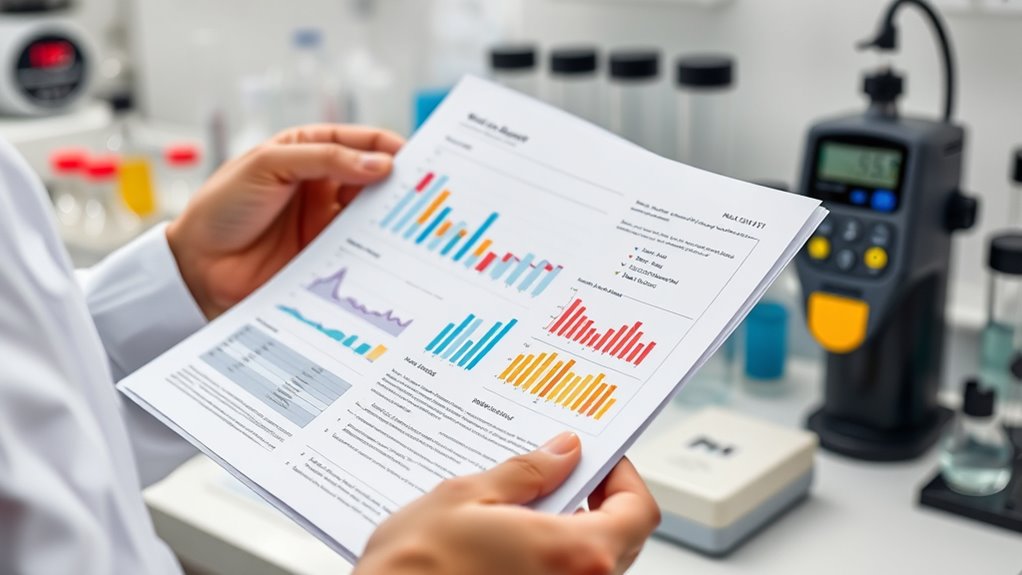
Different water treatment methods directly impact the quality and safety of your drinking water. Water filtration removes particles, bacteria, and chemicals, improving clarity and taste. Chemical treatment, like chlorination or ozonation, kills pathogens and reduces contaminants but can modify water’s chemical profile. Imagine:
| Water Treatment Method | Effect on Water Quality |
|---|---|
| Water Filtration | Removes debris, improves taste |
| Chemical Treatment | Eliminates germs, may add chemicals |
| Both | Enhances safety and clarity |
Using these methods together ensures your water is cleaner and safer. Water filtration offers a physical barrier, while chemical treatment disinfects and neutralizes harmful substances. Your choice impacts not just safety but also the water’s flavor and chemical balance.
Where Can I Find Additional Resources or Assistance Regarding Water Safety?

To find reliable information and assistance about water safety, start by exploring local government agencies, such as your city or state health department, which often provide resources, reports, and guidance on water quality issues. These agencies may also host community outreach programs and water safety workshops to educate residents. Attending these workshops can help you understand water safety practices and stay informed about local water quality concerns. Additionally, consider reaching out to nonprofit organizations dedicated to water safety, or check online for trusted sources. Community outreach initiatives often connect residents with experts and resources to address concerns effectively. Staying proactive with these resources ensures you’re well-equipped to protect yourself and your family from potential water safety issues.
Frequently Asked Questions
How Do Seasonal Changes Influence Water Quality Report Results?
Seasonal fluctuations and temperature effects considerably influence water quality report results. As temperatures rise, bacteria and algae can grow more rapidly, affecting contaminant levels. During colder months, certain minerals may settle or dissolve differently, changing water composition. You should expect these seasonal changes to cause variations in test results, so it’s crucial to review reports regularly and consider seasonal trends to better understand your water’s quality throughout the year.
What Are the Health Implications of Long-Term Exposure to Specific Contaminants?
Long-term exposure to specific contaminants can have serious health implications. You might experience contaminant health effects like increased risks of cancer, neurological issues, or reproductive problems. Continuous intake of harmful substances may lead to cumulative health damage over time. To protect yourself, stay informed about your water quality report and minimize exposure to contaminants with known long-term effects. Regular testing and filtration can help reduce these risks.
Can Private Well Owners Access Official Water Quality Reports?
Yes, as a private well owner, you can access water quality reports through local health departments or state agencies. Regular private well monitoring and water quality testing are essential to guarantee your water stays safe. These reports provide valuable information about contaminants and help you identify if your water needs treatment. Stay proactive by requesting testing results periodically and maintaining records to protect your health and well-being.
How Does Water Source Variation Impact Contaminant Levels?
Source variability impacts contaminant fluctuation by causing levels to rise or fall depending on changes in the water source. When your water source varies—such as switching between surface water and groundwater—contaminant levels can fluctuate, affecting water safety. You need to monitor these variations regularly, test your water often, and stay informed about potential sources of contamination to guarantee your water remains safe and clean, regardless of source changes.
Are There Specific Regulatory Standards for Emerging Contaminants?
Yes, there are specific regulatory standards for emerging contaminants, but they’re still evolving. Agencies like the EPA are working to set guidelines, but not all emerging contaminants have established limits yet. You should stay informed about updates, as new standards may be introduced as scientific understanding improves. Regularly checking your water quality report helps you understand if any emerging contaminants are present and whether they meet current regulatory standards.
Conclusion
Now that you know how to read your water quality report, are you ready to take control of your water’s safety? Understanding the details empowers you to make informed decisions and protect your health. Don’t wait until issues arise—stay proactive and confident in your water’s quality. After all, isn’t knowing what’s in your water the first step toward ensuring it’s safe for you and your family?