Before your baby arrives, it’s vital to test your home’s water for nitrates and lead to guarantee a safe environment. Schedule tests through certified labs or use trusted home kits to get clear results. If levels are high, install certified filters like reverse osmosis to remove contaminants effectively. Regular testing and proper treatment safeguard your newborn’s health. Keep exploring how to maintain a safe home for your little one with these essential steps.

Get home appliances delivered free with Prime
- Fast, free delivery on millions of items
- Prime Video, Amazon Music and more included
- Member-only deals all year
Key Takeaways
- Schedule water testing through certified labs or trusted home kits to detect nitrates and lead levels before the baby’s arrival.
- Understand test results and install certified water filters or reverse osmosis systems if contaminants exceed safety thresholds.
- Regularly retest water quality after treatment or plumbing changes to ensure ongoing safety for the newborn.
- Use filters certified to remove nitrates and lead, and maintain them properly for effective water safety.
- Implement additional home safety measures like securing hazardous materials and ensuring working detectors to create a safe environment for the baby.

Are you wondering where to start when preparing for your new baby? One of the most important steps is making certain your home is safe, especially when it comes to water quality. Water testing plays an essential role in protecting your little one from potential hazards like nitrates and lead, which can pose serious health risks. Before your baby arrives, take the time to test your tap water, especially if you have well water or live in an older home. Nitrates, often from agricultural runoff or septic systems, can cause health issues such as methemoglobinemia, or “blue baby syndrome,” which impairs oxygen transport in infants. Lead, on the other hand, leaches from old pipes and fixtures, and exposure can affect brain development and lead to learning disabilities. Knowing what’s in your water allows you to take steps to treat it effectively, making sure your home is a safe environment for your newborn.
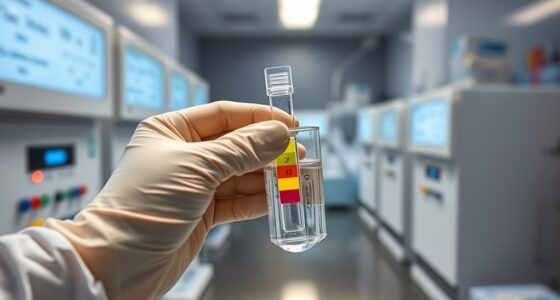
Start by scheduling a thorough water test through a certified laboratory or a trusted home testing kit. These tests are straightforward and provide clear results about the levels of nitrates and lead in your water supply. If your results show elevated levels, don’t panic. You still have options to improve your home safety. Installing a certified water filter designed to remove nitrates and lead can dramatically reduce these contaminants. Reverse osmosis systems are highly effective, and many filters come with certification labels verifying their ability to eliminate harmful substances. Remember, regular testing is key; contaminants can vary over time, so testing every year or after major plumbing work is a good rule of thumb. Additionally, understanding water treatment options can help you choose the best system for your specific needs.
While addressing water safety, it’s also important to review your overall home safety measures. Create a safe environment by baby-proofing your home—cover electrical outlets, secure furniture to walls, and keep small objects out of reach. Ensure your smoke and carbon monoxide detectors work properly, and check your heating and cooling systems for safety and efficiency. Proper ventilation and clean indoor air also contribute to a healthier environment for your baby. Keep cleaning supplies and other hazardous materials stored out of reach, and consider installing a water filtration system if your tests show contaminants. These precautions not only protect your baby during their early months but also set a foundation for a safe, nurturing home.
home water testing kit for lead and nitrates
As an affiliate, we earn on qualifying purchases.
As an affiliate, we earn on qualifying purchases.
Frequently Asked Questions
How Often Should I Test My Home Water for Nitrates and Lead?
You should test your home water for nitrates and lead at least once a year to monitor contaminant levels. If your water source has a history of contamination or if there are changes in your plumbing, test more frequently. Regular water testing helps guarantee your water remains safe for your baby, and you can take prompt action if contaminant levels rise. Keep records and follow local health guidelines for testing frequency.
Are There Specific Symptoms Indicating Nitrate or Lead Poisoning in Infants?
When it comes to infant health, keep your eyes peeled for signs of poisoning symptoms from nitrates or lead. Symptoms like blue baby syndrome, vomiting, irritability, or sluggishness can be red flags. Don’t brush off any worries—early detection is key. If you notice these signs, seek medical attention promptly. Remember, it’s better to be safe than sorry, especially when your little one’s health is at stake.
What Immediate Steps Should I Take if My Water Tests Positive?
If your water tests positive, you should take immediate action by stopping use of the contaminated water and seeking emergency precautions. Contact your local health department for guidance and arrange for immediate treatment options, such as providing bottled water for drinking and cooking. It’s essential to monitor your infant closely for symptoms and consult a healthcare professional promptly to guarantee their safety and prevent further exposure.
Can Certain Home Water Filters Effectively Remove Nitrates and Lead?
Imagine clear water flowing from your tap, free of worries. Some home water filters are designed to effectively remove nitrates and lead, but you need to check their filter effectiveness carefully. Follow installation guidelines precisely to guarantee proper fit and function. Choose filters with certifications from recognized agencies, and replace them regularly. This way, you’ll enjoy safe, clean water, giving your family peace of mind and a healthier start.
Are There Government Assistance Programs for Testing and Treating Contaminated Water?
Yes, you can access government grants and community programs to help test and treat contaminated water. Many local and federal agencies offer funding or free testing services, especially for families expecting a new baby. Check with your local health department or environmental agency to find programs available in your area. These resources aim to guarantee your water is safe and reduce risks from nitrates and lead, giving your family peace of mind.
reverse osmosis water filter system
As an affiliate, we earn on qualifying purchases.
As an affiliate, we earn on qualifying purchases.
Conclusion
So, congratulations—you’ve officially become a chemical detective, hunting down nitrates and lead like a superhero. Remember, your little one’s health depends on your detective skills, so don’t ignore those suspicious water tests or sluggish filters. Because nothing says “ready for a baby” like turning your home into a safe haven—minus the toxic villains. Now, go forth and conquer those pesky contaminants, hero. Your future tiny human will thank you with giggles and maybe a dirty diaper or two.
certified water filter for lead removal
As an affiliate, we earn on qualifying purchases.
As an affiliate, we earn on qualifying purchases.
baby-safe water filtration system
As an affiliate, we earn on qualifying purchases.
As an affiliate, we earn on qualifying purchases.
Fall Picks
fall essentials
As an affiliate, we earn on qualifying purchases.