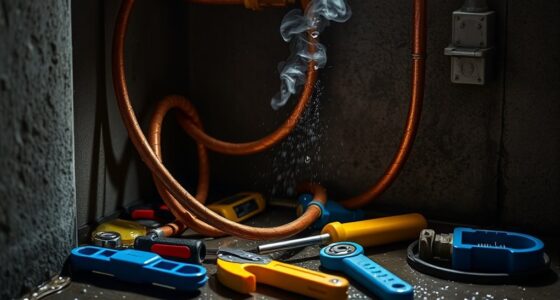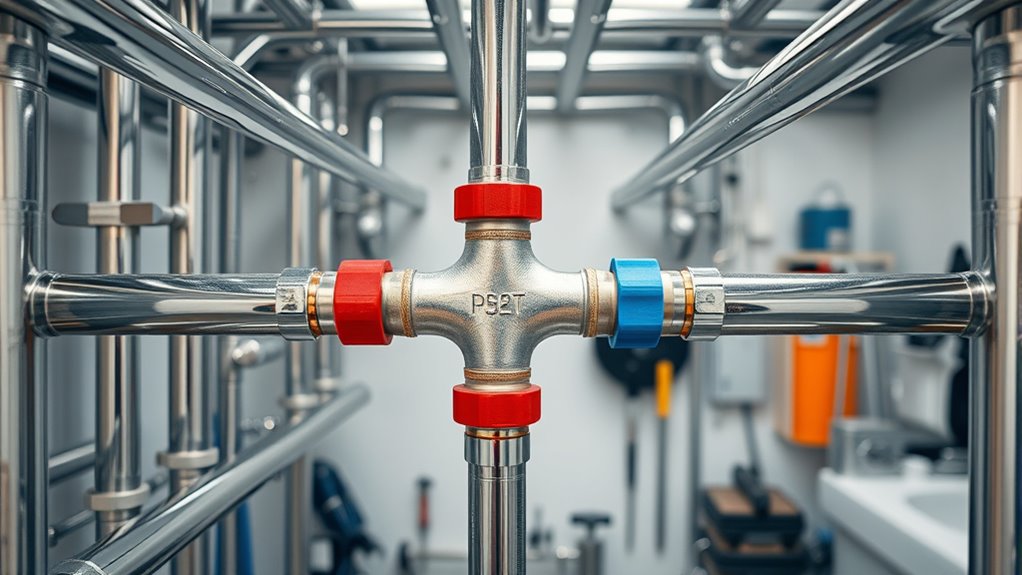
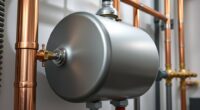
To identify a cross-connected plumbing in your filter system, check for points where potable water lines connect to non-potable sources like irrigation or chemical tanks, especially without air gaps or backflow preventers. Fix the issue by installing proper backflow prevention devices, such as check valves or air gaps, following local codes. Regular maintenance and inspections guarantee these devices are functioning correctly. Keep exploring to learn detailed steps for a safer, contamination-free system.

Get home appliances delivered free — and shop member deals
- Fast, free delivery on millions of items
- Access to Prime Big Deal Days deals on October 6–7
- Prime Video, Amazon Music and more included
Key Takeaways
- Inspect plumbing layouts for connections linking potable water lines to non-potable sources or appliances.
- Look for missing air gaps or backflow prevention devices at filter and appliance connection points.
- Install appropriate backflow preventers, such as check valves or air gaps, as required by local plumbing codes.
- Regularly test and maintain backflow prevention devices to ensure they function correctly.
- Consult licensed plumbers for proper system evaluation, installation, and compliance with safety regulations.

Have you ever wondered what happens when plumbing connections in filter systems aren’t properly configured? It’s a serious concern because improper setup can lead to cross-connected plumbing, which risks contaminating your water supply. When a cross-connection exists, water can flow in undesired directions, potentially pulling contaminated water back into the clean supply. That’s where backflow prevention measures come into play. Ensuring proper backflow prevention is essential for maintaining water safety and complying with plumbing codes. These codes are designed to prevent health hazards caused by backflow and to promote safe plumbing practices.
To identify if your filter installation has a cross-connection, start by examining the plumbing layout. Look for any points where potable water lines connect to non-potable sources, such as irrigation systems, chemical tanks, or other appliances. These are common spots where cross-connections can occur if not properly managed. If you notice a connection that doesn’t have an air gap or a backflow prevention device, it’s a red flag. Modern plumbing codes explicitly mandate the installation of backflow preventers in these situations to eliminate the risk of backflow. Check your local plumbing codes to understand the specific requirements for your area. They often specify the types of devices, such as check valves or air gaps, necessary to prevent contamination.
Examine plumbing layouts for cross-connections and ensure proper backflow prevention devices are installed.
Fixing a cross-connection involves installing the appropriate backflow prevention device if it isn’t already in place. This device acts as a barrier, stopping contaminated water from flowing back into your clean water supply. When installing these devices, it’s imperative to follow local plumbing codes to ensure they’re positioned correctly and rated properly for your specific application. Proper installation not only secures your water supply but also keeps you compliant with legal standards. If you’re unsure about the configuration, consult a licensed plumber. They can evaluate your system, identify any cross-connections, and make the necessary adjustments or upgrades. Additionally, understanding the importance of antique fixtures in country decor can create a cozy, inviting atmosphere that complements your functional plumbing system.
Regular inspections are essential for maintaining a safe and code-compliant system. Over time, devices may fail or become damaged, creating new risks. Staying vigilant and conducting routine checks helps catch issues early. Remember, the goal is to prevent backflow and protect your water from contamination. Properly configured filter systems with appropriate backflow prevention devices keep your water safe and ensure you’re following plumbing codes. Taking these steps not only safeguards your health but also helps you avoid potential fines or legal issues that can arise from code violations. Ultimately, understanding how to identify and fix cross-connected plumbing is key to maintaining a reliable and safe water supply for your home or business.
As an affiliate, we earn on qualifying purchases.
Frequently Asked Questions
How Can I Prevent Cross-Connections During Initial Filter Installation?
To prevent cross-connections during initial filter installation, you should focus on proper installation precautions and a careful plumbing layout. Verify you clearly separate potable water lines from non-potable sources, and use backflow prevention devices where necessary. Double-check all connections before finalizing, and follow manufacturer instructions closely. Proper planning and adherence to safety standards will help you avoid cross-connections and ensure safe, reliable water filtration.
Are There Specific Tools Recommended for Detecting Cross-Connected Plumbing?
You should use tools like a pressure tester and perform visual inspections to detect cross-connected plumbing. Pressure testing helps identify unusual pressure drops or flow issues indicating cross-connections, while visual inspection allows you to spot incorrect pipe arrangements or leaks. Combining these methods guarantees you accurately detect and address cross-connections early, preventing contamination and ensuring your filtration system functions properly and safely.
What Are the Signs Indicating a Cross-Connection Problem in My System?
Like a detective spotting clues, you’ll notice backflow symptoms such as unexpected water discoloration or strange tastes, signaling a problem. Water that appears cloudy or has an unusual smell can also suggest cross-connection issues. If your system shows inconsistent pressure or water flows where they shouldn’t, these signs point to a plumbing cross-connection. Act quickly to prevent contamination, and consider professional inspection to guarantee your water remains safe.
Can DIY Fixes Effectively Resolve Cross-Connected Plumbing Issues?
DIY repairs can sometimes resolve cross-connected plumbing issues, but they’re often complex due to varied plumbing configurations. If you’re comfortable and experienced with plumbing, you might fix minor problems, like adjusting or rerouting connections. However, for more intricate cross-connections, it’s best to consult a professional. Incorrect DIY repairs can worsen the situation or cause contamination, so evaluate your skill level carefully and don’t hesitate to seek expert help when needed.
How Often Should I Have My Filter System Inspected for Cross-Connections?
You should schedule maintenance and inspections for your filter system at least once a year to catch any cross-connections early. If you notice issues like strange tastes or odors, increase inspection frequency to every six months. Regular maintenance schedules help guarantee your system stays safe and functions properly. Don’t skip inspections, especially if you’ve recently had plumbing work done, as cross-connections can develop over time without obvious signs.
As an affiliate, we earn on qualifying purchases.
Conclusion
By identifying cross-connected plumbing, fixing leaks, and preventing contamination, you protect your water quality. By inspecting connections regularly, maintaining clear lines, and addressing issues promptly, you guarantee safe, reliable water flow. By staying vigilant, taking action, and keeping your system in top shape, you avoid costly repairs and safeguard your health. Ultimately, a well-maintained filter system keeps your water pure, your home safe, and your peace of mind intact.
water filter cross-connection tester
As an affiliate, we earn on qualifying purchases.
As an affiliate, we earn on qualifying purchases.
plumbing backflow prevention kit
As an affiliate, we earn on qualifying purchases.
As an affiliate, we earn on qualifying purchases.
Fall Picks
fall essentials
As an affiliate, we earn on qualifying purchases.