TL;DR

Get home appliances delivered free with Prime
- Fast, free delivery on millions of items
- Prime Video, Amazon Music and more included
- Member-only deals all year
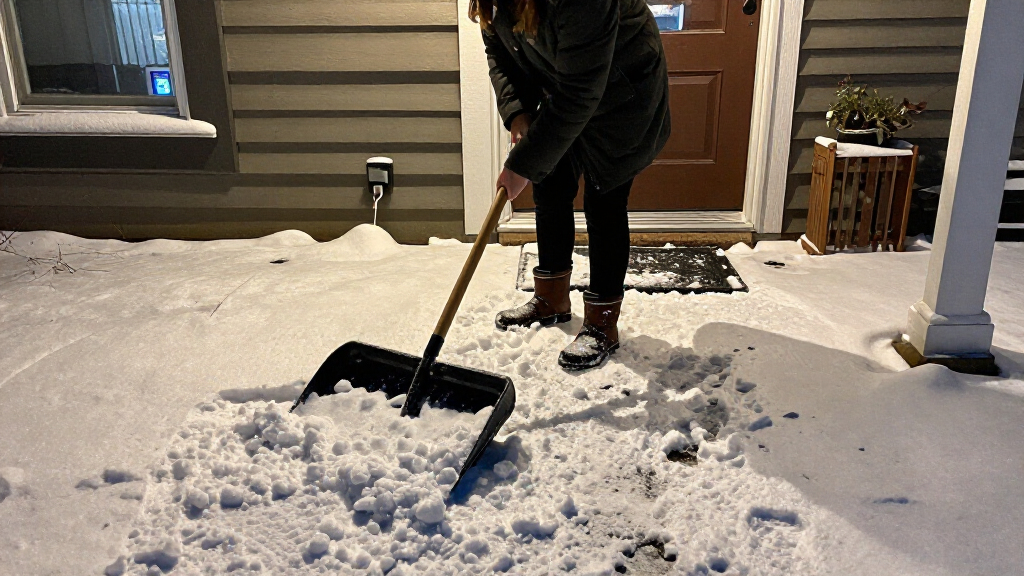
“Heart attack snow” is a nickname for heavy, wet snow that takes more effort to shovel than dry powder. The American Heart Association warns that strenuous shoveling in cold weather can strain the heart, especially for people with cardiovascular risk factors; symptoms such as chest pressure or shortness of breath require stopping and calling 911.
Heavy, wet snow can take more effort to shovel than dry powder, and that exertion in cold weather can place added strain on the heart, according to guidance cited by Family Handyman. The report describes “heart attack snow” as a nickname for this kind of snow—not a medical diagnosis—and says people with existing cardiovascular risks should avoid clearing snow themselves when possible.
The term “heart attack snow” refers to heavy, wet snow with more water content than lighter powder. The National Weather Service says snow with higher water content weighs more, making each shovelful harder to lift. Repeated lifting can quickly increase physical effort, heart rate and blood pressure, according to the report.
Cold temperatures add another strain: blood vessels narrow in the cold, making the heart work harder. The American Heart Association warns that the combination of cold and strenuous snow shoveling can trigger a heart attack or sudden cardiac arrest. The risk is not limited to wet snow: a large accumulation of lighter snow can also require enough repeated lifting or prolonged work to be dangerous.
People with a history of heart attack or stroke, high blood pressure, high cholesterol, diabetes, a history of smoking, obesity or a sedentary lifestyle may face greater risk, the association says. The report recommends that people with heart disease or significant cardiovascular risk factors ask someone else to clear the snow. It does not cite a new study, case count or forecast tied to a particular storm.
Cold and Shoveling Strain the Heart
Snow clearing can turn routine winter maintenance into strenuous exercise, often without the warm-up or pacing people might use for planned physical activity. Heavy loads and repeated lifting increase the work involved, while cold can add cardiovascular strain. That combination matters most for people already at elevated risk, but the report cautions that the task can be taxing even when the snow is powdery if a large amount must be moved.
The consequences can be serious: the American Heart Association identifies heart attack and sudden cardiac arrest as possible outcomes of the combined strain. The practical implication is not that every person who shovels is in immediate danger, but that people should take symptoms seriously, avoid unnecessary exertion and use safer methods where possible. Falls are a separate winter hazard; ice can make carrying or pushing snow more dangerous.
Products Worth Considering

Shark Rocket Pet Plus Corded Stick Vacuum, Lightweight, Bordeaux, HV322

eufy Security Essential 7-Piece Alarm System

Sony BRAVIA 5 85-Inch Mini LED 4K HDR Smart TV (K-85XR50)
As an affiliate, we earn on qualifying purchases.
How Snow Conditions Add Effort
The warning is about the demands of the task rather than a special category of snow recognized as a medical condition. Water content affects weight: wetter snow is heavier per shovelful, while a deep accumulation of light snow can still involve many hours or repeated lifts. The name “heart attack snow” is a shorthand for that combination of snow weight and exertion.
Guidance cited by Family Handyman comes from the American Heart Association, the National Weather Service and the Centers for Disease Control and Prevention. Their recommendations address different parts of the risk: reducing lifting and exertion, recognizing possible heart attack symptoms, dressing for the cold and preventing slips on icy walkways. The report gives general safety advice, not a storm-specific medical alert.
“People who already have cardiovascular risks like a sedentary lifestyle or obesity”
— American Heart Association, as quoted in the Family Handyman report
No Storm-Specific Risk Estimate
The source material does not identify a particular storm, report a number of heart attacks linked to shoveling, or provide an estimate of how much risk a given person faces. It also does not establish a precise snow-weight threshold at which shoveling becomes unsafe. Risk varies by person, health history, snow conditions and the amount of effort required.
The cited guidance describes possible dangers and prevention steps; it does not mean that heavy, wet snow will cause a cardiac event in everyone who clears it. Nor does the nickname itself designate a medical diagnosis. Readers with heart disease or other cardiovascular concerns can seek advice from a health professional about their individual limits.
Use Caution Before Clearing Snow
Before shoveling, the report recommends warming up indoors, stretching gently, dressing in layers and drinking water. When possible, push snow rather than lift it; if lifting is necessary, move smaller loads and take frequent breaks. A snow blower may reduce lifting, but operating one still requires physical effort.
For icy paths, the CDC recommends de-icing products; sand can also help reduce slipping. People with heart disease or significant cardiovascular risk factors should arrange for someone else to handle snow removal, according to the American Heart Association. Anyone who develops chest pain or pressure, shortness of breath, dizziness, nausea, cold sweats, or discomfort in the arm, back or jaw should stop immediately and call 911. The association advises not waiting to see whether possible heart attack symptoms pass.
Key Questions
What does “heart attack snow” mean?
It is a nickname for heavy, wet snow that takes more effort to shovel than dry powder. It is not a medical diagnosis.
Why can shoveling snow strain the heart?
Heavy snow can require repeated lifting and raise the effort, heart rate and blood pressure involved. Cold can also make the heart work harder as blood vessels narrow, according to the guidance cited in the report.
Who should avoid shoveling?
The American Heart Association says people with heart disease or significant cardiovascular risk factors should have someone else clear the snow when possible. Risk factors listed in the report include high blood pressure, diabetes, high cholesterol, prior heart attack or stroke, smoking history, obesity and a sedentary lifestyle.
What symptoms mean I should stop and call for help?
Stop shoveling and call 911 for possible heart attack symptoms such as chest pain or pressure, shortness of breath, dizziness, nausea, cold sweats, or discomfort in the arms, back or jaw. Symptoms can vary and may not be severe; the American Heart Association advises against waiting to see if they go away.
How can I reduce the risks while clearing snow?
Warm up indoors, dress in layers, stay hydrated, push rather than lift when practical, and use smaller loads with frequent breaks. A snow blower can reduce lifting but still requires effort. Clear ice with de-icing material and consider having someone else shovel if you have heart disease or major cardiovascular risk factors.
Source: familyhandyman.com