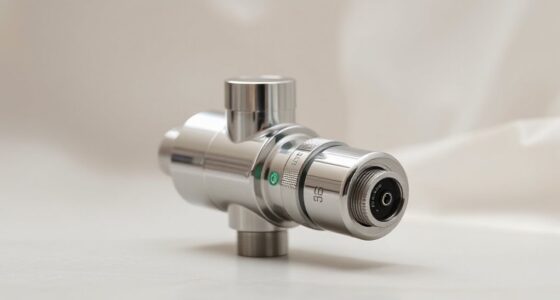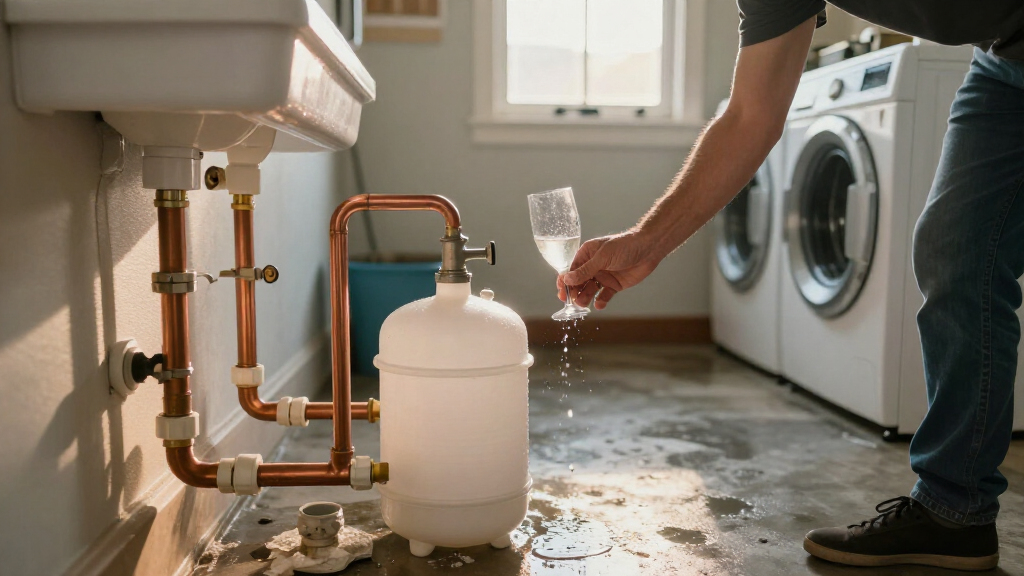

Whole house water softeners treat hard water before it reaches your taps, helping reduce scale in plumbing and appliances. My best overall pick is the Aquasure Harmony 48,000-grain model, which offers a middle-ground capacity without stepping up to the largest systems. For combined treatment, the Kenmore Elite 520 Hybrid pairs softening with filtration, while the APEC FUTURA-10-FG is a salt-free option for buyers who want a different approach to scale control. The main tradeoffs are capacity, salt and water use, filtration needs, and how much installation or upkeep you are prepared to handle. Read on for the full breakdown and guidance on matching a system to your household.

Get home appliances delivered free with Prime
- Fast, free delivery on millions of items
- Prime Video, Amazon Music and more included
- Member-only deals all year
Complete the kit


Key Takeaways
- The 48,000-grain Aquasure Harmony is the lineup’s middle-ground pick: it sits between the listed 32,000- and 64,000-grain models, giving buyers a capacity choice without automatically opting for the largest unit.
- Capacity varies across a notably Aquasure-heavy lineup: the 32,000-, 40,000-, 48,000-, 50,000-, and 64,000-grain Harmony options make sizing the real comparison, rather than assuming the same brand name means the same fit.
- Hybrid systems change the buying decision: Kenmore Elite 520 and EcoPure EPH130 combine softening with filtration, so they may suit buyers seeking multiple treatment functions in one setup.
- The APEC FUTURA-10-FG is the salt-free outlier: its 10 GPM rating and different treatment approach may appeal to buyers focused on scale control, but it is not a direct substitute for a salt-based softener when actual hardness removal is the goal.
- Control and configuration matter as much as grain rating: options such as the Fleck 5600SXT and iSpring WCSTB45KG differ in control and system setup, so buyers should check installation needs and service access alongside stated capacity.
| Aquasure Harmony Series 32,000 Grains Whole House Water Softener with Digital Control |  | Best for Small Homes | Capacity: 32,000 gallons (as listed) | Dimensions: 8 × 8 × 52 inches | Weight: 67 pounds | VIEW LATEST PRICE | See Our Full Breakdown |
| Aquasure Harmony Series 40,000 Grain Whole House Water Softener with Digital Control |  | Best for Mid-Size Households | Capacity: 40,000 grains | Listed capacity unit: 40,000 gallons (as listed) | Intended household size: 3–4 bathrooms | VIEW LATEST PRICE | See Our Full Breakdown |
| Kenmore Elite 520 Hybrid Water Softener & Whole House Filtration System |  | Best for Softening and Taste Improvement | Capacity: 31,000 grains | Hardness reduction: Up to 100 gpg | Iron reduction: Up to 3 ppm | VIEW LATEST PRICE | See Our Full Breakdown |
| EcoPure EPH130 Whole House Water Softener & Filtration System – 2-in-1 Design with AutoSense AI Technology |  | Best for Larger Households Wanting 2-in-1 Treatment | Model: EPH130 | Listed capacity: 175 pounds | Material: Acrylonitrile Butadiene Styrene | VIEW LATEST PRICE | See Our Full Breakdown |
| APEC Water FUTURA-10-FG Whole House Water Softener, Salt-Free, 10 GPM | 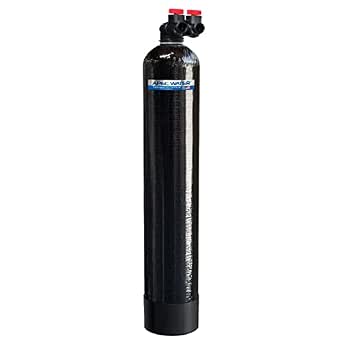 | Best Salt-Free Conditioner | Model: FUTURA-10-FG | Treatment type: Salt-free water conditioner | Flow rate: 10 gpm | VIEW LATEST PRICE | See Our Full Breakdown |
| Aquasure Harmony Series Whole House Water Softener with Digital Control, 64,000 Grains |  | Best for High-Demand Homes | Capacity: 64,000 grains | Maximum flow rate: 13.3 GPM | Dimensions: 15 × 15 × 60 inches | VIEW LATEST PRICE | See Our Full Breakdown |
| Aquasana SimplySoft Whole House Water Softener | 60K Grain | WH-SF60-BASE |  | Best for Flow and Metered Regeneration | Capacity: 60,000 grains | Flow rate: 16.6 GPM | Regeneration method: Metered | VIEW LATEST PRICE | See Our Full Breakdown |
| Aquasure Harmony Series 48,000 Grains Whole House Water Softener with Digital Control Head |  | Best for Mid-to-Large Homes | Capacity: Product description: 48,000 grains; supplied specification: 48,000 gallons | Maximum flow rate: 12 GPM | Dimensions: 10 × 10 × 62 inches | VIEW LATEST PRICE | See Our Full Breakdown |
| Aquasure Harmony Series 50,000 Grain Whole House Water Softener with Digital Control | 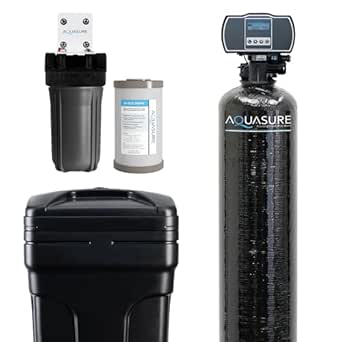 | Best for Buyers Seeking a Pre-Filter | Capacity: 50,000 grains | Installation type: Whole house | Container type: Dispenser | VIEW LATEST PRICE | See Our Full Breakdown |
| Aquasana SimplySoft Whole House Water Softener (40,000 Grain) |  | Best for Certified, Salt-Efficient Softening | Capacity: 40,000 grains | Certification: IAPMO certified to NSF/ANSI 44 and CSA B483.1 | Purification method: Ion exchange | VIEW LATEST PRICE | See Our Full Breakdown |
| iSpring WCSTB45KG 45,000 Grains Whole House Water Softener with Brine Tank |  | Best for City-and-Well Flexibility | Capacity: 45,000 grains | Installation type: Whole house | Purification method: Ion exchange | VIEW LATEST PRICE | See Our Full Breakdown |
| Fleck 5600SXT 48,000 Grain Digital Water Softener System |  | Best for Metered Regeneration | Grain capacity: 48,000 grains | Resin volume: 1.5 cubic feet | Service flow rate: Up to 12 gpm | VIEW LATEST PRICE | See Our Full Breakdown |
| whole house water softener | Dimensions | Capacity | Material | Installation type |
|---|---|---|---|---|
| Aquasure Harmony Series 32,000 | 8 × 8 × 52 inches | 32,000 gallons (as listed) | — | Whole-house water tank |
| Aquasure Harmony Series 40,000 | 9 × 9 × 55 inches | 40,000 grains | Resin | Whole-house system |
| Kenmore Elite 520 Hybrid Water | 20.5 × 15 × 48 inches | 31,000 grains | — | — |
| EcoPure EPH130 Whole House Wat | 20.63 × 17.25 × 42.75 inches | — | Acrylonitrile Butadiene Styrene | Whole-house water |
| APEC Water FUTURA-10-FG Whole | 9 × 9 × 48 inches | — | Fiberglass | — |
| Aquasure Harmony Series Whole | 15 × 15 × 60 inches | 64,000 grains | Polyethylene | — |
| Aquasana SimplySoft Whole Hous | 30 × 16 × 43 inches | 60,000 grains | Fiberglass | — |
| Aquasure Harmony Series 48,000 | 10 × 10 × 62 inches | Product description: 48,000 grains; supplied specification: 48,000 gallons | Polyethylene | Freestanding |
| Aquasure Harmony Series 50,000 | 11 × 11 × 48 inches | 50,000 grains | Fiberglass | Whole house |
| Aquasana SimplySoft Whole Hous | 30 × 16 × 43 inches | 40,000 grains | — | — |
| iSpring WCSTB45KG 45,000 Grain | — | 45,000 grains | — | Whole house |
| Fleck 5600SXT 48,000 Grain Dig | — | — | — | — |
More Details on Our Top Picks
Aquasure Harmony Series 32,000 Grains Whole House Water Softener with Digital Control
For a one- or two-bathroom home, this Aquasure gives you a metered digital control head without sizing up to a larger system. Its 32,000-grain capacity is aimed at moderate household demand: the system can track use and manage regeneration, while softened water helps limit scale on plumbing and appliances. Compared with the Aquasure Harmony 40,000 Grain, this model takes up slightly less listed floor space and suits a smaller household, but offers less capacity for multiple bathrooms or heavier water use. The tradeoff is a tall, heavy tank that may take extra help to move and install, plus a need for corded power. I’d choose it for a compact household with hardness concerns, not a growing family likely to outstrip its capacity.
Pros:- Metered digital control allows monitoring and customization.
- Sized for the stated one- to two-bathroom household range.
- Softening helps reduce hardness-related scale on appliances and plumbing.
- Polyethylene tank material is listed as corrosion-resistant in the product information.
Cons:- Lower capacity than the Aquasure Harmony 40,000 Grain, making it a weaker fit for higher household demand.
- Requires electrical power for its control system.
- At 67 pounds and 52 inches tall, it may be difficult to position without help.
Best for: Owners of one- or two-bathroom homes who want metered whole-house softening and have moderate water use.
Not ideal for: Larger households or homes with several bathrooms, where the 32,000-grain capacity may be limiting; also unsuitable where a powered control head cannot be connected.
- Capacity:32,000 gallons (as listed)
- Dimensions:8 × 8 × 52 inches
- Weight:67 pounds
- Tank material:Polyethylene
- Maximum supported TDS:1,000 ppm
- Installation type:Whole-house water tank
- Power source:Corded electric
- Control:Programmable digital metered control
Our verdict“Choose this Aquasure for a smaller home that needs metered softening, but step up to the 40,000-grain model if household demand is higher.”
Aquasure Harmony Series 40,000 Grain Whole House Water Softener with Digital Control
The 40,000-grain capacity makes this Harmony a sensible step up for homes with three to four bathrooms, where a smaller softener may need to regenerate more often under heavier use. Its automatic digital control is designed to track operation, and the system targets calcium and magnesium hardness that can leave scale on fixtures and appliances. Compared with the Aquasure Harmony 32,000 Grain, this model is the better match for a busier home, though its listed dimensions are also larger. The product data describes its purification method as reverse osmosis, which conflicts with its description as a conventional water softener; buyers should confirm the exact configuration before purchase. Installation may also call for professional help, and included accessories are not specified.
Pros:- 40,000-grain treatment capacity is intended for more demand than the 32,000-grain model.
- Automatic digital control supports monitoring and system management.
- Targets calcium and magnesium associated with hard-water scale.
- Listed maximum supported TDS is higher than the 32,000-grain model’s.
Cons:- Product data lists reverse osmosis as the purification method, creating uncertainty about the system configuration.
- Installation may require professional setup, and included accessories are not specified.
- Its 55-inch height and larger footprint require more installation space than the 32,000-grain model.
Best for: Households with three or four bathrooms seeking a higher-capacity Aquasure softener with automatic digital control.
Not ideal for: Small homes that do not need the added capacity, and buyers who need clearly documented treatment technology or a confirmed list of installation accessories.
- Capacity:40,000 grains
- Listed capacity unit:40,000 gallons (as listed)
- Intended household size:3–4 bathrooms
- Dimensions:9 × 9 × 55 inches
- Material:Resin
- Maximum supported TDS:2,500 ppm
- Installation type:Whole-house system
- Purification method:Listed as reverse osmosis in product data
Our verdict“Pick this model over the 32,000-grain Aquasure when a three- or four-bathroom home needs more capacity, after confirming its treatment configuration.”
Kenmore Elite 520 Hybrid Water Softener & Whole House Filtration System
Unlike the Aquasure Harmony models, which focus on softening, the Kenmore Elite 520 combines ion-exchange softening with carbon filtration. That makes it the more appealing choice when a household wants to address hardness alongside chlorine taste and odor, rather than treating scale alone. Its listed reductions include hardness up to 100 gpg and iron up to 3 ppm, while IntelliSoft regeneration is designed to adjust operation to water use and reduce salt and water waste. The compact footprint is useful where a separate filter would be hard to fit, but the 31,000-grain capacity and 8 gpm flow rate make it a less natural fit for large households with high simultaneous demand. Its maximum listed TDS is also comparatively low at 500 ppm.
Pros:- Combines ion-exchange softening with carbon filtration in one unit.
- Targets hardness, iron, chlorine taste, and odor.
- IntelliSoft technology is designed to adjust regeneration to household use.
- Compact dimensions can reduce the space needed compared with separate treatment equipment.
Cons:- 31,000-grain capacity may be limiting for large households with heavy water use.
- Listed 8 gpm flow rate may constrain simultaneous demand compared with a higher-flow setup.
- Maximum supported TDS is listed at 500 ppm, lower than the Aquasure Harmony 40,000 Grain.
Best for: Households that want one whole-house unit for softening plus carbon treatment of chlorine taste and odor, with moderate water demand.
Not ideal for: Large, high-use homes needing greater capacity or flow, and buyers whose source water exceeds the listed 500 ppm maximum TDS.
- Capacity:31,000 grains
- Hardness reduction:Up to 100 gpg
- Iron reduction:Up to 3 ppm
- Filtration method:Ion exchange with carbon media
- Flow rate:8 gpm
- Dimensions:20.5 × 15 × 48 inches
- Maximum supported TDS:500 ppm
- Operating pressure:20–125 psi
- Temperature range:40–120 °F
Our verdict“Choose the Kenmore over a basic Aquasure softener when chlorine taste and odor matter too, provided its capacity, flow rate, and TDS limit fit your home.”
EcoPure EPH130 Whole House Water Softener & Filtration System – 2-in-1 Design with AutoSense AI Technology
The EcoPure EPH130 is the combination pick for buyers who want softening and filtration in one system and have a larger household to serve. Its AutoSense technology is described as adjusting to household demand, aiming to limit unnecessary salt use, while the compact cabinet-style dimensions can help conserve space compared with installing separate equipment. Unlike the Kenmore Elite 520, the supplied data does not give a grain capacity, flow rate, or specific contaminant reduction figures, so it is harder to judge whether the system fits a home’s water profile. The listed 175-pound capacity is not identified as a grain rating, and I would not treat it as one. A bypass valve is included, but installation may still call for a professional, and ongoing maintenance remains part of ownership.
Pros:- Combines softening and filtration in a single system.
- AutoSense technology is designed to adapt operation to household demand.
- Compact listed dimensions can help conserve installation space.
- A bypass valve is included.
Cons:- Product data does not provide a grain capacity or flow rate, making sizing difficult.
- The listed 175-pound capacity is not identified as a hardness grain rating.
- Regular maintenance is required, and professional installation may be needed.
Best for: Larger households looking for a combined whole-house softener and filtration system with demand-responsive controls and a compact installation footprint.
Not ideal for: Buyers who need a clearly specified grain capacity, flow rate, or contaminant-reduction profile before selecting a whole-house softener.
- Model:EPH130
- Listed capacity:175 pounds
- Material:Acrylonitrile Butadiene Styrene
- Installation type:Whole-house water
- Purification method:Ion exchange
- Dimensions:20.63 × 17.25 × 42.75 inches
- Included component:Bypass valve
- Warranty:1 year parts and labor
Our verdict“Consider the EcoPure for a larger home seeking combined treatment, but choose a better-specified model if you need to size capacity precisely.”
APEC Water FUTURA-10-FG Whole House Water Softener, Salt-Free, 10 GPM
The APEC FUTURA-10-FG differs from the Aquasure Harmony systems in a key way: it is a salt-free conditioner, not a conventional ion-exchange softener. Its ceramic media is intended to neutralize hard-water effects and reduce spotting without salt or chemical additions, so it may suit buyers who want simpler upkeep and do not need conventional softening. The listed 10 gpm flow rate gives a useful sizing reference, and the ten-year filter life and warranty stand out against the one-year parts-and-labor warranty listed for the EcoPure EPH130. The tradeoff is limited performance detail for very hard water, and its 427 ppm TDS support does not establish that it will address every water-quality concern. Buyers seeking verified hardness removal should compare it with a salt-based system instead.
Pros:- Uses no salt or added chemicals.
- Listed 10 gpm flow rate helps buyers compare system sizing.
- Ten-year filter life is specified.
- Ten-year warranty is longer than the EcoPure EPH130’s listed one-year parts-and-labor warranty.
Cons:- It is described as a conditioner, not a conventional salt-based softener.
- Product data provides limited evidence about performance with very hard water.
- Detailed installation instructions are not specified in the supplied information.
Best for: Homeowners seeking a salt-free, low-maintenance whole-house conditioner for reducing hard-water spotting, with flow needs within 10 gpm.
Not ideal for: Buyers who specifically need conventional ion-exchange softening, have very hard water, or want detailed performance data for their water conditions.
- Model:FUTURA-10-FG
- Treatment type:Salt-free water conditioner
- Flow rate:10 gpm
- Maximum temperature:120 °F
- Supported TDS:427 ppm
- Filter life cycle:10 years
- Dimensions:9 × 9 × 48 inches
- Material:Fiberglass
- Warranty:10 years
Our verdict“Choose the APEC for salt-free conditioning and reduced upkeep, but select a conventional softener if your priority is ion-exchange hardness removal.”
Aquasure Harmony Series Whole House Water Softener with Digital Control, 64,000 Grains
For a larger household with several bathrooms and persistent hard-water scale, I’d put the 64,000-grain Harmony ahead of the smaller Aquasure Harmony 48,000-grain model. Its greater stated capacity gives buyers more room to match treatment to a busy home, while the 13.3 GPM maximum flow rate supports simultaneous water use. The digital control head lets owners customize and monitor operation rather than relying on a basic fixed cycle. That said, this system is a substantial commitment: at 149 pounds, it may take help to position, and it needs an electrical outlet for its controls. The Aquasana SimplySoft 60K offers a higher listed flow rate and metered regeneration, so I’d compare that option if water efficiency and peak flow matter more than staying within the Harmony line.
Pros:- 64,000-grain capacity suits homes with substantial hardness-treatment demand
- 13.3 GPM maximum flow rate supports concurrent household water use
- Digital control head allows operation customization and monitoring
- Includes a bypass valve, drain line, and other installation components
Cons:- 149-pound unit may require assistance to move and install
- Requires AC power for the digital control head
- Larger capacity may be more system than smaller households need
Best for: Households with four or more bathrooms, multiple simultaneous water users, and enough space and help to install a heavy system.
Not ideal for: Smaller households or buyers who need a lighter, simpler system or cannot place an electrically powered control unit near an outlet.
- Capacity:64,000 grains
- Maximum flow rate:13.3 GPM
- Dimensions:15 × 15 × 60 inches
- Weight:149 pounds
- Material:Polyethylene
- Tank type:Fiberglass-lined polyethylene
- Supported water TDS level:1,500 ppm
- Power source:AC adapter
Our verdict“Choose this Harmony if your large household needs substantial softening capacity and you can accommodate its weight, footprint, and electrical requirement.”
Aquasana SimplySoft Whole House Water Softener | 60K Grain | WH-SF60-BASE
I’d favor the Aquasana SimplySoft 60K over the Aquasure Harmony 64,000-grain unit when a household wants stronger listed flow and regeneration tied to water use. Its 16.6 GPM flow rate is the highest stated here, while metered regeneration can avoid running a cycle solely because a timer says so. The LCD gives owners a more approachable way to manage settings, and the specified operating range covers a broad span of household water pressures. The tradeoff is that its capacity is slightly below the 64K Harmony’s, and the 30-inch length calls for a planned installation area. Aquasana also lists an optional pre-filter separately, so buyers dealing with sediment should account for that additional equipment rather than assuming the softener handles it.
Pros:- 16.6 GPM listed flow rate suits high simultaneous water demand
- Metered regeneration bases cycles on water use
- LCD provides an accessible control interface
- Specified TDS tolerance is up to 2,000 ppm
Cons:- 60,000-grain capacity is lower than the Aquasure Harmony 64,000-grain model
- 30-inch length requires a dedicated installation area
- Optional pre-filter is sold separately
Best for: Larger households that run several fixtures at once and want a metered system with a high stated flow rate.
Not ideal for: Buyers with very limited installation space or those who need a pre-filter included in the base system.
- Capacity:60,000 grains
- Flow rate:16.6 GPM
- Regeneration method:Metered
- Dimensions:30 × 16 × 43 inches
- Material:Fiberglass
- Operating pressure:20–125 psi
- Temperature range:40°F–100°F
- Supported water TDS level:Up to 2,000 ppm
- Warranty:5/10 years
Our verdict“Pick the SimplySoft 60K if high flow and metered regeneration matter more to your household than the extra capacity of the Harmony 64K.”
Aquasure Harmony Series 48,000 Grains Whole House Water Softener with Digital Control Head
The Harmony 48,000 is the middle-ground choice in this group: it offers more stated capacity than the Harmony 32,000 and 40,000-grain models mentioned elsewhere in the roundup, without stepping up to the 64,000-grain version. That makes it a reasonable fit for homes with three or four bathrooms where the largest system may be unnecessary. Its programmable digital control supports customized operation, and the listed 12 GPM maximum flow rate is suited to ordinary household demand. One specification needs buyer attention: the product description calls it a 48,000-grain system, but the supplied capacity field says “48,000 gallons.” I would confirm the unit and sizing details with the seller before purchase. At 120 pounds, it also takes more installation effort than a compact setup.
Pros:- Positioned between smaller Harmony capacities and the 64,000-grain model
- Programmable digital control head allows customized operation
- 12 GPM maximum flow rate for whole-house use
- Freestanding ion-exchange design treats hardness at the home entry point
Cons:- Supplied capacity data conflicts between grains and gallons and should be verified
- 120-pound weight can complicate placement and installation
- Requires an adapter-powered control head
Best for: Owners of three- or four-bathroom homes who want a digital-control softener between the smaller Harmony models and the 64K option.
Not ideal for: Buyers who need a clearly verified capacity specification, a lightweight installation, or a system sized for exceptionally high demand.
- Capacity:Product description: 48,000 grains; supplied specification: 48,000 gallons
- Maximum flow rate:12 GPM
- Dimensions:10 × 10 × 62 inches
- Weight:120 pounds
- Installation type:Freestanding
- Purification method:Ion exchange
- Material:Polyethylene
- Power source:Adapter
Our verdict“Consider this model for a three- or four-bathroom home only after confirming its capacity unit and matching it to your water hardness and household use.”
Aquasure Harmony Series 50,000 Grain Whole House Water Softener with Digital Control
The main distinction I see in this 50,000-grain Harmony is the described inclusion of a pre-filter, which gives it a different appeal from the Harmony 48,000-grain model. For households concerned about incoming contaminants as well as hardness, that bundled filtration could reduce the need to source a separate pre-filter—though the supplied details do not identify what the filter targets. Its automatic digital control is intended to manage operation, and the listed 11-by-11-by-48-inch dimensions may be easier to fit vertically than the taller Harmony 48K. The specifications also label its purification method “reverse osmosis,” which conflicts with the product’s water-softener description; I would verify the actual treatment setup before buying. The Aquasana SimplySoft 60K provides clearer metered-regeneration and flow specifications.
Pros:- 50,000-grain capacity is between the listed Harmony 48K and 64K models
- Product description states that a pre-filter is included
- Automatic digital control valve is specified
- Listed height is shorter than the Harmony 48,000-grain model
Cons:- Purification method is listed as reverse osmosis, conflicting with the softener description
- No flow-rate figure or operating-pressure range is provided
- Pre-filter targets and maintenance details are unspecified
Best for: Buyers comparing whole-house softeners who want a described pre-filter included and will confirm the filter type and treatment claims before purchase.
Not ideal for: Shoppers who need unambiguous technical documentation or a stated flow rate, regeneration method, and verified treatment process.
- Capacity:50,000 grains
- Installation type:Whole house
- Container type:Dispenser
- Purification method:Listed as reverse osmosis; verify against the softener description
- Material:Fiberglass
- Dimensions:11 × 11 × 48 inches
- Power source:Water pressure
Our verdict“Choose this only if the seller confirms the actual softening technology and included pre-filter details meet your whole-house needs.”
Aquasana SimplySoft Whole House Water Softener (40,000 Grain)
For a smaller household that still wants documented softening performance, I’d put the Aquasana SimplySoft 40K ahead of the Aquasure Harmony 48,000-grain model on certification and efficiency information. The product data lists IAPMO certification to NSF/ANSI 44 and CSA B483.1, plus claimed salt and water savings compared with standard time-based softeners. Those details help buyers focused on ongoing resource use, while the 15.5 GPM maximum flow rate is generous for a 40,000-grain system. Capacity is the compromise: this is better matched to the stated household size of up to five people than to a home with unusually high hardness or heavy simultaneous demand. Its 230-pound weight also makes installation a substantial job, and the sediment-and-rust pre-filter is separate.
Pros:- IAPMO certified to NSF/ANSI 44 and CSA B483.1, as stated in product data
- Claims up to 50% less salt and 28% less water than standard time-based softeners
- 15.5 GPM maximum flow rate
- LCD control panel supports customizable metered operation
Cons:- 40,000-grain capacity is below the 48K, 50K, 60K, and 64K options in this batch
- 230-pound weight may call for professional installation assistance
- Sediment and rust pre-filter is sold separately
Best for: Households of up to five people seeking a certified ion-exchange softener with metered controls and a focus on salt and water efficiency.
Not ideal for: Large, high-hardness households that need more capacity, or buyers who need a pre-filter included and an easy-to-move system.
- Capacity:40,000 grains
- Certification:IAPMO certified to NSF/ANSI 44 and CSA B483.1
- Purification method:Ion exchange
- Maximum flow rate:15.5 GPM
- Operating pressure:20–125 psi
- Temperature range:40°F–100°F
- Dimensions:30 × 16 × 43 inches
- Weight:230 pounds
- Warranty:5/10-year limited warranty
Our verdict“Choose the SimplySoft 40K for a moderately sized home that values certification and efficient operation more than maximum softening capacity.”
iSpring WCSTB45KG 45,000 Grains Whole House Water Softener with Brine Tank
The iSpring WCSTB45KG pairs a 45,000-grain capacity with automatic regeneration, making it a practical choice for households that want whole-house ion-exchange softening without manually scheduling cycles. Its stated compatibility with city and well water gives it broader source flexibility than a system chosen only for a single water supply. The digital display also provides a more direct way to monitor operation than a basic, less-informative control setup.
Compared with the Fleck 5600SXT, the iSpring has lower listed capacity and does not provide a specified service flow rate or metered regeneration details. Its 75.6-pound weight and one-year warranty also call for a closer look at installation support and coverage. I’d shortlist it for source flexibility, but buyers focused on documented flow performance or longer tank coverage may prefer the Fleck.
Pros:- 45,000-grain capacity for whole-house hardness reduction
- Automatic regeneration reduces the need for manual cycle scheduling
- Digital display supports at-a-glance monitoring
- Listed for use with both city and well water
Cons:- At 75.6 pounds, handling and installation may require help
- One-year warranty is limited compared with systems listing longer tank coverage
- No service flow rate or metered regeneration details are provided
Best for: Homeowners on city or well water who want automatic whole-house softening and a digital display, with capacity suited to residential or light commercial use.
Not ideal for: Buyers who need a published service flow rate, a longer stated warranty, or a lighter system for DIY installation.
- Capacity:45,000 grains
- Installation type:Whole house
- Purification method:Ion exchange
- Regeneration:Automatic
- Power source:Corded electric
- Maximum supported water TDS:300 PPM
- Item weight:75.6 pounds
- Warranty:1 year
Our verdict“Choose the iSpring if you need a 45,000-grain softener listed for city and well water, but favor the Fleck 5600SXT if documented flow specifications and longer tank coverage matter more.”
Fleck 5600SXT 48,000 Grain Digital Water Softener System
The Fleck 5600SXT is the stronger fit for buyers who want regeneration tied to water use rather than relying on a fixed schedule: its on-demand digital control is designed to help limit unnecessary salt and water use. The listed 48,000-grain capacity and 1.5-cubic-foot resin volume suit whole-house demand, while the stated service flow of up to 12 gpm gives shoppers a useful performance figure to compare against household needs.
Against the iSpring WCSTB45KG, the Fleck offers 3,000 more grains and clearer flow specifications, but it weighs 90 pounds and may be harder to install without plumbing help. Its 10-year tank warranty is a distinct advantage, though that coverage applies to the tank rather than establishing the warranty for every component. I’d choose it for metered operation and documented specifications, not for easy handling.
Pros:- Meter-based regeneration is designed to reduce unnecessary salt and water use
- 48,000-grain capacity with 1.5 cubic feet of resin
- Published service and peak flow rates help with household sizing
- Digital control has a backlit LCD, and the tank carries a stated 10-year warranty
Cons:- At 90 pounds, the system can be difficult to move and position
- Installation may require plumbing expertise
- The stated 10-year warranty is for the tank; warranty coverage for other components is not specified
Best for: Households seeking a metered whole-house softener with specified flow rates, digital controls, and stated 10-year tank coverage.
Not ideal for: DIY installers working alone or buyers who need a lightweight system or clear, full-system warranty details before purchase.
- Grain capacity:48,000 grains
- Resin volume:1.5 cubic feet
- Service flow rate:Up to 12 gpm
- Peak flow rate:28 gpm
- Tank dimensions:10 x 54 inches
- Brine tank size:15 x 36 inches
- Control system:Fleck 5600SXT digital on-demand
- Included connections:Bypass valve and yoke connection
- Tank warranty:10 years
Our verdict“Pick the Fleck 5600SXT if metered regeneration, published flow rates, and tank coverage outweigh the challenge of installing a heavier system.”
How We Picked
I compared these whole house water softeners around the decisions that shape daily ownership: stated grain capacity, treatment approach, control features, system configuration, and whether filtration is built in. I also considered how clearly each option suits a defined household need, from smaller-capacity systems to larger units and salt-free treatment. Product names and listed specifications guided the comparison; I did not treat capacity alone as proof of performance, since actual suitability depends on water hardness and household demand.
The ranking favors balanced fit and decision clarity over the largest number on a label. The Aquasure 48,000-grain model leads as a middle-capacity option in a lineup with multiple nearby sizes; hybrid models earn attention for combining functions, while the APEC stands apart for salt-free scale treatment. The larger Aquasure and Aquasana systems may suit higher demand, but they are not automatically better for every home. I also weighed practical tradeoffs such as salt handling, filtration needs, controls, and setup complexity, while noting that buyers should verify current specifications and installation requirements before purchase.
| whole house water softener | Installation type | Material | Purification method |
|---|---|---|---|
| Aquasure Harmony Series 32,000 | Whole-house water tank | — | — |
| Aquasure Harmony Series 40,000 | Whole-house system | Resin | Listed as reverse osmosis in product data |
| Kenmore Elite 520 Hybrid Water | — | — | — |
| EcoPure EPH130 Whole House Wat | Whole-house water | Acrylonitrile Butadiene Styrene | Ion exchange |
| APEC Water FUTURA-10-FG Whole | — | Fiberglass | — |
| Aquasure Harmony Series Whole | — | Polyethylene | — |
| Aquasana SimplySoft Whole Hous | — | Fiberglass | — |
| Aquasure Harmony Series 48,000 | Freestanding | Polyethylene | Ion exchange |
| Aquasure Harmony Series 50,000 | Whole house | Fiberglass | Listed as reverse osmosis; verify against the softener description |
| Aquasana SimplySoft Whole Hous | — | — | Ion exchange |
| iSpring WCSTB45KG 45,000 Grain | Whole house | — | Ion exchange |
| Fleck 5600SXT 48,000 Grain Dig | — | — | — |
Factors to Consider When Choosing Whole House Water Softeners
Choosing a whole-house system is less about picking the biggest grain rating and more about matching treatment to your water and household. These broader checks can prevent an undersized purchase, an unnecessarily complex installation, or a system that addresses a different problem than the one you have.
Size Capacity Using Hardness and Household Demand
Grain capacity describes how much hardness a softener can handle between regeneration cycles; it does not tell you how many people a system serves in every situation. Start with a measured hardness result, then factor in the number of residents and typical water use. A larger household with very hard water may need more capacity than a small household with moderate hardness. Avoid choosing solely by the largest number, since an oversized system can add cost and may not suit the way your home uses water. Ask the supplier or installer to explain the sizing calculation and expected regeneration frequency. This helps you compare a 40,000-grain unit with a 48,000- or 64,000-grain model on your actual needs, rather than the label alone.
Decide Whether You Need Softening, Filtration, or Both
Water softeners target hardness minerals; they do not automatically remove every contaminant or improve every taste and odor issue. If your concern includes sediment, chlorine, or another water-quality issue, get a water test and identify a treatment stage designed for it. A hybrid system can reduce the number of separate units, but its included filtration may not match the specific contaminant you want addressed. Separate equipment can offer more flexibility, though it may take more space and require additional maintenance. Salt-free scale-control products also differ from ion-exchange softeners: they may help manage scale without performing the same hardness removal. Match the treatment claim to your goal before choosing convenience over a tailored setup.
Compare Regeneration, Salt Use, and Ongoing Upkeep
Salt-based systems need regular salt replenishment and a suitable drain connection for regeneration, while their operating pattern depends on the control system and household use. Check the owner’s requirements for salt type, cleaning, and service access before installation. A digital control can make settings easier to manage, but it does not remove routine upkeep. Salt-free systems avoid brine and salt replenishment, yet their maintenance and treatment results follow a different method. Compare expected consumables and service tasks over several years, not just the equipment list. If you do not want to monitor a brine tank, that preference may matter more than a small difference in capacity.
Check Flow Rate and Plumbing Compatibility
A system must handle the home’s likely simultaneous water demand, not just its hardness load. Consider how often showers, laundry, and other fixtures run at once, and check the manufacturer’s flow guidance for the exact model. A flow figure such as the APEC’s listed 10 GPM is useful only when compared with your household’s demand and the product’s treatment purpose. Confirm pipe size, available floor space, drain access, power requirements, and installation orientation before ordering. Tight utility rooms can make tank dimensions and service clearance just as relevant as capacity. If the system will be installed by a plumber, share the specifications beforehand to avoid discovering a compatibility issue on installation day.
Choose Controls and Serviceability for Your Comfort Level
Control heads vary in how users set regeneration, monitor operation, and troubleshoot routine issues. A buyer comfortable adjusting settings may value configurable controls, while a first-time owner may prefer a straightforward interface and clear instructions. Ask whether replacement parts and local service are available for the control valve and other components. A familiar valve platform can be appealing, but brand recognition alone does not confirm that a local technician supports it. Also check the warranty terms, what they cover, and whether installation conditions affect coverage. A system that is easier to service can be a better long-term fit than one with a higher stated capacity but limited support.
Treat Salt-Free Claims as a Different Choice, Not a Shortcut
Salt-free scale-control systems are often considered by households that want to avoid brine discharge or salt handling. They should not be assumed to soften water in the same way as an ion-exchange unit, so confirm what changes you can expect in hardness readings and water feel. Local rules on brine discharge may also affect whether a salt-based system is suitable. If your priority is reducing scale while retaining minerals, ask the manufacturer how the process works and what water conditions it supports. If your priority is removing hardness minerals, compare conventional softeners instead. This distinction can prevent a mismatch between the product’s treatment method and your reason for buying.
Frequently Asked Questions
How do I choose between the Aquasure Harmony capacity options?
Start with a water-hardness test and your household’s daily water use, then use those figures to size the system rather than choosing by grain rating alone. The listed Harmony models range from 32,000 to 64,000 grains, with several sizes in between, so the lineup offers a range of capacity choices. A higher rating may mean fewer regeneration cycles under comparable conditions, but the best fit depends on actual demand and the model’s operating guidance. Ask the seller or installer to show how they calculated the suggested capacity. Also compare dimensions, controls, and service requirements before settling on one size.
Will a hybrid softener replace a separate whole-house filter?
Not necessarily. The Kenmore Elite 520 and EcoPure EPH130 combine softening and filtration, but the filtration stage may not target the specific issue in your water. Test the water or review a reliable local water-quality report to identify what needs treatment. Then check the hybrid system’s stated filtration capabilities, replacement schedule, and any limitations for your water source. If you need treatment for a contaminant the included filter does not address, a separate certified filter may still be needed. A combined unit can simplify the setup, but only when its treatment matches your goals.
Is a salt-free system a substitute for a salt-based water softener?
It depends on what you mean by softening. A salt-free scale-control system such as the APEC FUTURA-10-FG uses a different approach and should not be assumed to remove hardness minerals like an ion-exchange softener. If reducing hardness readings or changing the feel of hard water is your main goal, verify the treatment method before buying. Salt-free treatment may suit households seeking scale management without brine or salt replenishment. Check the product’s water-condition limits and ask what results it can deliver for your specific supply. The right choice follows from the outcome you want, not just the absence of salt.
What should I verify before installing a whole-house softener?
Confirm your plumbing size, available floor space, drain access, power needs, and the system’s installation orientation. For salt-based units, check where regeneration discharge will go and whether local rules allow that arrangement. Make sure the chosen capacity and flow guidance fit your water hardness and periods of simultaneous use. Review the warranty conditions and whether professional installation is required or recommended. If you are comparing a hybrid system with a separate filter, plan space and maintenance access for each component. Sharing the product specifications with a plumber before purchase can head off fit and connection problems.
Should I pay more for a larger-capacity model?
A larger grain rating is useful only if your water hardness and household demand call for it. Oversizing based on a bigger-is-better assumption can add expense without improving the fit for your home. A properly sized system should be selected using measured hardness, expected daily use, and the manufacturer’s sizing guidance. Consider regeneration behavior, salt use, flow requirements, and replacement parts alongside the capacity figure. If you expect household demand to change, ask an installer how that affects sizing instead of guessing. Paying more makes sense when the added capacity solves a documented need, not simply because the number is higher.
Conclusion
For most buyers who want a conventional salt-based softener in a middle capacity, I would start with the Aquasure Harmony 48,000-grain model as the best overall choice in this lineup. The best value depends on the capacity your water test calls for, so I would compare the smaller Aquasure Harmony sizes before paying for a larger tank. For a best premium pick, consider the Aquasure 64,000-grain model or Aquasana SimplySoft 60K when household demand supports the extra capacity. Beginners may prefer a system whose controls, instructions, and local service options are clear, rather than choosing by grain rating alone; compare the Aquasana SimplySoft 40,000-grain and the simpler fit for your installation. For specific needs, choose the Kenmore or EcoPure hybrid if its filtration matches your water concerns, and the APEC if salt-free scale control is your priority. I would confirm hardness, flow needs, installation conditions, and treatment claims before making the final choice.
Fall Picks
fall essentials
As an affiliate, we earn on qualifying purchases.