TL;DR

Get home appliances delivered free — and shop member deals
- Fast, free delivery on millions of items
- Access to Prime Big Deal Days deals on October 6–7
- Prime Video, Amazon Music and more included
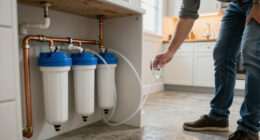
Smart home water leak detectors alert you when a spot sensor touches water or when a main-line monitor spots unusual water flow. Spot sensors are straightforward for appliances and sinks; whole-home monitors cover more plumbing but may require professional installation and a shutoff valve. Placement, connectivity, power, and a person ready to respond determine how useful either system will be.
A washing machine hose can drip for hours before you notice the dark, spreading patch on the laundry-room floor. A smart home water leak detector can sound an alarm or send your phone an alert when water reaches its sensor, giving you a chance to respond sooner.
This guide explains the differences between spot sensors, sensing cables, and whole-home monitors. You’ll learn where to place them, what their alerts can and cannot tell you, and which details to check before you buy.
A spot sensor detects water only where its contacts or sensing cable reach.
A whole-home monitor looks for unusual water-flow patterns but may not reveal the leak’s exact location.
Check whether the system includes a shutoff valve; an alert-only detector cannot stop the water.
Confirm hub, Wi-Fi, platform, power, and battery requirements before buying.
Place sensors near likely leak sources and make sure someone can act on alerts.
How smart leak detectors catch water before it spreads
Smart home water leak detectors either sense water at a specific spot or look for unusual flow through your main water line. A spot sensor usually detects a change in electrical conductivity when water bridges its contacts; a flow monitor uses measurements and software to flag suspicious patterns. The difference is one of direct evidence versus inference: a wet contact confirms water has reached that point, while unusual flow suggests something may be wrong. Each method can warn you early, but neither guarantees that every leak will be detected.
Imagine a dishwasher hose drips beneath the kitchen sink. A sensor tucked on the cabinet floor can confirm water has reached that floor, but it will stay silent if the leak runs behind a wall or down another route first. A main-line monitor may notice water running at an unexpected time, yet it may mistake normal use for a leak or fail to distinguish a small leak from ordinary water use. That affects the response: a spot alert points you toward a location, while a flow alert may tell you to investigate without showing where.
Some detectors send phone alerts, sound a local alarm, or connect to a motorized valve that can shut off the water. Those features address different parts of the problem: an alarm helps someone nearby notice, a remote message extends the warning beyond the home, and a valve can limit incoming water while no one is present. A valve also interrupts normal service and needs an override plan. Read the product’s specific detection and shutoff claims, since “whole-home” can mean broad flow monitoring, selected sensor coverage, or both.
Choose the detector that fits your home’s risk spots
Spot sensors suit known trouble spots, sensing cables cover a longer path, and whole-home monitors watch water flow at the main line. The practical tradeoff is between precise coverage and broader monitoring: a spot sensor can be simple and inexpensive, but only where it sits; a cable reaches along a route where water might travel; a main-line monitor can watch more plumbing, but it may need installation and may report a pattern rather than a source. A small leak under a cabinet can cause extensive damage before it reaches a sensor placed somewhere else, so coverage should follow likely water paths, not just convenient outlets.
For example, a renter in a compact apartment might put portable sensors beside the washing machine and beneath the kitchen sink. That offers direct warnings at two common risk points without changing the plumbing, though it leaves other routes uncovered. A homeowner with a finished basement and a water heater there may want a cable along a vulnerable wall, plus a professionally installed main-line monitor. The cable can catch water along that wall; the monitor adds a chance of spotting flow elsewhere. The extra system costs more and can produce alerts that need interpretation, so the combination makes most sense when the property’s layout, unattended periods, and potential damage justify that added coverage.
| Type | What it detects | What to keep in mind |
|---|---|---|
| Spot sensor | Water at the sensor’s location | Simple to place and relocate, but water must reach that point first |
| Sensing cable | Water along the cable | Useful along a basement wall or beneath cabinets; coverage follows only the cable’s route |
| Whole-home monitor | Unusual water flow or related patterns | May cover more plumbing, but can require plumbing work and may not locate the leak or distinguish it from normal use |
| Shutoff system | Detection paired with a motorized valve | Can limit continuing water flow, but interrupts service and needs a plan for overrides and restoring water |
Place sensors where a first drip can reach them
Place spot sensors on the floor near likely leak sources, where the first water can reach their contacts. Good starting points include under sinks, behind toilets, beside washing machines and dishwashers, near water heaters, and in vulnerable basement areas. Think about how water would move: a sensor on the far side of an appliance may not detect a leak that pools behind it, while a sensor tucked into a sealed or crowded space may be hard to hear, reach, or maintain.
Try a quick walk through the home with a list of appliances that use water. If the laundry room sits on the second floor, a leak there could stain the ceiling below; place the sensor near the machine’s water connections, where a hose failure is likely to wet the floor first, not across the room. For a long basement wall, a sensing cable can cover more ground than several point sensors, but only along the route where it is laid. Check that the cable does not leave gaps around likely leak paths.
Think about who will hear or see an alert, too. A loud alarm helps when you’re home, while a phone notification can help when you’re at work or away—provided the network works and someone checks the message. This means placement and notification are linked: a hidden sensor with a quiet alarm may detect water but fail to prompt a timely response unless remote alerts reach a person who can act.
Check these seven details before you buy
Before choosing a system, match its coverage, alerts, power, and installation needs to your home. The best spec sheet means little if the sensor cannot reach the likely puddle or an alert goes unread while you’re away. Consider how each feature changes the system’s practical value: wider coverage can mean higher cost and more setup, while remote alerts are useful only if the connection and response plan hold up. These key facts for smart home water can help you compare systems in practical terms.
- Map the risks: List sinks, appliances, water heaters, and basement areas that need protection. This reveals whether you need a few targeted sensors or coverage along a longer path.
- Choose the coverage: Decide whether point sensors or a cable cover those risks, or whether a main-line monitor adds useful reach. A flow monitor broadens monitoring, but its alerts may require you to investigate the source.
- Check the shutoff: Confirm whether a valve is included or compatible, and how you can override it. Automatic shutoff can limit continuing flow, but it may cut water during a false alarm or when water is needed for normal use.
- Confirm connectivity: Check Wi-Fi or hub requirements, smart-home compatibility, and whether remote alerts rely on cloud access. A local alarm may still work during an outage, but that does little if nobody is home to hear it.
- Plan for power: Look for battery or mains power details, low-battery warnings, and testing instructions. A detector without power cannot provide its intended warning, so maintenance is part of the coverage plan.
- Count the full cost: Include sensors, hub, valve, installation, replacement batteries, and subscription fees. Comparing only the sensor price can make a broader system seem cheaper than it will be to install and keep running.
- Match it to the property: Portable sensors often suit renters; homeowners may have more options for a main-line valve. Lease terms and plumbing access can determine whether a system is practical even when its features look appealing.
For instance, a buyer who already uses a smart-home hub should confirm the detector works with that exact hub and valve. Standards such as Matter and Thread are part of the wider smart-home landscape, but support varies by product; check current manufacturer details before purchasing.
Know what an alert can’t fix on its own
A detector can only report what it senses, and an alert only helps if someone can respond. Water that never reaches a spot sensor can go unnoticed, while a flow monitor may flag unusual use without identifying the source. Network outages can delay remote messages, even though some devices may still sound a local alarm. These limits matter because detection is only the first link in the response: someone still has to locate the water, stop its source, and arrange a repair.
Suppose your water heater starts leaking while you’re visiting family. A sensor can notify you, but an alert-only model won’t close the water line; you may need a neighbor or plumber to help. A system with automatic shutoff can reduce continuing water flow, which may limit damage while you’re away, but it cannot repair the heater or remove water already released. It also needs a plan for power loss, connectivity problems, and manual overrides, so you know whether it will still act and how to restore water afterward.
A leak detector buys you warning time; it doesn’t repair a pipe, replace an inspection, or guarantee that damage won’t happen.
Keep sensors accessible, follow the manufacturer’s battery and test instructions, and act on low-battery warnings. Those steps help ensure a sensor that is correctly placed remains ready to detect water. For a whole-home valve or main-line monitor that requires plumbing work, use a licensed plumber; follow the system’s safety instructions and local code or permit requirements.
Build a setup someone can act on
A useful setup pairs the right sensor locations with a clear response plan. Decide who receives the alert, who can reach the home, and what they should do if water is flowing. This matters most for vacation properties or any home left empty for long stretches: sensors can shorten the time before someone knows about a leak, but the benefit fades if the message reaches nobody or no one can get inside.
For example, a family leaving for a two-week trip could place sensors near the washing machine and water heater, check battery alerts before leaving, and ask a nearby neighbor to respond if a warning arrives. That neighbor needs a way to enter and know where the shutoff is; otherwise, the alert may not lead to action. If the family adds automatic shutoff, they should understand how to restore water and how the system behaves without internet access, since the valve changes what happens during a leak but does not replace a human check or repair.
- Test the alarm on the schedule the manufacturer recommends so you know the sensor and alert path still work.
- Keep sensors reachable so you can inspect, clean, and replace batteries before maintenance becomes difficult.
- Review alerts and update the contact person when household routines change; a notification route is only useful if someone monitors it.
- Investigate the source and arrange a plumbing repair after any leak alert, including flow alerts that do not identify a precise location.
For a home with a history of leaks or long unattended periods, layered coverage may make sense: point sensors near known risks and a main-line monitor for unusual water flow. The sensors provide location-specific evidence, while the monitor can add a broader warning; together they reduce some blind spots but still need reliable connectivity, maintenance, and a response plan. The added cost and installation effort pay off only if the system suits the plumbing and someone can respond.
Frequently Asked Questions
Do smart leak detectors work without Wi-Fi?
Some detectors can still sound a local alarm without internet, while remote phone alerts may stop or be delayed. Other models use a hub or a different wireless connection. Check what the specific device does during an internet or power outage.
Can a leak detector automatically shut off the water?
Only a system that includes or connects to a motorized shutoff valve can close the supply. A spot sensor that sends an alert alone cannot stop water. Check how the valve handles manual overrides and loss of power or connectivity.
Where should I put water leak sensors?
Start beneath sinks, behind toilets, beside washing machines and dishwashers, near water heaters, and in vulnerable basement areas. Place each spot sensor where an early drip can reach it, and keep it accessible for testing and battery changes.
Are spot sensors or whole-home monitors better?
Spot sensors are useful for known risk areas and usually need little setup. Whole-home monitors can watch flow at the main line but may cost more, require plumbing work, and infer a leak without showing its location. Some homes benefit from both types.
How many leak detectors does a home need?
There is no fixed number; cover the home’s main water-using appliances and vulnerable areas. A compact apartment may need only a few sensors, while a larger house with a basement and several appliances may need more or a sensing cable. Add coverage where a leak could go unnoticed or cause damage.
Conclusion
Start with the places where water could quietly escape, then choose sensors that cover those spots and alerts someone will answer. A detector can’t mend a cracked hose, but the right warning may turn a spreading puddle into a quick cleanup—and a far less soggy morning.
NFL season / tailgating Picks
team gear
As an affiliate, we earn on qualifying purchases.