
Keeping your Keurig K-Mini in top shape ensures it brews great-tasting coffee every time. Regular cleaning removes residue, mineral buildup, and flavor carry-over that can affect performance. This guide provides clear, step-by-step instructions to clean your K-Mini safely and effectively.
Follow these simple steps to keep your coffee maker functioning smoothly, extending its lifespan and improving your beverage quality.
Key Takeaways
| Regular Maintenance | Clean and descale every 3 months for best performance |
| Use Proper Products | Use compatible descaling and cleaning kits for safety |
| Remove Residue | Rinse the brew pathway regularly to prevent buildup |
| Deep Clean Periodically | Perform thorough descaling to remove mineral deposits |

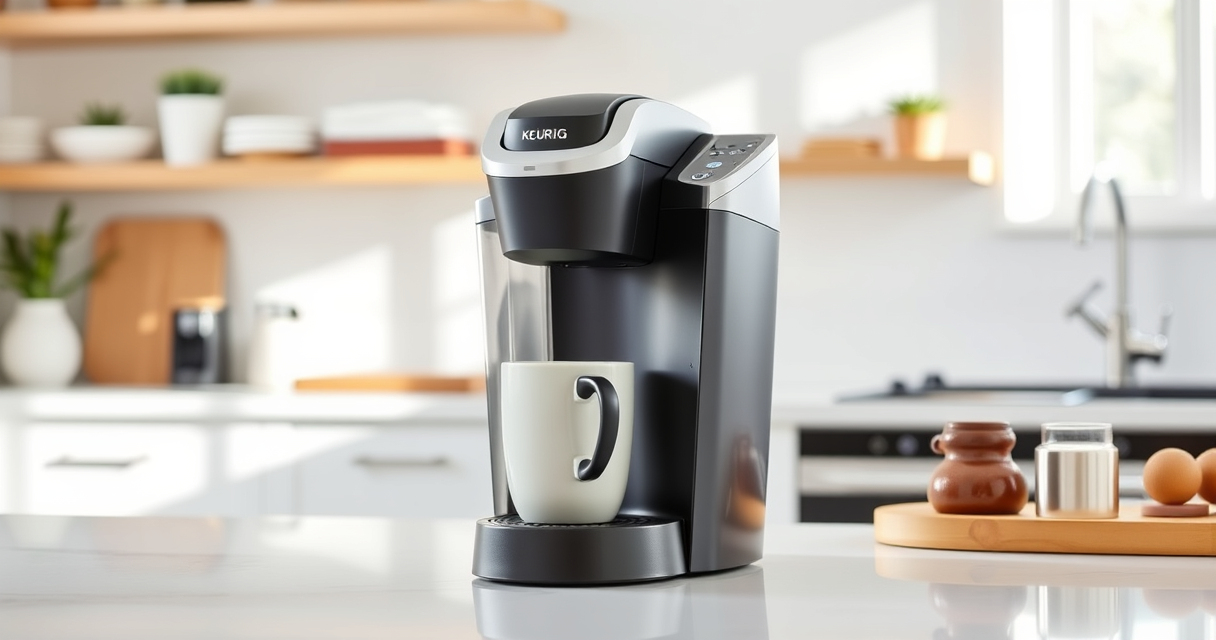
Keurig K-Mini Single Serve K-Cup Pod Coffee Maker, 6 to 12oz Brew size, with Cord Storage, Perfect for Small Spaces, Black
- Compact Design: Fits spaces less than 5 inches wide
- Adjustable Brew Size: Brew 6-12oz cups with Keurig pods
- Single Use Reservoir: Add fresh water for each brew
As an affiliate, we earn on qualifying purchases.
Gather Your Supplies
- Descaling solution or vinegar (if preferred)
- Rinse pods or water
- Clean, soft cloth or sponge
- Optional: Keurig cleaning kits (e.g., descaling or rinse pods)
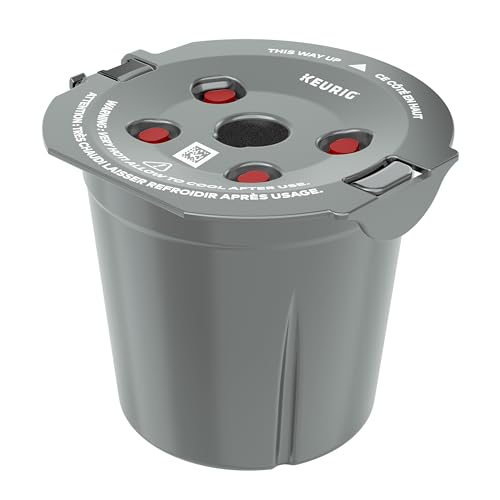
My K-Cup® Reusable Coffee Filter
- Brew with Ground Coffee: Use your favorite ground coffee
As an affiliate, we earn on qualifying purchases.
Empty and Rinse the Water Reservoir
Remove the water reservoir from the K-Mini. Empty any remaining water and rinse thoroughly with clean water to eliminate old mineral deposits or residues.
Run a Descaling Cycle
- Fill the reservoir with a descaling solution or a mixture of equal parts water and white vinegar.
- Place a large mug on the drip tray.
- Power on the machine and run a brew cycle without a K-Cup, allowing hot water to flow through the system.
- Repeat until the reservoir is empty, then let the machine sit for 30 minutes to loosen deposits.
Rinse Thoroughly
Refill the reservoir with fresh water and run multiple brew cycles to flush out any remaining descaling solution or vinegar taste. Repeat until the water runs clear.
Clean the Exterior and Drip Tray
Wipe the exterior with a damp cloth. Remove the drip tray and wash it with warm, soapy water. Dry all parts before reassembling.
The Products in This Guide
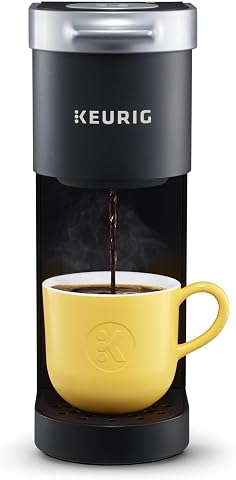
Keurig K-Mini Single Serve K-Cup Pod Coffee Maker
- ✔ Brew Size: 6-12oz
- ✔ Width: Less than 5 inches
- ✔ Color: Black
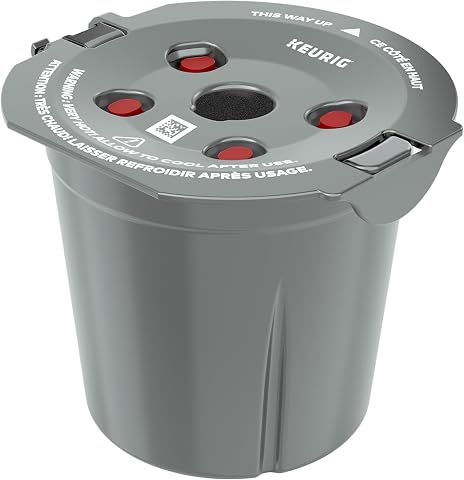
My K-Cup® Reusable Coffee Filter
- ✔ Compatibility: K-Mini, others
- ✔ Material: Plastic, stainless steel
- ✔ Dishwasher Safe: Yes
Keurig K-Mini Single Serve K-Cup Pod Coffee Maker
The Keurig K-Mini offers fast, fresh brewing in a sleek, space-saving design. Regular cleaning is essential to maintain its performance and flavor quality.
Pros:
- Compact and space-efficient
- Fast brewing time
- Easy to clean
- Removable drip tray
Cons:
- Limited brew size options
- No built-in descaling indicator
- Requires frequent water refills
Best for: Small kitchens or offices needing quick coffee solutions
Not ideal for: For those needing larger brew sizes or advanced features
Bottom line: A compact, efficient coffee maker perfect for small spaces, requiring regular cleaning for optimal use.
My K-Cup® Reusable Coffee Filter
The My K-Cup® Reusable Coffee Filter is an excellent addition if you prefer using ground coffee. It’s compatible with the K-Mini and helps you brew your favorite beans efficiently.
Pros:
- Eco-friendly
- Cost-effective
- Easy to clean
- Brew with your own coffee
Cons:
- Requires regular cleaning
- May require fine-tuning for grind size
- Limited to ground coffee
Best for: Coffee enthusiasts who prefer ground beans
Not ideal for: If you primarily use K-Cup pods
Bottom line: A practical reusable filter for brewing ground coffee in your Keurig K-Mini.
Frequently Asked Questions
How often should I descale my Keurig K-Mini?
It’s recommended to descale every 3 months or sooner if you notice slow brewing or mineral buildup.
Can I use vinegar instead of descaling solutions?
Yes, white vinegar is a natural descaler. Use equal parts vinegar and water, then run several rinse cycles afterward.
Is it safe to clean the K-Mini with a damp cloth?
Absolutely. Use a damp, soft cloth to wipe the exterior. Never immerse the machine in water.
What should I do if my K-Mini is not brewing properly?
Try descaling the machine, cleaning the brew path, and ensuring the water reservoir is filled correctly. If problems persist, consult the user manual.
Keep Your Keurig K-Mini Brewing Perfectly
Regular cleaning and descaling are key to maintaining your Keurig K-Mini’s performance and ensuring delicious coffee every time. Follow this guide for simple, safe steps to keep your machine in top shape and enjoy fresh brews with ease.
Affiliate disclosure: As an Amazon Associate we earn from qualifying purchases. Prices and availability are accurate as of the time of publishing.