
TL;DR

Get home appliances delivered free with Prime
- Fast, free delivery on millions of items
- Prime Video, Amazon Music and more included
- Member-only deals all year
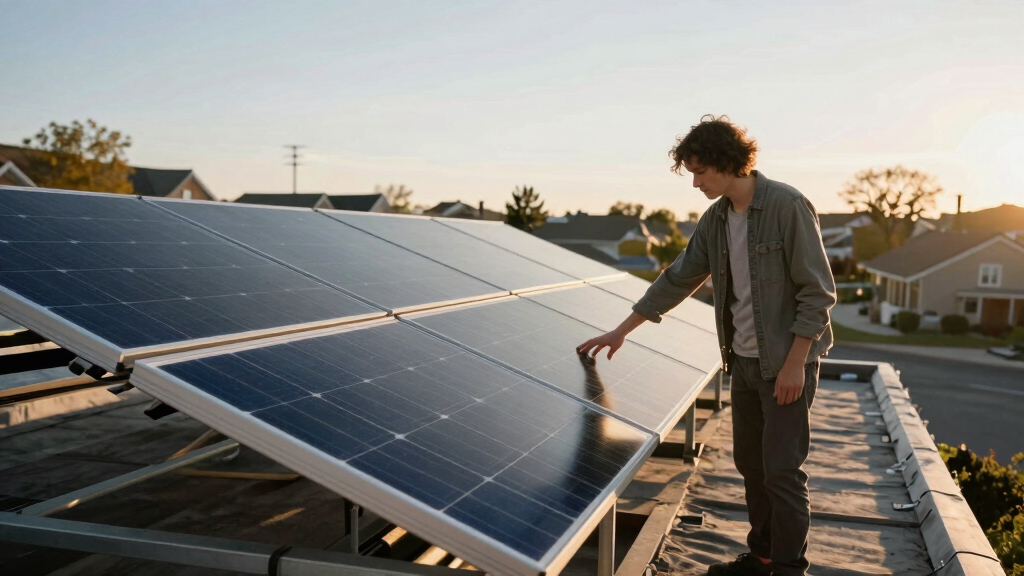
Sunergise has activated the largest rooftop solar installation in New Zealand, a 5.3 MW system at Fisher & Paykel Healthcare’s Auckland campus. This project marks a significant milestone in the country’s renewable energy sector and exemplifies corporate sustainability efforts.
Sunergise has completed and activated the largest rooftop solar system in New Zealand, a 5.3 MW grid-connected array installed at Fisher & Paykel Healthcare’s Auckland campus. The project, which took nine months to build, is now fully operational, marking a major milestone in New Zealand’s renewable energy development.
The 5.3 MW solar system spans approximately 70,000 square meters across two buildings at Fisher & Paykel Healthcare’s Auckland manufacturing and administrative site. It features 8,273 solar modules and is expected to generate over 6,600 MWh annually, offsetting more than 486 tonnes of carbon dioxide each year. The project was delivered under Sunergise’s SunPlus Power Purchase Agreement, allowing Fisher & Paykel Healthcare to pay only for the electricity produced without upfront capital costs.
This installation surpasses the previous largest rooftop array in New Zealand, which was 2.3 MW at Auckland Airport’s Mānawa Bay shopping centre. Industry experts project the country’s total solar capacity will triple from 860 MW in 2026 to over 2,100 MW by 2031, driven by increased adoption in commercial and industrial sectors seeking cost savings and sustainability.
Implications for New Zealand’s Renewable Energy Goals
This project demonstrates that large-scale rooftop solar is feasible and financially attractive for major businesses in New Zealand. It sets a new standard for corporate sustainability initiatives, potentially encouraging other companies to invest in renewable energy. As the country aims to significantly increase its solar capacity, such projects are vital to meeting national climate targets and reducing reliance on fossil fuels.
Products Worth Considering

Levoit Core 400S-P Smart Air Purifier for Large Rooms (Up to 1,718 sq ft)

eufy Security Essential 7-Piece Alarm System

Ring Alarm 5-Piece Wireless Security System
As an affiliate, we earn on qualifying purchases.
Growing Solar Adoption in New Zealand’s Commercial Sector
New Zealand’s solar sector has experienced rapid growth, with industry research indicating that installed capacity will more than double over the next five years. The 2026 milestone of 860 MW is expected to grow to over 2,100 MW by 2031, with commercial and industrial rooftop installations playing a key role. The Fisher & Paykel project, completed under a PPA model, exemplifies how businesses are leveraging solar to reduce operational costs and meet sustainability commitments.
“This is a landmark project for New Zealand. A 5.3 MW system on the rooftop of one of the country’s most recognised companies shows what’s possible when businesses commit to clean energy at scale.”
— an industry spokesperson
Remaining Questions About Project Impact and Replication
While the project’s technical success is confirmed, it remains to be seen how many other companies will follow suit and adopt similar large-scale rooftop solar systems. The long-term financial and operational impacts are still being evaluated, and the broader policy environment’s influence on further adoption is not yet clear.
Next Steps for Solar Expansion and Policy Development
Expect ongoing growth in commercial solar projects in New Zealand, with industry experts predicting a surge in installations over the next five years. Further developments in government incentives, financing models, and technological advancements will likely facilitate this expansion. Monitoring the performance and economic benefits of the Fisher & Paykel system will inform future projects.
Key Questions
How much energy will the new solar system produce annually?
The system is expected to generate more than 6,600 MWh of clean energy each year.
What is the environmental impact of the project?
The installation will offset over 486 tonnes of carbon dioxide annually, contributing to New Zealand’s climate goals.
Who financed the project?
It was delivered under Sunergise’s SunPlus Power Purchase Agreement, which requires no upfront capital from Fisher & Paykel Healthcare.
Could this project influence other companies in New Zealand?
Yes, as a high-profile example, it is likely to encourage other businesses to consider large-scale rooftop solar investments.
What are the main challenges for expanding rooftop solar in New Zealand?
Potential challenges include regulatory hurdles, grid integration issues, and the need for supportive policies and financing options.
Source: PV Magazine