

TL;DR

Get home appliances delivered free with Prime
- Fast, free delivery on millions of items
- Prime Video, Amazon Music and more included
- Member-only deals all year
With local-first video workflows, one upload can produce all your publishing assets—titles, descriptions, clips, social posts—without cloud dependency. This approach boosts privacy, reduces costs, and speeds up your publishing cycle. It’s a game-changer for creators who want control and simplicity.
Imagine finishing a video and having everything you need to publish—titles, captions, social posts, even short clips—ready in minutes. No waiting for uploads, no cloud dependency, just your own machine working quietly in the background. That’s the promise of a local-first, automated publishing workflow.
In this article, I’ll show you how one video, processed locally, can become a complete publishing kit. We’ll explore the tools, the workflow, and the tradeoffs—so you can decide if this approach fits your content creation life.
Key Takeaways
- One upload can generate a full publishing kit—titles, clips, social posts—all processed locally.
- Local workflows boost privacy and reduce recurring costs compared to cloud-based tools.
- Hardware capacity and file support are key considerations; plan accordingly.
- Review and edit assets easily before publishing, maintaining full control.
- While ideal for privacy-conscious creators, local solutions may have throughput limits.
As an affiliate, we earn on qualifying purchases.
What exactly does ‘one video in, a whole kit out’ mean?
It means transforming a single source—your raw footage—into a full set of assets on your own hardware. Think titles, descriptions, clips, thumbnails, social posts, and even blog drafts—all generated automatically. For example, you upload a 10-minute interview, and within minutes, you get a catchy title, a short highlight clip for TikTok, a detailed blog outline, and ready-to-publish social media posts.
This process relies on local AI tools that analyze audio, visuals, and meaning, then spit out assets ready for review. The key is that everything happens without sending your footage to the cloud, keeping your data private and under your control. For more on privacy-focused workflows, visit air quality and privacy solutions.
Why does this matter? Because in a landscape where data privacy is increasingly critical, being able to automate content creation without exposing your raw footage to third parties allows you to maintain control over sensitive or proprietary material. Additionally, local processing reduces reliance on internet bandwidth, which can be a bottleneck or point of failure, especially in remote or secure environments. The tradeoff, however, is that setting up and maintaining powerful local tools can require technical know-how and investment in hardware, which might be a barrier for some creators. But for those who prioritize privacy and speed, the benefits often outweigh these initial costs.

AI video asset generator software
As an affiliate, we earn on qualifying purchases.
As an affiliate, we earn on qualifying purchases.
How does local processing actually work — step by step?
- Ingest: Drop your video file or paste a link into the system. It detects the source and starts analyzing. This initial step is crucial because it sets the foundation for everything that follows. A robust ingest process ensures that different video formats, resolutions, and codecs are supported, which directly impacts the system’s versatility. The tradeoff here is that supporting numerous formats can increase complexity and hardware requirements. For insights on hardware considerations, see home improvement and tech setup tips.
- Understand: Background tools transcribe speech, identify scene changes, read on-screen text, and fuse visual and audio data into a unified timeline. This deep understanding enables the system to recognize key moments, topics, and context. Why does this matter? Because accurate transcription and scene detection allow for more precise asset generation—like short clips or accurate descriptions—saving you time and reducing manual editing. However, imperfect analysis can lead to errors, so the quality of AI models and hardware impacts the accuracy and reliability of these insights.
- Generate assets: Based on the analysis, the system drafts titles, descriptions, clips, thumbnails, and social posts. Here, interpretation is vital—simply listing generated items isn’t enough. You need to understand why certain assets are created and how they fit your goals. For example, a thumbnail generated by AI might be visually appealing but may not capture the most important moment if the AI misinterprets the scene. Recognizing these tradeoffs helps you decide when manual review or adjustments are necessary before publishing.
- Review and publish: You review everything in a dedicated studio interface, make edits if needed, then push assets directly to your channels—all on your own hardware. This step emphasizes control: the system isn’t replacing your judgment but augmenting it. The implication is that a well-designed interface reduces friction, but it also requires that you understand the assets and trust your review process. The tradeoff is that extensive manual review can slow down the workflow if not streamlined properly.
For instance, a YouTube video about a product launch could automatically generate a blog draft, social snippets, and a set of thumbnails—all ready without cloud upload. But the success of this process relies on the AI’s ability to accurately interpret content and your capacity to review and refine assets efficiently.

privacy-focused video publishing tools
As an affiliate, we earn on qualifying purchases.
As an affiliate, we earn on qualifying purchases.
Why choose local-first? The benefits you’ll love
- Privacy: Your footage stays on your machine. No third-party servers see your raw content or metadata. This is especially critical when dealing with sensitive or proprietary information, as it minimizes data exposure and potential breaches. The tradeoff is that local systems require proper security practices—like encryption and access controls—to truly protect your assets.
- Cost savings: No monthly subscriptions or cloud fees. One upfront hardware setup, then ongoing control. While initial investment might seem high, over time, eliminating recurring costs can lead to significant savings, especially for high-volume creators or organizations with tight budgets. The implication is more predictable expenses and less dependence on vendor pricing changes.
- Speed: No waiting for uploads or cloud processing. Assets are generated instantly, so you publish faster. This real-time capability allows for rapid iteration and responsiveness—crucial in fast-paced content environments. The tradeoff is that hardware limitations can bottleneck processing speed, so investing in quality components can be worthwhile.
- Ownership: Everything is stored locally, so you control your data and assets without vendor lock-in. This independence means you’re not subject to platform policies or outages, and you can customize your setup freely. The downside is that local systems require maintenance and updates, and you bear the full responsibility for security and backups.
Picture a small business owner who records a weekly update, then uses local tools to produce and publish multiple assets in under 30 minutes—no internet lag or cloud delays. This speed and control can be transformative, especially for teams that value autonomy over their content pipeline. Learn more about optimizing your workflow at home improvement and productivity tips.

hardware for local video processing
As an affiliate, we earn on qualifying purchases.
As an affiliate, we earn on qualifying purchases.
What are the real-world limits of going local?
Local processing isn’t magic. It demands robust hardware—powerful enough to analyze videos quickly. For hardware recommendations, see hardware setup guides. For example, a 4K footage with heavy visual effects might need a high-end GPU or plenty of storage. Throughput caps are real; processing ten videos a week is fine, but hundreds might need more gear. The tradeoff here is between hardware investment and scalability—scaling up requires more powerful components or distributed setups, which can become costly and complex.
Compatibility matters, too. Not every camera format or file type is supported out-of-the-box. Supporting a wide range of formats increases complexity and may require additional software or plugins. And, of course, you still need to review and refine assets—AI can’t do everything perfectly. Recognizing these limitations helps set realistic expectations and plan hardware and workflows accordingly.
Imagine a YouTuber who records daily vlogs on a smartphone but struggles to process all footage locally because of hardware limits. Knowing these constraints helps in choosing the right equipment and managing workload expectations, ensuring the system remains reliable and efficient.

How does local compare with cloud-based publishing tools?
| Feature | Local-First Workflow | Cloud-Based Tools |
|---|---|---|
| Data Privacy | High — everything stays on your hardware | Variable — data often stored outside your control |
| Cost | One-time hardware + software license | Recurring subscription fees |
| Speed | Immediate, limited by hardware | Dependent on internet speed and server load |
| Customization | High — tweak tools locally | Limited to vendor offerings |
For example, a creator using local tools can generate a full publishing kit faster and more privately than relying on cloud services that charge monthly fees and store your footage remotely. This comparison highlights that while cloud tools can offer scalability and ease of use, they often do so at the expense of privacy, ongoing costs, and less control over the process—tradeoffs that matter greatly depending on your priorities and resources.

What does a typical local publishing kit include?
After processing, you get a bundle of assets ready to publish. Here’s what’s usually included:
- Optimized titles and descriptions, scored for engagement
- Vertical clips tailored for TikTok, Instagram Reels, Shorts
- Thumbnails pulled from key moments
- Social media posts and threads, customized per platform
- Blog drafts or newsletter summaries
- A full transcript for accessibility or further editing
Understanding what’s included helps you see the value of automation: it not only saves time but also ensures consistency across your content channels. The assets are generated based on AI analysis, but their quality and relevance depend on the sophistication of your tools and your review process. Recognizing the typical contents and their purpose allows you to better tailor your automation to fit your brand and workflow.

Can I review, edit, and control everything before publishing?
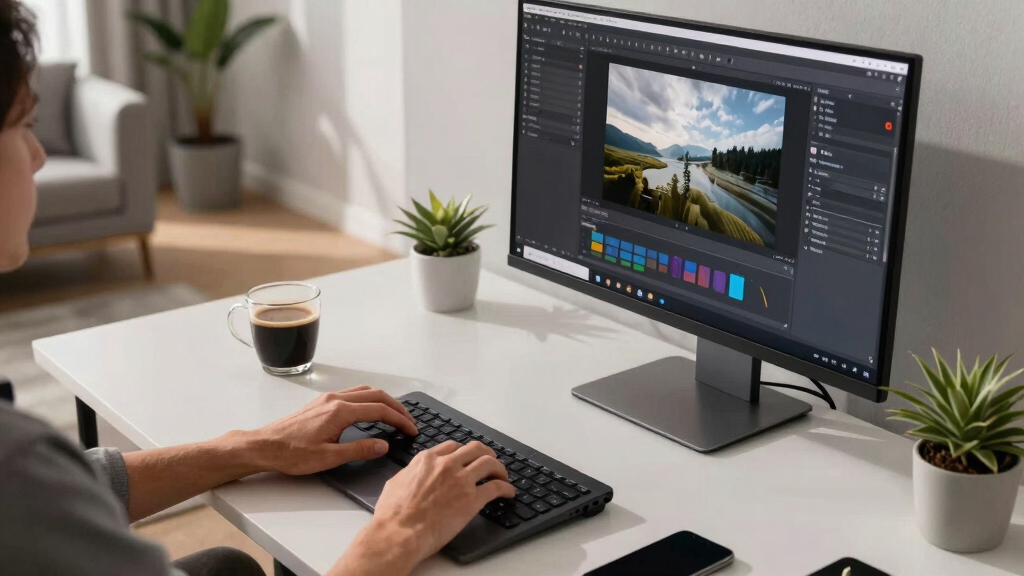
Yes. The review interface is designed to give you control every step of the way. You can see a dashboard with progress, edit titles, replace clips, tweak descriptions, and approve assets individually or in groups. This iterative process is vital because AI-generated assets are not perfect and often need human judgment to align with your voice and goals. The ability to make quick adjustments reduces the risk of publishing subpar content or missing key messaging points.
Imagine reviewing a thumbnail concept, then swapping out the image for a better one, all within the same interface. You can also modify captions, reorder clips, or add annotations—ensuring the final output matches your vision. This control is essential for maintaining quality and brand consistency, especially when automating multiple assets at once. The tradeoff is that the review process requires time and attention, but it ultimately enhances the professionalism and effectiveness of your content.
How private and secure is a local-first workflow really?
Local processing keeps your footage and metadata on your own hardware. No data leaves your network, reducing risks of leaks or unauthorized access. For example, a marketing team analyzing sensitive product videos can confidently process everything internally, knowing nothing is sent to third-party servers. This setup significantly enhances security, especially when dealing with confidential or proprietary content.
Of course, it depends on your setup—good security practices and hardware matter. Using encryption, access controls, and regular updates enhances protection. The implication is that local workflows provide a stronger shield for sensitive content than cloud services that store all your data externally, which could be vulnerable to breaches or legal access. However, it also means you are responsible for maintaining security standards, which requires awareness and effort. Recognizing this helps you weigh the benefits of privacy against the need for proper security measures.

What’s the bottom line? Is local publishing automation worth it?
If you want full control, privacy, and faster turnaround, then yes. Local workflows eliminate recurring costs, reduce dependency on internet speed, and keep your content secure. The initial hardware investment might be higher, but over time, it pays off by avoiding ongoing subscription fees and vendor lock-in. It’s particularly advantageous for creators who prioritize data sovereignty and cost predictability.
However, if you need massive throughput or quick scalability, cloud solutions might still make sense. It’s about matching your needs with your resources and comfort level. For example, large-scale enterprises or content hubs may prefer cloud scalability, but small teams and individual creators often find the local approach more aligned with their values and operational constraints.
For many creators and small teams, a local-first approach offers a smarter, more private way to produce and publish content—without sacrificing speed or quality.
Frequently Asked Questions
What exactly is generated from one video or source file?
From a single video, you can get titles, descriptions, short clips, thumbnails, social media posts, blog drafts, and transcripts—all automatically generated based on the analysis of audio, visuals, and meaning.
Is the workflow truly offline, or does it still require cloud services for some steps?
The core analysis and asset generation happen on your local machine, with no need for cloud processing. You can fully operate offline, maintaining control and privacy at all times.
What are the hardware requirements for running this kind of system?
Typically, a high-performance CPU, ample RAM, and a decent GPU are needed. For example, processing 4K footage efficiently might require a recent Nvidia or AMD GPU with at least 8GB VRAM, plus sufficient storage for raw and processed files.
How much local storage do I need?
It depends on your video volume, but a good rule of thumb is at least 1TB of fast SSD storage for raw footage and processed assets. Larger collections or higher resolution videos will require more space.
Can I review and edit the assets before publishing?
Absolutely. The review interface allows you to tweak titles, swap clips, adjust descriptions, and approve assets individually, ensuring your final publish is exactly what you want.
Conclusion
Choosing a local-first publishing setup means you keep your content close, your costs predictable, and your workflow fast. It’s a smart move for anyone serious about control and privacy in their content creation.
Imagine a future where your entire publishing process runs seamlessly on your own hardware—no cloud, no waiting. That’s the promise of a truly local, automated content pipeline. Are you ready to take that step?

Halloween Picks
halloween
As an affiliate, we earn on qualifying purchases.