
Many misconceptions about drain and discharge options suggest they’re always complicated, costly, or solely surgical. In reality, you can find simple, minimally invasive methods that fit your needs, and proper use guarantees safety and effectiveness. Different options cater to various recovery lifestyles, so consulting healthcare professionals helps you choose what’s right for you. Keep exploring, and you’ll discover more about how to confidently manage your drain and discharge care.

Get home appliances delivered free with Prime
- Fast, free delivery on millions of items
- Prime Video, Amazon Music and more included
- Member-only deals all year
Key Takeaways
- Many drain and discharge procedures are simple, safe, and less invasive than commonly believed.
- Proper medical guidance ensures effective management, debunking myths that home remedies can replace professional treatment.
- Various options, including external and internal drains, suit different recovery needs and are safe when used correctly.
- Choosing the right method depends on individual health conditions, with consulting healthcare providers essential.
- Evolving safety features and technological advances enhance the effectiveness and trustworthiness of drain systems.
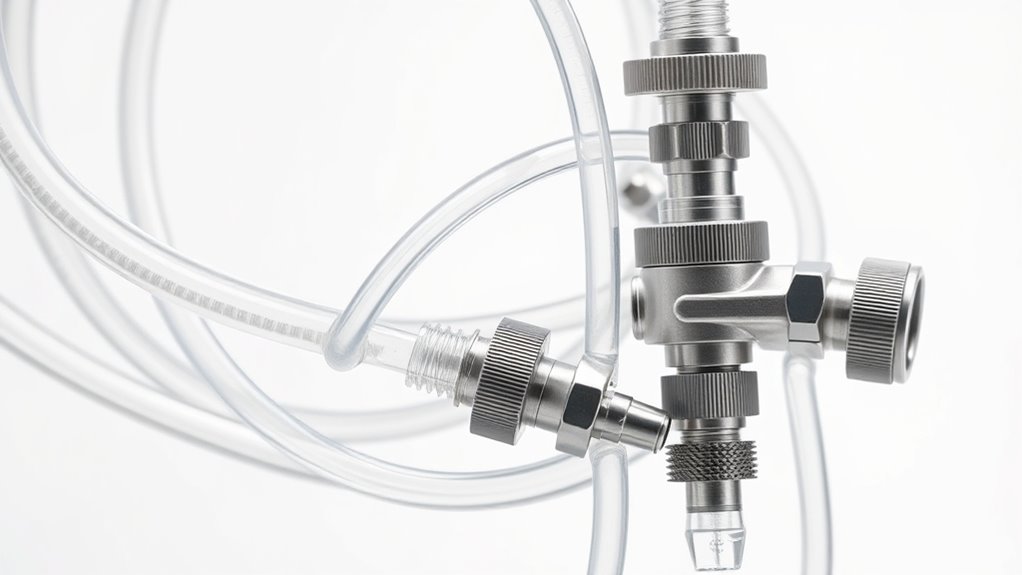
external drain collection device
As an affiliate, we earn on qualifying purchases.
As an affiliate, we earn on qualifying purchases.
Common Misconceptions About Drain and Discharge Procedures

Many people believe that drain and discharge procedures are always complex and costly, but that’s not true. Some think surgery is the only option, when there are less invasive surgical alternatives available. In many cases, healthcare providers recommend simple procedures that don’t require extensive surgery, making recovery easier and less expensive. Additionally, some assume home remedies can replace professional treatment, but that’s a misconception. While home remedies might help manage minor discomfort temporarily, they aren’t substitutes for proper medical procedures. It’s important to understand that choosing the right drain and discharge approach depends on your specific condition. Consulting a healthcare professional can help you explore effective options, whether surgical alternatives or appropriate home care, ensuring safe and effective treatment. Dad – Amazing Life Together
minimally invasive surgical drain
As an affiliate, we earn on qualifying purchases.
As an affiliate, we earn on qualifying purchases.
Understanding the Types of Drain and Discharge Options Available

Understanding the different drain and discharge options available helps you make informed decisions about your treatment. You’ll find surgical alternatives that vary in complexity, from simple drain placements to more advanced systems. Some options involve external drains, which are connected to collection devices, while others use internal systems that require minimal maintenance. Knowing these options allows you to choose based on your specific health needs and preferences. Additionally, certain discharge methods may require lifestyle adjustments, like limiting physical activity or managing drainage supplies. It’s essential to discuss these options with your healthcare provider to understand their benefits and limitations. Being aware of the available types empowers you to participate actively in your treatment plan and select the most appropriate approach for your recovery. Understanding alimony laws can also influence post-treatment financial planning, especially if ongoing support is needed.
As an affiliate, we earn on qualifying purchases.
Debunking Myths: Safety and Effectiveness of Drain Systems

Despite common misconceptions, drain systems are safe and effective tools for managing post-surgical fluid buildup. They help prevent complications and promote healing, often providing better results than alternative therapies. While some worry about safety, proper use and monitoring ensure minimal risks. The emotional impacts can be significant, but understanding how drain systems work reduces anxiety. Here’s a quick comparison:
| Aspect | Myth | Fact |
|---|---|---|
| Safety | Drains are dangerous | They are safe when used correctly |
| Effectiveness | Drains are ineffective | They effectively prevent fluid accumulation |
| Alternative therapies | Drains aren’t necessary | Sometimes, they’re the best option |
Knowing the facts helps you stay confident in your recovery process. Credit card systems are also evolving to incorporate advanced security features, which further enhances safety and trust.
As an affiliate, we earn on qualifying purchases.
How to Choose the Right Drain and Discharge Method for You

Choosing the right drain and discharge method depends on your specific surgery, recovery needs, and lifestyle. Start by consulting your healthcare provider to understand the options available and what suits your situation best. While home remedies and alternative therapies may seem appealing, they shouldn’t replace medical advice, especially during recovery. Instead, use them to complement your treatment—like gentle compression or elevation to reduce swelling, if approved by your doctor. Consider how active you are and your comfort level with different methods. Some people prefer more discreet options, while others prioritize ease of use. Ultimately, selecting the right method involves balancing medical recommendations with your personal preferences, ensuring a smooth, safe recovery. Additionally, staying informed about AI’s role in healthcare advancements can help you make more empowered decisions during your recovery process.
Expert Tips for Navigating Drain and Discharge Decisions
When maneuvering drain and discharge decisions, seeking expert advice is essential to guarantee you select the safest and most effective options. Proper guidance helps you understand how your post-surgery recovery and lifestyle adjustments influence drain management. Here are key tips:
Seeking expert advice ensures safe, effective drain management during recovery and lifestyle adjustments.
- Consult your healthcare provider regularly to align drain care with your recovery goals.
- Prioritize hygiene and monitor for signs of infection, ensuring safe discharge practices.
- Adapt your daily routine by incorporating gentle movements and proper wound care to support healing.
Frequently Asked Questions
What Are the Long-Term Health Effects of Different Drain Options?
Long-term health effects of drain options vary, but biocompatibility concerns are key. Some drains may cause chronic health risks like infections or tissue irritation if not properly managed. You should regularly monitor for signs of inflammation or discomfort, and consult your healthcare provider about the safest options for your situation. Choosing the right drain minimizes biocompatibility issues and reduces the chance of long-term complications, promoting better overall health.
Can I Switch Between Drain Types After Initial Installation?
Yes, you can switch between drain types after initial installation, but you need to take into account drain compatibility and discharge flexibility. Not all drains are easily interchangeable, so check if the new drain fits your current setup and meets your discharge needs. Consulting a professional guarantees a smooth transition, avoiding leaks or improper drainage. Knowing your options helps you make an informed switch that suits your long-term comfort and health.
Are There Environmental Impacts Associated With Specific Discharge Methods?
Yes, there are environmental impacts tied to specific discharge methods. You need to follow environmental regulations, which aim to minimize pollutant runoff into water sources. Improper discharge can introduce harmful pollutants, affecting ecosystems and water quality. By choosing compliant methods and understanding local rules, you can diminish environmental harm, protect natural resources, and ensure your drainage practices are sustainable and safe for the environment.
How Do Costs Vary Among Various Drain and Discharge Systems?
You’ll find that installation costs vary widely among drain and discharge systems, with simpler setups typically costing less upfront. Maintenance expenses also differ; some systems require frequent inspections and repairs, increasing ongoing costs. More advanced, eco-friendly options might have higher initial investments but lower long-term maintenance. To make the best choice, compare both installation costs and ongoing maintenance expenses, ensuring you select a system that fits your budget and environmental needs.
What Are the Signs Indicating a Need to Change My Current Drain Method?
You notice a persistent foul odor wafting from your drain or occasional clog symptoms that won’t clear. These signs suggest it’s time to change your current drain method. Over time, buildup and blockages can cause odors and slow drainage, making your system less effective. Switching to a more reliable drain or discharge option can restore flow and eliminate unpleasant smells, ensuring your plumbing stays smooth and odor-free.
Conclusion
Remember, choosing the right drain and discharge option isn’t just about what’s available—it’s about finding what truly suits your comfort and peace of mind. Don’t let misconceptions steer you away from making informed decisions. With a little guidance and understanding, you can navigate these choices confidently. Embrace the journey as an opportunity to prioritize your well-being, knowing that, with the right approach, you’re gently steering toward a smoother, more secure path.
Fall Picks
fall essentials
As an affiliate, we earn on qualifying purchases.