Basement moisture can increase humidity levels in water rooms like bathrooms and laundry areas, creating the perfect environment for mold, mildew, and wood rot. When moisture seeps through foundation cracks or walls, it damages structures and compromises air quality. Poor drainage and inadequate sealing make these problems worse. Understanding how moisture affects these spaces helps you prevent costly repairs and health issues. Keep exploring to discover effective solutions for keeping your water rooms dry and safe.
Key Takeaways
- Basement moisture can increase humidity levels in adjacent water rooms, promoting mold and mildew growth.
- Poor drainage around the foundation causes water seeping into both the basement and water rooms.
- Moisture intrusion weakens basement structures, risking damage to water rooms with plumbing and appliances.
- Sealing cracks and installing vapor barriers prevent moisture transfer between the basement and water rooms.
- Managing basement humidity levels helps maintain dry, healthy water rooms and improves overall home air quality.
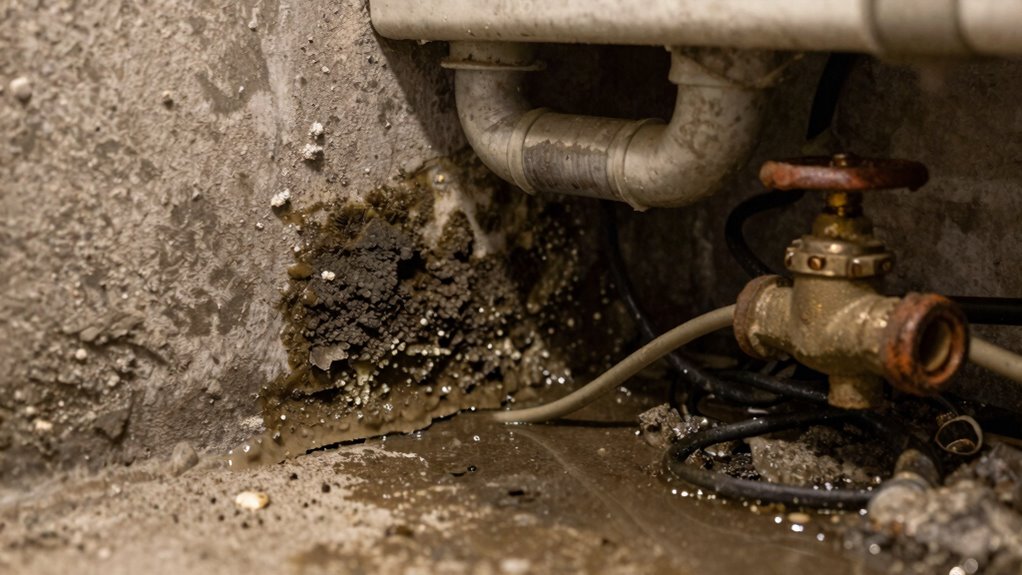
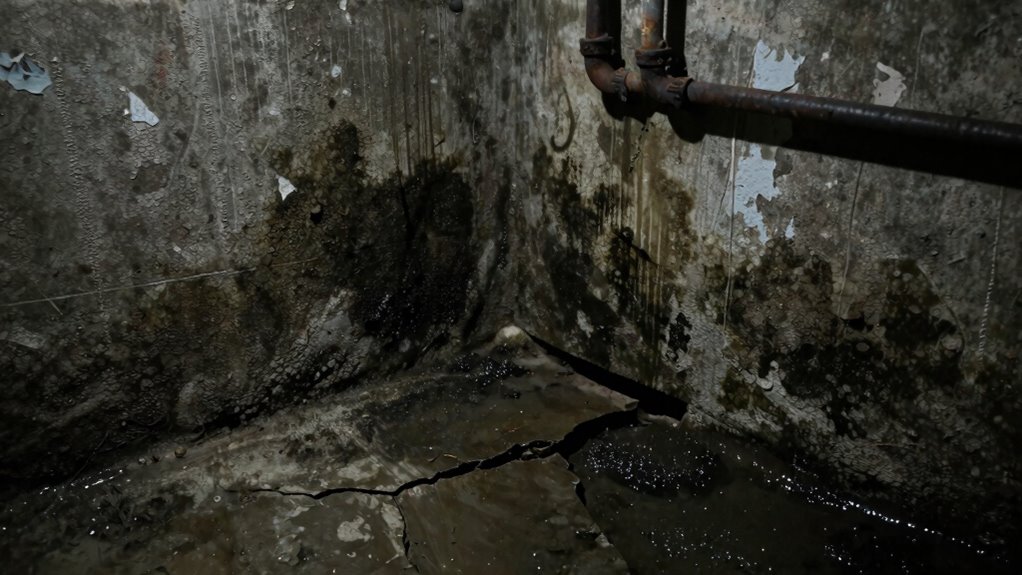
Have you ever wondered how basement moisture levels might be connected to water rooms in your home? It’s not just about dampness or mold; it’s about understanding how moisture impacts the entire structure. When your basement isn’t properly ventilated or sealed, humidity control becomes a challenge. Excess moisture can seep through cracks in the foundation or walls, raising humidity levels and creating a perfect environment for mold, mildew, and even wood rot. These aren’t just cosmetic issues—they can compromise your home’s integrity and health.
Proper sealing and ventilation are key to preventing basement moisture and protecting your home’s health.
One of the most effective ways to combat this is by implementing proper drainage solutions. When your drainage system isn’t functioning well, water tends to pool around your foundation or seep into your basement, increasing moisture levels inside. Poor drainage can be caused by blocked gutters, improperly sloped landscaping, or cracks in the foundation that allow water to enter. Addressing these issues with reliable drainage solutions helps divert water away from your home, reducing the amount that seeps in and raises humidity. This, in turn, minimizes the risk of water rooms—areas like bathrooms, laundry rooms, or utility rooms—that often experience higher humidity due to water usage. These rooms tend to amplify moisture problems because of constant water vapor and potential leaks, making proper drainage even more vital. Proper drainage solutions are essential for maintaining a balanced environment and preventing excessive humidity buildup.
Controlling humidity in your basement isn’t just about keeping the air dry; it’s about creating a balanced environment where moisture levels are managed. Using dehumidifiers can help, but they’re most effective when combined with good drainage and sealing strategies. For example, sealing cracks and installing vapor barriers can prevent moisture from coming through walls and floors. Proper landscaping and maintaining gutters ensure that water is directed away from your foundation, preventing it from seeping inward. When these drainage solutions are in place, the moisture that does find its way into your home is less likely to accumulate to problematic levels, especially in water rooms that are prone to humidity. Indoor air quality can also be significantly improved when moisture issues are properly managed, leading to healthier living spaces. Additionally, understanding moisture barriers and their role in home protection can further enhance your efforts. Being aware of foundation cracks and how they contribute to moisture intrusion can help you take targeted measures to protect your home’s structure.
Ultimately, understanding the link between basement moisture and water rooms helps you take proactive steps. When you address drainage issues and focus on humidity control, you protect your home from costly repairs and improve indoor air quality. This integrated approach keeps your basement dry, your water rooms from becoming humid zones, and your entire home healthier and more comfortable.
basement dehumidifier for moisture control
As an affiliate, we earn on qualifying purchases.
As an affiliate, we earn on qualifying purchases.
Frequently Asked Questions
Can Basement Moisture Affect Indoor Air Quality?
Yes, basement moisture can impact your indoor air quality. Excess humidity reduces air circulation, trapping stale air and increasing indoor pollutants. It also creates a perfect environment for mold growth, which can release spores into the air and cause health issues. To prevent this, control moisture levels, improve air circulation, and prioritize mold prevention strategies. Keeping your basement dry helps maintain healthier indoor air quality for you and your family.
What Signs Indicate Hidden Water Damage in Basements?
You might notice a musty smell or unexplained water stains creeping along walls—these are signs of hidden water damage. Keep an eye out for peeling paint or warped flooring, which often hide moisture behind the scenes. To prevent further damage, seal cracks promptly and consider drainage solutions to divert water away. Staying vigilant helps catch issues early, saving you time and costly repairs later.
Are Waterproofing Methods Effective Long-Term Solutions?
Yes, waterproofing methods like basement sealing and drainage improvement are effective long-term solutions. Basement sealing prevents moisture from seeping through walls and floors, while drainage improvements direct water away from your foundation, reducing the risk of future leaks. When installed properly, these techniques provide lasting protection against moisture problems, guaranteeing your basement stays dry and structurally sound. Regular maintenance and inspections help guarantee their continued effectiveness over time.
How Does Climate Influence Basement Moisture Levels?
Ever wondered how climate impacts your basement’s moisture? Climate patterns play a significant role, as high humidity levels from rainy or humid seasons increase moisture infiltration. You need to focus on humidity control to prevent mold and dampness. In dry climates, moisture is less of an issue, but in humid regions, proper ventilation and dehumidifiers become essential. So, understanding your climate helps you better manage basement moisture effectively.
What DIY Steps Can Prevent Basement Moisture Issues?
You can prevent basement moisture issues by improving ventilation and installing moisture barriers. Guarantee proper basement ventilation by using exhaust fans or dehumidifiers to reduce humidity levels. Apply moisture barriers on walls and floors to block dampness from seeping in. Regularly inspect for leaks, fix any cracks, and keep gutters clean to divert water away from your foundation. These simple DIY steps help maintain a dry, healthy basement.
waterproof vapor barrier for basement walls
As an affiliate, we earn on qualifying purchases.
As an affiliate, we earn on qualifying purchases.
Conclusion
Now that you see the connection, imagine your basement as a quiet, unseen harbor, where moisture’s silent presence stirs beneath the surface. Like a ship steering treacherous waters unseen, ignoring these signs can lead to unseen damage and chaos in your home. Stay vigilant, address the moisture early, and turn your basement from a hidden threat into a safe haven — a fortress against the storm that lurks beneath.
As an affiliate, we earn on qualifying purchases.
drainage system for home foundation
As an affiliate, we earn on qualifying purchases.
As an affiliate, we earn on qualifying purchases.