
When choosing between battery backups and water-powered systems, you weigh response time, sustainability, and longevity. Batteries offer quick, short-term power and are easier and cheaper to install but need regular replacements. Water systems provide longer-lasting power and are eco-friendly if water sources are sustainable, but they require higher upfront costs and infrastructure. Consider your needs and location, and explore further to find the best fit for your power backup strategy.

Get home appliances delivered free with Prime
- Fast, free delivery on millions of items
- Prime Video, Amazon Music and more included
- Member-only deals all year
Key Takeaways
- Battery backups respond instantly and are ideal for short-term needs; water systems provide longer-lasting power depending on water flow.
- Batteries have lower upfront costs and are easier to install, but require replacements over time, increasing long-term expenses.
- Water-powered backups are more environmentally friendly if water sources are sustainable but involve higher initial infrastructure costs.
- Batteries are suitable for quick response and portable applications, while water systems are better for extended backup durations.
- Hybrid systems combining both options can optimize reliability, cost, and sustainability based on specific needs.
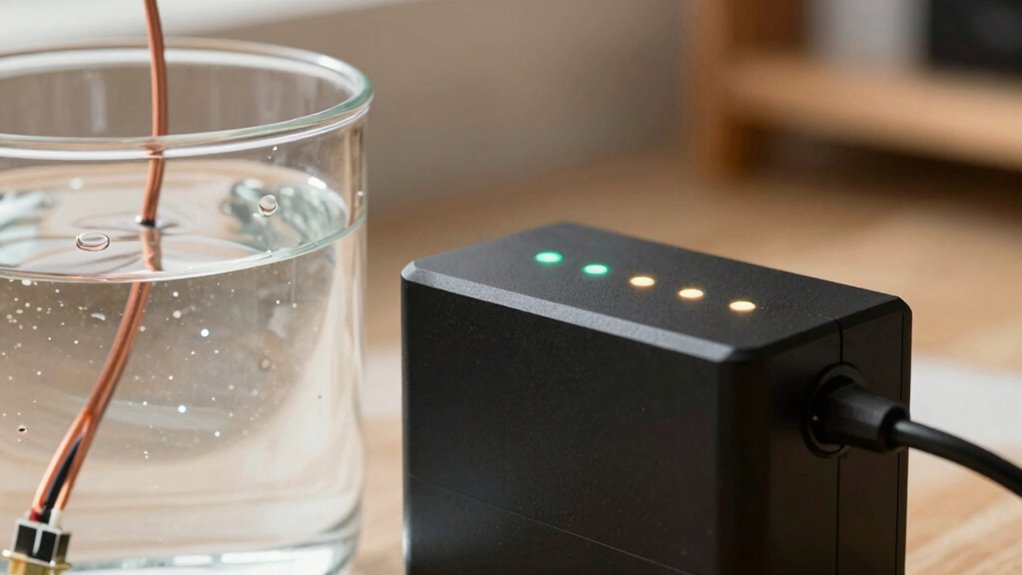
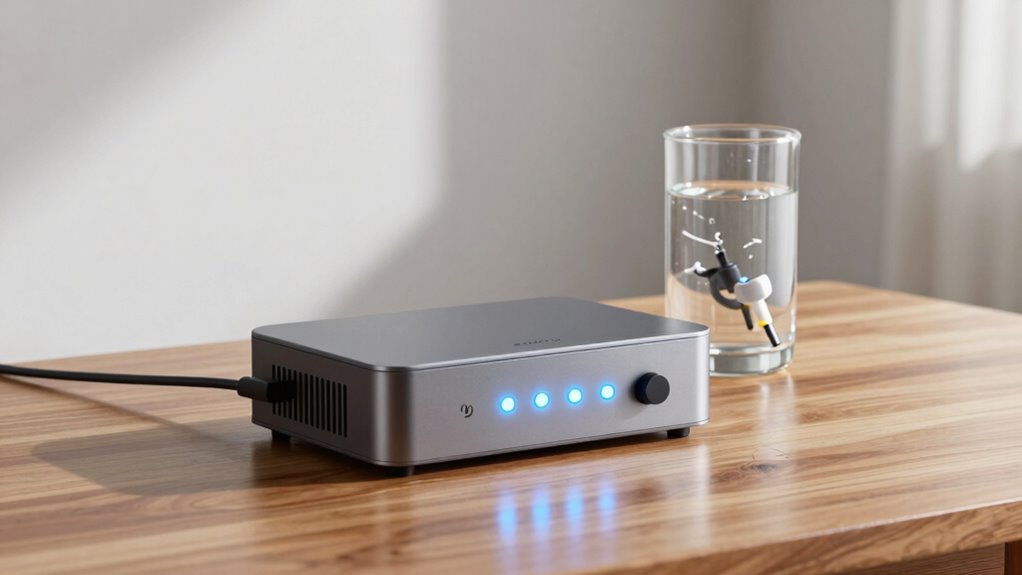
When choosing a backup power system, understanding the differences between battery backups and water-powered backups is essential. Both options serve to keep your essential devices running during outages, but they differ considerably in how they operate, their renewable options, and cost considerations. Battery backups, commonly known as uninterruptible power supplies (UPS), are popular for their simplicity and immediate response. They store energy in chemical form and release it quickly when power fails, making them ideal for short-term needs like computers or medical devices. Water-powered backups, on the other hand, utilize stored water and gravity to generate electricity, often through hydroelectric systems. These systems can provide longer-lasting power and are considered more sustainable, especially if they use renewable water sources. Additionally, the availability of suitable infrastructure is a critical factor that can influence your choice. Renewable options are a key factor when comparing these systems. Battery backups rely on chemical batteries, most often lithium-ion or lead-acid types, which can be recycled but still carry environmental concerns regarding their production and disposal. Water-powered backups harness natural water flow, making them inherently renewable if the source is sustainable—like a river or reservoir. This makes water-powered systems an eco-friendly choice for those committed to sustainability, as they produce clean energy without chemical waste. However, they depend heavily on geographic location and water availability, which can limit their applicability. Cost considerations are vital in your decision-making process. Battery backups typically have lower upfront costs, making them accessible for most households and small businesses. They require less installation effort, and you can add capacity incrementally by purchasing additional units. But keep in mind, batteries have a finite lifespan—usually 3 to 10 years—and need replacement over time, which adds to ongoing expenses. Water-powered backups often involve higher initial investment due to infrastructure requirements, such as constructing a dam, reservoir, or hydroelectric generator. Maintenance costs can also be higher, especially if you need to manage water flow or perform repairs. Despite these costs, water-powered systems can be more economical in the long run if you have reliable access to water and require extended backup durations. Incorporating renewable energy sources into your backup system can significantly influence its environmental impact and long-term efficiency. Advances in energy storage technology are continually improving the performance and sustainability of these systems. Moreover, ongoing research into sustainable infrastructure is making water-powered solutions more feasible in diverse locations. It’s also worth noting that technological advancements are expanding the potential for hybrid systems that combine elements of both battery and water power to optimize reliability and sustainability. Ultimately, your choice hinges on evaluating your specific needs, budget, and environmental priorities. Battery backups are convenient, cost-effective for short-term use, and easy to install but may not sustain power during prolonged outages. Water-powered backups offer a renewable and long-lasting solution but demand significant upfront investment and suitable geography. Considering the environmental impact of each option can help ensure your decision aligns with your sustainability goals. Weighing the renewable options against cost considerations helps you make an informed decision that aligns with your energy goals and practical circumstances.
uninterruptible power supply UPS
As an affiliate, we earn on qualifying purchases.
As an affiliate, we earn on qualifying purchases.
Frequently Asked Questions
How Long Does Each Backup Type Typically Last During an Outage?
During an outage, a battery backup typically lasts between 4 to 6 hours, depending on battery lifespan and power draw. Water-powered backups can last much longer—sometimes days—if the water source remains reliable. Your choice depends on your needs: batteries offer quick, short-term power, while water-powered systems provide extended backup, but rely heavily on water source reliability. Consider your outage duration expectations and water supply stability when deciding.
What Are the Installation Costs for Battery Versus Water-Powered Backups?
You’ll find that battery backup systems typically cost between $200 to $500 for installation, while water-powered backups can range from $1,000 to $3,000. Battery systems are simpler to install and require minimal maintenance, mainly replacing the batteries every few years. Water-powered backups involve more complex installation, often needing specialized setup, and maintenance includes checking water levels and system integrity regularly. This makes batteries a more budget-friendly, low-maintenance choice for most homes.
How Eco-Friendly Are Water-Powered Backup Systems Compared to Batteries?
Water-powered backup systems are generally more eco-friendly than batteries because they have a lower environmental impact and better sustainability considerations. You’ll find that water backups don’t rely on toxic chemicals or rare minerals, reducing pollution and resource depletion. While batteries may produce hazardous waste and have a larger carbon footprint during manufacturing, water-powered systems offer a cleaner, more sustainable option for backup power, especially if water sources are managed responsibly.
Can Water-Powered Backups Be Affected by Drought Conditions?
A problem shared is a problem halved, and drought impact can markedly affect water-powered backups. During droughts, water levels drop, reducing the system’s capacity to provide power. You’ll find that water availability becomes a critical factor, and these backups may fail or underperform when water levels are low. So, yes, drought conditions can directly compromise their reliability, making it essential to take into account local climate and water sources.
Are There Any Safety Concerns With Water-Powered Backup Systems?
You should be aware of safety concerns with water-powered backup systems, mainly related to proper safety protocols and regular system maintenance. If the system isn’t maintained correctly, you risk leaks, contamination, or malfunction during an emergency. Always guarantee safety protocols are followed, such as inspecting for leaks and cleaning components. Regular maintenance keeps the system safe and reliable, preventing potential hazards and ensuring it functions effectively when you need it most.
hydroelectric water backup system
As an affiliate, we earn on qualifying purchases.
As an affiliate, we earn on qualifying purchases.
Conclusion
When choosing between a battery backup and a water-powered backup, consider your specific needs and environment. While water-powered systems might seem complex or less reliable, they often offer longer-lasting power without frequent replacements. Don’t let the perceived hassle deter you—you can enjoy peace of mind knowing your backup system can keep things running smoothly in emergencies. Ultimately, weighing convenience against longevity helps you pick the best solution for your home’s safety and peace of mind.
solar and water hybrid backup generator
As an affiliate, we earn on qualifying purchases.
As an affiliate, we earn on qualifying purchases.
portable battery backup for computers
As an affiliate, we earn on qualifying purchases.
As an affiliate, we earn on qualifying purchases.
Halloween Picks
halloween
As an affiliate, we earn on qualifying purchases.