To properly pair pressure tanks with boosting systems, you should select a tank size that matches your household water demand and flow rate. Make sure the pre-charge pressure is correctly set to prevent issues like water hammer or short cycling. Follow manufacturer guidelines for installation and calibration, keeping fittings secure and the tank level. Regularly check system pressure and components to maintain performance. Keep these tips in mind, and you’ll discover more ways to optimize your system’s longevity and efficiency.
Key Takeaways
- Match tank size and capacity to household water demand to prevent frequent cycling and wear.
- Ensure proper pre-charge pressure to avoid water hammer and short cycling issues.
- Follow manufacturer guidelines for installation and setup to ensure correct system pairing.
- Regularly check and calibrate water pressure settings for optimal system performance.
- Maintain water quality and perform routine inspections to prolong system lifespan and efficiency.
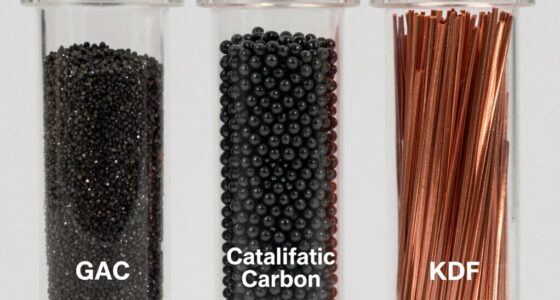
Pairing pressure tanks with boosting systems might seem straightforward, but doing it correctly guarantees ideal performance and longevity. When you’re setting up a boosting system, one of the most critical factors to consider is water quality. Poor water quality can cause sediment buildup, corrosion, and mineral deposits inside your pressure tank, leading to reduced efficiency and potential system failure. To prevent these issues, you should regularly test your water and install appropriate filters or softeners if necessary. Guaranteeing clean, high-quality water enters your system helps extend the lifespan of both the tank and the pump, reducing maintenance needs over time.
Ensuring high water quality prevents sediment buildup, corrosion, and extends your system’s lifespan.
Proper system maintenance is also essential for pairing pressure tanks with boosting systems successfully. Once your system is installed, you need to keep a close eye on its operation—regular inspections, pressure checks, and cleaning are indispensable. A well-maintained system ensures the pressure tank functions correctly, maintaining consistent water pressure and preventing unnecessary wear on the pump. Remember, neglecting routine maintenance can lead to problems like air leaks, pressure drops, and mechanical failures, which could require costly repairs or replacements. It’s a good idea to schedule periodic professional checkups, especially if you notice fluctuations in water pressure or unusual noises. Additionally, understanding the correct sizing of your pressure tank is vital for optimal system performance.
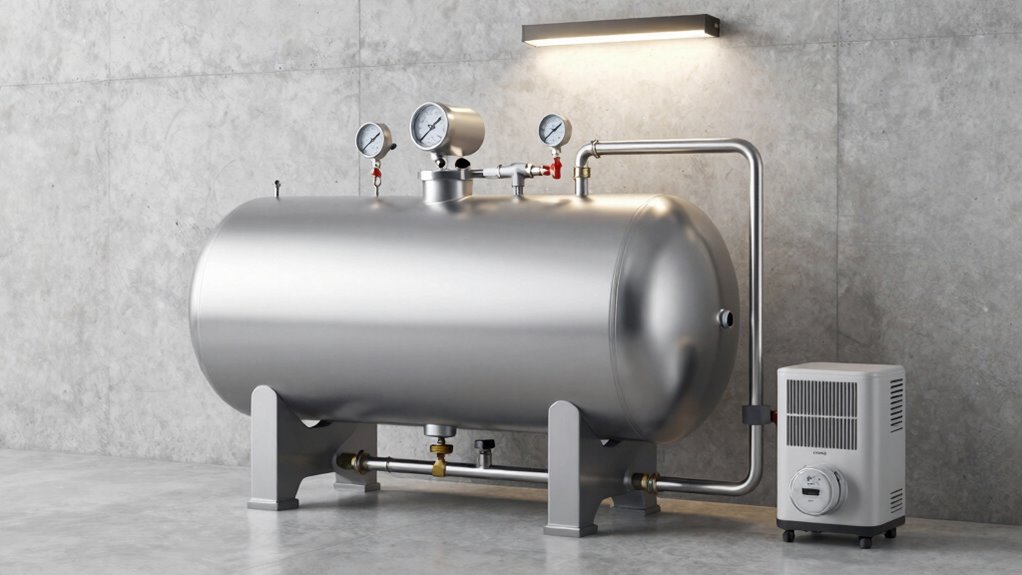
When selecting a pressure tank, it’s essential to match its size and capacity with your boosting system’s flow rate and your household’s water demand. An undersized tank can cause frequent cycling of the pump, increasing wear and energy consumption, while an oversized tank might be unnecessarily expensive and take up more space. Proper sizing ensures your system runs smoothly, reduces strain on the components, and maintains stable water pressure. Additionally, the tank’s pre-charge pressure should be adjusted to match your system’s requirements, which helps prevent issues like water hammer or short cycling. Correct system setup and installation are equally important, as incorrect setup can lead to operational problems and reduced lifespan. Ensuring that your installation practices follow manufacturer guidelines can further prevent common issues and improve system reliability.
Connecting the pressure tank correctly involves ensuring all fittings are secure and that the tank is installed on a stable, level surface. Proper installation minimizes vibrations and noise, contributing to quieter operation and fewer mechanical issues. Keep in mind that water pressure settings must also be calibrated correctly to avoid overworking the pump or creating insufficient flow. Regularly checking the water pressure and system components helps maintain optimal performance and extends your system’s lifespan. When you pay attention to water quality, perform regular system maintenance, and install the tank properly, you maximize the efficiency and lifespan of your boosting system. This careful approach ultimately saves you money and ensures you always have reliable water pressure when you need it most.
pressure tank for boosting system
As an affiliate, we earn on qualifying purchases.
As an affiliate, we earn on qualifying purchases.
Frequently Asked Questions
Can I Use Multiple Pressure Tanks in One Boosting System?
Yes, you can use multiple pressure tanks in one boosting system. During tank installation, make certain each tank is properly connected and positioned for ideal pressure regulation. Multiple tanks help maintain steady pressure and reduce cycling of the pump, extending its lifespan. Just make sure to balance the tanks correctly and set the pressure settings properly, so the system works efficiently without overloading or underperforming.
What Are the Signs of an Incorrectly Paired Pressure Tank?
If your water pressure fluctuates wildly or you hear constant pump cycling, your pressure tank might be paired incorrectly. For example, a steel tank installed in a damp basement could corrode prematurely, affecting performance. Signs include inconsistent water flow, strange noises, or rapid pump wear. Check your tank material and installation location—improper pairing often leads to these issues, signaling it’s time for an expert assessment and possible reconfiguration.
How Often Should I Inspect My Pressure Tank for Maintenance?
You should inspect your pressure tank every 6 to 12 months to guarantee proper tank installation and pressure regulation. Regular checks help identify issues like leaks, corrosion, or pressure fluctuations early. During inspections, verify the tank’s pressure settings, look for signs of wear, and ensure the pressure relief valve works correctly. Consistent maintenance maintains peak performance, prolongs tank lifespan, and ensures your boosting system functions efficiently.
Are There Specific Brands Recommended for Pressure Tanks?
You should choose pressure tanks from reputable brands like Amtrol, Well-X-Trol, or Flexcon, guaranteeing brand compatibility with your system. Consider tank material options such as steel or composite, depending on your water quality and usage needs. These brands are known for durability and efficiency. Always verify that the tank’s specifications match your boosting system requirements to ensure peak performance and longevity.
What Is the Typical Lifespan of a Pressure Tank in a Boosting System?
Think of your pressure tank as the heart of your boosting system; it beats steadily for years. Typically, a well-maintained tank made of durable material like steel or composite lasts about 10 to 15 years. Proper installation location matters—placing it in a cool, dry spot prevents corrosion and extends its life. Regular inspections and maintenance keep your system’s heart strong, ensuring reliable water pressure for years to come.

VEVOR 30-Gallon Vertical Well Pressure Tank, Pre-Charged Pressurized Water Tank for Well Pumps, Heavy-Duty Carbon Steel Water Storage Container for Home, School, Farm & Irrigation Systems
Large Capacity: Measuring 16.93 x 16.93 x 31.7 in, VEVOR 30-gallon vertical well pressure tank easily meets whole-house…
As an affiliate, we earn on qualifying purchases.
As an affiliate, we earn on qualifying purchases.
Conclusion
By pairing pressure tanks correctly with boosting systems, you’re not just optimizing your setup—you’re transforming it into a powerhouse that could outrun any competitor. When you choose the right tank size and type, you’ll experience peak performance, extended equipment lifespan, and flawless water delivery. Don’t settle for mediocrity; make your system unstoppable. Master this pairing, and you’ll have a system so efficient, it’s practically a superhero in disguise—ready to save the day every time you turn it on.
pre-charge pressure gauge for pressure tank
As an affiliate, we earn on qualifying purchases.
As an affiliate, we earn on qualifying purchases.
water softener and filter for pressure system
As an affiliate, we earn on qualifying purchases.
As an affiliate, we earn on qualifying purchases.