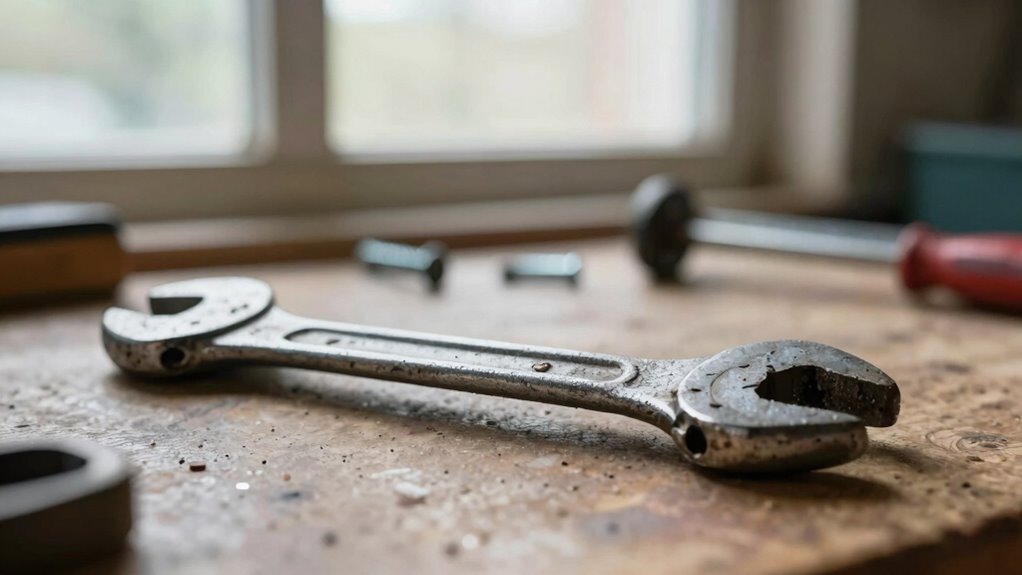

Using the right housing wrench is more important than many realize because it helps you work faster, prevents damage, and keeps you safe. A proper wrench fits your hardware perfectly, reducing slipping and wear. It also minimizes the risk of injury and extends the life of your tools and equipment. Choosing the right wrench isn’t just about convenience—it’s about doing the job right the first time. Keep going to discover why the right tool can make all the difference.
Key Takeaways
- Proper housing wrenches ensure secure, damage-free fittings, preventing costly repairs and safety hazards.
- They improve efficiency by providing a precise fit, reducing time and effort during maintenance.
- Compatibility and adjustability minimize slips, tool wear, and hardware damage.
- Ergonomic design enhances user comfort, reducing fatigue and injury risk during prolonged use.
- Investing in quality housing wrenches extends tool and hardware lifespan, promoting safer, more reliable repairs.
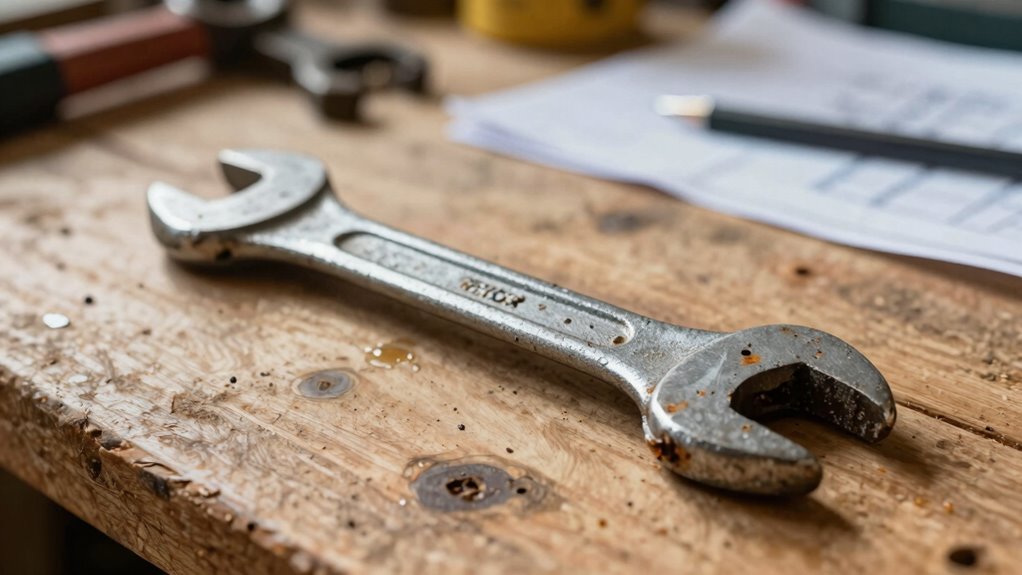
When it comes to maintaining or repairing housing structures, using the right tools can make all the difference. One such tool that often gets overlooked but is crucial is the housing wrench. You might think any wrench will do, but the truth is, the right housing wrench can streamline your work, prevent damage, and save you time and effort. The key factors to consider are hardware compatibility and tool ergonomics. These elements determine how well your wrench performs and how comfortable you’ll feel using it over extended periods.
Hardware compatibility is essential because not all housing wrenches fit every application. If your wrench isn’t compatible with the nuts, bolts, or fittings you need to work on, you’ll struggle to get the job done efficiently. A wrench that fits perfectly minimizes the risk of slipping or rounding off fasteners, which can be costly or dangerous. It also ensures you don’t exert unnecessary force, reducing fatigue and the chance of injury. When selecting a housing wrench, check the specifications carefully—look for one designed to match the hardware sizes and types you’ll encounter most often. Compatibility isn’t just about size; it also involves the wrench’s jaw design and adjustments, which need to securely grip without damaging the hardware. Considering hardware compatibility can help you avoid costly mishaps and ensure a secure fit every time. Using a properly matched wrench enhances safety and reduces the likelihood of damaging delicate components, ultimately extending the lifespan of your tools. Additionally, choosing a wrench with adjustable features can provide greater versatility across different tasks. Moreover, selecting the right wrench can also improve your overall efficiency, especially when working on complex or varied assemblies.
Tool ergonomics play a significant role in how effectively you can work with your housing wrench. If a wrench feels uncomfortable or unwieldy, you’ll tire quickly, and your precision may suffer. Good ergonomic design features like a comfortable grip, balanced weight distribution, and easy-to-operate mechanisms reduce strain on your hand and wrist. This is especially important when working on larger or more stubborn fittings that require sustained force. A well-designed wrench can improve leverage, making tough tasks easier without requiring excessive effort. You’ll find yourself less prone to slips or mishandling, which can lead to damage or injury. Additionally, choosing a wrench with proper ergonomics can help prevent repetitive strain injuries over time. Investing in ergonomic tools also promotes safer work practices and can enhance overall productivity. Remember, comfort and control are key to achieving precise, efficient repairs and avoiding unnecessary fatigue. Proper ergonomic considerations can also contribute to long-term tool longevity by reducing wear and tear on the tools themselves.

OMNIFilter Pentair OW70 Universal Filter Housing Strap Wrench for All Water Filter Housings
- Universal Fit: Adjustable strap fits all filter housings
- Wide Compatibility: Works with Pentair OMNIFilter and other brands
- Easy Removal: Quickly removes filter housings for cartridge changes
As an affiliate, we earn on qualifying purchases.
As an affiliate, we earn on qualifying purchases.
Frequently Asked Questions
What Are Housing Wrenches Primarily Used For?
Housing wrenches are primarily used to tighten or loosen housing nuts and fittings in plumbing or mechanical systems. Their history traces back to specialized tools designed for specific tasks, emphasizing durability and precision. Modern housing wrenches feature ergonomic design, making them easier to handle and reducing strain during use. You’ll find these tools essential for maintenance, repairs, or installations, ensuring secure fittings and preventing leaks or mechanical failures.
How Do Housing Wrenches Differ From Regular Wrenches?
Housing wrenches differ from regular wrenches through their specialized housing wrench design, which fits specific components like bicycle headsets or bearings. Unlike regular wrenches, they offer better wrench compatibility with these parts, ensuring a secure grip. You’ll notice they’re often more precise and tailored for delicate adjustments. Using a housing wrench guarantees you won’t damage the components, making your work more accurate and efficient.
Are Housing Wrenches Suitable for All Plumbing Jobs?
Housing wrenches aren’t suitable for all plumbing jobs because of tools compatibility issues and cost considerations. They excel in specific tasks like tightening or loosening certain fittings, but for complex or varied jobs, you’ll need more versatile tools. While they might seem cost-effective at first, investing in a range of wrenches can be better if you frequently tackle diverse plumbing projects. Always choose the right tool for the task to avoid damage.
What Materials Are Housing Wrenches Typically Made Of?
Housing wrenches are typically made of durable materials like steel or brass, ensuring material durability under frequent use. Manufacturers often use manufacturing processes such as forging or casting, which enhance strength and longevity. These materials and processes are chosen to withstand the rigors of plumbing jobs, ensuring the wrench performs reliably over time. So, when selecting a housing wrench, consider these materials for better durability and performance.
How Can I Tell if a Housing Wrench Is the Right Size?
To tell if a housing wrench is the right size, check its jaw opening against the nut or bolt you’re working with. Keep your tools organized in tool storage to easily find the correct size. Regular wrench maintenance, like cleaning and inspecting for wear, guarantees accurate fit and function. If it doesn’t fit snugly, avoid forcing it, as using the right size saves time and prevents damage.

19-Piece Super Thin Open-End Wrench Set, SAE 1/4"-1-1/16" & Metric 5.5–27 mm, 3 mm Thickness Slim Wrench Set for Tight Spaces, Nickel Plated Flat Wrenches with Red & Blue Rolling Storage Pouches
- High-Strength Stainless Steel: Made from durable 3Cr13 stainless steel
- Rust-Resistant Finish: Polished nickel plating for corrosion resistance
- Super Thin Design: Only 3mm thick for tight space access
As an affiliate, we earn on qualifying purchases.
As an affiliate, we earn on qualifying purchases.
Conclusion
Just like a sturdy lock needs the right key, your home requires the right wrench. Without it, you’re left trying to force open what’s meant to be secure, risking damage and frustration. Remember, a simple tool isn’t just a tool — it’s the guardian of your sanctuary. When you respect its importance, you’re safeguarding not just your house, but your peace of mind. Never underestimate the power of the right wrench in your hand.

Vorhixa 6 Pcs Plumbing Tools Kit with Angle Stop Wrench & 1/2-Inch Compression Sleeve Puller, Professional Plumbers Wrench, Sandpaper and Storage Bag for Frozen/Corroded Angle Stop
- All-in-One Kit: Includes wrench, puller, sandpaper, storage bag
- 2-in-1 Plumbers Wrench: Adjustable, high-torque, fits multiple nut sizes
- Wall & Pipe Safe: Removes ferrules without damage, for 1/2" sleeves
As an affiliate, we earn on qualifying purchases.
As an affiliate, we earn on qualifying purchases.
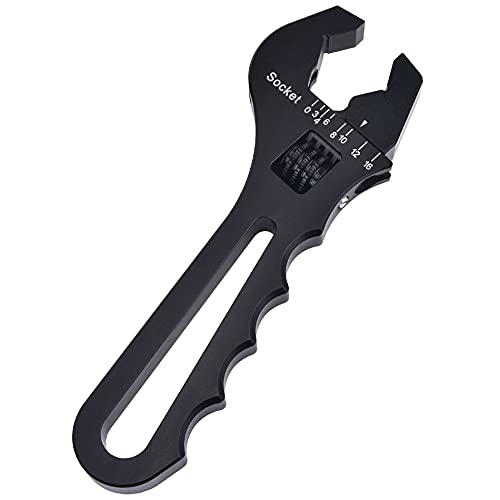
EVIL ENERGY AN Fitting Hose Wrench Adjustable 3AN-16AN Aluminum Black
- Adjustable Size Range: Fits 3AN to 16AN fittings
- Material: Made of lightweight 6061-T6 aluminum
- Multi-Size Design: Adjustable and multi-sized for versatility
As an affiliate, we earn on qualifying purchases.
As an affiliate, we earn on qualifying purchases.