You can spot chloramine issues by noticing a medicinal or metallic smell, a strange taste, or cloudy water. Buildup on fixtures and appliances can also be signs. Keep an eye on your water’s appearance and smell, especially if you’ve noticed changes over time. If your filters need frequent replacements or your plumbing shows mineral buildup, chloramine might be involved. There’s more to uncover—learning these details can help you improve your water quality effectively.

Get home appliances delivered free — and shop member deals
- Fast, free delivery on millions of items
- Access to Prime Big Deal Days deals on October 6–7
- Prime Video, Amazon Music and more included
Key Takeaways
- Look for a medicinal or metallic smell in your water, which indicates chloramine presence.
- Notice if the water tastes off or unusual compared to normal drinking water.
- Check for cloudy, discolored water or mineral buildup around fixtures and appliances.
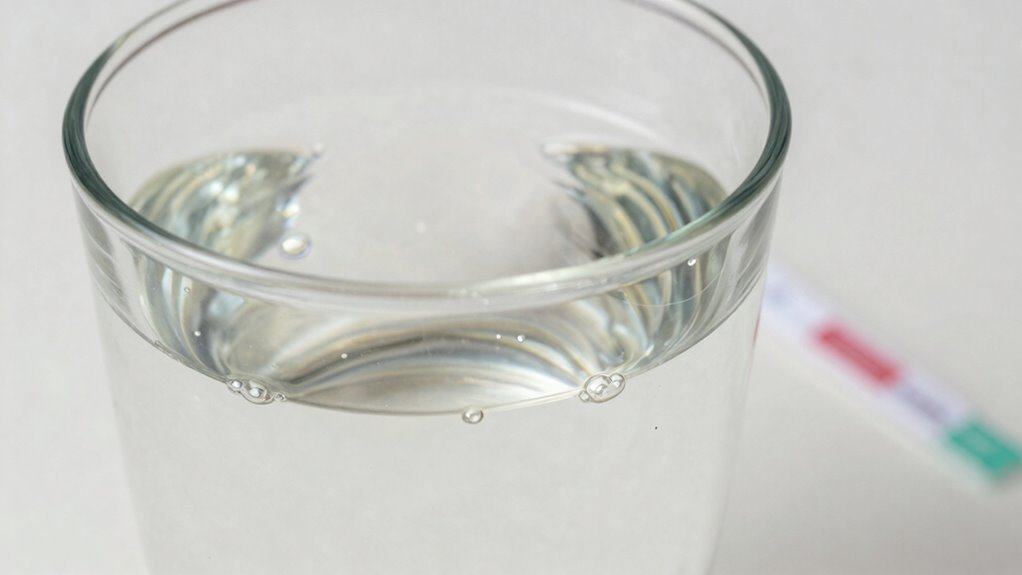
- Use simple water testing kits designed to detect chloramine at home.
- Consult a professional if you suspect chloramine issues or notice persistent water quality problems.
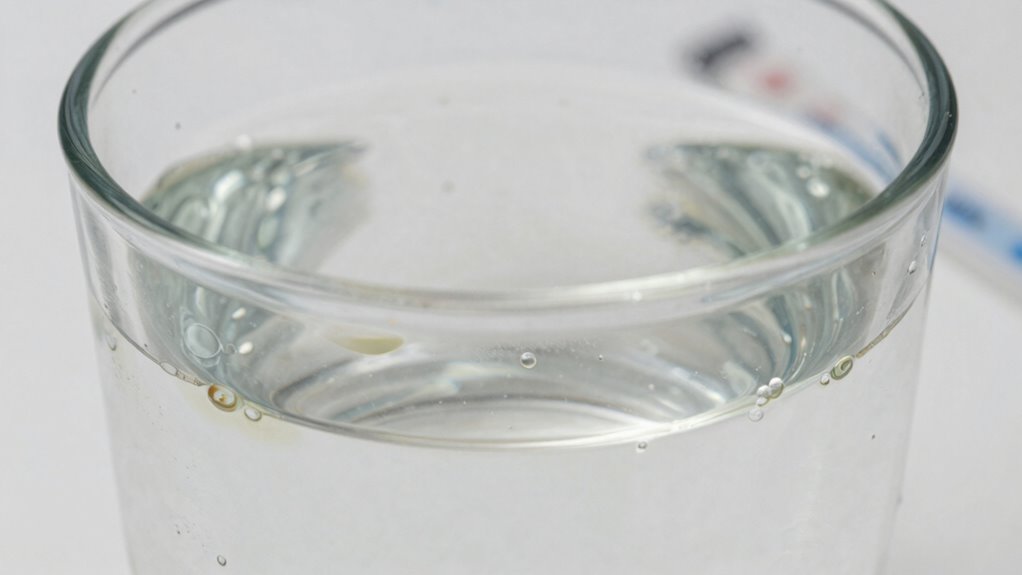
Have you ever noticed a strange smell or taste in your tap water? If you have, it might be due to chloramine, a disinfectant used by many water treatment facilities. Recognizing chloramine problems without a chemistry degree is possible if you pay attention to certain signs and understand some basics about water treatment and plumbing inspection. Chloramine has a distinct smell that’s often described as medicinal or slightly metallic, and it can leave a noticeable taste in your water. If your water smells or tastes off, it’s worth investigating further before jumping to conclusions.
One of the first steps is to think about the water treatment process used in your area. Many municipal water systems use chloramine instead of chlorine because it lasts longer in pipes and is less likely to cause eye or skin irritation. However, chloramine can cause issues if your plumbing isn’t compatible or if it interacts with certain fixtures. During a plumbing inspection, you might notice that your fixtures or appliances develop mineral buildup or that your water filters need frequent replacement. These can be indirect signs that chloramine is affecting your system, as it can be tougher on certain filtration media than chlorine alone. Additionally, understanding the water treatment process used locally can help you better interpret these signs. Being aware of the disinfectant used in your water can help you connect specific symptoms or signs to chloramine presence. Recognizing the impact of chloramine on plumbing can also help you identify potential issues early on.
To confirm if chloramine is the culprit, you can perform simple water tests available at hardware stores or order testing kits online. These kits are designed to detect chloramine specifically, and they’re easy to use without any scientific background. If the test results come back positive, you’ll know that your tap water contains chloramine, and you’ll need to decide how to address it. Some water treatment options, like specialized carbon filters, are capable of removing chloramine effectively. Regular water testing can also help you monitor changes in water quality over time. Keep in mind that regular water treatment methods, like boiling, won’t remove chloramine, so don’t rely on that as a solution.
If you’re unsure about your plumbing or suspect that chloramine is causing issues, scheduling a professional plumbing inspection can be very helpful. A plumber can identify if there are any leaks, corrosion, or buildup caused by chloramine interacting with your pipes or fixtures. They can also recommend suitable water treatment solutions tailored to your system. Recognizing chloramine problems without a chemistry degree is simply a matter of paying attention to the smell, taste, and the condition of your plumbing and filters. By staying observant and using straightforward testing methods, you can protect yourself from potential health effects and ensure your water remains safe and pleasant to drink.
As an affiliate, we earn on qualifying purchases.
Frequently Asked Questions
Can Chloramine Cause Skin Irritation or Health Issues?
Yes, chloramine can cause skin irritation and health issues, especially if you have skin sensitivity. It can lead to redness, itchiness, or rashes on your skin. Prolonged exposure or high levels may pose health risks like respiratory problems or eye irritation. To protect yourself, use water filters designed to remove chloramine, and avoid direct contact with treated water whenever possible. Stay aware of symptoms and seek medical advice if needed.
How Long Does Chloramine Stay in Treated Water?
Chloramine in water is like a guest who stays longer than expected, often lingering for 3 to 4 weeks after treatment. To detect it, look for specific signs or use test strips designed for chloramine detection. Water treatment methods, like activated carbon filters, can help remove chloramine effectively. Keep in mind, the duration depends on how well your system manages chloramine levels, so regular testing keeps you in control.
Are There Specific Symptoms Indicating Chloramine Exposure?
If you notice irritations like red eyes, skin rashes, or a lingering chlorine-like smell, you might be experiencing chloramine exposure. These symptoms can signal the need for chloramine detection, especially if your water has been treated. Enhancing your water safety awareness helps you identify potential issues early. Trust your senses—unusual tastes, odors, or skin reactions suggest you should test your water and take action to guarantee it’s safe.
Does Boiling Water Remove Chloramine Effectively?
Boiling water is your superhero for tackling chloramine, but it’s not foolproof. It mainly helps with chemical reactions that break down chloramine, making water safer to drink. While boiling for at least 20 minutes can substantially reduce chloramine levels, it may not eliminate it completely. For thorough water treatment, consider using activated carbon filters or specialized chemical treatments to guarantee your water’s purity and safety.
Can Household Water Filters Eliminate Chloramine?
Yes, household water filters can eliminate chloramine if they’re designed for it. Look for filters labeled as “chloramine-specific” or “multi-stage” filters. Regular filter maintenance is essential to keep them effective, so change cartridges as recommended. To guarantee your water’s chlorine and chloramine levels are lowered, consider water testing periodically. This way, you’ll know your filtration system works and keeps your water safe and fresh.
water filter for chloramine removal
As an affiliate, we earn on qualifying purchases.
As an affiliate, we earn on qualifying purchases.
Conclusion
By paying attention to water odors, noticing skin or eye irritation, and observing unusual tastes, you can spot chloramine problems early. Trust your senses, stay alert to changes, and act quickly when something seems off. Recognizing these signs isn’t complicated—it’s about being aware, being proactive, and staying informed. With these simple steps, you can safeguard yourself, safeguard your family, and make sure your water remains safe and clean.
As an affiliate, we earn on qualifying purchases.
chloramine removing carbon filter
As an affiliate, we earn on qualifying purchases.
As an affiliate, we earn on qualifying purchases.
NFL season / tailgating Picks
team gear
As an affiliate, we earn on qualifying purchases.