Recirculation pumps instantly deliver hot water to your faucets and showers, so you no longer have to wait or run the tap endlessly. They make your daily routines more convenient and comfortable, reducing water waste and lowering energy costs. With modern control features, you can optimize when the pump operates, enhancing efficiency. If you want to discover how these systems elevate your home’s comfort and save you money, you’re about to find out more.
Key Takeaways
- Provide instant hot water, eliminating wait times at fixtures and showers.
- Enhance household comfort by ensuring immediate access to warm water.
- Reduce water waste and energy consumption, supporting more sustainable living.
- Minimize mineral deposits and bacterial buildup, improving water safety and quality.
- Enable smarter control features for efficient, personalized hot water management.
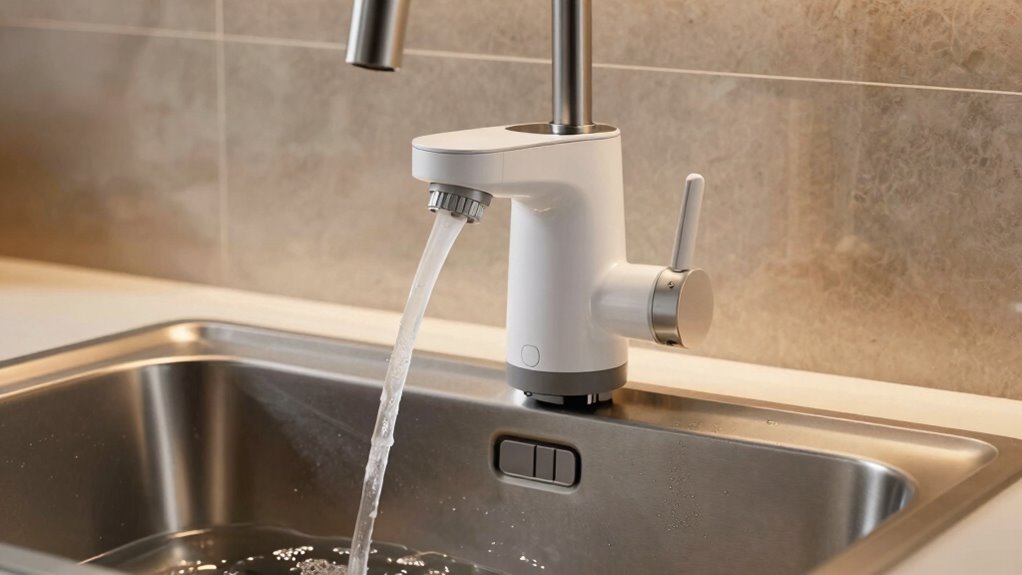
When it comes to ensuring hot water is always readily available in your home, recirculation pumps play a vital role. These devices keep hot water circulating through your plumbing system so you don’t have to wait for it to arrive when you turn on the tap. Instead of wasting time and water, you get instant hot water at your faucet or shower, transforming your daily routines and elevating your comfort level. The convenience is undeniable, but beyond that, recirculation pumps also influence your home’s energy efficiency. They help minimize water waste, which in turn reduces the energy required to heat water constantly running down the drain. Properly selected and installed, these pumps can be energy-efficient solutions that save you money on utility bills over time.
Recirculation pumps provide instant hot water, reduce waste, and boost energy efficiency in your home.
When considering adding a recirculation pump, you need to look closely at installation considerations. For example, your plumbing layout will influence the type of pump best suited for your home. Some systems require retrofitting existing pipes, while others can be integrated more seamlessly, especially if your home has a dedicated return line. You’ll also want to think about where to install the pump—typically near the water heater or at the furthest fixture from it—to ensure maximum efficiency and effectiveness. Proper installation not only guarantees reliable hot water but also ensures the system operates quietly and lasts longer. It’s worth consulting a professional to assess your plumbing and recommend the most suitable setup, as improper installation can lead to inefficiencies or even damage over time. Additionally, understanding the benefits of recirculation pumps can help you make an informed decision about this upgrade. Installing a recirculation pump can also be part of a broader effort to improve your home’s overall energy efficiency, which is increasingly important in reducing environmental impact. Moreover, selecting pumps with smart controls can further enhance their efficiency and user control.
The benefits of recirculation pumps extend beyond user comfort—they can significantly impact your energy consumption. Modern pumps are designed to be energy-efficient, often equipped with timers or sensors that activate only when hot water is needed. This means you’re not running a pump unnecessarily, which helps conserve electricity and reduces your carbon footprint. Additionally, some systems incorporate advanced controls that optimize circulation based on your household’s habits, further improving efficiency. When installed thoughtfully, these pumps are a smart investment that enhances convenience without sacrificing sustainability. They also help prevent the buildup of mineral deposits and bacteria in your pipes, ensuring cleaner, safer water. Proper maintenance and system controls can further enhance their efficiency and longevity.
Ultimately, a well-chosen and properly installed recirculation pump transforms your daily experience with hot water. It offers unmatched comfort, reduces waste, and can boost your home’s energy efficiency. By understanding the installation considerations and selecting a system suited to your plumbing layout, you’ll enjoy the benefits of instant hot water while keeping your energy costs in check. This small upgrade can make a big difference in how you live, work, and relax in your home every day.
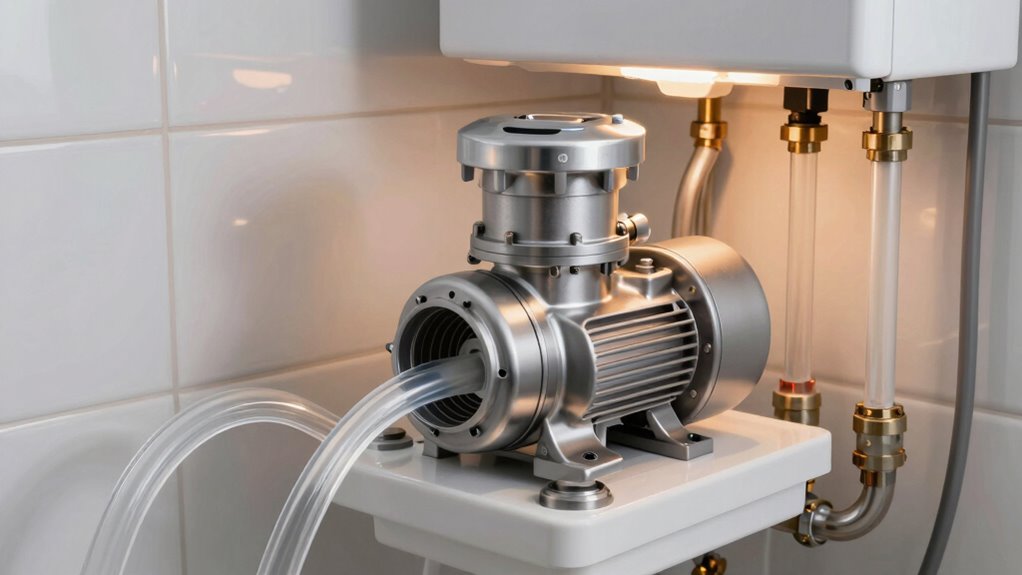
recirculation pump for hot water
As an affiliate, we earn on qualifying purchases.
As an affiliate, we earn on qualifying purchases.
Frequently Asked Questions
How Do Recirculation Pumps Affect Water Energy Efficiency?
Recirculation pumps improve water energy efficiency by reducing the wait time for hot water, which minimizes water waste. They enable better system integration, ensuring hot water is readily available without running taps unnecessarily. This results in significant energy savings, as less energy is used to heat and circulate water. By optimizing hot water delivery, these pumps help you save on utility costs and promote a more sustainable, efficient system.
Can Recirculation Systems Reduce Wait Time for Hot Water?
Yes, recirculation systems quickly deliver hot water, cutting down wait time like a swift river rushing to meet you. You’ll notice water temperature remains steady, and you won’t have to wait for it to warm up anymore. Just be aware, pump noise might create a gentle hum, but the comfort of instant hot water outweighs the minor sound. It turns your hot-water experience into an immediate, soothing stream.
Are There Any Maintenance Concerns With Recirculation Pumps?
Yes, there are maintenance concerns with recirculation pumps. You might notice pump noise over time, which can be annoying, and it’s essential to check for leaks or wear. Make certain your system is compatible with the pump to avoid malfunctions. Regular inspections and prompt repairs help keep the pump running smoothly, preventing costly issues and ensuring consistent hot-water comfort without unexpected interruptions.
How Do Recirculation Pumps Impact Water Heater Lifespan?
Think of a recirculation pump as the heartbeat of your hot water system. Proper pump placement and low noise levels help extend your water heater’s lifespan by reducing strain and wear. When correctly installed, it prevents your heater from overworking, much like a well-tuned engine. Conversely, poor placement or noisy pumps can cause undue stress, shortening your water heater’s life and leading to costly repairs.
Are Recirculation Pumps Suitable for Small or Large Homes?
Recirculation pumps are suitable for both small and large homes, especially if you want to enhance home automation and achieve energy savings. In small homes, they quickly deliver hot water, reducing wait times. For larger homes, they guarantee consistent hot water across multiple fixtures. By using smart controls, you can optimize energy use, making recirculation pumps a smart choice regardless of your home’s size.
instant hot water recirculation system
As an affiliate, we earn on qualifying purchases.
As an affiliate, we earn on qualifying purchases.
Conclusion
Think of recirculation pumps as the heartbeat of your home’s hot water system, keeping warmth flowing just like a steady pulse. With these pumps, you’re not just waiting for hot water—you’re embracing a constant, comforting flow that’s always at your fingertips. They symbolize the promise of convenience and warmth, turning your daily routines into a seamless dance. In this rhythm, your home becomes a sanctuary where comfort is always within reach, just like a steady heartbeat.
energy-efficient hot water recirculator
As an affiliate, we earn on qualifying purchases.
As an affiliate, we earn on qualifying purchases.

AIDPATH 10.1GPM Smart Hot Water Circulation Pump/Recirculating Pump 45Watts
- High Flow Rate: Delivers up to 10.1 GPM flow
- Quiet Operation: Operates with low noise levels
- Energy Efficient: Reduces energy use by up to 50%
As an affiliate, we earn on qualifying purchases.
As an affiliate, we earn on qualifying purchases.