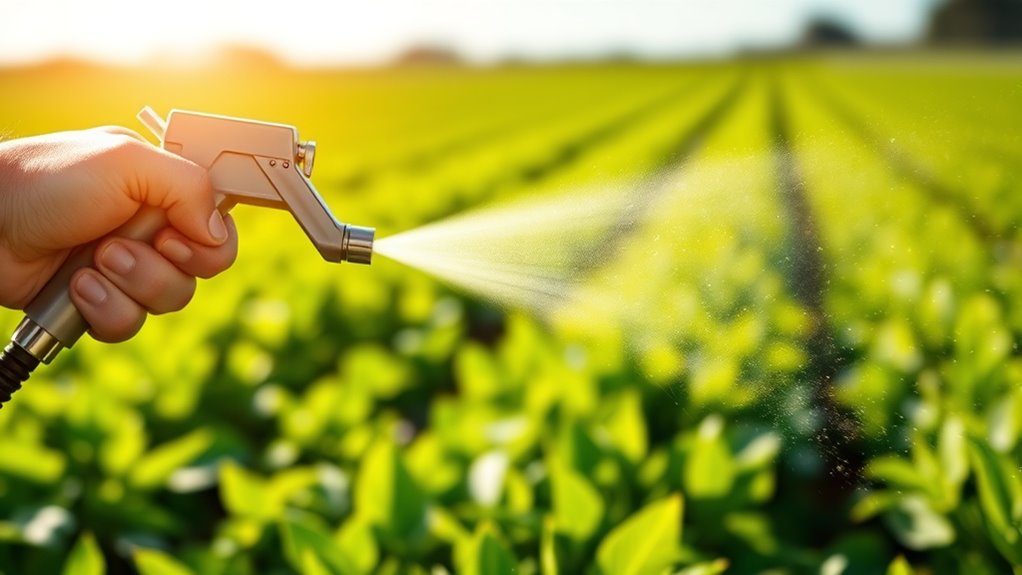

Pesticides and herbicides are chemicals used to protect crops from pests and weeds, ensuring better yields and food quality. However, their widespread use can lead to environmental contamination, harming soil, water, and wildlife. Over time, pests and weeds can develop resistance, making these chemicals less effective. Responsible application, integrated management, and sustainable alternatives help reduce these risks. Continuing explores how these practices can protect both your health and the planet.
Key Takeaways
- Pesticides and herbicides are chemicals used to protect crops from pests and weeds, enhancing yield and quality.
- Repeated use can lead to pest and weed resistance, requiring higher doses or new chemicals.
- These chemicals can contaminate soil, water, and air, harming wildlife, beneficial insects, and ecosystems.
- Long-term environmental contamination poses health risks to humans and animals, contributing to ecological imbalance.
- Sustainable practices like IPM and organic farming aim to reduce chemical reliance and mitigate contamination risks.
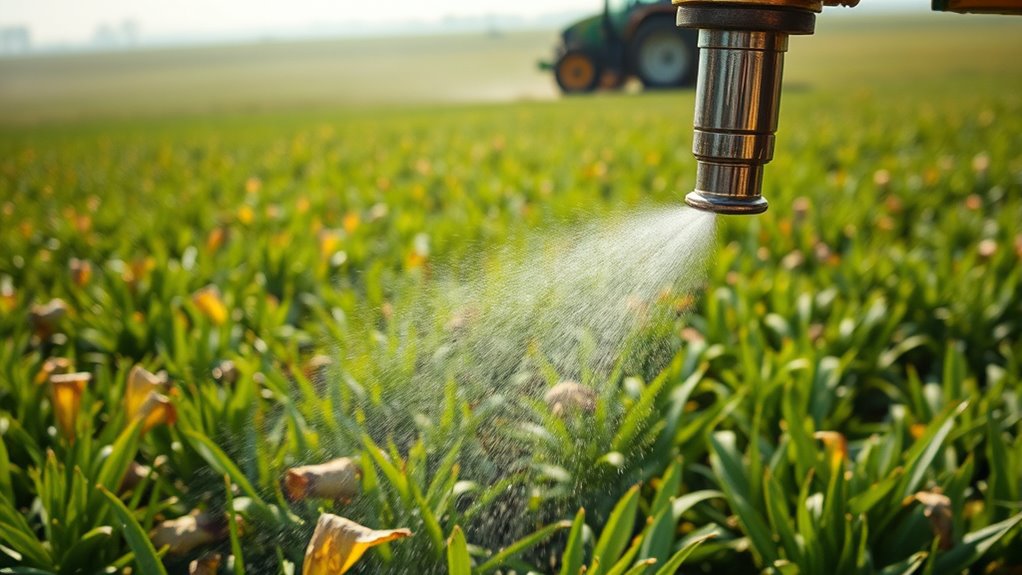
Pesticides and herbicides are chemicals widely used in agriculture to protect crops from pests and weeds, ensuring higher yields and better quality produce. While they play a pivotal role in modern farming, their use raises important concerns about crop resistance and environmental impact. As a farmer or consumer, understanding these issues helps you make more informed decisions about pesticide and herbicide use.
Pesticides and herbicides protect crops but pose risks of resistance and environmental harm.
When pests and weeds are repeatedly exposed to the same chemicals, they can develop resistance over time. This means that the pests and weeds become less affected by the substances designed to control them, forcing farmers to use higher doses or switch to more potent chemicals. This cycle can lead to a dangerous escalation, making pests harder to manage and increasing the risk of crop failure. Crop resistance isn’t just a problem for individual farms; it threatens the sustainability of agriculture as a whole. To combat this, integrated pest management practices aim to rotate chemicals, combine biological controls, and adopt crop varieties resistant to pests, helping break the cycle of resistance and reduce reliance on chemical controls.
Beyond crop resistance, the environmental impact of pesticides and herbicides is a pressing concern. When these chemicals are applied, they don’t stay confined to the target area. They can seep into soil, leach into groundwater, or drift through the air, affecting non-target organisms and ecosystems. Wildlife, beneficial insects like bees, and aquatic life can suffer from exposure, leading to declines in biodiversity and disrupting natural balance. Furthermore, persistent chemicals can accumulate in the environment, contaminating water sources and soil for years, which poses risks to human health and animal populations alike. These environmental effects often prompt regulatory reviews and restrictions, but they also require farmers to adopt more sustainable practices. Additionally, the development of resistant pests can be influenced by pesticide overuse, which exacerbates the cycle of resistance and environmental impact.
You should recognize that the environmental footprint of pesticides and herbicides extends beyond immediate crop protection. Their widespread use can contribute to long-term ecological changes, including the decline of pollinators and the development of resistant pest populations. As consumers, you can support farmers who use integrated pest management strategies, organic methods, or less harmful alternatives. By doing so, you help reduce the environmental impact associated with chemical use and promote a more sustainable agricultural system. Ultimately, balancing the benefits of pest and weed control with the need to preserve environmental health calls for ongoing innovation, regulation, and responsible application.
Frequently Asked Questions
Are There Natural Alternatives to Chemical Pesticides and Herbicides?
Yes, you can use natural alternatives like biological controls and botanical repellents. Biological controls introduce beneficial insects or organisms that naturally target pests, reducing the need for chemicals. Botanical repellents, made from plants like neem or garlic, deter pests without harmful chemicals. These methods are eco-friendly, sustainable, and safer for your health, helping you protect your crops while minimizing environmental impact.
How Do Pesticides and Herbicides Affect Local Wildlife Populations?
Imagine a delicate web unraveling — pesticides and herbicides cause wildlife toxicity and ecosystem disruption. You might not see it, but these chemicals harm insects, birds, and aquatic life, reducing populations and disturbing natural balances. As the toxins accumulate, they threaten biodiversity and weaken ecosystems, making it harder for nature to recover. By applying these chemicals, you unintentionally jeopardize the health of local wildlife and the environment you depend on.
What Are the Best Practices for Safe Pesticide and Herbicide Disposal?
To guarantee environmental safety, you should always practice proper disposal of pesticides and herbicides. Never pour them down drains or onto the ground. Instead, follow local regulations for hazardous waste disposal, or take unused chemicals to designated collection centers. Store leftovers securely until disposal. Proper disposal prevents contamination of water sources and protects wildlife, safeguarding the environment while keeping your community safe.
Can Organic Farming Fully Eliminate the Need for Chemical Contaminants?
Organic farming can’t fully eliminate the need for chemical contaminants, but it minimizes them markedly. By adhering to organic certification standards, you avoid synthetic pesticides and herbicides, relying instead on natural pest management methods. This approach reduces chemical residues in your crops, promoting healthier produce and environment. While some natural substances might still contain trace chemicals, organic practices prioritize ecological balance, lowering the overall contamination risk and supporting sustainable agriculture.
How Do Pesticide and Herbicide Residues Impact Human Health Over Time?
An ounce of prevention is worth a pound of cure. Long-term exposure to pesticide and herbicide residues can silently impact your health, leading to chronic health effects like hormonal disruptions, neurological issues, or increased cancer risks. Over time, these residues accumulate in your body, making you more vulnerable to illness. It’s essential to minimize exposure by choosing organic options and supporting safer farming practices to protect your well-being now and in the future.
Conclusion
While pesticides and herbicides help keep your food abundant and pests at bay, they also gently remind us to stay mindful of our environment. By choosing smarter, eco-friendly options and supporting sustainable farming, you can enjoy the bounty without worry. Embrace these small changes, and you’ll help nurture a healthier planet for yourself and future generations. After all, a little care today softly blooms into a brighter, cleaner tomorrow.