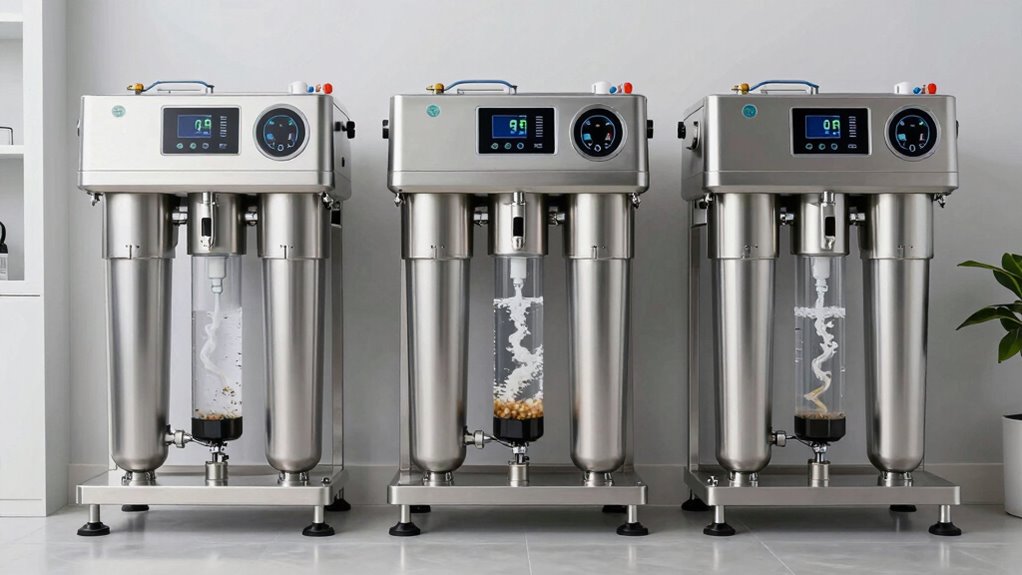

Choosing the right whole house sand separator backwashing filter can significantly improve your water quality and system longevity. For a quick start, the 100 Mesh Spin Down Sand Separator / Sediment Water Filter System stands out for its high flow rate and clear housing, making maintenance straightforward. The 1-1/2″ 100 Mesh Spin Down Sand Separator for 50 GPM Water Filter System offers a durable PVC build with easy flushing, ideal for well systems. Meanwhile, the Spin Down Sand Separator/Sediment Water Filter System – 250 Mesh – 2 Inch PVC Fit provides superior coarse sediment filtering at a higher flow rate. Each has tradeoffs: some excel in fine particle removal but may require more frequent cleaning or are less durable over time.

Get home appliances delivered free with Prime
- Fast, free delivery on millions of items
- Prime Video, Amazon Music and more included
- Member-only deals all year
Complete the kit


Key Takeaways
- Flow rate capacity varies from 50 GPM to 100 GPM, affecting suitability for different household sizes.
- Mesh size determines sediment filtering effectiveness: 100-mesh filters finer particles, while 250-mesh targets coarse sediment.
- Plastic PVC housings are common, offering corrosion resistance but potentially less durability than metal options.
- Ease of maintenance often involves quick flush valves or transparent housings for visual inspection.
- Proper sizing and installation are critical to ensure the filter handles your water volume without pressure drops.
| 100 Mesh Spin Down Sand Separator / Sediment Water Filter System |  | Best Overall for Versatility and Visual Monitoring | Mesh Size: 100 | Flow Rate: 50 GPM | Fitting Size: 1.5 inches | VIEW ON AMAZON | See Our Full Breakdown |
| 1-1/2″ 100 Mesh Spin Down Sand Separator for 50 GPM Water Filter System |  | Best for Durability and High-Pressure Systems | Inlet/Outlet Size: 1.5 inches | Mesh: 100 | Flow Rate: 50 GPM | VIEW ON AMAZON | See Our Full Breakdown |
| Spin Down Sand Separator/Sediment Water Filter System – 250 Mesh – 2 Inch PVC Fit |  | Best for Coarse Sediment and High Flow Applications | Mesh Screen: 250 | Flow Rate: 100 GPM | Inlet/Outlet: 2 Inch PVC slip fit | VIEW ON AMAZON | See Our Full Breakdown |
| 1-1/2 Inch Spin Down Sand Separator, 50 GPM, 100 Mesh Water Filter |  | Best for Medium-Duty Filtration | Size: 1.5 inch | Flow Rate: 50 GPM | Mesh: 100 | VIEW ON AMAZON | See Our Full Breakdown |
| Spin Down Sand Separator, 100 Mesh, 1.5-Inch PVC, 50 GPM |  | Best for Fine Particles and Easy Maintenance | Mesh Size: 100 | Connection Size: 1.5 inch PVC slip fit | Flow Rate: 50 GPM | VIEW ON AMAZON | See Our Full Breakdown |
| whole house sand separator backwashing filter | Flow Rate | Material |
|---|---|---|
| 100 Mesh Spin Down Sand Separa | 50 GPM | PVC |
| 1-1/2" 100 Mesh Spin Down Sand | 50 GPM | PVC |
| Spin Down Sand Separator/Sedim | 100 GPM | — |
| 1-1/2 Inch Spin Down Sand Sepa | 50 GPM | PVC |
| Spin Down Sand Separator | 50 GPM | — |
More Details on Our Top Picks
100 Mesh Spin Down Sand Separator / Sediment Water Filter System
This model excels for those seeking a reliable, easy-to-maintain filter with a high flow rate. Its 100-mesh screen effectively captures dirt, debris, and sand, making it suitable for well water and whole-house filtration. The transparent housing lets users see when cleaning is needed, while the bottom drain simplifies sediment removal. Compared with larger mesh options, its fine screening enhances water quality, though it may require more frequent cleaning in heavily sedimented water. Its PVC construction is lightweight and easy to install, but may not stand up as well over long-term exposure to harsh conditions. It’s a versatile choice for homeowners who prioritize visual inspection and straightforward maintenance.
Pros:- Effective at trapping dirt and sand with high flow capacity
- Transparent housing allows for visual inspection
- Easy installation with standard PVC fittings
- Bottom drain facilitates sediment removal
Cons:- Requires periodic cleaning of the filter screen
- Plastic housing may be less durable over time
- Less suitable for very high sediment loads
Best for: Homeowners needing a reliable, easy-to-monitor sediment filter with moderate sediment loads
Not ideal for: Properties with extremely high sediment levels or requiring metal durability
- Mesh Size:100
- Flow Rate:50 GPM
- Fitting Size:1.5 inches
- Material:PVC
- Application:Well water, whole-house filtration
Our verdict“A well-rounded, user-friendly filter ideal for general household use with moderate sediment levels.”
1-1/2″ 100 Mesh Spin Down Sand Separator for 50 GPM Water Filter System
This pick is designed for those who need a durable, high-capacity filter that’s easy to maintain. Its 100-mesh screen provides solid coarse filtration, making it suitable for well water and high-pressure household systems. The PVC construction resists corrosion and aging, while the transparent shell offers a clear view of sediment buildup. It supports flow rates up to 50 GPM at pressures up to 150 psi, making it ideal for larger homes or properties with high water demand. However, its plastic body, while resistant to corrosion, might lack the robustness of metal options, and it needs proper sizing to avoid flow restrictions. It’s a dependable choice for homeowners who prioritize durability and straightforward flushing.
Pros:- Effective filtration of dirt, debris, and sand
- Easy to install and maintain with quick flushing
- Corrosion-resistant PVC construction
- Transparent shell for sediment viewing
Cons:- Proper sizing is critical to avoid flow issues
- Plastic may be less durable long-term than metal
- Limited to PVC-compatible systems
Best for: Homes with high water demand requiring durable, high-pressure capable filters
Not ideal for: Properties with very aggressive sediment loads or requiring metal construction
- Inlet/Outlet Size:1.5 inches
- Mesh:100
- Flow Rate:50 GPM
- Maximum Pressure:150 psi
- Material:PVC
Our verdict“A durable, high-pressure compatible filter perfect for larger or demanding household systems.”
Spin Down Sand Separator/Sediment Water Filter System – 250 Mesh – 2 Inch PVC Fit
This model stands out for filtering coarse sediment with a 250-mesh screen and supporting flow rates up to 100 GPM. Its larger 2-inch PVC slip fit inlet/outlet makes it suitable for larger-scale applications, including whole-house systems with significant sediment issues. The inclusion of two KleenWater insulated can holders adds convenience for water storage or treatment. The coarse mesh effectively prevents clogging from larger particles but isn’t suitable for fine sediment filtration, which might require additional filtering stages. Installation can be more involved due to plumbing adjustments needed for larger inlet/outlet sizes. This filter appeals to those handling substantial sediment and needing high flow capacities.
Pros:- Effective coarse sediment filtration without cartridge replacement
- High flow rate up to 100 GPM
- Includes convenient water bottle holders
- Durable NSF-listed, FDA-grade materials
Cons:- Requires manual cleaning via purge valve
- Mesh size unsuitable for fine particles
- Installation may need plumbing modifications
Best for: Systems with coarse sediment issues requiring high flow and minimal cartridge maintenance
Not ideal for: Homes with fine sediment or requiring fine filtration accuracy
- Mesh Screen:250
- Flow Rate:100 GPM
- Inlet/Outlet:2 Inch PVC slip fit
- Dimensions:5.75 x 17 inches
- Includes:2 KleenWater can holders
Our verdict“Best suited for high flow, coarse sediment filtering with less concern for fine particles.”
1-1/2 Inch Spin Down Sand Separator, 50 GPM, 100 Mesh Water Filter
This filter offers a balanced approach for users needing medium-duty sediment removal. Its 100-mesh screen captures small particles like sand, grit, and pipe scale effectively, supporting flow rates of up to 50 GPM. The quick flush valve simplifies cleaning, and the PVC construction ensures resistance to corrosion. While it handles typical household sediment loads well, it’s limited in scope for very heavy sediment or continuous fine filtration. Its support needs to be properly installed with adequate pipe support to prevent strain. This pick is suitable for those who want reliable, straightforward filtration without overcomplicating maintenance routines.
Pros:- Effective for small particles with 100-mesh screen
- Easy to clean with quick flush valve
- Corrosion-resistant PVC construction
- Supports flow up to 50 GPM
Cons:- Limited to medium-duty applications
- Requires pipe support for proper installation
- Mesh size does not filter very fine particles
Best for: Home systems with moderate sediment issues and need for easy cleaning
Not ideal for: Heavy sediment loads or very fine particle filtering needs
- Size:1.5 inch
- Flow Rate:50 GPM
- Mesh:100
- Maximum Pressure:150 psi
- Material:PVC
Our verdict“A dependable, easy-to-maintain filter suitable for typical household sediment challenges.”
Spin Down Sand Separator, 100 Mesh, 1.5-Inch PVC, 50 GPM
This model is tailored for those needing effective removal of finer sediment, rust, and silt. Its 100-mesh screen captures particles down to small sizes, supporting flow rates of 50 GPM. The flushable design makes routine maintenance straightforward, and the PVC housing offers resistance to corrosion and UV damage. While effective for fine particles, some users report mixed performance reviews, possibly due to installation or water conditions. Its compatibility with standard PVC plumbing makes it accessible but requires proper setup to avoid flow restrictions. This filter best serves homeowners who want a reliable, easy-to-clean option for moderate fine sediment removal.
Pros:- Efficient removal of fine particles like rust and silt
- High flow capacity of 50 GPM
- Easy to maintain with flushable design
- Corrosion- and UV-resistant PVC housing
Cons:- Mixed user reviews suggest performance can vary
- Requires correct installation for optimal operation
- Limited to 100-mesh filtration
Best for: Homes with fine sediment, rust, or silt issues needing regular, simple cleaning
Not ideal for: Heavy sediment loads or very high flow rates
- Mesh Size:100
- Connection Size:1.5 inch PVC slip fit
- Flow Rate:50 GPM
- Housing Material:PVC
Our verdict“An effective, maintenance-friendly filter for fine sediment in typical household water systems.”

How We Picked
To select the best whole house sand separator backwashing filters, I focused on models that balance flow capacity, filtration efficiency, durability, and ease of maintenance. I compared technical specs such as mesh size, flow rate, and material quality, emphasizing filters suited for typical household water systems. I also considered user reviews and practical features like transparent housings or quick flush valves, which simplify ongoing maintenance. The final list prioritizes options that cater to different needs—whether high flow, fine sediment filtering, or durability—while highlighting tradeoffs such as plastic versus metal construction or mesh size limitations.
Factors to Consider When Choosing Whole House Sand Separator Backwashing Filter
Selecting a whole house sand separator backwashing filter requires understanding your specific water conditions and household needs. Key factors include flow rate capacity to match your water demand, mesh size to determine sediment removal precision, and construction materials for durability. Ease of maintenance, such as quick flush valves or transparent housings, also plays a crucial role in operational convenience. Proper sizing ensures your system can handle sediment loads without pressure drops, while installation considerations—like piping size and support—can influence performance and longevity. Balancing these aspects helps you choose a filter that provides reliable, low-maintenance water quality improvements.Flow Rate and System Compatibility
Assess your household’s water demand to select a filter that supports the necessary flow rate. Most models reviewed support 50 to 100 GPM, suitable for average to larger homes. Proper matching prevents pressure drops and ensures consistent water flow. Consider whether your plumbing system can accommodate the inlet/outlet sizes, such as 1.5 inches or 2 inches, which are common in these filters.
Mesh Size and Sediment Removal
The mesh size directly influences what particles the filter captures. 100-mesh screens can trap fine particles like rust and silt, while 250-mesh screens target coarser sediment, reducing clogging and maintenance frequency. For households with heavy sediment or rust issues, larger mesh or multi-stage filtration might be necessary. Choosing the right mesh ensures your system effectively improves water quality without excessive cleaning or flow issues.
Material Durability and Maintenance
Plastic PVC housings are common for their corrosion resistance and ease of installation but may lack long-term durability compared to metal options. Features like transparent shells or quick flush valves simplify maintenance, making routine sediment removal less burdensome. Consider your climate and water quality when selecting materials—harsh conditions may favor metal components, despite higher costs.
Installation and Size Considerations
Proper sizing avoids flow restrictions and pressure drops. Larger inlet/outlet sizes accommodate higher flow rates, but may require plumbing adjustments. Support for the filter, especially for heavier models, ensures stability and proper operation. Clear instructions and compatible fittings help prevent installation errors that could compromise performance or cause leaks.
Frequently Asked Questions
How often should I clean my whole house sand separator backwashing filter?
The frequency of cleaning depends on your water sediment load. Generally, filters with quick flush valves or transparent housings allow for visual inspection and easier maintenance, often needing cleaning every few months if sediment levels are high. Heavier sediment loads may require more frequent flushing to prevent flow restrictions and ensure optimal performance.
Can I install a sand separator filter myself?
Most models are designed for straightforward installation with standard plumbing fittings, making DIY installation feasible for those comfortable with basic plumbing. However, proper sizing and support are important to prevent issues like leaks or pressure drops. When in doubt, consulting a professional ensures correct setup, especially for larger or more complex systems.
Will a mesh size of 100 be enough for removing fine particles?
Yes, a 100-mesh screen effectively captures fine particles like rust, silt, and small debris, improving water clarity and protecting appliances. However, for very fine or dissolved particles, additional filtration stages may be required. Regular maintenance keeps the mesh effective and prevents clogging.
What materials are best for durability in sediment filters?
Metal housings, such as stainless steel, tend to last longer and withstand harsh conditions better than plastic, but they are more expensive and heavier. PVC is corrosion-resistant and lightweight, suitable for many applications, but may degrade over time in extreme environments. Your choice depends on your water quality, environmental conditions, and budget.
Is a higher mesh number always better?
Not necessarily. A higher mesh number filters out smaller particles, which can be beneficial for fine sediment, but it may lead to more frequent cleaning or clogging. Conversely, a lower mesh size captures larger particles with less maintenance but may allow finer debris to pass through. Consider your specific sediment issues when selecting mesh size.
Conclusion
For homeowners dealing with moderate sediment and seeking an easy-to-maintain, versatile filter, models like the 100 Mesh Spin Down Sand Separator offer a balanced solution. Those with high-pressure, high-flow needs might prefer the 1-1/2″ PVC model designed for durability. If coarse sediment is your main concern, the 250 Mesh filter with larger flow capacity provides an effective, low-maintenance option. Conversely, households with fine rust or silt issues will benefit from the 100-mesh, easy-to-flush filters. Carefully matching your water quality, household size, and maintenance preferences will lead to the best filtration setup for your needs.