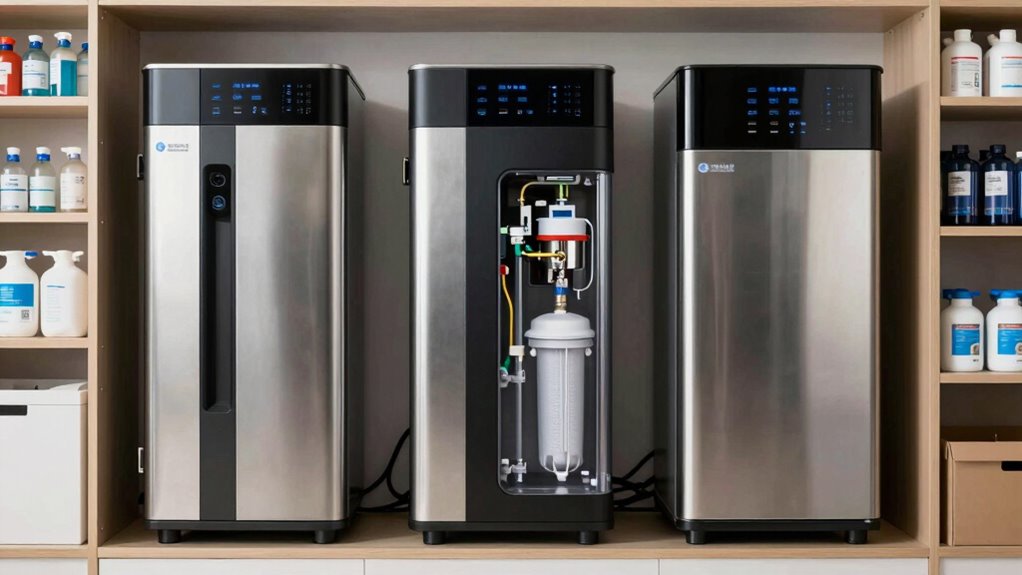
Choosing a whole house reverse osmosis (RO) system for brackish water requires balancing capacity, complexity, and water quality. For most households, the PRO+AQUA Elite 5-Stage System offers reliable treatment for small to medium homes, especially if you need removal of heavy metals and sediment. For higher flow and salt rejection, the Ozmosis BW-8040 membrane delivers impressive daily output, suitable for industrial or large residential setups. Meanwhile, the iSpring CRO1000 stands out for its high-volume, commercial-grade performance, perfect for those needing continuous, high-quality water. Each option involves tradeoffs in installation complexity, ongoing maintenance, and initial costs, which I will clarify below.

Get home appliances delivered free with Prime
- Fast, free delivery on millions of items
- Prime Video, Amazon Music and more included
- Member-only deals all year
Complete the kit


Key Takeaways
- The PRO+AQUA Elite is ideal for small to medium households needing comprehensive well water treatment.
- The Ozmosis BW-8040 offers the highest daily production, suited for industrial or large-scale residential use.
- The iSpring CRO1000 combines high flow with effective contaminant removal, perfect for commercial or high-demand settings.
- All systems require some level of maintenance, with larger or industrial models demanding more frequent upkeep.
- Choosing the right system depends on household size, water quality, and whether capacity or advanced filtration is your priority.


| whole house ro system for brackish water | Flow rate |
|---|---|
| PRO+AQUA Elite 5-Stage Whole H | Not specified |
| BW-4040 4×40 inch Reverse Osmo | 2400 GPD |
| iSpring CRO1000 4-Stage Tankle | 0.7 GPM |
| Aquasure 64,000 Grain Whole Ho | 3.13 gpm |
| Ozmosis BW-8040 Reverse Osmosi | 13,000 GPD |
More Details on Our Top Picks
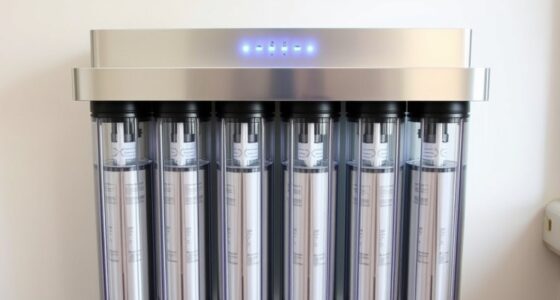
PRO+AQUA Elite 5-Stage Whole House Water Softener and Filter Bundle System for Well Water
This system excels at removing heavy metals, iron, sulfur, and sediment, making it suitable for well water. Its 5-stage filtration ensures thorough purification, with automatic regeneration that reduces maintenance fuss. Compared to industrial membranes, it’s easier to install and maintain, but it’s primarily designed for homes with 3-4 bathrooms. The main tradeoff is that it isn’t suited for very large households or high-volume industrial needs. Its durability and ease of use make it a strong choice for those prioritizing comprehensive pre-treatment without the complexity of high-capacity systems.
Pros:- Effective removal of heavy metals, iron, sulfur, and sediment
- Easy maintenance with automatic regeneration
- Durable, commercial-grade materials
Cons:- Designed primarily for smaller households
- No specific price info available
- Requires professional installation for best performance
Best for: Small to medium households with well water needing removal of heavy metals and sediment
Not ideal for: Large households or commercial operations demanding very high flow rates
- Number of stages:5
- Application:Whole house, well water
- Suitable for:3-4 bathrooms
- Features:Automatic regeneration, easy filter changes
- Warranty:1 and 5 years
- Flow rate:Not specified
Our verdict“A reliable, all-in-one solution for small to medium homes with well water quality concerns.”
BW-4040 4×40 inch Reverse Osmosis Membrane for Desalination, 2400 GPD, 99.5% Removal Rate
This membrane stands out for its high daily output of 2400 gallons, making it suitable for large households or small industrial applications. Its 99.5% removal rate ensures most impurities, including salts, are eliminated, but it relies heavily on pretreatment with pre-filters to prevent fouling. Compared to smaller residential membranes, it demands a more complex setup and regular maintenance, but it compensates with impressive flow and salt rejection. It’s ideal for users who need continuous, high-quality brackish water and are prepared to invest in proper pretreatment systems.
Pros:- High water production capacity of 2400 GPD
- Effective removal of impurities and salts
- ISO 9001 certified for quality
Cons:- Requires pretreatment with pre-filters
- Performance decreases at lower temperatures
- Needs regular maintenance and filter replacement
Best for: Large households or small-scale industrial uses needing high volume desalination
Not ideal for: Homes with limited space or those unwilling to invest in pretreatment and maintenance
- Size:4 x 40 inches
- Flow Rate:2400 GPD
- Desalination Rate:99.5%
- Maximum TDS:5000 ppm
- Optimal Operating Pressure:225 psi
- Material:Food grade, BPA-free plastic
Our verdict“A robust membrane for high-volume brackish water treatment, best suited for larger or industrial setups.”
iSpring CRO1000 4-Stage Tankless Commercial Reverse Osmosis Water Filtration System
The iSpring CRO1000 is designed to handle large volumes efficiently, delivering up to 1,000 gallons per day. Its tankless design reduces space and minimizes bacteria buildup, making it a cleaner option for busy households or small businesses. It removes over 99% of contaminants with its 4-stage filtration, offering reliability and ease of monitoring via built-in gauges. However, it requires stable water pressure between 80-130 psi, and its bulkiness means it needs adequate space for installation. This makes it better suited for those with technical skills or willing to hire professional installers.
Pros:- High flow rate of 1,000 GPD
- Effective removal of over 99% of contaminants
- Tankless design for on-demand filtered water
Cons:- Requires water pressure between 80-130 psi
- Filters and membrane need regular replacement
- Bulkier setup requiring space
Best for: High-demand homes, restaurants, or small businesses needing continuous, high-quality water
Not ideal for: Homes with low water pressure or limited space, or those seeking simple, plug-and-play systems
- Flow Rate:0.7 GPM
- GPD:1000
- Stages:4
- Filter Size:20″ x 4.5″
- Membrane Size:1000 GPD
- Pressure Range:80-130 psi
Our verdict“A high-capacity, reliable system for demanding applications, suitable where continuous high-quality water is needed.”
Aquasure 64,000 Grain Whole House Water Filtration System with Digital Metered Control and Reverse Osmosis
This system combines large-scale filtration and softening, making it ideal for homes with 4-6 bathrooms. Its 64,000 grain capacity and digital control head enable precise management of filter cycles and water hardness. The included reverse osmosis unit improves water taste and reduces contaminants effectively. The main drawback is its weight and size, requiring professional installation and space. The higher initial investment is justified by its comprehensive approach for families demanding high-quality water and minimal maintenance.
Pros:- Effective removal of 99% of contaminants
- Automatic digital control with programmable features
- Suitable for large households
Cons:- Heavy and large, needs professional installation
- Frequent filter replacement every 6-12 months
- Higher initial cost
Best for: Large households with high TDS levels needing softening and contaminant removal
Not ideal for: Small homes or those with limited space and budget constraints
- Capacity:64,000 grains
- Flow Rate:3.13 gpm
- Maximum Water TDS Level:1500 PPM
- Filter Life Cycle:9 months
- Item Dimensions:56″L x 10″W x 10″H
- Material:Zinc
Our verdict“A comprehensive, high-capacity system for large households prioritizing softening and purification.”
Ozmosis BW-8040 Reverse Osmosis Brackish Water Membrane Element 8″x40″ | 13,000 GPD, 99.6% Salt Rejection, 600 PSI
This membrane offers exceptional daily output at 13,000 gallons, with a salt rejection rate of 99.6%. Its fiberglass construction ensures durability in demanding environments, and it is suitable for diverse applications, including industrial water treatment. While its high flow capacity is impressive, it demands compatible filtration systems and precise pressure regulation. The initial cost might be high for residential use, but its energy-efficient operation and longevity justify the investment for large-scale needs.
Pros:- High daily water production of 13,000 gallons
- Excellent salt rejection at 99.6%
- Durable fiberglass-wound housing
Cons:- Requires compatible pre-filtration systems
- Potentially high initial costs
- Requires regular maintenance for peak performance
Best for: Industrial, commercial, and large-scale residential brackish water treatment
Not ideal for: Small households or users seeking simple, plug-and-play solutions
- Size:8″ x 40″
- Flow Rate:13,000 GPD
- Salt Rejection:99.6%
- Pressure Rating:600 PSI
Our verdict“A reliable, industrial-grade membrane for high-volume brackish water applications with excellent salt rejection.”

How We Picked
Our selection process focused on systems that address brackish water challenges, emphasizing filtration capacity, salt rejection rates, ease of maintenance, and applicability to whole-house setups. We prioritized units with proven durability, certifications, and features that match typical household or commercial needs. Cost considerations and installation complexity also influenced rankings, ensuring options for various budgets and technical skills. We aimed to cover a spectrum from compact, user-friendly models to large-scale industrial membranes, giving readers a clear view of what fits their specific water treatment demands.
Factors to Consider When Choosing Whole House Ro System For Brackish Water
Selecting a whole house RO system for brackish water hinges on your household size, water quality, and desired output. The key is balancing capacity, filtration quality, and maintenance needs. A smaller home with moderate TDS might do well with systems like the PRO+AQUA Elite, while larger households or small businesses may require the high flow of industrial membranes like Ozmosis BW-8040. Understanding your water’s TDS and salt levels helps determine if you need a system with higher rejection rates or just basic filtration. Installation complexity and ongoing costs are also vital considerations that influence your final choice.
Capacity and Water Demand
First, assess your household’s daily water consumption. Smaller homes with 3-4 bathrooms typically need systems rated around 2400 GPD or less, while larger households or small businesses might require systems with capacities exceeding 10,000 GPD. The PRO+AQUA Elite is well-suited for moderate needs, whereas the Ozmosis membrane is designed for industrial or heavy-duty residential use. Overestimating capacity can lead to unnecessary costs, while underestimating can cause shortages and system strain.
Salt Rejection and Water Quality
For brackish water, salt rejection rates of over 99% are desirable, especially if your water has high TDS levels. The Ozmosis membrane excels here with 99.6%, making it ideal for salt-heavy sources. The smaller systems, like the PRO+AQUA Elite, focus more on removing metals and sediment but still provide significant TDS reduction. Your choice depends on the specific impurities present, which dictates whether you need a high-rejection membrane or a multi-stage filtration system.
Installation and Maintenance
Complexity varies significantly. Smaller systems like the PRO+AQUA are designed for straightforward installation and minimal maintenance, perfect for DIY enthusiasts or those hiring professionals. Larger or industrial models, such as the Ozmosis membrane, require compatible pre-filters, regular maintenance, and possibly professional setup. Be prepared for ongoing filter replacements, pressure regulation, and monitoring to keep your system running efficiently.
Cost and Long-Term Investment
Initial costs vary widely. Smaller units tend to be more affordable but may require more frequent filter changes. High-capacity membranes and industrial-grade systems involve higher upfront investments but deliver more consistent performance and lower maintenance per gallon over time. Consider your budget, expected water demand, and willingness to handle maintenance when selecting a system.
Frequently Asked Questions
What is brackish water, and why does it require special treatment?
Brackish water contains higher salinity levels than freshwater but less than seawater, typically ranging from 1,000 to 10,000 ppm TDS. This salinity makes it more challenging to treat, as traditional filtration methods may not effectively remove salts. Reverse osmosis membranes designed for brackish water can achieve high salt rejection, making them essential for producing safe, potable water from these sources.
How often do I need to replace filters or membranes in a brackish water RO system?
The replacement frequency depends on the system size, water quality, and usage. Generally, pre-filters should be changed every 6-12 months to prevent fouling, especially with high TDS water. Membranes like the Ozmosis BW-8040 can last 3-5 years with proper maintenance, but regular monitoring of pressure and flow rates helps catch early signs of fouling. Following manufacturer guidelines is key to maintaining efficiency and prolonging system lifespan.
Can I install a whole house RO system myself?
While some smaller systems are designed for DIY installation, most whole house brackish water RO setups involve complex plumbing, pressure regulation, and pretreatment components. If you have basic plumbing skills and tools, you might manage a simple unit, but for larger or industrial-grade systems, professional installation ensures correct setup and optimal performance. Proper installation is essential to avoid leaks, ensure pressure stability, and achieve effective filtration.
What maintenance does a brackish water RO system require?
Maintenance includes regular replacement of pre-filters every 6-12 months, and membrane cleaning or replacement based on usage and water quality. It’s also important to monitor system pressure and flow rates, and to sanitize components periodically. For industrial membranes, scheduled checkups and possibly professional servicing help sustain performance and prevent fouling, ensuring your investment continues to produce high-quality water.
Is a higher flow rate always better for brackish water treatment?
Not necessarily. While higher flow rates allow for greater daily water production, they can also mean increased energy consumption and more frequent maintenance. For residential use, a moderate flow rate may suffice, providing a balance between capacity and system longevity. Industrial systems prioritize high flow for continuous operation, but for most households, matching the system’s output to actual needs ensures efficiency and cost-effectiveness.
Conclusion
For small to medium households with well water or moderate brackish conditions, the PRO+AQUA Elite offers a balanced approach of effective filtration and ease of maintenance. Large households or those with high TDS levels might prefer the Ozmosis BW-8040 for its high flow and salt rejection. Commercial users or facilities with continuous demand should consider the iSpring CRO1000 for its high volume and reliability. Industrial or heavily saline sources benefit most from the Ozmosis membrane, though at a higher initial investment. Ultimately, your choice hinges on capacity needs, water quality, and your willingness to handle maintenance and installation complexities.
Fall yard work Picks
leaf blowers
As an affiliate, we earn on qualifying purchases.