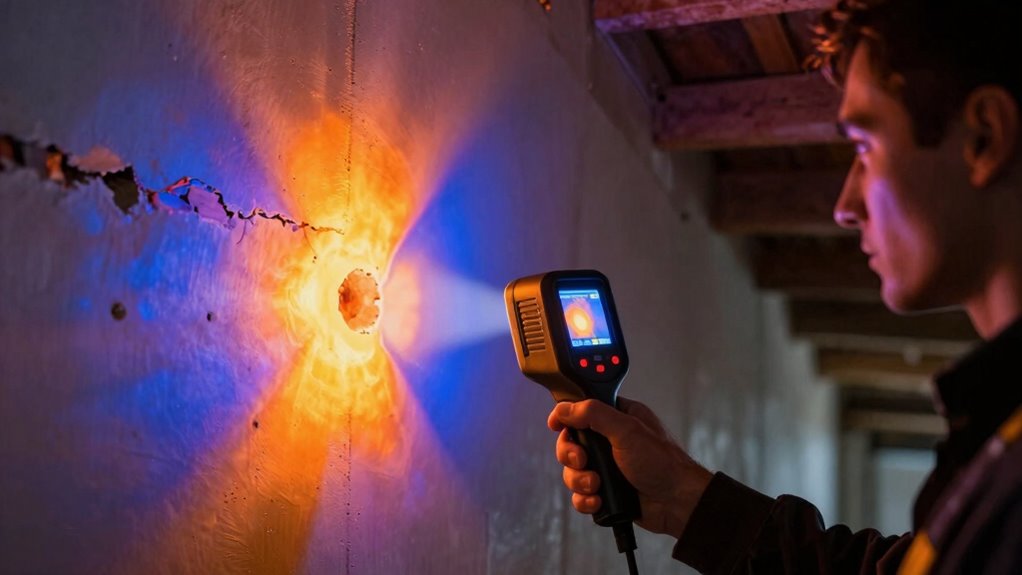
When searching for a thermal imaging camera for leak detection, the key is balancing resolution, sensitivity, and ease of use. The HF96 Thermal Camera stands out as the overall best choice thanks to its AI scene detection and wide temperature range, making it versatile for various leak scenarios. The Foxwell RT280 offers a high-resolution display that helps identify leaks more accurately, especially in complex environments. However, buyers often face tradeoffs between higher resolution and affordability, or between advanced features and simplicity. Continue reading for an in-depth look at how these options compare and which model fits your specific needs.

Get home appliances delivered free with Prime
- Fast, free delivery on millions of items
- Prime Video, Amazon Music and more included
- Member-only deals all year
Complete the kit


Key Takeaways
- Higher resolution cameras, like the Thor002, deliver more detailed images crucial for pinpointing leaks in complex structures.
- Features such as AI scene detection and laser pointers significantly improve accuracy and ease of use in identifying problem areas.
- Budget models, while affordable, often compromise on resolution and sensitivity, making them less ideal for professional leak detection.
- Battery life and durability vary widely; models with IP65 or IP54 ratings are better suited for tough environments.
- Choosing the right temperature range is essential; models covering -4°F to over 1000°F handle most leak detection scenarios effectively.
| HF96 Thermal Camera with AI Scene Detection, Laser Pointer, -4°F~1022°F |  | Best Overall for Versatile, All-in-One Leak Detection | Temperature Range: -4°F to 1022°F | Thermal Sensitivity: below 50mK | Image Resolution: 240×240 | VIEW ON AMAZON | See Our Full Breakdown |
| Thermal Camera with 240×240 Resolution for Home Inspection |  | Best Value for Accurate, Portable Leak Detection | Resolution: 240×240 | Frame Rate: 25Hz | Temperature Range: -4°F to 1022°F | VIEW ON AMAZON | See Our Full Breakdown |
| FOXWELL RT280 Thermal Imaging Camera, 320×240 Resolution, 2.8-inch LCD |  | Best for Professional-Grade Clarity and Storage Capacity | Resolution: 320×240 | Display: 2.8-inch LCD | Effective Resolution with TISR: 240×180 | VIEW ON AMAZON | See Our Full Breakdown |
| GT14S Thermal Imaging Camera, Thermometer Mode, Ultra-Light 240g |  | Best for Lightweight, Versatile Inspections | Weight: 240g | Temperature Range: -4°F to 1022°F | Sensor: NETD < 50mK | VIEW ON AMAZON | See Our Full Breakdown |
| Thermal Imaging Camera, Dual-Light Infrared Thermal Camera 240×240 TISR |  | Best for Visual Clarity and Versatile Inspection Modes | Resolution: 240×240 TISR | IR Sensor Resolution: 96×96 | Thermal Sensitivity: <40mK | VIEW ON AMAZON | See Our Full Breakdown |
| TOPDON TC004 3.5-inch Thermal Imaging Camera, -4°F to 1022°F Temperature Range |  | Best Overall for Field-Ready Leak Detection | Display: 3.5-inch | Temperature Range: -4°F to 1022°F | Infrared Resolution: 256×192 (up to 512×384 with TISR technology) | VIEW ON AMAZON | See Our Full Breakdown |
| HSFTOOLS F2VW Thermal Camera with 2MP Visual Camera and 640×480 Resolution |  | Best for Versatile High-Definition Leak Detection | Resolution: 640×480 | Display: 3.2-inch LCD | Thermal sensitivity: below 40 mK | VIEW ON AMAZON | See Our Full Breakdown |
| HF96V Thermal Camera with Visual Camera & Laser Pointer, Scene Detection, 240×240 Resolution, 25Hz, 50° FOV, -4°F to 1022°F, IP54 |  | Best for Professional and Site-Heavy Leak Detection | Resolution: 96×96 IR, 640×480 visible | Frame Rate: 25 Hz | Field of View: 50° | VIEW ON AMAZON | See Our Full Breakdown |
| Flir TG165-X Thermal Imaging Camera with Bullseye Laser, Spot IR |  | Best Budget-Friendly for Basic Leak Detection | Pixel Count: 4,800 pixels | Temperature Range: -25°C to 300°C | Frame Rate: 9Hz or less | VIEW ON AMAZON | See Our Full Breakdown |
| GT14S Thermal Imaging Camera with Edge Enhancement and Thermometer Mode |  | Best for All-Day Inspection and Monitoring | Measurement Range: -4°F to 1022°F | Sensor Sensitivity: NETD < 50mK | Weight: 15.2 ounces | VIEW ON AMAZON | See Our Full Breakdown |
| H128 Handheld Thermal Camera, 240 x 240 TISR Resolution, 24h Battery Life, Infrared Camera with Temperature Alarm, -4℉ to 842℉ Temp Range, IP65 |  | Best for Rugged, Long-Duration Inspections | Resolution: 240 x 240 TISR | Battery Life: 24 hours | Temperature Range: -4℉ to 842℉ | VIEW ON AMAZON | See Our Full Breakdown |
| MILESEEY TR10 Thermal Imaging Camera, 192×192 IR Resolution, 25Hz |  | Best for Accurate, Real-Time Surface Inspections | IR Resolution: 192×192 | Refresh Rate: 25Hz | Temperature Range: -4°F to 1022°F | VIEW ON AMAZON | See Our Full Breakdown |
| Thermal Master Thor002 Handheld Thermal Camera, 512×384 Resolution |  | Best for Professional-Grade, High-Resolution Inspections | Thermal Resolution: 512×384 | Display: 3.5″ 640×480 IPS | Temperature Range: -4℉ to 1022℉ | VIEW ON AMAZON | See Our Full Breakdown |
| TOPDON TC004 Mini Thermal Imaging Camera, 240×240 Resolution |  | Best for Compact, Everyday Use | Resolution: 240×240 | Field of View: 40°x 30° | Temperature Range: -4°F to 842°F | VIEW ON AMAZON | See Our Full Breakdown |
| Firecore Thermal Imaging Camera, 320×240 Infrared Imager |  | Best for Versatile, High-Resolution Professional Inspections | Resolution: 320×240 (Super Resolution 160×120 IR) | Image Modes: Thermal, Visible Light, Picture-in-Picture, Thermal Mix | Field of View: 40° x 30° | VIEW ON AMAZON | See Our Full Breakdown |
| thermal imaging camera for leak detection | Temperature Range | Field of View | Resolution |
|---|---|---|---|
| HF96 Thermal Camera with AI Sc | -4°F to 1022°F | 50° | — |
| Thermal Camera with 240×240 Re | -4°F to 1022°F | 50° | 240×240 |
| FOXWELL RT280 Thermal Imaging | — | 50° x 38° | 320×240 |
| GT14S Thermal Imaging Camera | -4°F to 1022°F | 50° | — |
| Thermal Imaging Camera | — | — | 240×240 TISR |
| TOPDON TC004 3.5-inch Thermal | -4°F to 1022°F | — | — |
| HSFTOOLS F2VW Thermal Camera w | -4°F to 1022°F | — | 640×480 |
| HF96V Thermal Camera with Visu | -4°F to 1022°F | 50° | 96×96 IR, 640×480 visible |
| Flir TG165-X Thermal Imaging C | -25°C to 300°C | — | — |
| GT14S Thermal Imaging Camera w | — | 50° | — |
| H128 Handheld Thermal Camera | -4℉ to 842℉ | — | 240 x 240 TISR |
| MILESEEY TR10 Thermal Imaging | -4°F to 1022°F | — | — |
| Thermal Master Thor002 Handhel | -4℉ to 1022℉ | — | — |
| TOPDON TC004 Mini Thermal Imag | -4°F to 842°F | 40°x 30° | 240×240 |
| Firecore Thermal Imaging Camer | — | 40° x 30° | 320×240 (Super Resolution 160×120 IR) |
More Details on Our Top Picks
HF96 Thermal Camera with AI Scene Detection, Laser Pointer, -4°F~1022°F
The HF96 Thermal Camera stands out for its combination of thermal imaging, integrated thermometer, and laser pointer, making it highly adaptable for various leak detection scenarios. Its AI scene detection and live super resolution provide clear images that help pinpoint anomalies quickly. Compared with the FOXWELL RT280, the HF96 offers more integrated features, reducing the need for multiple tools, but its complexity may pose a learning curve for beginners. Its robust build and long battery life also make it suitable for extended inspections in challenging environments. However, the absence of moisture readings limits its utility for certain water leak inspections, and new users might need time to master its advanced features.
Pros:- Combines thermal imaging, thermometer, and laser pointer in one device for versatile inspections.
- AI scene detection and live super resolution ensure clear, accurate thermal images.
- Rugged, IP54-rated design with long battery life supports field use in tough environments.
Cons:- Lacks moisture detection capabilities, limiting some leak detection applications.
- Complex features may require a significant learning curve for new users.
Best for: HVAC professionals and home inspectors needing a comprehensive, all-in-one tool for various leak detection tasks.
Not ideal for: Beginners or hobbyists who prefer straightforward tools without complex AI features, as the learning curve could be steep.
- Temperature Range:-4°F to 1022°F
- Thermal Sensitivity:below 50mK
- Image Resolution:240×240
- Field of View:50°
- Battery Life:up to 11 hours
- Protection Rating:IP54
Our verdict“This device is best suited for experienced professionals seeking a multifunctional tool capable of quick, detailed leak detection across various scenarios.”
Thermal Camera with 240×240 Resolution for Home Inspection
Compared with the HF96, this camera offers a straightforward thermal imaging experience with a high 240×240 resolution and a 25Hz refresh rate, ensuring smooth inspections. Its temperature measurement is precise within 2%, and it features an audible alarm for quick identification of hot spots. While it lacks integrated tools like laser pointers or AI scene detection, its simplicity makes it accessible for homeowners and DIY enthusiasts. The IP54 rating offers decent durability, but it’s not as rugged as some professional models, and its exclusive focus on thermal imaging means it misses out on additional diagnostic features present in higher-end options.
Pros:- High-resolution thermal imaging provides detailed leak detection visuals.
- Accurate temperature readings with alarm function facilitate quick assessments.
- Durable, portable design suitable for various home environments.
Cons:- Limited to thermal imaging only; no visible-light or multi-spectral capabilities.
- Requires manual adjustment of emissivity and distance for optimal results.
Best for: Homeowners and DIYers wanting reliable thermal imaging for leak detection without complicated features.
Not ideal for: Professionals needing integrated tools or AI features for complex diagnostics, as this model is more basic.
- Resolution:240×240
- Frame Rate:25Hz
- Temperature Range:-4°F to 1022°F
- Accuracy:Within 2%
- Field of View:50°
- Protection Rating:IP54
Our verdict“This camera offers excellent resolution and ease of use for homeowners focused on straightforward leak detection and thermal anomalies.”
FOXWELL RT280 Thermal Imaging Camera, 320×240 Resolution, 2.8-inch LCD
The FOXWELL RT280 offers a step up in thermal clarity with its 320×240 resolution, enhanced further by TISR technology that refines image quality. Its large storage capacity and 2.8-inch LCD display make it ideal for detailed inspections in electrical, HVAC, and mechanical work. Compared to the HF96, the RT280 emphasizes image clarity and data management, though it requires a Windows PC for full analysis—limiting mobility in the field. Its rugged, IP54-rated build and laser targeting improve precision, but the more complex interface might be overwhelming for less experienced users.
Pros:- High-resolution imaging with advanced clarity and detail.
- Large internal storage supports over 20,000 images for thorough documentation.
- Rugged design with laser targeting enhances precision in challenging environments.
Cons:- Requires Windows PC for in-depth analysis, limiting portability.
- Interface may be complex for occasional users or beginners.
Best for: Field technicians and inspectors needing high-resolution images and large storage for detailed leak and defect documentation.
Not ideal for: Users seeking a simple, standalone device or those without Windows access, as the device’s full features depend on a PC connection.
- Resolution:320×240
- Display:2.8-inch LCD
- Effective Resolution with TISR:240×180
- Field of View:50° x 38°
- Frame Rate:25Hz
- Storage:8GB eMMC
Our verdict“This model caters to professionals who prioritize detailed image quality and extensive data storage for complex leak detection tasks.”
GT14S Thermal Imaging Camera, Thermometer Mode, Ultra-Light 240g
The GT14S appeals to those needing a lightweight yet capable thermal camera, weighing just 240 grams. Its dual modes—thermal imaging and infrared thermometer—offer flexibility for quick checks in residential or automotive environments. While it provides high-precision sensors with <50mK sensitivity, it lacks advanced features like AI scene detection or integrated visual cameras, making it more suitable for users familiar with thermal tools. Its long battery life and simple operation are advantages, but the limited ruggedness and absence of connectivity options mean it’s less suited for heavy-duty or complex diagnostics.
Pros:- Extremely lightweight and ergonomic for prolonged use.
- Dual modes enable quick temperature checks and thermal imaging.
- High-precision sensors detect subtle temperature differences.
Cons:- Lacks waterproofing and rugged features for tough environments.
- Limited connectivity and analysis options reduce scope for complex diagnostics.
Best for: DIYers and technicians seeking a portable, easy-to-handle device for basic leak detection and temperature assessments.
Not ideal for: Professionals requiring advanced diagnostics or integrated visual imaging, as this model is primarily designed for simple thermal checks.
- Weight:240g
- Temperature Range:-4°F to 1022°F
- Sensor:NETD < 50mK
- Battery:2500mAh, up to 14 hours
- Field of View:50°
Our verdict“This model suits users wanting a portable, straightforward thermal tool for basic leak detection and temperature measurement tasks.”
Thermal Imaging Camera, Dual-Light Infrared Thermal Camera 240×240 TISR
The Dual-Light Infrared Thermal Camera provides high-resolution thermal images combined with real visual images, making it easier to locate leaks and insulation issues precisely. Its multiple scene modes and smart alerts are useful for varied inspection conditions. Compared with the HF96, this model emphasizes visual clarity alongside thermal data, but its higher price might be a barrier for basic users. The IR sensor resolution of 96×96 limits some detail, yet the overall durability, with IP54 protection and drop resistance, makes it suitable for professional use in home and industrial settings. Its reliance on thermal imaging alone means it doesn’t include additional diagnostic tools.
Pros:- High-resolution thermal imaging with clear, detailed visuals.
- Multiple scene modes and smart alerts enhance inspection flexibility.
- Robust design with IP54 rating and drop resistance for durability.
Cons:- Relatively high price for users needing only basic thermal imaging.
- Limited IR sensor resolution compared to higher-end models.
Best for: Home inspectors and maintenance professionals requiring combined thermal and visual imaging for comprehensive leak detection.
Not ideal for: Budget-conscious users or those seeking integrated diagnostics beyond thermal imaging, as the IR resolution and price point may be limiting.
- Resolution:240×240 TISR
- IR Sensor Resolution:96×96
- Thermal Sensitivity:<40mK
- Refresh Rate:25Hz
- Storage:8GB
- Protection:IP54
Our verdict“This camera offers visual-enhanced thermal inspection suited for professionals who value clarity and durability in leak detection tasks.”
TOPDON TC004 3.5-inch Thermal Imaging Camera, -4°F to 1022°F Temperature Range
This option stands out for its high-resolution imaging up to 512×384, providing detailed thermal visuals crucial for pinpointing leaks in complex systems. Its large 3.5-inch display enhances visibility, making it easier to interpret subtle temperature anomalies compared to smaller screens like the FLIR TG165-X. The built-in laser pointer ensures precise targeting, especially in cluttered environments, while Wi-Fi connectivity streamlines report sharing. However, at over 2 pounds, its weight can cause fatigue during extended use, and the price may be prohibitive for casual users. Compared to more compact options, it sacrifices portability for detailed inspection capability. Ideal for professionals needing reliable, detailed leak detection in tough environments.
Pros:- High-resolution thermal images for precise leak detection
- Large, clear display improves ease of interpretation
- Wireless Wi-Fi transfer accelerates report creation
- Rugged IP54 protection suits outdoor and industrial use
Cons:- Relatively heavy, which can cause fatigue during long inspections
- No additional measurement functions beyond temperature imaging
- High price may be a barrier for casual or hobbyist users
Best for: Field technicians and industrial inspectors requiring high-resolution images and rugged durability
Not ideal for: Casual homeowners or DIYers seeking a lightweight, budget-friendly device
- Display:3.5-inch
- Temperature Range:-4°F to 1022°F
- Infrared Resolution:256×192 (up to 512×384 with TISR technology)
- Storage:64GB
- Connectivity:Wi-Fi
- Protection Rating:IP54
Our verdict“This camera is best suited for professionals demanding high detail and durability in leak detection tasks.”
HSFTOOLS F2VW Thermal Camera with 2MP Visual Camera and 640×480 Resolution
This model offers a step up in thermal resolution with 640×480 detection, surpassing the resolution of the TOPDON TC004 and providing sharper images for leak detection. The addition of a 2MP visual camera enables fusion imaging, which can make identifying leaks easier in visually cluttered areas. Its AI-powered scene detection aids in quick troubleshooting but adds complexity, which might require a learning curve compared to simpler devices like the FLIR TG165-X. The relatively heavy weight and limited battery info are tradeoffs for its advanced imaging features. Ideal for users who need detailed thermal and visual data combined with smart scene analysis.
Pros:- High-resolution thermal imaging with AI enhancement
- Dual camera system for versatile imaging modes
- Wireless sharing and easy operation with Wi-Fi
- Accurate temperature measurement with AI scene detection
Cons:- Heavier than some handheld options, impacting portability
- Complex features may require dedicated training
- Battery life details are limited, affecting planning
Best for: Industrial inspectors and troubleshooting professionals who value high-resolution imaging and scene intelligence
Not ideal for: Beginners or casual users looking for straightforward, portable leak detection tools
- Resolution:640×480
- Display:3.2-inch LCD
- Thermal sensitivity:below 40 mK
- Temperature range:-4°F to 1022°F
- Image modes:Visual, Thermal, Fusion, PIP
- Weight:2.01 pounds
Our verdict“This camera suits advanced users needing detailed, intelligent imaging for complex leak detection scenarios.”
HF96V Thermal Camera with Visual Camera & Laser Pointer, Scene Detection, 240×240 Resolution, 25Hz, 50° FOV, -4°F to 1022°F, IP54
The HF96V combines dual IR and visible cameras with scene detection, offering a comprehensive tool for leak detection across various environments. Its 240×240 thermal resolution is lower than the FLIR TG165-X but gains in versatility through multiple image modes and intelligent scene detection powered by deep learning. The laser pointer helps target leaks accurately, and the long 11-hour battery life minimizes interruptions. Compared with the FLIR, its broader feature set and durability make it well-suited for demanding inspections but also add weight and complexity. This pick makes the most sense for professionals who need a durable, all-in-one inspection device.
Pros:- High-definition thermal images with super resolution technology
- Dual cameras for comprehensive visual and thermal analysis
- Long battery life supports extended inspections
- Durable IP54 protection withstands tough environments
Cons:- Requires firmware updates for full feature access
- Relatively heavy at 1.32 pounds, less comfortable for prolonged handheld use
- Limited temperature range may not suit industrial-scale needs
Best for: Professional inspectors working on large sites or in harsh conditions
Not ideal for: Home users or casual inspectors who prefer lightweight, simple devices
- Resolution:96×96 IR, 640×480 visible
- Frame Rate:25 Hz
- Field of View:50°
- Temperature Range:-4°F to 1022°F
- Thermal Sensitivity:below 50 mK
- Battery Life:up to 11 hours
Our verdict“This device targets professionals who need a rugged, feature-rich thermal camera for demanding leak detection tasks.”
Flir TG165-X Thermal Imaging Camera with Bullseye Laser, Spot IR
The FLIR TG165-X offers reliable spot thermal imaging with MSX enhancement, making it accessible for DIYers and small-scale professionals. Its thermal range from -25°C to 300°C covers common leak detection needs, but its 9Hz frame rate limits real-time video smoothness compared to higher-end models like the HF96V. The built-in laser helps with targeting, and its large internal storage supports extensive image capture. Compared to the more advanced HSFTOOLS F2VW, it sacrifices some resolution and smart features for simplicity and affordability. This camera is best for users who want straightforward leak detection without extra complexity.
Pros:- MSX enhancement provides clearer visuals
- Durable and drop-tested design
- Large internal storage for numerous images
- Laser pointer for precise targeting
Cons:- Limited frame rate affects real-time video quality
- Higher cost relative to basic models
- Requires some thermal imaging knowledge for best results
Best for: Home inspectors, DIY enthusiasts, and small business owners needing a reliable, easy-to-use device
Not ideal for: Industrial professionals requiring high-speed imaging or detailed thermal analysis
- Pixel Count:4,800 pixels
- Temperature Range:-25°C to 300°C
- Frame Rate:9Hz or less
- Protection Rating:IP54
- Warranty:2 years parts and labor
Our verdict“This camera fits users seeking a reliable, simple leak detection device on a budget with good image clarity.”
GT14S Thermal Imaging Camera with Edge Enhancement and Thermometer Mode
This compact device emphasizes extended use with 14 hours of battery life, making it ideal for continuous leak detection tasks. Its wide measurement range from -4°F to 1022°F and edge enhancement improve detection accuracy and image clarity, especially when quick temperature readings are needed alongside thermal visuals. Compared to the FLIR TG165-X, it lacks some image refinement features but compensates with a lighter weight—just over a pound—and straightforward controls. The device’s emphasis on real-time monitoring and alarms makes it suitable for ongoing leak detection. However, its raw data lacks some detailed specifications, and the absence of Wi-Fi limits quick sharing. Perfect for maintenance teams needing reliable, long-duration inspections with simple operation.
Pros:- Long-lasting battery supports extensive inspections
- Wide temperature range suitable for various environments
- Edge enhancement improves image clarity
- Supports continuous monitoring and alarms
Cons:- Relatively heavy for handheld use
- Limited detailed specifications make comparison difficult
- No Wi-Fi or advanced scene detection features
Best for: Facilities managers and maintenance crews conducting all-day or continuous leak surveys
Not ideal for: Users requiring high-resolution thermal images or advanced features like scene detection
- Measurement Range:-4°F to 1022°F
- Sensor Sensitivity:NETD < 50mK
- Weight:15.2 ounces
- Battery Life:up to 14 hours
- Field of View:50°
- Color Palettes:7 selectable
Our verdict“This pick is ideal for professionals who prioritize long operational hours and continuous monitoring over complex imaging features.”
H128 Handheld Thermal Camera, 240 x 240 TISR Resolution, 24h Battery Life, Infrared Camera with Temperature Alarm, -4℉ to 842℉ Temp Range, IP65
The H128 Handheld Thermal Camera stands out for its high-resolution 240×240 TISR sensor, providing detailed images that are essential when pinpointing leaks in complex building structures. Unlike the smaller-screen models, such as the TOPDON TC004, the H128’s larger, rugged design and IP65 protection make it ideal for demanding environments where durability matters. Its 24-hour battery life surpasses most competitors, allowing extended inspections without recharge interruptions. The built-in temperature alarm offers quick anomaly detection, decreasing inspection time. However, its weight at 1.06 pounds can cause fatigue during prolonged use, and the absence of connectivity features limits data sharing. This camera suits professionals needing ruggedness and long operational hours for routine leak detection in industrial or outdoor settings.
Pros:- High-resolution thermal imaging for detailed inspections
- Long-lasting 24-hour battery life
- Durable IP65 protection standard
- Built-in temperature alarm for quick detection
Cons:- Relatively heavy, which may cause fatigue
- No connectivity features for easy data transfer
Best for: Inspection professionals working in tough environments requiring durable, long-lasting thermal imaging.
Not ideal for: Casual DIYers or those needing lightweight, compact devices for occasional use, due to its weight and complexity.
- Resolution:240 x 240 TISR
- Battery Life:24 hours
- Temperature Range:-4℉ to 842℉
- Thermal Sensitivity:40mk
- Frame Rate:25Hz
- Protection Level:IP65
Our verdict“This pick is best for professionals needing a rugged, long-lasting thermal camera for demanding leak detection tasks.”
MILESEEY TR10 Thermal Imaging Camera, 192×192 IR Resolution, 25Hz
The MILESEEY TR10 offers a solid 192×192 IR resolution with a 25Hz refresh rate, making it suitable for real-time leak detection on surfaces and components. Compared with the higher-resolution Thor002, the TR10 is more affordable and lightweight, though it sacrifices some detail clarity. Its adjustable emissivity and temperature range up to 1022°F enable precise measurements across a variety of surfaces, ideal for electrical or mechanical inspections. The battery lasts around 8 hours, which is decent but less than the Thor002’s 10.5 hours, limiting extended use. Its lack of wireless connectivity may hinder seamless data sharing in professional workflows. This model is better suited for technicians needing accurate, quick surface scans without high-end features.
Pros:- Smooth real-time thermal imaging
- Accurate temperature measurement with adjustable emissivity
- Durable, drop-resistant design
- Decent battery life for field use
Cons:- Limited connectivity features
- Potentially high cost for basic needs
Best for: Technicians requiring reliable, real-time thermal imaging for surface leak detection and component inspection.
Not ideal for: Users seeking advanced features like wireless data transfer or high-resolution imaging for detailed diagnostics, as it lacks connectivity options.
- IR Resolution:192×192
- Refresh Rate:25Hz
- Temperature Range:-4°F to 1022°F
- Thermal Sensitivity:<50mk
- Battery Life:8 hours
- Storage Capacity:8GB
Our verdict“This camera is ideal for technicians who prioritize real-time accuracy and durability over advanced connectivity features.”
Thermal Master Thor002 Handheld Thermal Camera, 512×384 Resolution
The Thermal Master Thor002 features a remarkable 512×384 resolution, making it the most detailed option in this lineup. Its large 3.5-inch IPS display and wireless data transmission enable professionals to analyze leaks and thermal anomalies with precision and efficiency, especially when compared to the less detailed TOPDON TC004. Despite its high-end features, the Thor002 is relatively bulky and may be less portable for quick, on-the-go inspections. Its IP54 rating ensures durability, but the higher price point may be a barrier for casual users. Its extensive resolution and wireless capabilities make it best suited for detailed, professional leak detection tasks in complex environments.
Pros:- High-resolution thermal imaging for detailed diagnostics
- Wireless connectivity supports real-time data sharing
- Long battery life with fast charging
- Durable IP54 protection
Cons:- Relatively bulky and less portable
- High cost may be prohibitive for casual users
Best for: Professional inspectors and engineers needing detailed thermal images and wireless data sharing on demanding projects.
Not ideal for: DIY users or those needing a lightweight, budget-friendly device, as it’s more complex and costly.
- Thermal Resolution:512×384
- Display:3.5″ 640×480 IPS
- Temperature Range:-4℉ to 1022℉
- Accuracy:±3.6℉
- Battery:5000mAh, up to 10.5 hours
- Protection Standard:IP54
Our verdict“This camera is best for professionals requiring detailed imagery and wireless capabilities for comprehensive leak inspections.”
TOPDON TC004 Mini Thermal Imaging Camera, 240×240 Resolution
The TOPDON TC004 offers a compact yet capable 240×240 resolution, making it a practical choice for quick inspections of homes and electrical systems. Its 15-hour battery life and IP54 protection provide extended use and durability, surpassing bulkier models like the Thor002 for portability. The wide field of view enhances coverage, while smart alerts and photo capture simplify diagnostics. However, the device’s limited features—no advanced measurement tools or connectivity options—restrict its functionality for complex leak detection tasks. Its reliance on an electronic manual can be cumbersome, especially for users unfamiliar with thermal imaging tech. This device makes the most sense for homeowners or DIYers needing reliable thermal scans without the need for professional-grade features.
Pros:- High-resolution thermal imaging
- Long 15-hour battery life
- Portable, durable with waterproof and drop resistance
- Smart alerts and photo capture
Cons:- No advanced measurement tools or connectivity
- Requires manual setup with electronic manual
Best for: Homeowners and DIYers seeking a portable, easy-to-use thermal camera for basic leak detection and electrical inspections.
Not ideal for: Professionals requiring detailed data analysis or wireless sharing, as it lacks advanced connectivity and measurement tools.
- Resolution:240×240
- Field of View:40°x 30°
- Temperature Range:-4°F to 842°F
- Battery Life:15 hours
- Waterproof Rating:IP54
- Drop Resistance:Up to 2 meters
Our verdict“This compact camera suits homeowners and DIYers who want reliable thermal imaging for routine leak detection.”
Firecore Thermal Imaging Camera, 320×240 Infrared Imager
The Firecore Thermal Imaging Camera delivers detailed images with a 320×240 resolution enhanced by Super Resolution technology, providing clear visuals for leak and electrical inspections. Its multiple imaging modes, including thermal, visible, and picture-in-picture, surpass the basic features of models like the TR10. The built-in laser and LED lights add versatility for inspecting hard-to-see areas. While its rugged, water-resistant design makes it suitable for demanding environments, the device’s reliance on USB-C for data transfer and unspecified weight can be inconvenient for quick, on-site use. The 6+ hour battery life is adequate but less than some competitors, and the high-resolution imaging makes it a more expensive choice. This device is best for professionals conducting detailed inspections in challenging environments.
Pros:- High-resolution imaging with Super Resolution technology
- Multiple imaging modes and color palettes
- Rugged, water-resistant design
- Long battery life for extended inspections
Cons:- Requires Windows PC for detailed analysis
- Potentially heavy or bulky for handheld use
Best for: Electrical, HVAC, and home inspectors needing versatile imaging modes and durability for tough conditions.
Not ideal for: Casual users or DIYers on a budget, due to its higher price and advanced feature set.
- Resolution:320×240 (Super Resolution 160×120 IR)
- Image Modes:Thermal, Visible Light, Picture-in-Picture, Thermal Mix
- Field of View:40° x 30°
- Storage:32GB
- Battery Life:6+ hours
- Water Resistance:IP54
Our verdict“This camera is suited for professionals who need detailed, versatile imaging in harsh environments and can manage the higher cost.”

How We Picked
These thermal imaging cameras were selected based on several key criteria relevant to leak detection. First, resolution and thermal sensitivity directly impact the clarity and accuracy of leak identification, so higher resolution and sensitive detectors are prioritized. Ease of use and interface features, like scene detection or laser pointers, influence how quickly a user can pinpoint leaks, especially in challenging environments. Build quality, battery life, and durability are also important, as leak detection often requires prolonged or outdoor use. Finally, value for money was considered, balancing features against price to identify options suitable for both DIY homeowners and professionals.
The ranking reflects a mix of performance, usability, and cost-effectiveness, with a slight bias toward models that excel in leak detection-specific features. More advanced options are placed higher for professional use, while simpler, budget-friendly models are recommended for occasional or beginner inspections.
| thermal imaging camera for leak detection | Temperature Range |
|---|---|
| HF96 Thermal Camera with AI Sc | -4°F to 1022°F |
| Thermal Camera with 240×240 Re | -4°F to 1022°F |
| FOXWELL RT280 Thermal Imaging | — |
| GT14S Thermal Imaging Camera | -4°F to 1022°F |
| Thermal Imaging Camera | — |
| TOPDON TC004 3.5-inch Thermal | -4°F to 1022°F |
| HSFTOOLS F2VW Thermal Camera w | -4°F to 1022°F |
| HF96V Thermal Camera with Visu | -4°F to 1022°F |
| Flir TG165-X Thermal Imaging C | -25°C to 300°C |
| GT14S Thermal Imaging Camera w | — |
| H128 Handheld Thermal Camera | -4℉ to 842℉ |
| MILESEEY TR10 Thermal Imaging | -4°F to 1022°F |
| Thermal Master Thor002 Handhel | -4℉ to 1022℉ |
| TOPDON TC004 Mini Thermal Imag | -4°F to 842°F |
| Firecore Thermal Imaging Camer | — |
Factors to Consider When Choosing Thermal Imaging Camera For Leak Detection
Choosing the right thermal imaging camera for leak detection involves understanding your specific needs and how different features impact performance. Not all cameras are equally suited for detecting leaks in various environments, so weighing their capabilities against your use case is essential. The following factors will help you make an informed decision beyond just resolution or price.
Resolution and Thermal Sensitivity
Higher resolution sensors, such as 320×240 or 512×384, reveal more detailed images, making it easier to identify small or hidden leaks. Sensitivity, measured in millikelvin, indicates how well the camera detects temperature differences; a more sensitive camera can detect subtle leaks in well-insulated or complex structures. However, higher resolution and sensitivity often come at a higher price, so consider your typical inspection environment before investing.
Ease of Use and Interface Features
Features like AI scene detection, laser pointers, and large displays can significantly streamline leak detection, especially in cluttered or hard-to-reach areas. Simple interfaces with intuitive controls reduce the learning curve, making these tools accessible for DIY users. More advanced models may include adjustable emissivity settings or thermal blending modes, which improve accuracy but add complexity.
Build Quality and Durability
Leak detection often involves working in tough environments—outdoors, dusty areas, or confined spaces—so a rugged, IP-rated body (such as IP54 or IP65) can extend the camera’s lifespan. Battery life is equally important; models with longer-lasting batteries reduce interruptions during extended inspections. Consider whether the camera feels well-built and easy to handle for prolonged use.
Temperature Range
Most leak detection scenarios fall within a certain temperature window, typically from -4°F to over 1000°F. A wider range allows the camera to detect leaks in hot water or steam pipes as well as cold insulation issues. Make sure the chosen model covers the expected temperature spectrum of your typical inspections to avoid missing subtle leaks or misinterpreting data.
Value and Budget Considerations
While premium models offer advanced features and higher resolution, they come with a higher price tag. Budget options can be effective for simple leak detection tasks but may lack precision or durability. Carefully weigh the specific features you need against your budget to avoid overpaying for unnecessary capabilities or under-investing in critical performance aspects.
Frequently Asked Questions
Can a thermal imaging camera detect all types of leaks?
Thermal imaging cameras are highly effective at detecting leaks involving temperature differences, such as water leaks, steam, or air infiltration. However, they may struggle with leaks that do not produce a significant thermal contrast, like small leaks in well-insulated areas or leaks involving non-conductive materials. Combining thermal imaging with other detection methods can improve overall accuracy in challenging scenarios.
Is higher resolution always better for leak detection?
Higher resolution cameras provide more detailed images, which can help identify small or hidden leaks more precisely. However, they tend to be more expensive and may have a steeper learning curve. For basic or occasional leak detection, a mid-range resolution might suffice, while professionals benefit from investing in higher-resolution models for complex inspections.
How important is thermal sensitivity in leak detection?
Thermal sensitivity determines how small temperature differences a camera can detect. Higher sensitivity allows for identifying leaks that cause subtle temperature variations, especially in well-insulated or temperature-stable environments. If your inspections often involve detecting minor leaks, prioritizing sensitivity is advisable.
Should I prioritize ruggedness or features like scene detection?
Both are important depending on your environment. Ruggedness ensures the camera withstands harsh conditions, while features like scene detection and laser pointers improve ease of use and accuracy. For outdoor or industrial leak detection, rugged models with protective ratings are preferred, whereas indoor or DIY tasks might benefit more from advanced usability features.
What additional accessories should I consider when buying a thermal camera?
Consider accessories like tripod mounts, external batteries, or protective cases to extend usability and durability. Calibration tools and emissivity reference materials can also improve measurement accuracy. Investing in these accessories can make a significant difference, especially for professional or frequent use cases where precision is critical.
Conclusion
For most homeowners or DIY enthusiasts, the TOPDON TC004 Mini offers an affordable, easy-to-use option with sufficient resolution. Professionals requiring detailed images and high sensitivity should consider the Thermal Master Thor002, which provides higher resolution and advanced features. Those seeking durability and extended battery life might lean toward the H128 Handheld Thermal Camera. Budget-conscious buyers should focus on models like the FOXWELL RT280, balancing performance with affordability. Ultimately, your choice depends on whether you prioritize ease of use, resolution, durability, or value—match your needs to these recommendations for the best leak detection results.