If you’re looking for the best booster pumps for rainwater harvesting in 2026, I recommend considering the Grundfos SBA-3-45-AW, Bushman Rainwater Harvesting Pump Kit, and SCALA1 3-45 Booster Pump. These models offer reliable performance, automatic controls, and durable construction, making them ideal for residential systems. Choosing the right pump depends on your system’s flow, pressure needs, and installation space. If you keep exploring, you’ll uncover more tips to optimize your setup.
Key Takeaways
- Top booster pumps like Grundfos SBA-3-45-AW, Bushman Rainwater Pump Kit, and SCALA1 3-45 excel in reliability and efficiency for rainwater harvesting.
- Key factors include matching flow rate, pressure, durability, ease of installation, and compatibility with existing system components.
- Automatic controls such as float switches and dry-run protection enhance system safety and reduce manual maintenance.
- Selecting the right pump ensures optimal system performance, energy efficiency, and long-term durability against outdoor conditions.
- Proper installation and matching pump specifications to system demands maximize efficiency, reduce costs, and extend pump lifespan.
| Grundfos SBA-3-45-AW Automatic Pump with Floating Extractor |  | Best Automatic System | Power Source: 115V electric (plug-in) | Max Flow Rate: 15 GPM | Material: Plastic | VIEW LATEST PRICE | See Our Full Breakdown |
| Bushman Rainwater Harvesting Pump Kit (Black) | 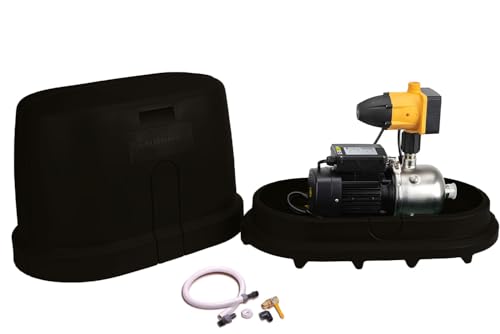 | Best Outdoor Durability | Power Source: Not specified (assumed electric) | Max Flow Rate: Not specified (strong, consistent flow) | Material: Corrosion-resistant durable materials | VIEW LATEST PRICE | See Our Full Breakdown |
| SCALA1 3-45 Booster Pump |  | Best Smart Monitoring | Power Source: 115V electric | Max Flow Rate: 15.8 GPM | Material: Stainless steel | VIEW LATEST PRICE | See Our Full Breakdown |
More Details on Our Top Picks
Grundfos SBA-3-45-AW Automatic Pump with Floating Extractor
If you’re looking for a reliable, easy-to-install booster pump for rainwater harvesting or small private wells, the Grundfos SBA-3-45-AW is an excellent choice. This all-in-one, submersible pump features a built-in control unit, making setup straightforward without extra controllers. It operates quietly and includes dry-run protection, ensuring durability. The floating suction strainer prevents debris from entering, while the float switch automatically activates or deactivates the pump based on water levels. With a flexible side inlet, outlet adapters, and a 1 HP motor, it delivers up to 15 GPM at 35 PSI. Its durable plastic construction and simple maintenance make it ideal for residential water systems.
- Power Source:115V electric (plug-in)
- Max Flow Rate:15 GPM
- Material:Plastic
- Automatic Operation:Yes (float switch, control unit)
- Compatibility:Multiple outlet adapters (NPT, garden hose)
- Noise Level:Noiseless operation
- Additional Feature:Built-in control unit
- Additional Feature:Floating suction strainer
- Additional Feature:Flexible inlet connection
Bushman Rainwater Harvesting Pump Kit (Black)
The Bushman Rainwater Harvesting Pump Kit (Black) is an excellent choice for homeowners and outdoor enthusiasts seeking a reliable, efficient pump to enhance their rainwater systems. It features a high-quality pump that delivers strong, consistent water pressure, making it easy to distribute rainwater from tanks to various outlets. The automatic shut-off prevents dry running, protecting the motor and extending its lifespan. Built with rugged, corrosion-resistant materials, it’s designed to withstand harsh outdoor conditions. The pump operates quietly and is energy-efficient, reducing electricity costs. With all necessary components included and compatibility with most rainwater tanks, it’s a versatile, durable solution for various outdoor water needs.
- Power Source:Not specified (assumed electric)
- Max Flow Rate:Not specified (strong, consistent flow)
- Material:Corrosion-resistant durable materials
- Automatic Operation:Yes (automatic shut-off)
- Compatibility:Compatible with most rainwater tanks
- Noise Level:Quiet operation
- Additional Feature:Complete kit with accessories
- Additional Feature:Rugged corrosion-resistant materials
- Additional Feature:Quiet operation design
SCALA1 3-45 Booster Pump
Designed specifically for residential rainwater harvesting systems, the SCALA1 3-45 Booster Pump stands out with its compact size and easy installation. Its self-priming, multistage design means you can pump water from below the pump level effortlessly. Made from durable stainless steel, it offers a maximum flow of 15.8 GPM and lifts water up to 26 feet quickly. Advanced protections guard against dry running, cycling, and overheating, ensuring reliable operation. Bluetooth connectivity via the Grundfos GO app allows for detailed monitoring and customization. Whether boosting pressure or drawing groundwater, this pump provides a reliable, efficient solution for residential rainwater systems.
- Power Source:115V electric
- Max Flow Rate:15.8 GPM
- Material:Stainless steel
- Automatic Operation:Yes (dry running, leak protection)
- Compatibility:Suitable for city or well water
- Noise Level:Not specified (assumed quiet)
- Additional Feature:Bluetooth monitoring capability
- Additional Feature:Self-priming design
- Additional Feature:Advanced dry running protection
Factors to Consider When Choosing a Booster Pump for Rainwater Harvesting System
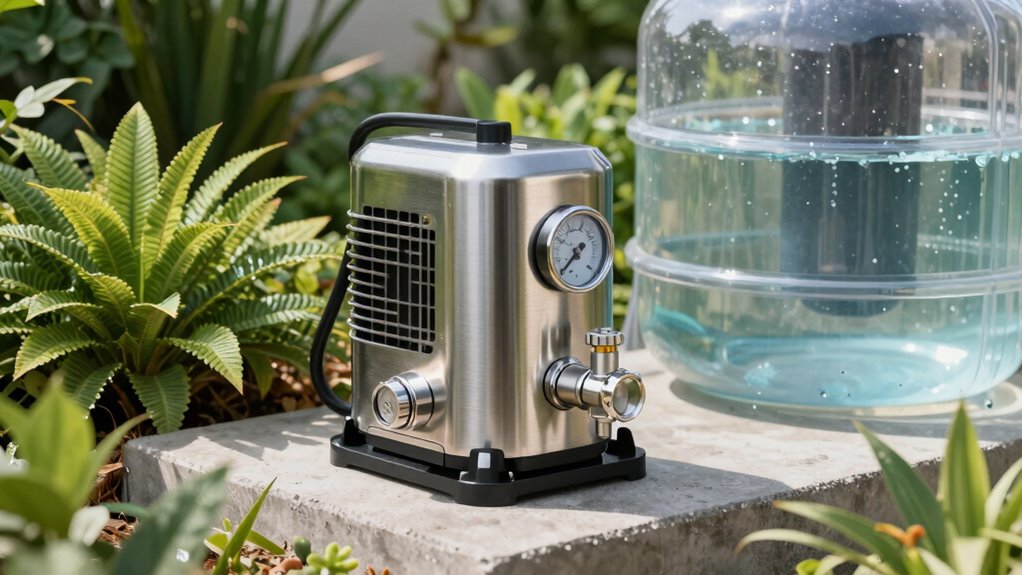
When choosing a booster pump for your rainwater system, I consider factors like water flow rate and pump power to guarantee it meets my needs. I also pay attention to noise, vibration, and durability to keep the system reliable and quiet. Additionally, installation ease influences how smoothly I can set up and maintain the pump.
Water Flow Rate
How much water your rainwater harvesting system needs to deliver depends largely on the flow rate of the booster pump you choose. The flow rate determines how much water the pump can supply per minute, directly impacting the system’s efficiency. For larger irrigation setups or multiple outlets operating simultaneously, a higher flow rate is essential. Typical rainwater pumps range from 5 to 20 GPM, with measurements in gallons per minute or liters per second. Selecting a pump with a flow rate that matches your system’s demands helps prevent underperformance or excessive cycling, ensuring consistent water delivery. Some pumps offer adjustable flow rates, allowing for better customization based on your household’s specific needs and system size. Proper matching optimizes performance and conserves energy.
Pump Power Needs
Choosing the right pump power for your rainwater harvesting system hinges on understanding the volume of water you need to move and the height it must be lifted. The pump’s horsepower or wattage directly impacts its ability to handle larger flow rates and higher head heights, which are vital for bigger systems. If the pump isn’t powerful enough, you’ll face issues like low water flow or frequent cycling, which can shorten its lifespan and reduce efficiency. On the other hand, oversizing the pump leads to unnecessary energy consumption and higher operational costs without significant benefits. To guarantee reliable and efficient operation, I recommend matching the pump’s power to your specific needs, considering both the volume of water and the elevation height involved.
Noise and Vibration
Noise and vibration are critical factors to contemplate because they directly affect the comfort and durability of your rainwater harvesting system. Different booster pumps produce varying noise levels, from nearly silent to quite loud, which matters if your system is near living spaces. Excess vibration can cause structural noise and lead to wear on mounting surfaces if not managed properly. Pumps equipped with vibration dampening features or rubber mounts help reduce both noise and vibrations, ensuring quieter operation and less strain on your system. The motor type and operating speed also influence noise levels; for instance, variable speed models tend to run more quietly. Proper installation—secure mounting and correct alignment—is essential to minimize vibrations and prevent noise transmission, prolonging your system’s lifespan.
Durability and Material
When selecting a booster pump for your rainwater harvesting system, durability is crucial to guarantee long-lasting performance. I recommend choosing pumps made from corrosion-resistant materials like stainless steel or high-quality plastic, as these can withstand outdoor conditions, moisture, dirt, and weather variations. Pumps built with sturdy materials handle continuous operation without warping, cracking, or degrading, ensuring reliable service over time. The material quality also impacts how well the pump resists wear from debris, sediment, or chemical exposure in rainwater. Investing in a high-quality, durable pump reduces maintenance costs and offers peace of mind, knowing it will perform consistently and last years, even in tough outdoor environments. Durability and material choice are key factors for a dependable rainwater harvesting system.
Installation Ease
Selecting a booster pump for your rainwater harvesting system isn’t just about durability; ease of installation can save you time and frustration. Look for pumps with clear, straightforward instructions to make setup easier. Self-priming models are a plus, as they eliminate the need for manual priming, speeding up installation. Verify the pump’s inlet and outlet connections match your existing system to avoid complicated fittings. Units with integrated control panels or minimal external components simplify the process further. Also, consider the size and mounting requirements—choosing a pump that fits your available space and infrastructure reduces hassle. By focusing on these factors, you’ll find a pump that’s not only effective but also quick and simple to install, making your rainwater harvesting system more efficient from the start.
Automatic Controls
Have you considered how automatic controls can enhance the efficiency and reliability of your rainwater harvesting system? These controls, like float switches or integrated units, allow your booster pump to operate based on water levels, reducing the need for manual oversight. They help prevent dry running by shutting off the pump when water is low, protecting the motor from damage. Float switches activate or deactivate the pump automatically, ensuring a consistent water supply without extra effort. Integrated control units make installation straightforward, eliminating the need for external controllers and providing a plug-and-play setup. Additionally, automatic controls improve energy efficiency and extend pump lifespan by avoiding unnecessary operation and reducing wear, making your system more reliable and cost-effective over time.
Compatibility With System
Choosing the right booster pump for your rainwater harvesting system depends heavily on compatibility factors that guarantee smooth operation and easy installation. First, confirm the pump’s inlet and outlet ports fit your existing piping and fittings, whether NPT threads or garden hose connections. Next, verify that the pump’s flow rate and pressure match your system’s needs to maintain efficiency. It’s also essential to verify that the pump’s voltage and plug type suit your electrical setup, preventing compatibility issues. Additionally, check if the pump can handle the water quality—whether clean rainwater or water with debris—and if it has filtration or protection features. Finally, consider the pump’s size and mounting options to confirm it fits your available space and system configuration for straightforward installation and maintenance.
Frequently Asked Questions
How Long Do Booster Pumps Typically Last in Rainwater Systems?
Booster pumps in rainwater systems usually last around 8 to 15 years, depending on usage and maintenance. I’ve found that regular servicing, such as checking for leaks and cleaning filters, extends their lifespan. High-quality pumps tend to last longer, so investing in a reliable brand pays off. Keep an eye on performance and replace parts as needed to guarantee your system runs smoothly for years to come.
What Maintenance Is Required to Keep Booster Pumps Functioning Properly?
To keep booster pumps working well, I regularly check for debris or blockages in the inlet and outlet. I also inspect the pump for leaks and listen for unusual noises, which can indicate issues. I schedule annual maintenance, including cleaning filters and lubricating moving parts, and guarantee electrical connections are secure. Proper maintenance prevents breakdowns and extends the pump’s lifespan, so I can rely on your rainwater system year-round.
Are There Eco-Friendly Booster Pump Options Available?
Did you know that eco-friendly booster pumps can reduce energy consumption by up to 30%? I’ve found that many brands now offer models made from sustainable materials and equipped with energy-efficient motors. These options help lower your carbon footprint without sacrificing performance. If you’re aiming to make your rainwater harvesting system greener, I definitely recommend exploring these eco-friendly pumps—they’re a smart, sustainable choice for the future.
Can Booster Pumps Operate Efficiently With Variable Rainwater Flow?
Absolutely, booster pumps can operate efficiently with variable rainwater flow. I’ve seen modern pumps equipped with smart sensors that automatically adjust their speed based on water demand and flow fluctuations. This adaptive operation helps prevent energy waste and guarantees consistent water pressure. So, if you choose the right pump with advanced features, you’ll get reliable performance even when rainwater supply varies, saving you energy and maintaining system efficiency.
What Is the Average Installation Cost for Booster Pumps in Rainwater Systems?
The average installation cost for booster pumps in rainwater systems ranges from $300 to $1,200, depending on the pump’s size and complexity. I’ve found that professional installation often adds to the expense but guarantees proper setup and efficiency. If you’re considering adding one, I recommend budgeting around $500 to $800 for a reliable, well-installed booster pump, which helps maintain consistent water pressure and system performance.
Conclusion
Choosing the right booster pump is like finding the perfect melody—each one plays a crucial part in your rainwater symphony. Whether you prefer the reliable hum of the Grundfos, the versatile rhythm of Bushman, or the steady beat of SCALA1, remember that your system’s harmony depends on your choice. So, listen closely, weigh your needs, and let your rainwater harvesting system flow smoothly—because a well-chosen pump is the conductor of your water’s song.