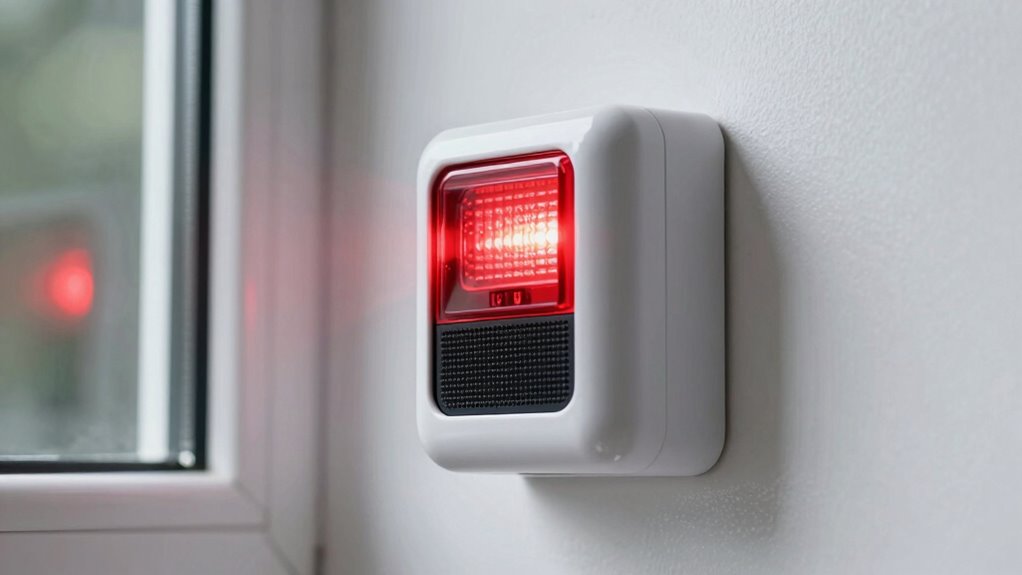

If your UV alarm goes off unexpectedly, it could be due to sensor contamination from dust or dirt, electrical issues like loose wiring or power fluctuations, or environmental factors such as direct sunlight or reflective surfaces nearby. These causes often trigger false alarms and shouldn’t be ignored. Regular maintenance and proper placement can help prevent this, but addressing issues promptly is key. Keep going to discover more tips on keeping your UV alarm reliable.
Key Takeaways
- Dirty or contaminated UV sensors can cause false alarms; regular cleaning is essential.
- Power supply fluctuations or loose wiring may trigger false UV alarm activations.
- Environmental factors like direct sunlight or reflective surfaces can lead to false triggers.
- Sensor degradation over time reduces accuracy, resulting in unnecessary alarms.
- Routine maintenance and professional inspection help identify and fix underlying issues.
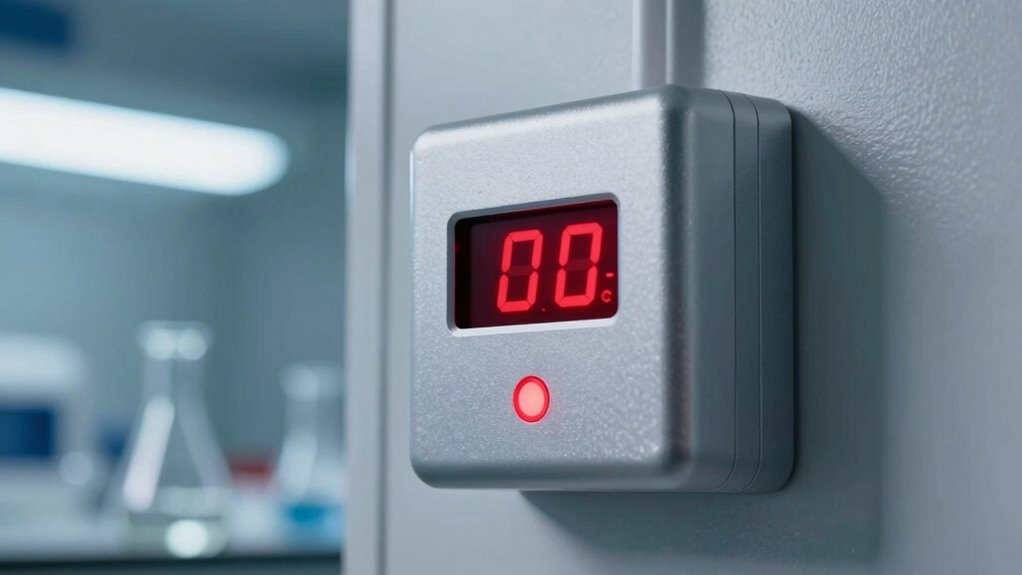
UV alarms can be triggered by a variety of causes, often related to exposure to ultraviolet light sources. When your alarm goes off unexpectedly, it’s essential to contemplate the underlying reasons rather than dismissing it as a false alarm. One common cause is UV sensor malfunctions. Over time, the sensor can become dirty or coated with dust, which hampers its ability to accurately detect UV rays. Even small particles or debris on the sensor’s surface can cause it to send false signals, making the alarm sound even if there’s no real danger. Additionally, UV sensors can degrade due to age or exposure to harsh environmental conditions, leading to faulty readings. If you notice your UV alarm frequently triggering without obvious UV exposure, inspecting and cleaning the sensor should be your first step. Replacing a faulty sensor might be necessary if cleaning doesn’t resolve the issue. Regular maintenance, including keeping the sensor clean, can help prevent false alarms caused by sensor contamination.
Power supply issues are another frequent culprit behind false alarms. UV alarms rely on a stable power source to function correctly. Fluctuations in voltage, loose wiring, or a failing power supply can cause the alarm to activate unexpectedly. For example, if the power supply is inconsistent, the alarm might interpret these fluctuations as UV light exposure, triggering false alarms. Similarly, a loose connection in the wiring can interrupt the alarm’s circuitry, causing it to malfunction or sound prematurely. If your UV alarm is plugged into an extension cord or a power strip, ensure the connection is secure and that the outlet provides consistent power. Sometimes, replacing or repairing the power supply can resolve these problems. It’s also wise to check for any visible damage on the wiring or the alarm unit itself.
Other factors that can cause your UV alarm to go off include environmental influences like direct sunlight or reflective surfaces that amplify UV rays. However, many of these issues are preventable or fixable by maintaining your device properly. Regularly inspecting the sensor for dirt, keeping the power connections tight, and ensuring the alarm is placed away from direct sunlight or reflective surfaces will go a long way. Remember, don’t ignore persistent alarms; they could be warning you of genuine UV exposure or malfunctioning equipment. Troubleshooting these common causes—sensor malfunctions and power supply problems—will help you determine whether your UV alarm is working correctly or needs professional attention. Addressing these issues promptly not only keeps your alarm functioning properly but also ensures your safety against harmful UV rays.
Frequently Asked Questions
How Often Should I Test My UV Alarm System?
You should test your UV alarm system at least once a month to make certain it’s working properly. Regular alarm testing helps confirm the UV bulb lifespan remains sufficient and that the alert system functions correctly. Don’t forget to replace the UV bulb as recommended by the manufacturer, usually every 12 months. Consistent testing and timely replacements keep your UV system effective and prevent unexpected alarms from going off without cause.
Can Environmental Factors Trigger False UV Alarm Alerts?
Environmental factors can indeed trigger false positives on your UV sensor, causing unnecessary alarm alerts. Things like sunlight, dust, or chemical fumes can interfere with the sensor’s accuracy. To prevent this, verify your UV sensor is properly shielded from direct sunlight and kept clean. Regular maintenance and calibration help minimize false alarms, so you’re not caught off guard by environmental triggers that aren’t related to actual UV hazards.
Is It Safe to Disable the UV Alarm Temporarily?
Think of your UV alarm as a vigilant guardian. Temporarily disabling it isn’t advisable, as it risks compromising UV safety. Instead, check if the alarm needs recalibration—sometimes it’s just a false alarm caused by environmental factors. Proper alarm calibration guarantees accurate readings, keeping you protected. If you must disable it, do so only briefly and with caution, then promptly restore it to maintain your safety shield.
What Maintenance Is Required to Keep the UV Alarm Functional?
To keep your UV alarm functional, you need regular UV lamp maintenance and alarm calibration. Check the UV lamp periodically for any signs of wear or dirt, and replace it according to the manufacturer’s guidelines. Additionally, calibrate the alarm as recommended to make sure it responds accurately to UV levels. Performing these steps helps prevent false alarms and ensures your UV system remains effective and safe.
How Long Does a Typical UV Alarm Last Before Replacement?
A typical UV alarm lasts about 12 to 18 months before needing replacement, depending on usage and maintenance. Keep an eye on the alarm indicator lights; they signal when the UV bulb’s lifespan is nearing its end. Regularly replacing the UV bulb ensures peak performance and prevents false alarms. By staying attentive to these indicator lights, you can maintain your UV system’s safety and efficiency effectively.
Conclusion
Think of your UV alarm as a vigilant lighthouse, guiding you safely through unseen dangers. When it blares, it’s like a lighthouse beam piercing through fog—warning you of hidden hazards. Ignoring it is like sailing into treacherous waters blindfolded. By understanding its causes, you can navigate safely and keep your environment secure. Don’t dismiss the warning—embrace it as your internal compass, guiding you away from unseen threats and toward clarity and safety.