
Before upgrading, ask about your system’s requirements to guarantee hardware, software, and future growth needs are met. Check compatibility with existing equipment, operating systems, and peripherals to avoid conflicts. Consider long-term sustainability and future-proofing options to protect your investment. Evaluate costs, including hidden expenses like training and support, and plan carefully to minimize disruptions. Want to discover more vital questions that can save your upgrade from complications? Keep exploring for expert insights.
Key Takeaways
- Will the upgrade meet current requirements and support future growth?
- Is the new system compatible with existing hardware, software, and peripherals?
- What are the long-term costs and potential hidden expenses involved?
- How will the upgrade impact daily operations and downtime?
- Have compatibility testing and support options been thoroughly evaluated?

Upgrading your equipment or systems can boost performance and efficiency, but without asking the right questions, it can also lead to wasted time and resources. Before diving into any upgrade, you need to understand the system requirements thoroughly. These requirements define what hardware, software, or components are necessary for the new system to function properly. Ignoring this step might result in choosing an upgrade that’s incompatible or underpowered, which can cause delays or additional costs. Ask yourself if the new system meets your current needs and future growth plans. Are the specifications aligned with your workload? Will the hardware support the latest software updates? Clarifying these points helps prevent bottlenecks and guarantees your investment delivers the expected benefits.
Compatibility considerations are equally important. Even if the new equipment or software meets the system requirements, it needs to work seamlessly with your existing environment. Compatibility issues often arise when hardware interfaces, operating systems, or peripheral devices don’t align. For example, an upgrade might require specific ports, drivers, or firmware versions. Failing to verify compatibility can lead to hardware conflicts, software crashes, or integration problems. You should check whether the new components are compatible with your current infrastructure and whether any other systems need to be upgraded beforehand. This reduces the risk of unforeseen issues that can halt productivity. Additionally, understanding system compatibility can help you plan for future upgrades more effectively. Incorporating compatibility testing into your planning process can further reduce potential disruptions and ensure a smoother transition. Conducting thorough compatibility assessments can also help identify potential issues early, saving time and resources later on. Moreover, considering the long-term sustainability of the upgrade can help ensure your investment remains valuable over time. Recognizing the importance of future-proofing can assist in selecting solutions that will adapt to evolving technology standards.
Another key aspect is evaluating the total cost of ownership. Upgrades often come with hidden costs, such as training staff, additional maintenance, or future upgrades. Ask whether the expected performance improvements justify the investment. Are there ongoing expenses, like licensing or support contracts, that could outweigh the benefits? Understanding these financial implications upfront helps you make informed decisions and avoid surprises down the line.
You should also consider the timeline for the upgrade. Will it disrupt your daily operations? Planning for minimal downtime is vital, especially if your business relies heavily on continuous system availability. Ask whether the upgrade can be scheduled during off-peak hours or phased in gradually to reduce impact. Proper planning ensures a smoother transition and allows your team to adapt without significant stress.
Finally, don’t forget to evaluate the vendor’s support and warranty options. Will they provide timely assistance if something goes wrong? Knowing the level of support available can save you headaches later. Asking these questions before the upgrade ensures you’re making a well-informed choice, maximizing the chances of a successful, cost-effective, and seamless shift.

Manalete Thread Checker, Nut and Bolt Thread Checker, Screw Size and Thread Identifier Gauge with Standard & Metric & Drill Bit Gauges, Bolt Size Finder for Quickly Identify Thread Sizes
Precision Thread Checker Tool: Our nut and bolt thread checker quickly identifies 30 different sizes of bolts and…
As an affiliate, we earn on qualifying purchases.
As an affiliate, we earn on qualifying purchases.
Frequently Asked Questions
How Will This Upgrade Impact Existing Workflows and Processes?
You need to take into account how this upgrade might cause workflow disruption and affect process integration. It could slow down daily operations or require retraining staff. To minimize issues, evaluate how smoothly the new system fits into your existing processes. Plan for potential adjustments and make sure your team understands changes. By doing so, you’ll better manage workflow disruption and maintain seamless process integration during the upgrade.
Are There Hidden Costs Associated With This Upgrade?
You should definitely perform a thorough cost analysis to uncover any hidden fees linked to this upgrade. Hidden costs often include ongoing maintenance, training, or unexpected technical support charges that aren’t obvious upfront. By asking detailed questions about pricing structures and reviewing your contract carefully, you can identify potential hidden fees and guarantee the upgrade remains within your budget, avoiding surprises down the line.
What Training or Support Will Be Needed Post-Upgrade?
You’ll need post-upgrade training and support, of course—because who doesn’t love learning new systems? Expect to allocate time and resources for support needs, especially if updates are complex. You might find yourself asking if your team is prepared for the learning curve or if additional training sessions are necessary. Planning this in advance guarantees smooth adoption, saving you frustration and downtime once the upgrade’s finally implemented.
How Compatible Is This Upgrade With Current Hardware and Software?
You need to assess how compatible this upgrade is with your current hardware and software. Compatibility concerns can lead to issues like software integration problems or hardware failures, so it’s vital to test thoroughly before proceeding. Check vendor documentation and user reviews to guarantee smooth operation. If compatibility isn’t clear, consider updating your existing systems or seeking expert advice to avoid disruptions and maximize the upgrade’s benefits.
What Are the Long-Term Benefits and Potential Risks of This Upgrade?
Isn’t it true that every upgrade is a gamble on the future? You should weigh the long-term benefits like improved performance and enhanced user experience against potential risks such as cost overruns or compatibility issues. Conduct a thorough cost analysis to guarantee the upgrade aligns with your budget. By doing this, you safeguard your system’s stability and maximize returns, transforming uncertainty into an informed, strategic decision.
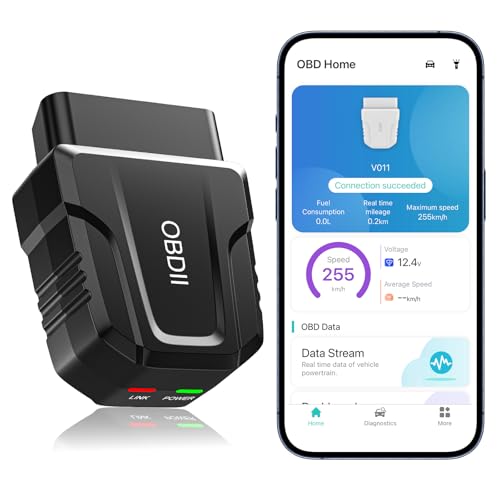
OBD2 Scanner Reader Bluetooth Wireless Auto Diagnostic Scan Tool for iOS & Android for Performance Test Bluetooth 5.4 Car Check Engine Car Code Reader, Clear Error Code Live Data Reset Exclusive APP
【Comprehensive Performance Testing】V011 OBD2 Scanner provides a complete diagnostic solution, giving you a thorough understanding of your vehicle's…
As an affiliate, we earn on qualifying purchases.
As an affiliate, we earn on qualifying purchases.
Conclusion
Before you set out on any upgrade, remember, it’s like planting a seed. Ask the right questions to nurture growth and avoid weeds of regret. With each careful step, you’re tending a garden of progress, where insights are the sunlight and planning, the water. When you pause to reflect, you’re choosing to be the gardener, guiding your future to bloom beautifully. So, question wisely — your upgrade’s future depends on it.

INTELLIGENT RESOURCE MANAGEMENT SYSTEMS: Asset optimization operational visibility and performance improvement
As an affiliate, we earn on qualifying purchases.
As an affiliate, we earn on qualifying purchases.

Second Handbook of Information Technology in Primary and Secondary Education (Springer International Handbooks of Education)
As an affiliate, we earn on qualifying purchases.
As an affiliate, we earn on qualifying purchases.