
To spot under-treated well water fast, pay attention to strange tastes like metallic or rotten smells, cloudiness, or discoloration. Notice if soap doesn’t lather well or leaves a film, indicating high minerals. Watch for skin irritations or stomach issues after use, which suggest bacterial contamination. Visual cues and odd odors are early warning signs, but regular testing and maintenance are key for safety. Keep exploring to learn more ways to protect your water quality.

Get home appliances delivered free — and shop member deals
- Fast, free delivery on millions of items
- Access to Prime Big Deal Days deals on October 6–7
- Prime Video, Amazon Music and more included
Key Takeaways
- Notice sudden changes in water taste or smell, such as rotten eggs or metallic odors.
- Observe water for cloudiness, discoloration, or sediment buildup.
- Test for high mineral content if soap doesn’t lather well or leaves films.
- Watch for skin irritation or gastrointestinal issues after water use.
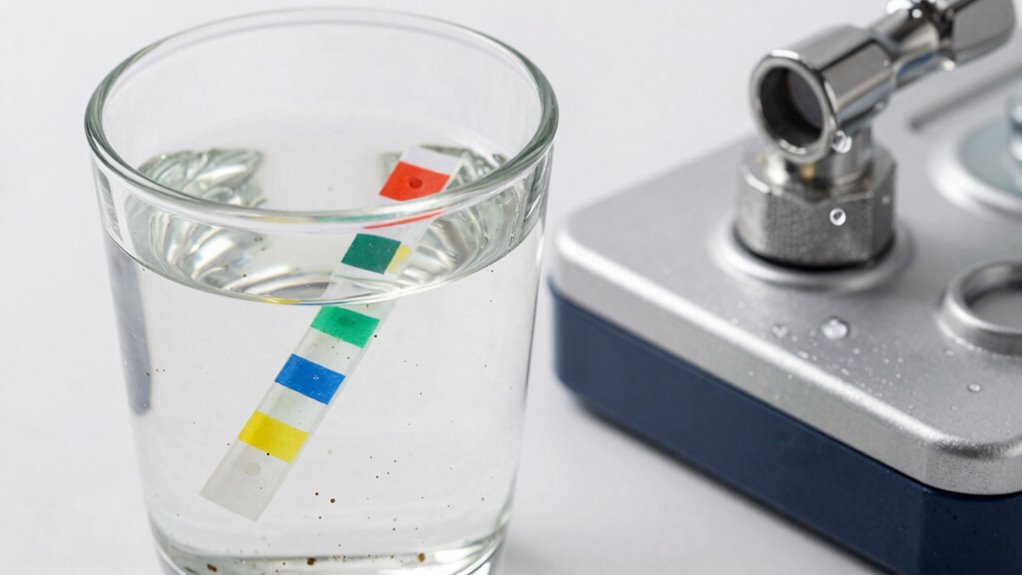
- Regularly conduct water tests for bacteria, nitrates, and other contaminants.
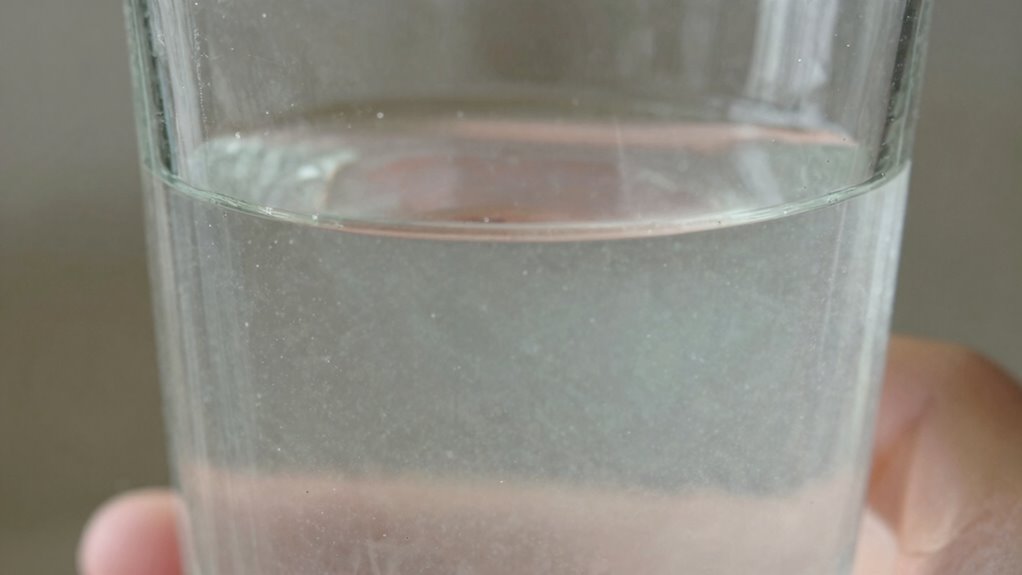
If you rely on well water, it’s essential to recognize the signs of under-treatment before health issues arise. Well water contamination can occur without obvious visual cues, making it vital to stay alert to subtle changes in your water quality. One of the first signs is a strange taste or odor—metallic, sulfuric, or rotten egg smells often point to bacteria or chemical contamination. If your water suddenly tastes different or has an unusual smell, it’s a clear indicator that your well may need better treatment or maintenance. Additionally, cloudiness or discoloration, like a brownish tint, can signal the presence of iron, manganese, or other sediments, which might not be fully addressed if your current water treatment options are outdated or insufficient.
Recognize signs of well water issues early to prevent health risks and ensure safe, clean water.
You should also pay attention to your water’s clarity and how it reacts with soap. If your soap doesn’t lather well or leaves a film, it could be due to high mineral levels, such as calcium or magnesium, which are common in untreated well water. These minerals might not cause immediate health issues but can lead to long-term pipe damage and appliance wear if not properly managed. Regular tests can reveal bacteria, nitrates, or other harmful contaminants lurking in your well water—many of which aren’t visible but pose serious health risks, especially to young children and pregnant women. Bacterial contamination is a common issue in untreated well water that can be detected through testing but often goes unnoticed without proper analysis.
Another key indicator is skin irritation or gastrointestinal issues after using your water. Persistent rashes, stomach upset, or other health symptoms could be linked to bacteria, viruses, or chemical pollutants not eliminated by your current water treatment system. If you notice these health-related signs, it’s time to contemplate upgrading your water treatment options. There are various systems designed to target specific contaminants—such as UV purification, activated carbon filters, or reverse osmosis—that can markedly improve your water quality when properly installed and maintained. Staying informed about well water testing procedures and results can help you better understand potential risks and necessary improvements. Moreover, proper maintenance of your water treatment systems ensures their effectiveness over time, reducing the likelihood of contamination issues.
Furthermore, understanding the types of contamination commonly found in well water can guide you in selecting the most effective treatment methods. Lastly, don’t overlook the importance of regular testing even if your water seems fine. Well water might appear clean, but contamination can develop gradually over time. Frequent testing helps you identify problems early, giving you the opportunity to implement appropriate water treatment options before contamination worsens or causes health issues. Investing in a comprehensive water analysis can provide a clearer picture of your water’s quality and help you take targeted action. Staying proactive with testing and maintenance ensures your well water remains safe and clean, preventing problems before they become serious and protecting your health and home.
As an affiliate, we earn on qualifying purchases.
Frequently Asked Questions
Can Under-Treated Well Water Cause Health Problems?
Yes, under-treated well water can cause health problems. It may contain contamination sources like bacteria, viruses, or chemicals, leading to health risks such as gastrointestinal illnesses or long-term health issues. By testing your water regularly, you can spot signs of contamination early. If untreated, these hazards can affect your health, so it’s crucial to make sure proper water treatment is in place and avoid drinking water with potential contamination sources.
How Often Should I Test My Well Water?
Think of your well water as a silent guardian—you must check on it regularly. You should test your well water at least once a year, or more often if you notice changes. Water contamination can sneak in, making treatment methods essential to keep your water safe. Regular testing helps catch issues early, ensuring your well remains a reliable source of clean, healthy water. Stay vigilant—your health depends on it.
Are There Specific Signs in Appliances Indicating Water Issues?
You might notice appliance corrosion or unusual water taste as signs of water issues. Appliance corrosion occurs when mineral buildup or corrosive elements damage your appliances, indicating water quality problems. An unusual water taste, like metallic or sulfuric flavors, suggests contaminants or under-treatment. Pay close attention to these signs, as they can help you identify under-treated well water early, preventing further damage and ensuring your water remains safe and clean.
What Is the Cost of Professional Water Testing?
Think of professional water testing as hiring a detective for your water’s health. The cost varies, typically between $200 and $600, depending on testing methods and lab complexity. These experts analyze water quality, using precise testing methods to detect contaminants. Investing in professional testing guarantees you get accurate results, helping you identify issues early and keep your water safe. It’s a small price for peace of mind and healthy drinking water.
Can I Treat Well Water Myself Effectively?
Yes, you can treat well water yourself effectively with DIY treatment methods, but it requires careful research and proper equipment. Start with basic water purification techniques like installing a filtration system or using chemical disinfectants to eliminate bacteria and contaminants. Regular testing is essential to guarantee safety. While DIY treatment is feasible, consulting professionals for thorough testing and advanced purification options can help prevent health issues and guarantee clean, safe water.
As an affiliate, we earn on qualifying purchases.
Conclusion
Regularly testing your well water is essential—did you know over 15 million Americans rely on private wells, yet many don’t test annually? Spotting signs of under-treatment early can prevent health issues and costly repairs. Keep an eye out for strange odors, discoloration, or unusual tastes. By staying vigilant and testing regularly, you guarantee safe, clean water for your family. Don’t wait—take action now and protect your well’s health before small problems turn into big ones.
UV water purifier for well water
As an affiliate, we earn on qualifying purchases.
As an affiliate, we earn on qualifying purchases.
As an affiliate, we earn on qualifying purchases.
NFL season / tailgating Picks
team gear
As an affiliate, we earn on qualifying purchases.