

You can use smell, stain, and scale as a quick diagnostic trio by regularly observing your mouth’s odors, visible stains, and tartar buildup. Notice any bad breath or unusual smells, as these can signal bacterial issues. Check for visible stains caused by foods or habits, which often indicate plaque. Examine your teeth for tartar or hardened deposits near the gum line. Keeping an eye on these signs helps catch early problems; explore further to understand how these cues interact.

Get home appliances delivered free — and shop member deals
- Fast, free delivery on millions of items
- Access to Prime Big Deal Days deals on October 6–7
- Prime Video, Amazon Music and more included
Key Takeaways
- Observe odor changes to identify potential bacterial infections or hygiene issues early.
- Assess stain locations and colors to pinpoint plaque buildup and areas needing cleaning.
- Examine tartar deposits for hardness and extent, indicating the duration of plaque accumulation.
- Use combined cues to evaluate overall oral health and identify regions at risk for disease.
- Implement targeted cleaning or seek professional care based on these visual and olfactory indicators.
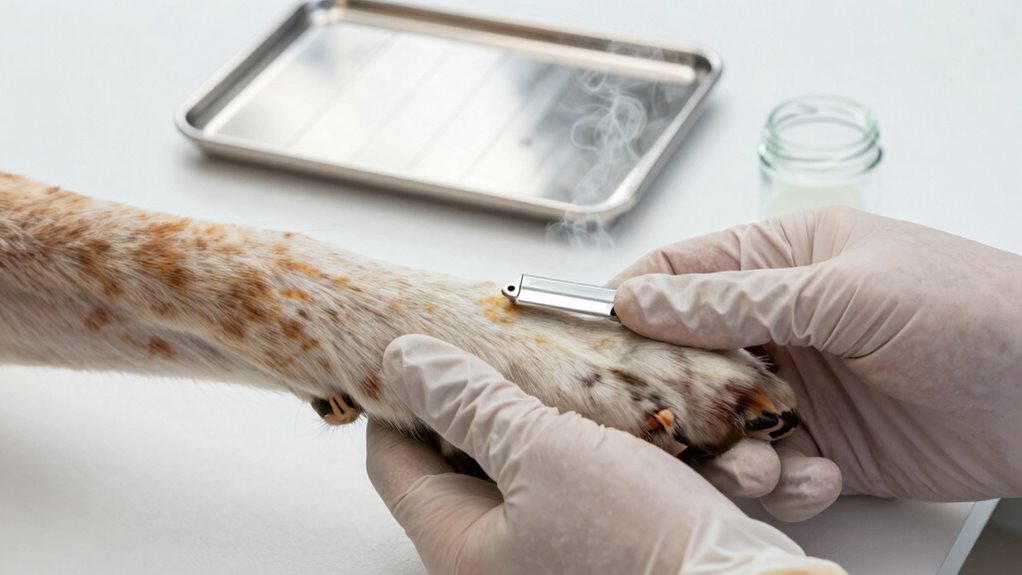
Understanding the condition of a system or environment often begins with simple, immediate observations—specifically, its smell, stain, and scale. When examining oral health, these cues can reveal a lot about what’s happening inside your mouth. Your sense of smell can detect underlying issues, such as bad breath caused by an imbalance in your oral microbiome or the presence of infection. A foul odor often indicates that harmful bacteria are thriving, producing sulfur compounds that linger even after brushing. Recognizing this early can prompt you to assess your oral hygiene routine or seek professional advice.
Stains on teeth serve as visual indicators of what’s accumulating on the surface. They can be caused by foods, beverages, tobacco, or even certain medications, but they also point to deeper problems like plaque buildup. Dental plaque formation begins when bacteria in your mouth adhere to the tooth surface, creating a sticky film that traps food particles and minerals. Over time, this biofilm matures, hardening into tartar if not removed properly. The presence of visible stains often correlates with areas where plaque has accumulated, making it easier to identify spots that need attention. Paying close attention to these stains helps you understand where plaque might be hiding, even in hard-to-reach areas. Regular oral hygiene practices can help prevent plaque accumulation and its associated problems.
Scale, or tartar, appears as hardened deposits on your teeth when plaque isn’t regularly cleaned away. It’s rough, yellowish, or brownish and often found along the gum line. The formation of scale signals that plaque has been left undisturbed long enough to mineralize. This mineralization process is a vital indicator, as it shows your mouth’s environment favors bacterial growth and mineral deposits. Recognizing scale visually prompts you to think about more thorough cleaning methods or professional dental care to remove these deposits and prevent further complications, like gingivitis or periodontal disease. In addition, environmental factors such as diet and oral hygiene habits can influence the rate of scale formation. Understanding environmental factors that contribute to plaque and tartar formation can help in developing better preventative strategies. Additionally, consistent oral hygiene can slow or prevent the formation of scale altogether.
electric toothbrush with plaque detection
As an affiliate, we earn on qualifying purchases.
As an affiliate, we earn on qualifying purchases.
Frequently Asked Questions
Can Smell, Stain, and Scale Be Used for All Types of Equipment?
Smell, stain, and scale can’t be used for all equipment types due to equipment limitations, which affect diagnostic accuracy. Some tools may not emit detectable odors, or stains and scale might not develop clearly, making assessments unreliable. You need to take into account the specific equipment and its material compatibility. For best results, combine these methods with other diagnostics to guarantee accurate, thorough evaluations across different equipment types.
What Safety Precautions Are Necessary When Diagnosing With These Methods?
This is no small task—you need to be as vigilant as a hawk when diagnosing with smell, stain, and scale. Always wear proper personal protective equipment, like gloves and masks, to shield yourself from harmful chemicals. Follow chemical safety protocols meticulously, ensuring good ventilation and proper handling. Never ignore safety guidelines, because safeguarding your health is the most important part of accurate diagnostics.
How Often Should These Diagnostic Techniques Be Performed?
You should perform these diagnostic techniques regularly, ideally during scheduled maintenance or whenever sensor calibration indicates potential issues. Consistent testing helps catch problems early. Make certain you’re trained properly, as technician training ensures accurate interpretation of smell, stain, and scale signs. Regular assessments enhance reliability and safety, so establish a routine based on equipment type and operational demands. This proactive approach keeps diagnostics effective and your system running smoothly.
Are There Specific Environmental Conditions That Affect These Diagnostics?
Environmental impact and ambient conditions profoundly influence your diagnostics. High humidity can cause scale buildup, while poor ventilation may affect smell detection accuracy. Temperature fluctuations can alter stain visibility and scent perception. To guarantee reliable results, perform diagnostics in stable environments with controlled humidity and temperature. Avoid areas with strong odors or pollutants, as these can skew your findings and lead to inaccurate diagnoses, compromising your assessment’s effectiveness.
Can These Methods Identify All Types of Mechanical Failures?
These methods can’t identify all types of mechanical failures. Chemical analysis helps detect material degradation, while acoustic testing uncovers internal defects or cracks. Smell, stain, and scale can indicate specific issues but may miss subtle or early-stage problems. To get an all-encompassing diagnosis, you should combine these techniques with other tools like vibration analysis or thermal imaging, ensuring you catch a wide range of mechanical failures effectively.
As an affiliate, we earn on qualifying purchases.
Conclusion
By honing your senses to smell, stain, and scale, you can become as skilled as a detective piecing together clues. These diagnostic tools act like a three-legged stool—each supports your understanding of underlying issues. Trust your nose, observe stains carefully, and note scale formations; together, they give you a clearer picture of the problem at hand. Mastering this trio turns an ordinary inspection into a sharp, insightful investigation, guiding you toward effective solutions.
As an affiliate, we earn on qualifying purchases.
As an affiliate, we earn on qualifying purchases.
NFL season / tailgating Picks
team gear
As an affiliate, we earn on qualifying purchases.