To treat sulfur smells, oxidation options are effective because they break down sulfur compounds like hydrogen sulfide into less offensive substances. Agents such as ozone or chlorine dioxide are commonly used to directly react with and neutralize the odor-causing molecules. Proper application guarantees the odor is eliminated at the source, preventing it from lingering. If you want to explore these oxidation strategies further, you’ll find useful insights on how to choose and use them effectively.
Key Takeaways
- Oxidation treatments, such as chlorine dioxide or ozone, chemically convert hydrogen sulfide into less odorous substances.
- These agents react directly with sulfur compounds to neutralize persistent sulfur or rotten egg smells.
- Proper application ensures comprehensive oxidation of sulfur gases, preventing odor recurrence.
- Oxidation is effective for both residential and industrial odor control, providing long-lasting results.
- Combining oxidation with air purification methods enhances overall effectiveness in eliminating sulfur odors.
If you’re dealing with a persistent sulfur or rotten egg smell, it can be both irritating and disruptive to daily life. You might notice it lingering in your home, making the air feel heavy and unclean. Fortunately, there are effective oxidation options that address the root cause of the smell, helping you restore fresh air. One of the key strategies involves odor absorption, where specific treatments trap or neutralize sulfur compounds before they spread. This process often pairs with air purification techniques to improve overall indoor air quality, removing not just the smell but also other airborne pollutants.
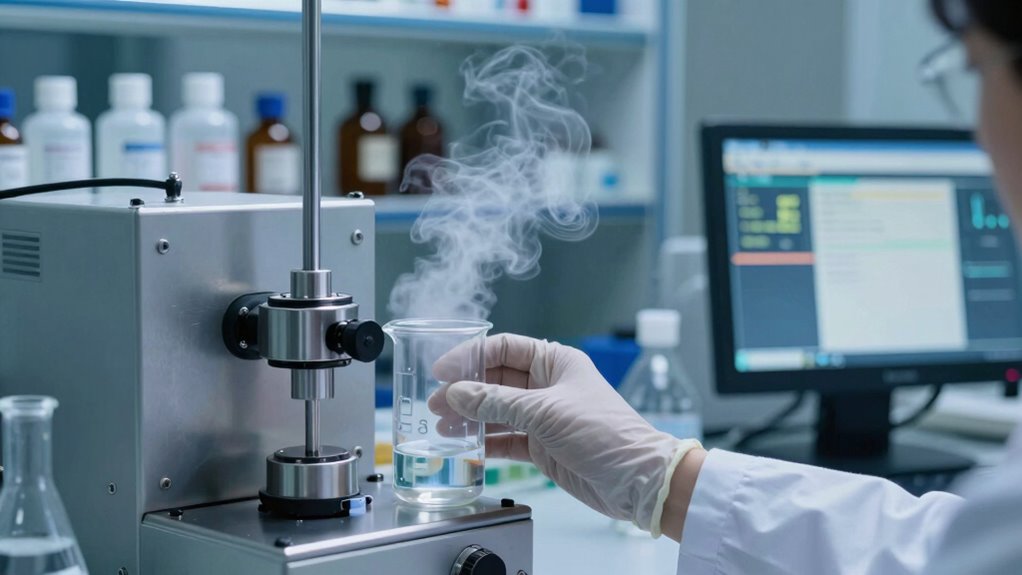
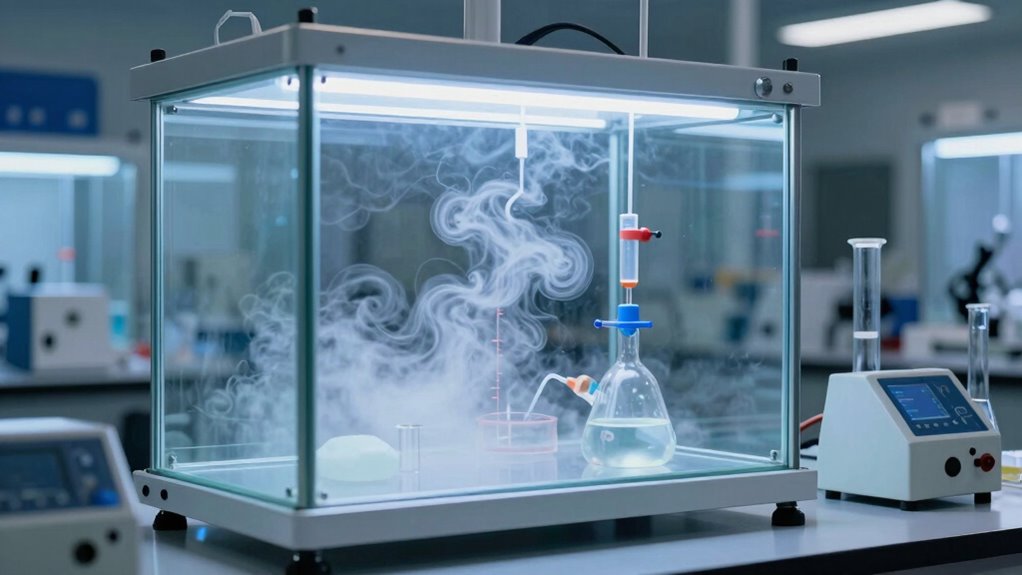
Oxidation treatments target the sulfur compounds directly, converting them into less offensive substances. For example, using oxidizing agents like chlorine dioxide or ozone helps break down hydrogen sulfide—the primary culprit behind rotten egg odors—into inert molecules. When these chemicals are introduced into the air or water, they react with the sulfur compounds, neutralizing the smell at its source. This method not only eliminates the odor but also prevents it from recurring, making it a popular choice for both residential and industrial settings. Proper application guarantees that the treatment reaches all areas affected by sulfur, creating a cleaner and more pleasant environment.
Oxidation with agents like chlorine dioxide or ozone neutralizes sulfur compounds at their source.
In addition to chemical oxidation, air purification devices equipped with activated carbon filters or advanced catalytic technologies can substantially reduce sulfur smells. These systems work by absorbing odor molecules, trapping them within their porous surfaces. Over time, these filters can be replaced or regenerated, maintaining their odor-absorbing capacity. When combined with oxidation treatments, air purification offers a thorough approach—oxidation actively destroys sulfur compounds, while purification removes residual particles and improves overall air quality. This dual approach ensures that the air you breathe feels fresher and healthier, especially in spaces where sulfur odors are persistent.
Understanding the importance of proper ventilation is also vital. Increasing airflow helps disperse sulfur gases, reducing their concentration in indoor spaces. Ventilation, combined with oxidation and absorption techniques, creates a multi-layered defense against odors. Whether you’re dealing with a minor smell or a severe case, these methods work together to restore your environment. Remember, addressing sulfur odors isn’t just about masking the smell; it’s about eliminating the source and ensuring that your air purification efforts are effective. With the right combination of oxidation options and odor absorption strategies, you can enjoy a cleaner, fresher space free of unwelcome sulfur scents. Additionally, incorporating advanced European cloud servers can support smart environmental monitoring and control systems that optimize air treatment processes in real-time.
Frequently Asked Questions
Can Sulfur Smell Treatment Be Used in Outdoor Environments?
Yes, sulfur smell treatment can be used in outdoor environments. You should focus on outdoor ventilation to disperse odors effectively and consider chemical neutralization options to target sulfur compounds directly. Using oxidation methods outdoors allows for better air circulation, reducing the smell quickly. Just make certain you apply the treatment safely, following manufacturer guidelines, to prevent any environmental impact or health hazards while neutralizing sulfur odors efficiently.
Are There Natural Remedies for Sulfur Odor Removal?
You might wonder if natural remedies can eliminate sulfur odors. While some home remedies like baking soda or activated charcoal can absorb smells, they may not fully neutralize strong sulfur scents. Using air purifiers with activated carbon filters can effectively remove sulfur odors from your space. Trust that combining these natural options with proper ventilation often provides a more thorough solution, helping you breathe easier without harsh chemicals.
How Long Does Sulfur Smell Treatment Typically Last?
The duration of sulfur smell treatment varies, but typically, it lasts from a few hours to several days, depending on the method used. You’ll want to focus on odor absorption and chemical neutralization to guarantee effective results. Regularly ventilate the area and use appropriate neutralizers to speed up the process. For persistent odors, reapplication or combining treatments might be necessary to fully eliminate the sulfur smell.
Is Sulfur Odor Treatment Safe for Pets and Children?
Sulfur odor treatment can be safe for pets and children if you choose the right oxidation method and follow the manufacturer’s instructions carefully. You should prioritize chemical safety by ensuring proper ventilation and avoiding direct contact with chemicals. Keep pets and children away during treatment and for a specified period afterward. Always opt for products labeled as pet-safe and non-toxic, and consult professionals if you’re unsure about the safety of any treatment.
What Are the Costs Associated With Professional Sulfur Smell Removal?
Think of professional sulfur smell removal costs as an investment in fresh air. You’ll typically spend between $200 and $800, depending on the severity and size of the space. A cost comparison shows that hiring a professional service might be pricier upfront, but it guarantees thorough oxidation and lasting results. This way, you avoid repeated treatments and breathe easier knowing the job’s done right the first time.
Conclusion
To eliminate sulfur smells, oxidation offers effective options—transforming foul odors into harmless compounds. You can choose chemical treatments or natural methods, each with their own advantages. While some solutions act quickly, others require patience and consistency. The goal is to neutralize the smell, not just mask it. So, whether you prefer a swift fix or a gentle approach, remember: oxidation turns the offensive into the acceptable, bringing freshness where there was once foulness.