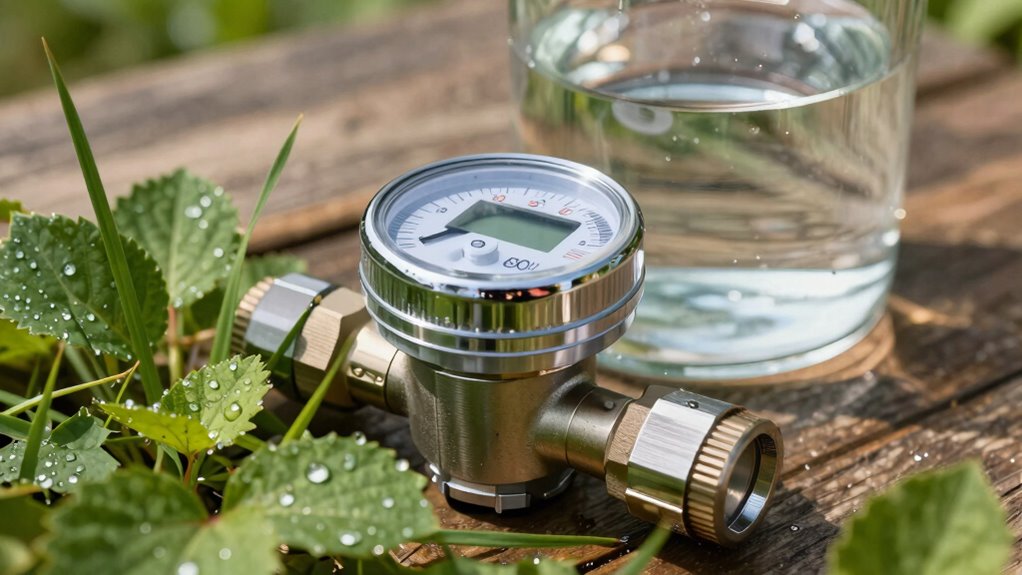

To prioritize water upgrades smartly, start by evaluating your current infrastructure for aging, leak-prone areas, and high-waste components. Secure funding through government grants and explore modern tech like sensors and automation to detect issues early. Focus on vulnerable zones with the highest risk of failure or health hazards. Engage stakeholders for support and develop a strategic plan that balances efficiency, safety, and future growth. Keep going to discover more about creating a resilient water system.

Get home appliances delivered free with Prime
- Fast, free delivery on millions of items
- Prime Video, Amazon Music and more included
- Member-only deals all year
Key Takeaways
- Conduct comprehensive assessments to identify aging, leak-prone, and high-impact infrastructure components needing urgent upgrades.
- Use data from sensors and automation to prioritize areas with the highest risk of failure or health hazards.
- Secure targeted funding through grants and government programs to make cost-effective upgrades feasible.
- Focus on vulnerable zones and flood-prone areas to mitigate risks and protect public health.
- Engage stakeholders and experts to develop a transparent, strategic plan balancing conservation, safety, and sustainability.
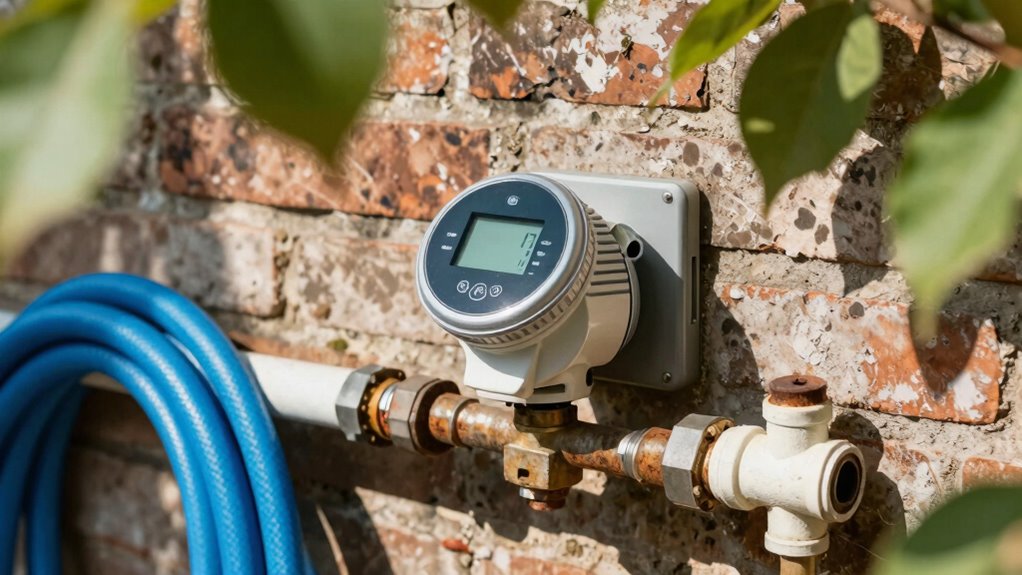
Have you ever wondered where to begin when upgrading your water system? It can feel overwhelming with so many components to evaluate and limited resources to allocate. The key to making the smartest decisions is to approach the upgrade process strategically, focusing on maximizing benefits while minimizing costs. Start by examining your current infrastructure thoroughly. Identify which parts of your water system are aging, inefficient, or prone to leaks. Upgrading these areas first can greatly improve water conservation efforts, reducing waste and lowering long-term costs. Prioritizing water conservation isn’t just good for the environment; it also makes economic sense. By reducing unnecessary water usage, you decrease the strain on your existing infrastructure, which can delay costly repairs or replacements down the road. Implementing water conservation strategies can further enhance your system’s efficiency and sustainability.
Start by assessing your infrastructure to prioritize aging and leaky components for cost-effective water conservation.
Once you’ve reviewed your system, think about how infrastructure funding plays a role in your upgrade plan. Securing funding from government grants, state programs, or federal aid can make critical upgrades more feasible. Look for opportunities that support sustainable water projects or infrastructure improvements aimed at increasing efficiency. These funds can help offset the costs of replacing outdated pipes, installing new meters, or implementing smart water management systems. When planning your upgrades, keep in mind that investing in modern technology—such as sensors and automated controls—can provide real-time data on water usage, helping you identify leaks early and optimize your system’s performance. Additionally, exploring smart technology adoption can lead to significant long-term savings and operational improvements. Incorporating innovative solutions can also help future-proof your infrastructure against evolving challenges. Recognizing the importance of biodiversity in water ecosystems can further inform sustainable practices, ensuring your water system supports local environmental health.
Another smart move is to prioritize upgrades based on risk and impact. Focus on areas where failures could lead to serious health hazards or service disruptions. These upgrades might include replacing aging pipes in vulnerable zones or reinforcing infrastructure in flood-prone areas. By doing so, you protect public health and ensure reliable water delivery, which is essential for community well-being. Incorporating risk management into your planning is crucial for addressing potential vulnerabilities proactively. Additionally, consider the potential for future growth. Planning upgrades that accommodate expanding populations or increased demand helps you avoid repeated, costly overhauls.
Throughout this process, communication and collaboration are crucial. Engage stakeholders—residents, local officials, and experts—to gather insights and build support. Transparent planning ensures everyone understands the importance of prioritizing upgrades that deliver the greatest impact. Remember, a well-planned approach that balances water conservation, infrastructure funding, and risk management ensures your water system becomes more efficient, resilient, and sustainable for years to come. By taking these steps, you’re making smart choices that save water, money, and time, setting a solid foundation for future upgrades.
As an affiliate, we earn on qualifying purchases.
Frequently Asked Questions
How Often Should Water System Assessments Be Conducted?
You should conduct water system assessments at least annually, aligning with your maintenance schedules. Regular water testing helps identify issues early, guaranteeing your system stays safe and efficient. More frequent assessments might be necessary if you notice changes in water quality or after major system repairs. By staying proactive with assessments, you maintain compliance, prevent costly problems, and ensure consistent water quality for users.
What Are the Signs of Urgent Water System Upgrades?
You’ll notice signs of urgent water system upgrades when water quality declines, such as discoloration, odor, or sediment presence, which could indicate contamination or corrosion. Reduced system efficiency, like frequent repairs, low pressure, or increased energy use, also signals that your system needs urgent attention. Addressing these issues promptly helps safeguard water safety, improve system performance, and prevent costly breakdowns, ensuring reliable access to clean, high-quality water.
How Do Budget Constraints Affect Upgrade Priorities?
Budget constraints considerably influence your upgrade priorities by limiting available funds, requiring careful budget allocation. You need to focus on essential upgrades that address critical issues first, ensuring safety and compliance. Effective upgrade planning helps you maximize limited resources, identifying cost-effective solutions. By prioritizing upgrades based on urgency and impact, you make the best use of your budget, ensuring crucial improvements happen without overspending.
Are There Grants Available for Water Infrastructure Improvements?
Absolutely, there are grants available for water infrastructure improvements. Think of grant opportunities as hidden treasures waiting to be uncovered. You should explore federal, state, and local funding strategies that support water projects. These grants can substantially ease budget constraints, enabling you to prioritize essential upgrades. Keep an eye on agencies like the EPA or USDA, and consider partnering with local organizations to maximize your chances of securing these valuable funds.
How Can Residents Participate in Water Upgrade Decisions?
You can participate in water upgrade decisions by engaging in community meetings and staying informed through public awareness campaigns. Attend local hearings, voice your opinions, and ask questions about upcoming projects. Your involvement helps shape priorities and guarantees your concerns are heard. By actively participating in community engagement, you contribute to smarter, more effective water infrastructure improvements, benefiting everyone and promoting sustainable water management practices.
As an affiliate, we earn on qualifying purchases.
Conclusion
By now, you see that prioritizing water upgrades isn’t just a task—it’s your secret weapon against chaos. As you carefully rank your needs, you’re wielding the power to turn your water system into an unstoppable force of efficiency and sustainability. Think of it as tuning a finely crafted instrument—every upgrade brings you closer to harmony. With smart planning, you’ll transform your water system into a marvel that outshines even the most legendary innovations.
As an affiliate, we earn on qualifying purchases.
As an affiliate, we earn on qualifying purchases.
Cold & flu season Picks
humidifiers
As an affiliate, we earn on qualifying purchases.