
Maintenance-free claims often hide hidden costs and environmental impacts that can catch you off guard. You might face expensive replacements, repairs, or upgrades over time, which these systems don’t emphasize upfront. They can also generate waste and rely on chemicals or proprietary parts that harm the environment. Relying solely on convenience may lead to unexpected expenses and ecological damage. If you want to understand how to make smarter, more sustainable choices, there’s more to uncover.
Key Takeaways
- Maintenance-free claims often mask hidden costs like replacement parts, filters, or upgrades over the system’s lifespan.
- Many systems rely on disposable filters or chemicals, generating ongoing waste and environmental impact.
- Short-term convenience claims can lead to higher long-term expenses and reduced system durability.
- Systems requiring some maintenance tend to be more reliable and environmentally sustainable over time.
- A thorough evaluation of total lifecycle costs and environmental effects ensures better, informed water treatment choices.
Many maintenance-free water treatment claims promise hassle-free solutions, but the truth is often more complex. When you hear about systems that require little to no upkeep, it’s easy to assume they’ll save you time and effort. However, the reality is that these systems often come with hidden cost implications. They might seem economical at first, but maintenance-free doesn’t mean maintenance-free forever. Over time, you could face significant expenses for replacement parts, specialized filters, or upgrades to keep the system functioning properly. These costs can add up quickly, especially if the system isn’t as durable or effective as initially advertised. It’s vital to understand that a low-maintenance claim might shift your financial burden from regular upkeep to unexpected repairs or replacements down the line. Additionally, many systems rely on proprietary components, which can make repairs more costly and limit your options for maintenance or replacement. Recognizing that some systems are designed with short-term convenience in mind can help you prioritize long-term resilience and sustainability.
Beyond costs, you should also consider the environmental impact of these so-called maintenance-free solutions. Many systems rely on chemical additives, single-use filters, or proprietary components that generate waste. While they may boast about reducing your ongoing maintenance efforts, they might increase your environmental footprint. For example, frequent filter replacements contribute to landfill waste, and chemical treatments can have unintended consequences for local ecosystems if not properly managed. Some systems may also consume more energy than traditional methods, adding to your carbon footprint. If environmental sustainability matters to you, it’s worth scrutinizing whether a maintenance-free claim aligns with eco-friendly practices or simply shifts the environmental burden elsewhere. Furthermore, long-term sustainability should be a key factor in evaluating these claims, as short-term convenience often overshadows ongoing environmental costs. Understanding the full lifecycle of these systems helps you make more environmentally responsible choices.
You might be tempted by the allure of a system that promises no hassle, but it’s essential to analyze what that really means. Companies often highlight the ease of use, but gloss over the long-term implications. A truly effective water treatment system should balance upfront costs, ongoing maintenance, environmental considerations, and overall durability. Relying solely on claims of being maintenance-free can leave you unprepared for unexpected expenses or environmental impacts. Instead, take the time to research and consider systems that, while requiring some maintenance, are designed for longevity and eco-conscious operation. That way, you’ll make a more informed decision that benefits your wallet and the planet in the long run. Remember, no system is entirely maintenance-free, and understanding the full picture helps you avoid surprises and ensures your water treatment remains reliable and sustainable.
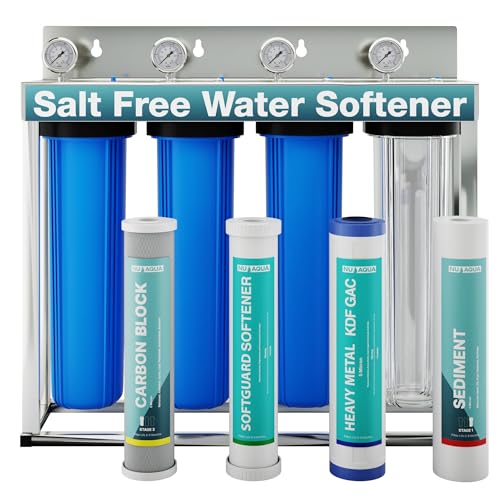
NU Aqua 4-Stage Salt Free Water Softener Whole House Water Filter System
- Salt-Free Softening Technology: Reduces scale without salt, preserves minerals
- Heavy Metal Reduction: Filters out lead, mercury, arsenic
- Whole House Coverage: Provides filtered water throughout your home
As an affiliate, we earn on qualifying purchases.
As an affiliate, we earn on qualifying purchases.
Frequently Asked Questions
Are Maintenance-Free Water Treatment Systems Truly 100% Maintenance-Free?
Maintenance-free water treatment systems aren’t truly 100% maintenance-free. While they’re designed for corrosion resistance and minimal upkeep, you still need to check filters, replace parts, or monitor performance occasionally. Ignoring maintenance can impact environmental impact, as neglected systems might leak or release contaminants. So, while they reduce effort, you should stay vigilant to guarantee peak performance and environmental safety.
How Long Do Maintenance-Free Systems Typically Last Before Replacement?
Imagine your “maintenance-free” system silently aging like a forgotten fruitcake—lasting about 10 to 15 years, tops. While it promises superior water quality, don’t count on eternal system longevity. Over time, mineral build-up and component wear chip away at its efficiency, leading to eventual replacement. So, expect to replace your system when water quality drops or repairs become more expensive than a new setup.
Do Maintenance-Free Systems Work Effectively With All Water Qualities?
Maintenance-free systems don’t work effectively with all water qualities. Their filtration efficiency and system durability can vary depending on your water’s mineral content, pH, and contaminants. If your water is heavily contaminated or has high mineral levels, these systems may struggle to perform at their best, leading to reduced lifespan and compromised water quality. For best results, assess your water quality and choose a system designed to handle your specific needs.
What Are the Hidden Costs Associated With Maintenance-Free Water Treatment?
Maintenance-free water treatment systems may seem hassle-free, but hidden expenses can catch you off guard. Costs like costly replacements for filters or components, and unforeseen repairs, add up over time. These hidden expenses often surpass initial savings, making the system more expensive in the long run. You should factor in these potential costs before assuming the system is truly maintenance-free, ensuring you’re prepared for all financial implications.
Can Maintenance-Free Systems Prevent All Types of Water-Related Issues?
Maintenance-free systems can’t prevent all water-related issues because chemical reactions and water chlorination processes can still cause problems. These systems often overlook issues like mineral buildup or microbial growth, which require ongoing attention. While they may reduce some maintenance tasks, relying solely on them might leave you vulnerable to unexpected issues. Consequently, understanding their limitations helps you make smarter decisions about water treatment, ensuring cleaner, safer water in the long run.
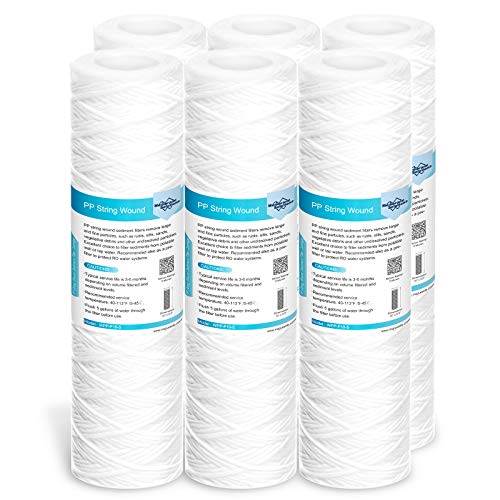
Membrane Solutions 5 Micron 10"x2.5" String Wound Whole House Water Filter Replacement Cartridge Universal Sediment Filters for Well Water – 6 Pack
- Material: Food-grade, BPA-Free Polypropylene
- Durability: Four times dirt capacity, double flow rate
- Compatibility: Universal 10×2.5-inch size
As an affiliate, we earn on qualifying purchases.
As an affiliate, we earn on qualifying purchases.
Conclusion
So, don’t buy into the hype of “maintenance-free” water treatment. Remember, no system is completely hands-off—you’ll need to stay informed, stay vigilant, and stay proactive. Because understanding your water, checking your system, and maintaining your equipment isn’t just a chore; it’s your best defense. Keep questioning, keep learning, and keep your water safe—because true peace of mind comes from being involved, informed, and prepared.

AMI 50 GPD Reverse Osmosis Membrane & Filter Replacement, 5-Stage
- Coconut Shell Carbon Block: Reduces chlorine and improves taste
- Universal 10-Inch Size: Fits most under-sink RO systems
- Individually Sealed Components: Ensures freshness and easy handling
As an affiliate, we earn on qualifying purchases.
As an affiliate, we earn on qualifying purchases.
Membrane Solutions 5 Micron 10"x2.5" String Wound Whole House Water Filter Replacement Cartridge Universal Sediment Filters for Well Water – 6 Pack
- Material: Food-grade, BPA-Free Polypropylene
- Durability: Four times dirt capacity, double flow rate
- Compatibility: Universal 10×2.5-inch size
As an affiliate, we earn on qualifying purchases.
As an affiliate, we earn on qualifying purchases.