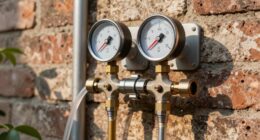

Many low-waste RO systems claim to conserve water, but it’s important to verify their efficiency claims critically. Not all systems reduce waste equally, and some may fall short of true sustainability. Look for independent tests or certifications to confirm the system genuinely minimizes waste without sacrificing performance. If you’re curious about how to identify truly eco-friendly options and avoid misleading claims, keep exploring—they’ll help you make smarter water treatment choices.
Key Takeaways
- Not all low-waste RO systems achieve significant water savings; verify claims with third-party testing.
- Some systems may reduce waste but still produce more wastewater than ideal, warranting careful evaluation.
- Efficiency over time depends on maintenance; initial low waste may increase with system wear.
- Design improvements, like wastewater recycling, can enhance true water conservation in low-waste RO units.
- Consumers should scrutinize product certifications to ensure low-waste claims are genuine and effective.
Are you concerned about the environmental impact of your reverse osmosis (RO) system? If so, you’re not alone. Many people see traditional RO systems as effective for water purification but worry about the waste they produce. Typically, these systems can waste three to four gallons of water for every gallon of clean water they generate. This high water wastage raises questions about their sustainability and overall environmental impact. But recently, some manufacturers have started promoting low-waste RO systems, claiming they markedly reduce water waste. It’s worth taking a second look at these claims because they could represent a meaningful step toward more environmentally friendly water purification.
Low-waste RO systems aim to reduce water waste while maintaining purification quality, supporting eco-friendly water use and sustainability.
Traditional RO systems rely on pushing water through a semi-permeable membrane, trapping contaminants and producing pure water. The process, however, is fundamentally wasteful because a substantial portion of the incoming water doesn’t pass through the membrane and gets flushed out as wastewater. This process has long been criticized for its environmental footprint, especially in areas where water is scarce. If you’re committed to reducing your ecological footprint, it’s natural to question whether these systems are truly sustainable. Innovations in water efficiency can help identify systems that truly minimize waste and conserve resources. Additionally, advancements in membrane technology are playing a crucial role in making these systems more sustainable. Some newer designs also incorporate wastewater recycling methods to further cut down on unnecessary water loss. Recognizing the importance of sustainable water management, manufacturers are now exploring ways to improve the overall efficiency of these systems.
Low-waste RO claims suggest that certain models or technologies can cut down on water wastage without sacrificing purification quality. Some systems achieve this by optimizing the filtration process, recycling wastewater, or using advanced membrane designs that require less flushing. These innovations mean you can still get high-quality water for drinking and cooking while minimizing the environmental impact. Basically, you’re improving your water purification setup without contributing unnecessarily to water waste. As research continues, more eco-friendly options are becoming available that prioritize sustainability alongside performance.
But it’s important to approach these claims with a critical eye. Not all low-waste systems are created equal, and some may still produce more waste than you’d like. As a consumer, you should look for verifiable data, third-party testing, or certifications that back up these claims. Consider whether the system can truly operate efficiently over time and whether its design reduces waste without complicating maintenance or increasing costs. If you find a model that genuinely offers lower waste, it aligns well with eco-conscious living and helps you take responsibility for your water consumption. This awareness can guide you toward more sustainable water treatment options that fit your lifestyle and environmental values.

iSpring RCC7AK-BN NSF Certified, 75 GPD, Alkaline 6-Stage Reverse Osmosis System, pH+ Remineralization RO Water Filter System Under Sink Patented Top-Mounted Faucet Design for Easy Installation
PATENTED DESIGN – The top-mounted fastener allows for easy countertop installation entirely from above, eliminating the hassle of…
As an affiliate, we earn on qualifying purchases.
As an affiliate, we earn on qualifying purchases.
Frequently Asked Questions
How Does Low-Waste RO Compare in Cost to Traditional Systems?
You’ll find that low-waste RO systems often have a higher initial cost compared to traditional ones, but the cost comparison over time favors low-waste models. Their efficient design reduces water waste and lowers your water bills, leading to long-term savings. While the upfront investment might be steeper, the reduced water consumption and maintenance costs make low-waste RO systems more economical in the long run, proving they’re worth considering.
What Brands Currently Offer Low-Waste RO Systems?
Think of water purification as a dance, and system innovation as your partner leading the way. Brands like Home Master and Aquasana now offer low-waste RO systems that impress with efficiency. These systems reduce water waste considerably, making them a smart choice for eco-conscious homeowners. As technology advances, more brands are stepping in to make sustainable water purification accessible, transforming a necessary chore into a greener, smarter routine.
Are Low-Waste RO Systems Suitable for All Water Sources?
Low-waste RO systems aren’t suitable for all water sources, especially if your water quality varies or contains high levels of contaminants. You should consider system installation carefully, ensuring it matches your water’s specific needs. These systems work best with relatively clean water, so if your source has high TDS or other pollutants, you might need additional filtration. Always test your water first to determine if a low-waste RO system fits your situation.
How Much Maintenance Do Low-Waste RO Units Require?
You’ll find low-waste RO units generally need minimal maintenance, especially if your water quality is stable. For example, a homeowner in a rural area noticed their system lasted years without major repairs, thanks to good water quality and durable components. Regularly changing filters and sanitizing the system extend its durability, ensuring it runs efficiently with less waste and upkeep. Staying on top of maintenance keeps your low-waste RO system performing at its best.
What Are the Environmental Impacts of Low-Waste RO Technology?
You’ll find that low-waste RO technology positively impacts the environment by promoting water conservation, reducing overall water waste. It also minimizes chemical use, leading to less chemical runoff and pollution. This technology helps conserve natural resources and decreases the environmental footprint of water treatment. By opting for low-waste systems, you contribute to a more sustainable future, ensuring cleaner water and healthier ecosystems with fewer harmful chemicals released into the environment.

Aigerri UV Countertop Reverse Osmosis Water Filter, NSF/ANSI 372 Certified, 5-Stage RO Filtration System, 5: 1 Pure to Drain, No Installation, Portable Reverse Osmosis Purifier for Home, Kitchen
Generous 5L Large Capacity & Complete Filter Set: Built with a 5L raw water reservoir and an independent…
As an affiliate, we earn on qualifying purchases.
As an affiliate, we earn on qualifying purchases.
Conclusion
So, next time you hear about low-waste RO claims, don’t dismiss them as just another drop in the ocean. Think of these innovations as a gust of fresh, clean air in a polluted world—brightening the path toward sustainability. Embrace the idea that small drops can fill the bucket of change. With every mindful choice, you’re watering the seeds of a greener future, one ripple at a time.
iSpring RCC7AK-BN NSF Certified, 75 GPD, Alkaline 6-Stage Reverse Osmosis System, pH+ Remineralization RO Water Filter System Under Sink Patented Top-Mounted Faucet Design for Easy Installation
PATENTED DESIGN – The top-mounted fastener allows for easy countertop installation entirely from above, eliminating the hassle of…
As an affiliate, we earn on qualifying purchases.
As an affiliate, we earn on qualifying purchases.
iSpring RCC7AK-BN NSF Certified, 75 GPD, Alkaline 6-Stage Reverse Osmosis System, pH+ Remineralization RO Water Filter System Under Sink Patented Top-Mounted Faucet Design for Easy Installation
PATENTED DESIGN – The top-mounted fastener allows for easy countertop installation entirely from above, eliminating the hassle of…
As an affiliate, we earn on qualifying purchases.
As an affiliate, we earn on qualifying purchases.